
Explore our primary aluminum products, including circles, sheets, foils, and specialty alloys optimized for worldwide delivery.
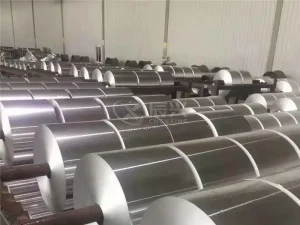
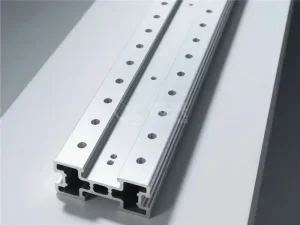
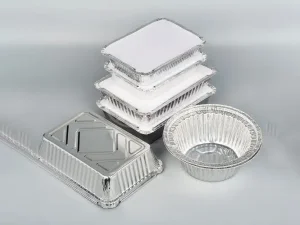
In modern industrial applications, aluminium foil packaging has transitioned from a basic wrapping material to a crucial engineering layer. Across the globe, food, pharmaceutical, and high-tech electronic sectors are experiencing an unprecedented surge in demand for flexible, high-barrier packaging. According to global metallurgical reports, the global market for aluminium foil packaging is projected to exceed USD 35 Billion by 2030, driven by the shift away from single-use plastics and toward highly recyclable, non-degradable barriers.
Aluminium foil stands out in modern distribution chains because of its complete barrier resistance. At thicknesses exceeding 25 micrometers (1 mil), it becomes completely impermeable to oxygen, light, water vapor, and volatile aromas. This characteristics is crucial for safeguarding shelf lives and preserving active pharmaceutical ingredients (APIs). For global businesses seeking high-volume manufacturers, choosing the correct alloy and thickness configuration is essential to minimize material costs while maintaining the integrity of mechanical and barrier properties.
Provides complete insulation against ultraviolet rays, gas transmission, and moisture migration, ensuring the chemical preservation of volatile substances.
Designed for multi-cavity thermoforming lines, such as cold-formed Alu-Alu blister packaging, without microscopic cracking.
Saves up to 95% of the energy required for primary production, aligning with strict environmental, social, and governance (ESG) regulations worldwide.
Understanding alloy compositions (1235, 8011, 8021, and 8079) and tempers (O, H18, H24) is vital for proper application integration.
| Alloy Grade | Common Temper | Thickness Range (mm) | Tensile Strength (MPa) | Elongation (%) | Primary Industrial Use Case |
|---|---|---|---|---|---|
| Alloy 8011 | Soft (O), H14, H24 | 0.008 – 0.200 | 85 – 110 | ≥ 12 | Food containers, household foils, pharmaceutical closures, cable wrap |
| Alloy 1235 | Soft (O) | 0.005 – 0.009 | 60 – 85 | ≥ 2 | Aseptic carton liners, cigarette foil, capacitor insulation, lithium batteries |
| Alloy 8021 | Soft (O) | 0.015 – 0.050 | 85 – 105 | ≥ 15 | Cold-formed Alu-Alu blister packaging (high-stretch requirement) |
| Alloy 8079 | Soft (O) | 0.006 – 0.030 | 75 – 95 | ≥ 8 | High-end laminated flexible packaging, retort pouches, stand-up bags |
| Alloy 3003 | H18, H22, H24 | 0.030 – 0.200 | 120 – 165 | ≥ 10 | Semi-rigid food containers, electronic heat sinks, ventilation ducts |
Purchasing directly from Chinese factories provides distinct economic and structural benefits for global procurement departments. The industrial hubs along China's coastal regions consolidate the entire aluminium processing chain—from primary smelting and casting to rolling, annealing, and surface treatments like coating and laminating. This geographical grouping reduces logistics costs and ensures rapid iteration of material formulations.
Additionally, modern Chinese manufacturing centers utilize state-of-the-art high-speed, wide-width foil rolling mills equipped with automatic gauge control (AGC) and automatic flatness control (AFC) systems. These technologies minimize thickness variations to within ±2%, ensuring consistent runs on high-speed automated packaging machines in European and American production facilities. Direct vertical integration also means manufacturers can guarantee precise chemical compositions, minimizing iron, silicon, and copper trace elements to ensure the foil maintains its target ductility and resists pinhole formation.
Our industrial products are tailored for complex environmental and manufacturing conditions across major sectors.
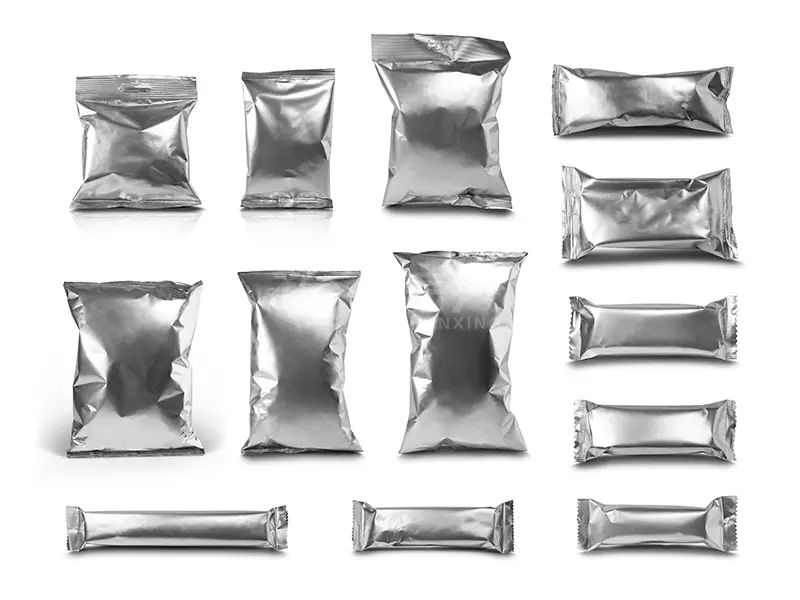
Using alloy 8021-O in cold-forming processes guarantees crack-free pockets for sensitive pharmaceutical formulations. The soft-temper foil provides a perfect seal against moisture and microbial entry, meeting critical FDA and European Pharmacopoeia (EP) compliance standards.
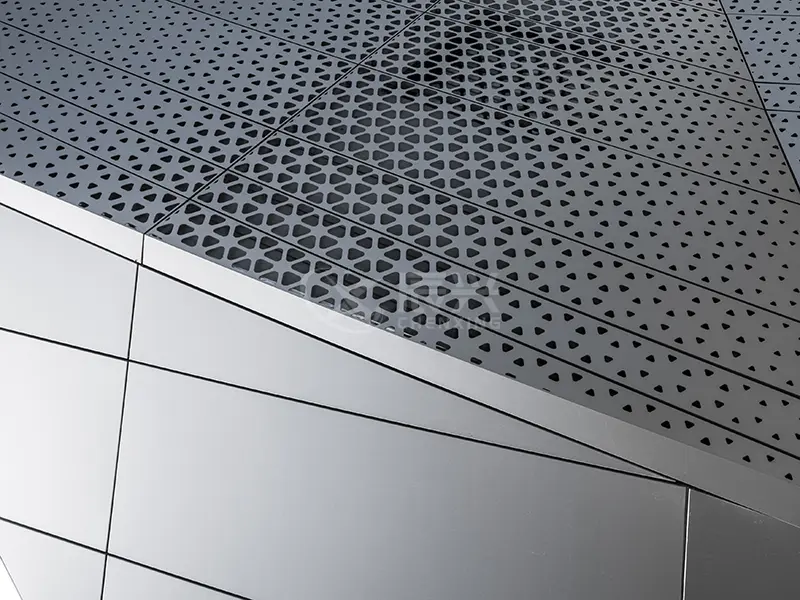
Utilizing high-purity foils laminated with polyester films (PET/Alu/PET) for electromagnetic shielding in signal cables. In construction, wide-width foils serve as thermal barriers inside wall cladding systems, reducing building energy loads by reflecting up to 97% of radiant heat.
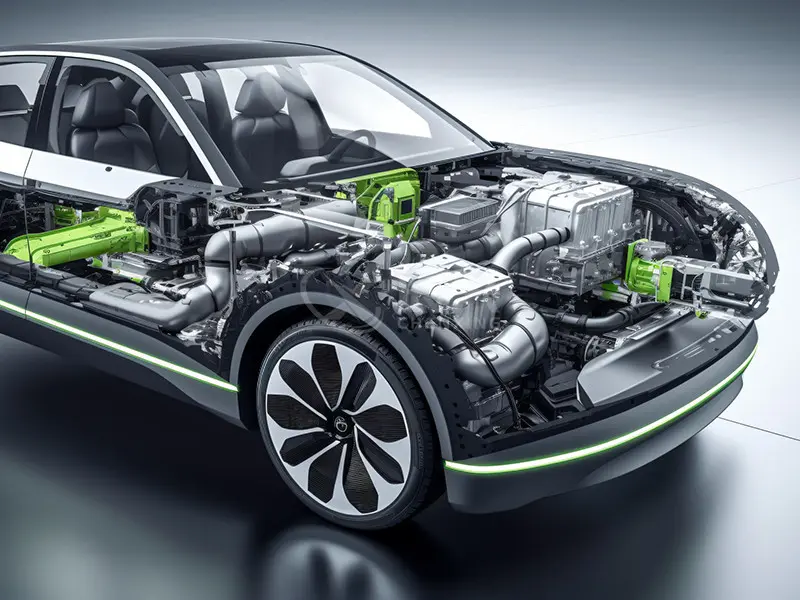
Alloys 3003 and 8011 are rolled to tight tolerances for condenser and evaporator fins. Hydrophilic-coated foils prevent water accumulation between fin gaps, extending service life in commercial HVAC systems and electric vehicle heat pumps.
In response to international carbon borders and strict environmental mandates, leading Chinese aluminium factories are integrating circular economy principles into their core manufacturing processes. Recycled aluminum scrap requires less than 5% of the energy inputs compared to extracting primary alumina from raw bauxite ore, resulting in a dramatic reduction in greenhouse gas emissions.
Furthermore, major manufacturers are progressively changing their energy supply structures by incorporating solar and hydroelectric power into their melting operations. Working with factories that offer certified carbon-neutral or low-carbon aluminum sheets and foils helps global brands satisfy their ESG goals. Choosing these partners also positions businesses to comply with the European Union's Carbon Border Adjustment Mechanism (CBAM) and similar environmental standards.
Answers to common technical, metallurgical, and logistics questions for professional purchasers.
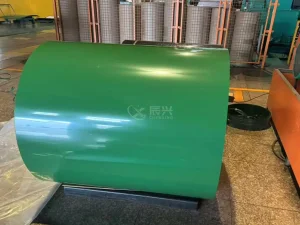
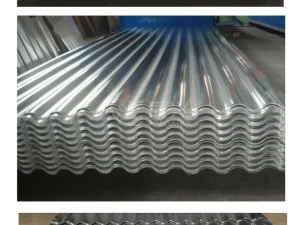
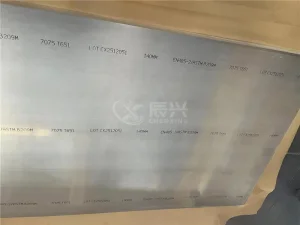
Broaden your raw material procurement with our structural coils, roofing panels, and protective container components.
For inquiries about our specifications, alloy selections, or current export price lists, contact our engineers. We will get back to you within 24 hours with a comprehensive layout profile.
Stay informed on global market trends, raw material pricing, and innovations in processing technologies.
Recent trade reports highlight a significant increase in international shipments of semi-finished aluminum sheets and coils. Our factory is adapting production to meet the rising demand for high-strength structural alloys.
Read Full Report →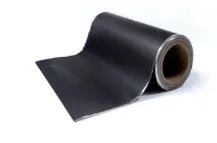
The expansion of electric vehicles is creating a growing need for battery-grade aluminum foil. These specialized materials require tight thickness tolerances and high chemical purity to perform reliably as current collectors in lithium-ion batteries.
Read Full Report →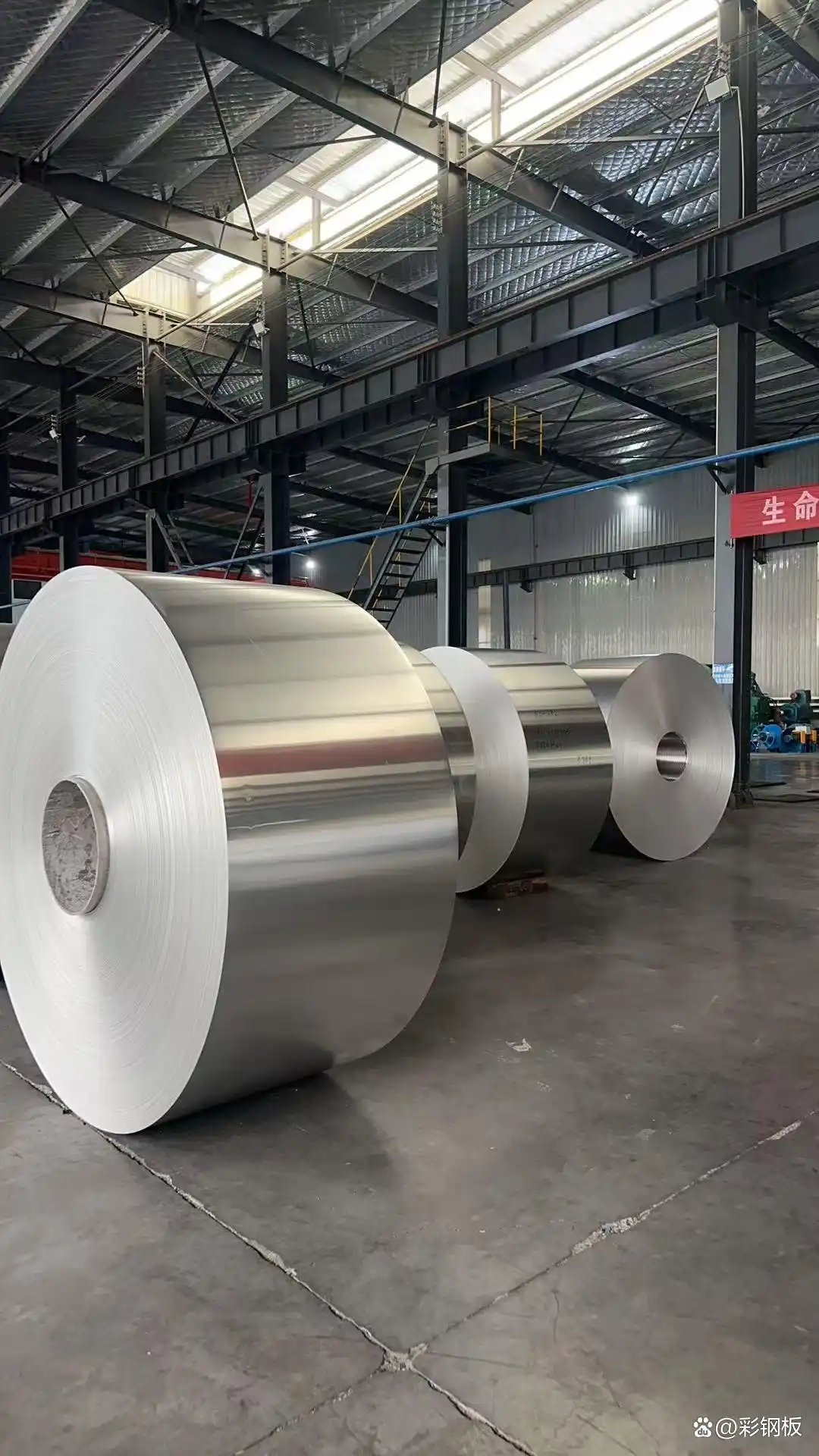
Environmental policies are driving the adoption of recyclable materials in building construction and packaging. Aluminum coils are playing a key role in this transition due to their durability and low recycling footprint.
Read Full Report →