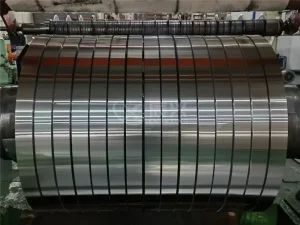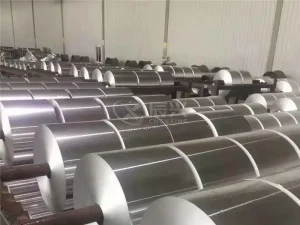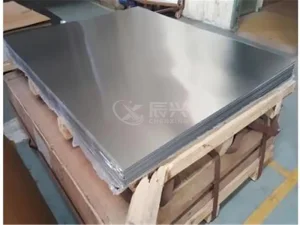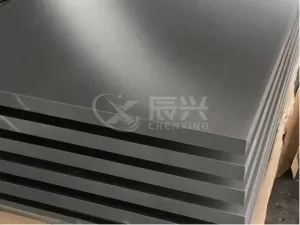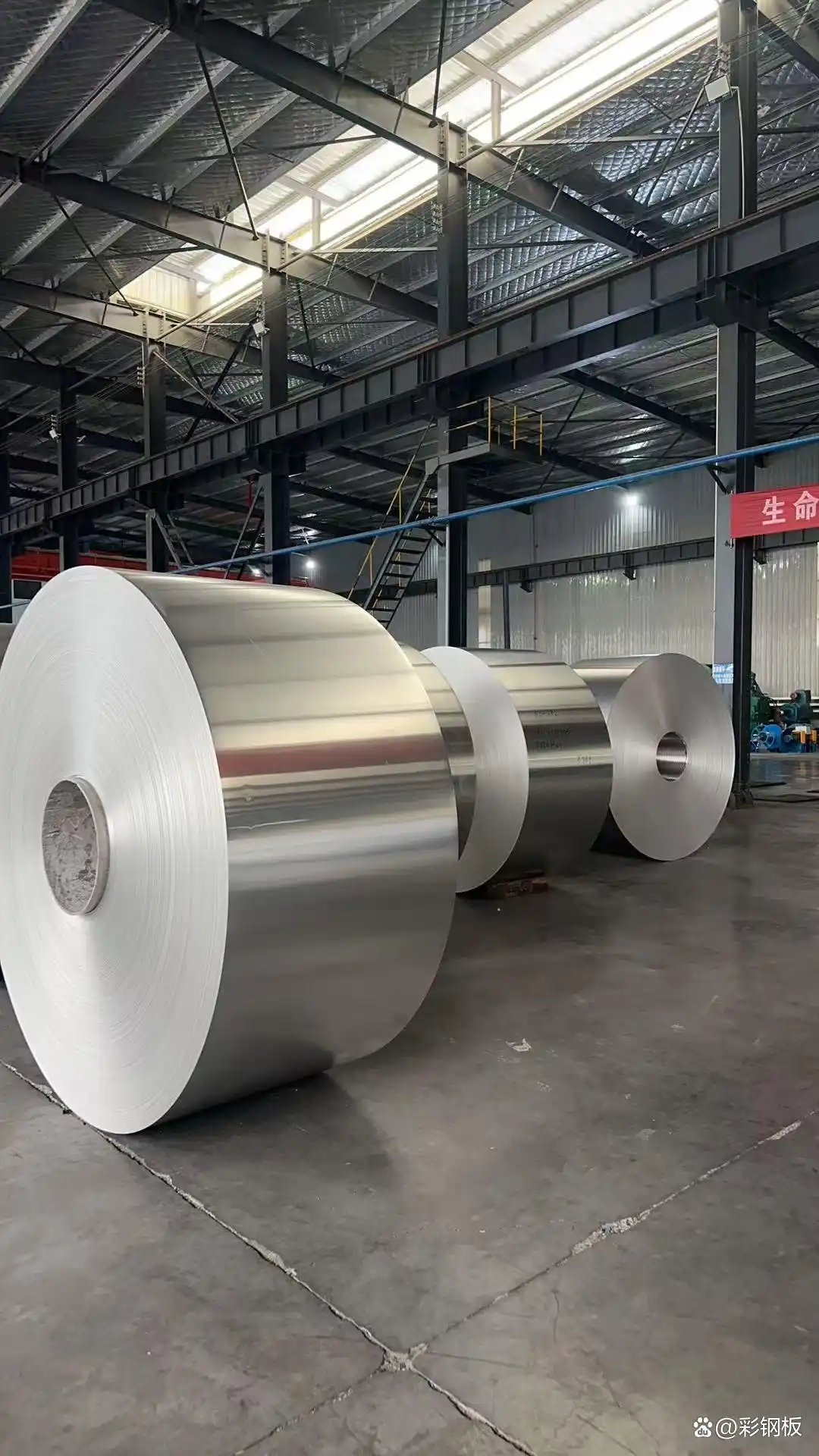
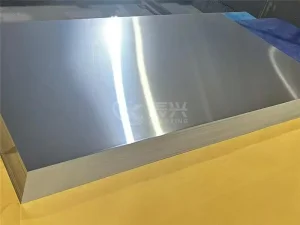
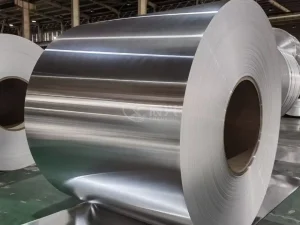
Navigating the complex landscape of metallurgical manufacturing requires an established partner. Our mills integrate state-of-the-art AGC (Automatic Gauge Control) and AFC (Automatic Flatness Control) systems to deliver ultra-precise tolerances, ensuring optimized downstream conversion processes.


In the global non-ferrous metallurgy sector, China’s aluminium foil mills and factories have transitioned from low-cost commoditized manufacturers to global leaders in technical innovation and high-end material synthesis. This paradigm shift is driven by deep structural advantages that integrate vertical raw material supply, advanced machinery engineering, and a highly skilled technical workforce.
From bauxite refining and electrolytic smelting to hot-rolling coil (HRC) casting and final cold-rolling passes, Chinese factories operate within dense industrial clusters. This minimizes transportation lead times, protects raw materials from oxidation, and mitigates price volatility.
Leading Chinese mills deploy state-of-the-art 4-High (4-Hi) and 6-High (6-Hi) cold rolling mills equipped with automated gauge control (AGC) systems. This guarantees uniform thickness profiles across widths exceeding 1,600 mm, with gauge tolerances regulated to ±2%.
Export-oriented factories operate under rigorous international frameworks including ISO 9001:2015, IATF 16949 (for automotive battery-grade foils), and SGS/FDA food-contact material declarations, meeting the strict entry requirements of North American and European markets.
The global aluminium foil industry is undergoing rapid technological evolution, catalyzed by the transition to renewable energy storage and structural demand shifts in green packaging. Enterprise procurement agents must understand these macro-level dynamics to future-proof their supply chains:
Double-zero foil (foil with two zeros after the decimal point when measured in millimeters, such as 0.006mm to 0.009mm) is pushing physical limits. Factories are adopting advanced tension control mechanisms and micro-pinhole detection arrays to produce ultra-thin foils with minimal structural defects. This is critical for high-barrier aseptic packaging in food and pharmaceuticals.
The surge in electric vehicles (EV) and grid-scale energy storage systems (BESS) has created massive demand for high-strength 1000-series and 1235-series battery foils. Mill-direct suppliers are optimizing grain refinement strategies to produce foils with high tensile strengths (>200 MPa) to withstand the intense tension of high-speed coating lines without breaking.
As carbon borders (such as Europe's CBAM) become active, Chinese aluminium foil mills are leveraging hydropower-melted primary aluminium blocks. Scrap loop recycling systems within factories allow for up to 100% recycling of process scrap, lowering the overall carbon equivalent per ton of finished product.
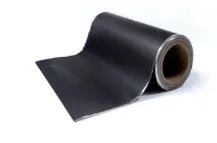
Aluminium foil is a versatile material used across multiple global supply chains. Below are the key applications where our mill-grade foils are deployed.
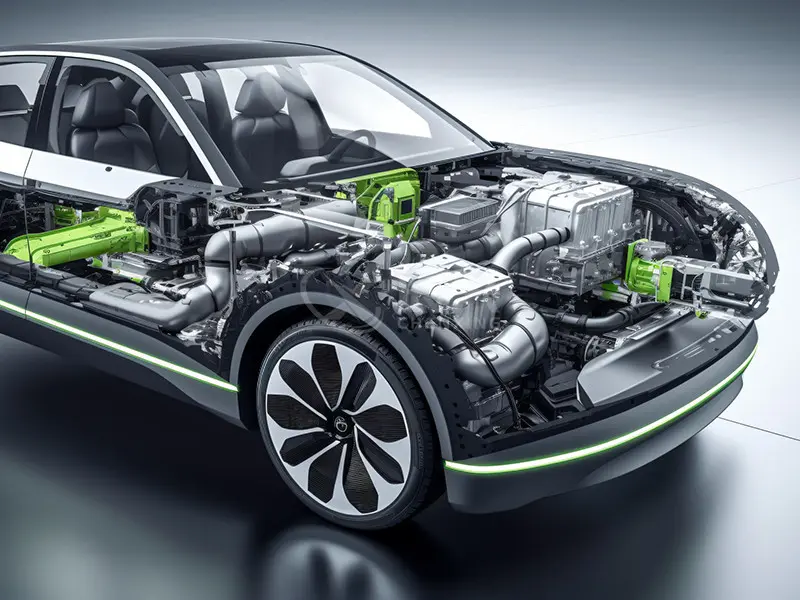
High-tensile alloy foils for heat shields, fin stocks for radiators, and lithium battery cell cathode substrates.
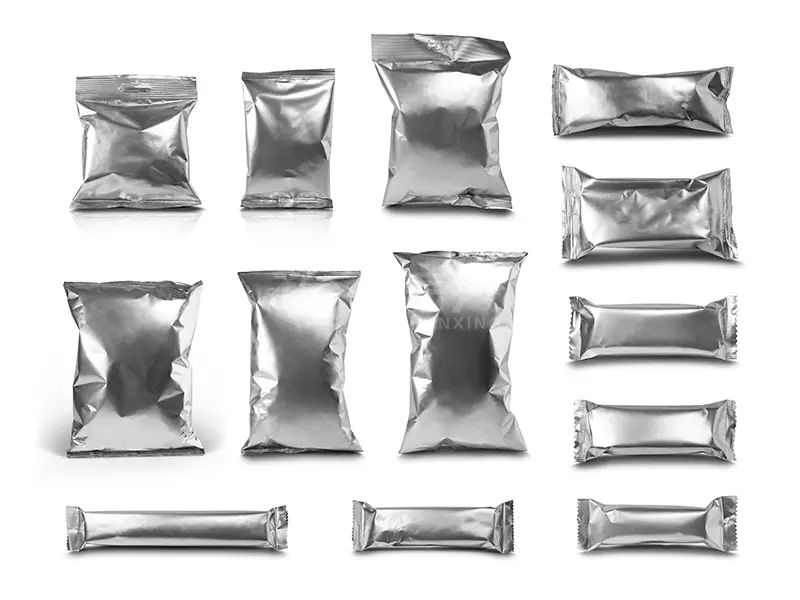
Aseptic food cartons, retort pouches, and blister packaging foils for pharmaceutical pills and capsules.

Etched anode/cathode foils for electrolytic capacitors, electromagnetic shielding tape, and flexible circuits.

Lightweight honeycomb core materials, composite panel backings, and thermal insulation wrap systems.
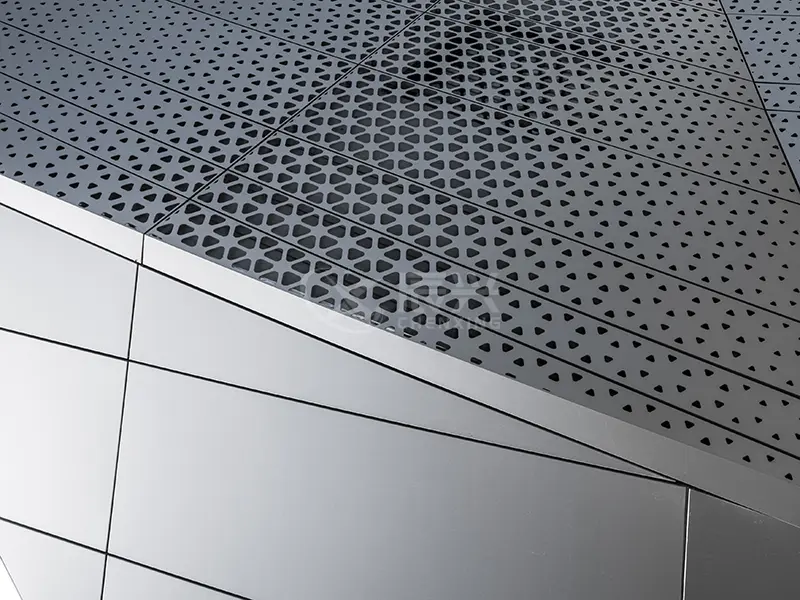
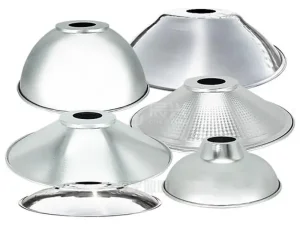
Vapor barriers, reflective insulation foils for HVAC ducts, and composite cladding wall insulation panels.

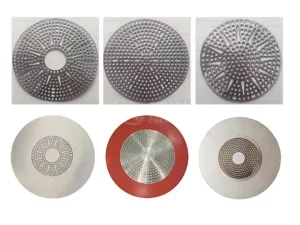
Heat exchangers, domestic kitchen foil, air conditioner condenser coils, and high-performance cooking trays.
Large-scale procurement involves managing regulatory risk, logistics, and material consistency. Our mills provide comprehensive, macro-level supply chain solutions designed for multinational corporations:
Different industries require specific metallurgical properties. Our engineers modify the chemical composition of trace elements (such as Fe, Si, Mn, and Cu) to adjust mechanical performance. For example, adjusting Fe levels in Alloy 8011 improves tensile strength for bottle caps, while optimizing Si and Fe in Alloy 1235 ensures barrier integrity for flexible packaging.
Pinhole density is a key quality metric for barrier performance. We use automatic optical inspection systems that scan the foil web in real-time, detecting defects down to the micron level. Our mills keep pinhole counts below internationally accepted limits (less than 10 pinholes per square meter for 0.006mm foil).
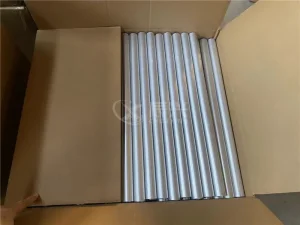
Aluminium foil is sensitive to moisture and mechanical impact during sea transport. We package rolls in heavy wooden boxes lined with desiccant and plastic film barriers, supporting both "eye-to-sky" and "eye-to-wall" orientations. This prevents corrosion and preserves foil surface quality during long-distance shipping.
Submit your specifications (alloy, temper, thickness, width, core diameter, and target volume) and our technical sales engineers will contact you with a detailed quote within 24 hours.