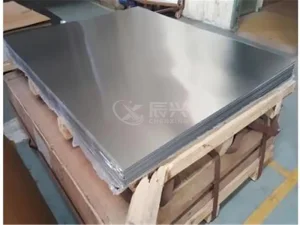
Engineered to precision standards for premium manufacturing, construction, and specialized industrial sectors worldwide.
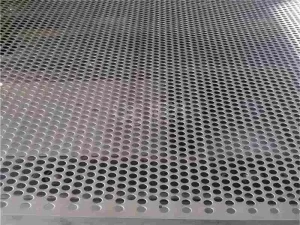
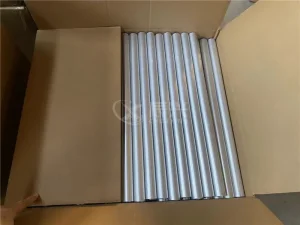
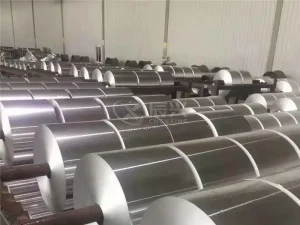
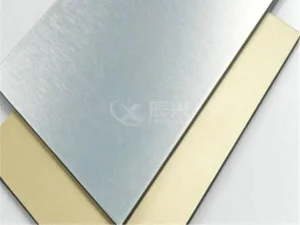
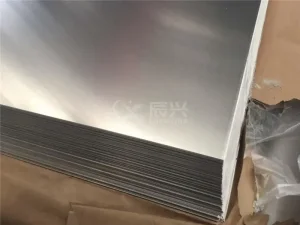
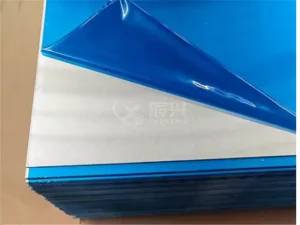
An authoritative breakdown of substrate properties, advanced coatings, and evolutionary market demands.
The global Alu Color Sheet industry is undergoing a structural paradigm shift. No longer viewed as just simple decorative cladding, modern color-coated aluminum sheets are highly engineered composite surfaces designed to meet stringent architectural, thermal, and mechanical expectations. By bonding organic polymer coatings to high-strength aluminum alloy substrates, manufacturers create lightweight, corrosion-resistant, and aesthetically versatile materials ideal for critical applications.
Current technological innovations center around advanced formulation coatings. The traditional Polyester (PE) and Polyvinylidene Fluoride (PVDF) polymer matrices are now supplemented by Fluorocarbon-based FEVE coatings and super-durable polyesters. These advancements optimize durability against intense solar ultraviolet (UV) radiation, high industrial chemical pollution, and harsh saline marine environments. Additionally, smart thermal management coatings with enhanced Solar Reflective Index (SRI) values are increasingly utilized to lower thermal transfer in energy-efficient green buildings, mitigating the urban heat island effect.
"Global green building initiatives and circular economy regulations are forcing a migration from heavy cladding alternatives toward high-durability, infinitely recyclable coated aluminum panels. Sourcing from verified manufacturers who run closed-loop aluminum smelting and clean coating lines is key to securing environmental compliance (EPD) and supply chain continuity."
For procurement directors managing multi-million dollar infrastructure or industrial contracts, purchasing color-coated aluminum sheets requires a profound grasp of standard metallurgy and chemical testing protocols. The physical performance of an Alu Color Sheet is determined by its substrate alloy (predominantly 1100, 3003, 5005, or 5052 series), the pretreatments applied to ensure adhesion (chromate-free conversion coatings), and the dry film thickness (DFT) of the primer and topcoat.
| Coating Type | Chemical Base | Typical Thickness (DFT) | Expected Lifespan | Primary Application Focus |
|---|---|---|---|---|
| Polyester (PE) | Polymerized Ester Resins | 15 - 20 μm | 8 - 12 Years | Interior partitions, light signage, household appliances |
| PVDF (2-Coat) | 70% Fluorocarbon Resin | 25 - 28 μm | 20 - 25 Years | Exterior building facades, roofing, structural cladding |
| FEVE (Polyurethane/Fluoropolymer) | Fluoroethylene Vinyl Ether | 28 - 35 μm | 30+ Years | High-end corporate structures, architectural landmarks |
| Polyamide-Modified (PUR-PA) | Polyurethane with Polyamide | 30 - 50 μm | 15 - 20 Years | Industrial roller shutters, heavy-wear environments |
Decades of engineering capability, global delivery compliance, and rigorous quality inspection protocols.
Leveraging deep industrial metallurgical experience and continuous R&D to deliver high-precision products.
Providing seamless logistical integration, import-export clearance, and compliance with diverse building codes.

Real-time manufacturing tracking backed by lab verification testing, including salt spray testing and chemical resistance checks.

Direct access to structural engineers and supply chain specialists with 8D corrective action reporting protocols.
Deploying specialized aluminum alloy configurations across high-demand industrial sectors.
Securing the future of industrial building and manufacturing with zero-chromate and low-VOC processes.
The manufacturing future of Alu Color Sheets is defined by environmental compliance and intelligence. As carbon import taxes, such as the European Union’s Carbon Border Adjustment Mechanism (CBAM), begin to shape global sourcing strategies, factories are upgrading to advanced smelting lines that use secondary recycled aluminum. This reduces energy consumption by up to 95% compared to primary electrolysis. Additionally, modern coil coating lines are adopting advanced near-infrared curing technologies, reducing reliance on natural gas and significantly lowering the carbon footprint per square meter.
On the surface technology front, factories are implementing automated AI-driven visual inspection modules. Cameras monitor coating uniformity, dry film thickness, and pinhole presence in real-time at line speeds up to 100 meters per minute. This level of quality control prevents coating peeling and ensures consistent color matching (within ΔE < 0.5) across separate production runs. This technology provides commercial real estate developers and vehicle manufacturers with the confidence to order split shipments without risking color mismatches.
Before confirming an order, procurement managers should verify compliance with the following international testing standards:
Technical answers to support project engineering, design specification, and commercial sourcing decisions.
Discover specialized packaging, industrial coils, and HVAC thermal insulation materials directly from our production lines.
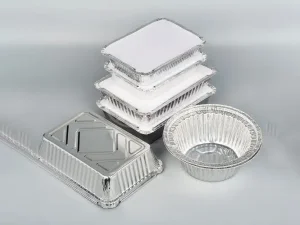
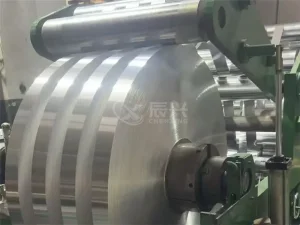
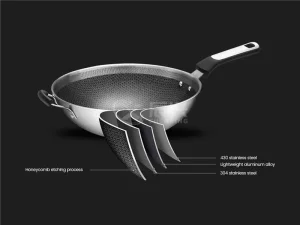
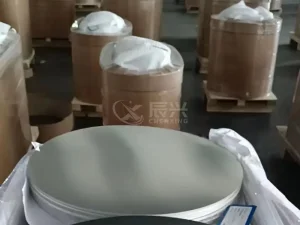
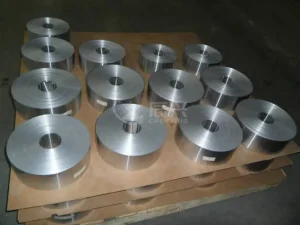
Stay informed with technical market analysis and manufacturing technology developments.
Recent dynamic trade shifts indicate rising demand for high-strength aluminum alloys across developing manufacturing hubs.
Read More →
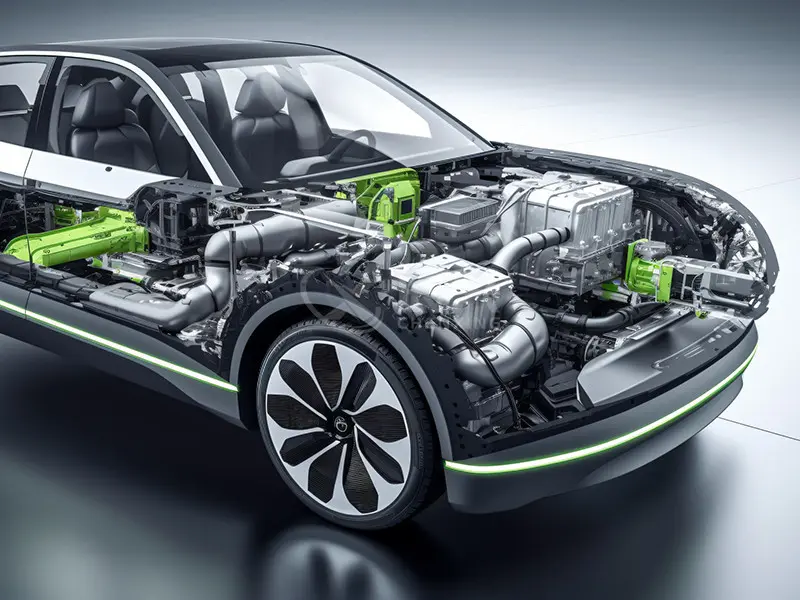
Analyzing the metallurgical parameters required for clean energy storage, lithium-ion batteries, and hybrid powertrain integration.
Read More →
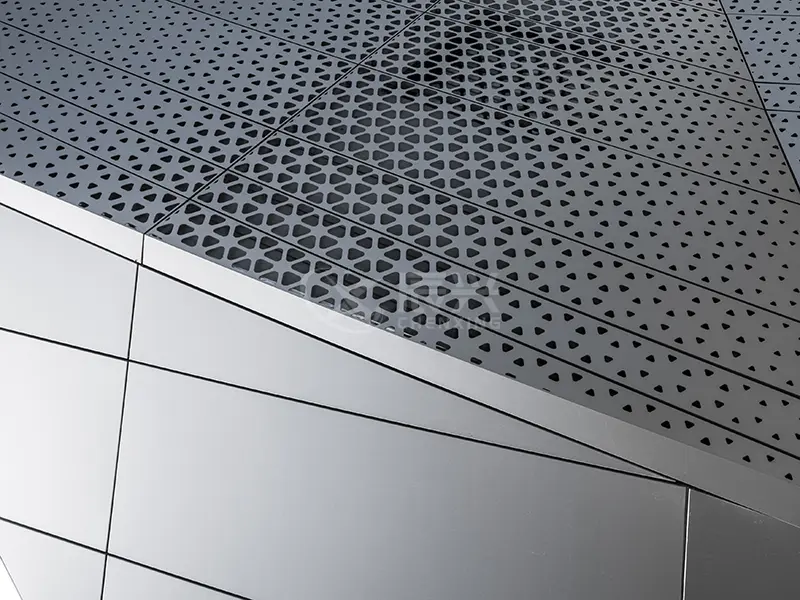
Sustainable manufacturing processes and strict eco-regulations drive global growth in architectural coil-coated systems.
Read More →Connect with our structural engineers and supply chain coordinators. Receive detailed metallurgical data, chemical test certifications, and customized commercial pricing within 24 hours.
Submit Project Blueprint