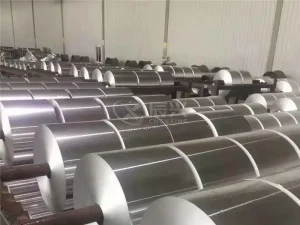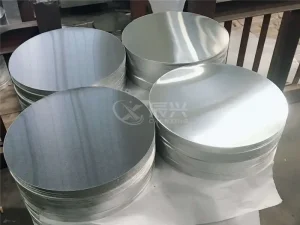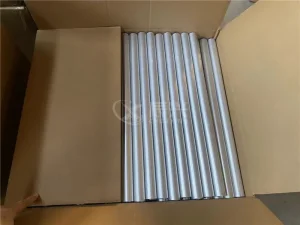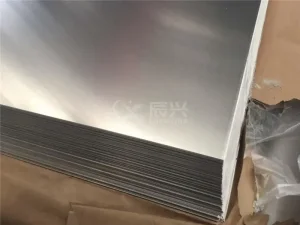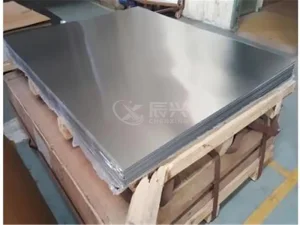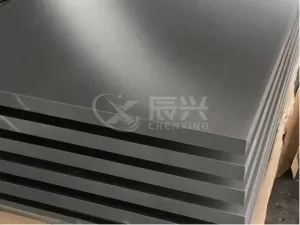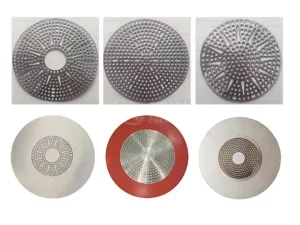
Direct factory supply solutions customized for international cooling systems, aerospace components, and industrial infrastructure.
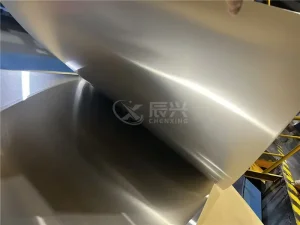
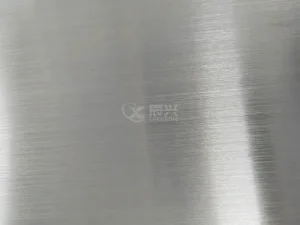
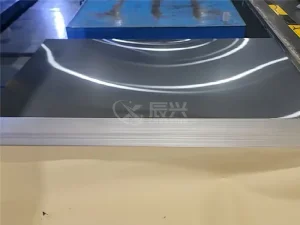
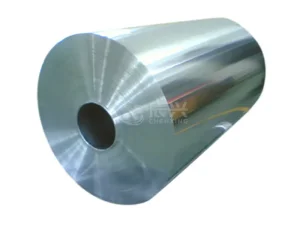
In modern HVAC/R (Heating, Ventilation, Air Conditioning, and Refrigeration) manufacturing, the heat exchanger fin represents the core component dictating thermal transfer rates. To optimize coefficients of performance (COP) and fulfill stringent energy efficiency requirements (such as SEER 2 and SCOP standards), global OEM/ODM organizations prioritize selecting premium-grade Aircon Aluminum Foil. Finding and vetting the right manufacturers is critical to ensuring chemical precision, dimensional consistency, and defect-free mechanical parameters across millions of meters of processed foil.
As a thermal conductor material, aircon aluminum foil must perform under intense thermal stresses and mechanical shaping. The process of producing fin stocks involves rapid punch drawing, stamping, and tube expansion. High tensile strength, superb elongation properties, and tight thickness tolerances are non-negotiable. Whether designing microchannel heat exchangers (MCHX) or traditional fin-and-tube coils, selecting the precise alloy composition influences raw material costs, manufacturing uptime, tool wear rates, and final product longevity.
Air conditioner foil generally branches into two dominant metallurgical categories: bare foil and pre-coated (hydrophilic or hydrophobic) foil. Leading raw material manufacturers use specific aluminum series designed to address particular environmental challenges and heat exchange designs.
| Alloy Grade | Common Temper | Tensile Strength (MPa) | Elongation (%) | Primary Industrial Use Case |
|---|---|---|---|---|
| 8011 Aluminum Foil | H22 / H24 / O | 125 - 165 | ≥ 12 | Standard domestic condenser fins and evaporator fin stocks. Excellent formability. |
| 3102 Aluminum Foil | H22 / H24 | 110 - 145 | ≥ 15 | Highly corrosion-resistant applications. Preferred for automotive evaporators. |
| 1100 / 1200 Foil | H22 / H24 | 90 - 130 | ≥ 10 | High electrical and thermal conductivity designs. Commonly selected for low-stress fins. |
| 3003 Aluminum Foil | H24 / O | 140 - 180 | ≥ 14 | Heavy-duty industrial cooling, heat pumps, and multi-layered foil setups. |
The alloy selection governs chemical corrosion dynamics. For instance, the inclusion of Manganese (Mn) in 3003 alloys enhances the grain boundary structure, yielding robust mechanical strength that withstands mechanical impact and high wind speed environments. Meanwhile, 8011 foil uses an iron-silicon matrix (Fe-Si) to optimize structural stability during thin-gauge rolling processes down to 0.095mm without pinhole formation.
When HVAC companies source fin stocks, the surface treatment is an important design parameter. Bare aluminum foil, though highly cost-effective, faces challenges in high-humidity cooling cycles. Condensation forms water bridges between adjacent fin segments, blocking airflow and creating high-pressure drops that increase fan power consumption.
Hydrophilic Aluminum Foil solves this challenge by applying an organic, inorganic, or hybrid coating (usually 1.0 to 1.5 microns thick) to the sheet surface. This coating changes the contact angle of water droplets to less than 10 degrees. Water forms a thin film instead of droplets, draining away quickly without obstructing the airflow channels. This simple improvement reduces wind drag by up to 25% and improves overall heat exchange efficiency by 5% to 15%.
Additionally, advanced manufacturers offer specialized coating variants:
Procuring air conditioning foil from China offers significant advantages. China's integrated aluminum industry provides a complete manufacturing ecosystem from raw bauxite refining to precision rolling mills and functional surface finishing.
Modern Chinese aluminum manufacturers operate advanced rolling mills equipped with Automatic Gauge Control (AGC) and Automatic Flatness Control (AFC) systems. These technologies allow factories to maintain thickness tolerances within ±2% and control profile deviations down to a microscopic scale. This precision ensures that high-speed fin punching presses can operate smoothly without tearing the web or causing premature tooling wear.
Proximity to aluminum smelting hubs in Henan, Shandong, and Chongqing helps manufacturers reduce domestic transportation costs and access high-purity liquid aluminum directly. This vertical integration shortens lead times, allowing mills to deliver custom foil orders in 20 to 30 days. Additionally, proximity to deep-water ports like Qingdao, Shanghai, and Ningbo ensures reliable container transport, with specialized packing configurations that protect the soft aluminum coils from moisture, oxidation, and physical impact during transit.
Global HVAC manufacturers require their suppliers to meet strict quality and environmental standards. Professional aluminum foil companies must comply with international frameworks to protect their clients from compliance issues and import hurdles.
Furthermore, leading companies offer localized technical support. They send field engineers to help clients calibrate their high-speed stamping tools, select the right lubricants, and resolve issues related to fin wrinkling, collapse, or collar cracking during tube expansion.
The environmental conditions of the installation site dictate the choice of aircon aluminum foil. A one-size-fits-all approach can lead to premature field failures or unnecessary material costs.
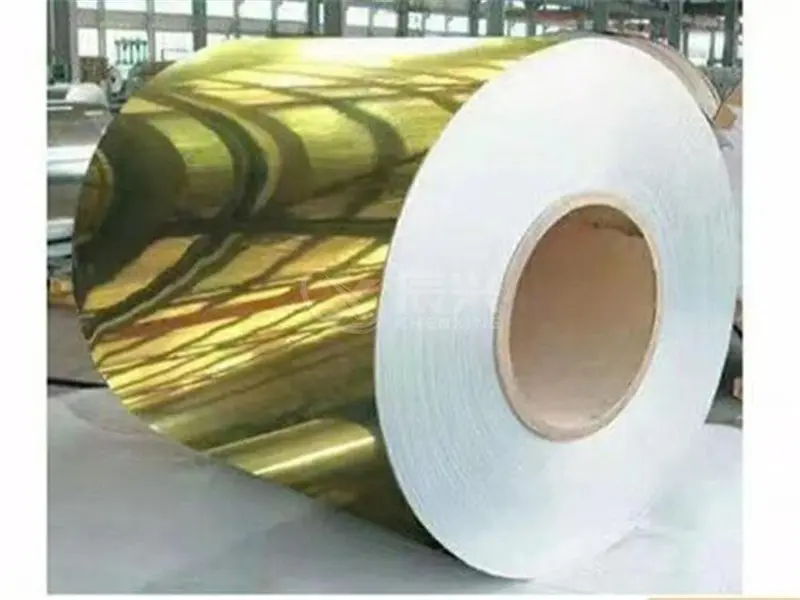
High relative humidity combined with high salt concentrations in the air accelerates galvanic corrosion between copper tubes and aluminum fins. Manufacturers serving these regions use gold hydrophilic coatings or epoxy-coated bare foils with thicker gauges (0.11mm - 0.13mm) to prevent premature disintegration of the fin structure.
Heat pumps operating in heating mode face frequent frosting on the evaporator coils. Sourcing hydrophobic coated foils or high-grade 3003-H24 bare foils helps speed up water runoff during defrosting. This maintains high heat pump efficiency and reduces energy draw during freezing winter spells.
Fins must be lightweight and strong to resist road debris impact and vibration. This application calls for thin-gauge 3102 or 3003 cladding materials, which offer high mechanical strength and compatibility with controlled atmosphere brazing (CAB) processes.
Our manufacturing capabilities and international quality control standards ensure reliable long-term supply for global cooling projects.
Refining chemical compositions, metallurgical roll configurations, and custom polymer coating applications for global OEMs.
Seamless logistics, customs clearances, and technical compliance across Europe, North America, Southeast Asia, and South America.
Real-time eddy current detection, online surface inspection systems, and full traceablity from alloy ingot to finished coil.
Dedicated engineering response teams to address production concerns and optimize tool settings at your facility.
Discover our comprehensive range of high-efficiency aluminum solutions engineered for demanding industrial environments.
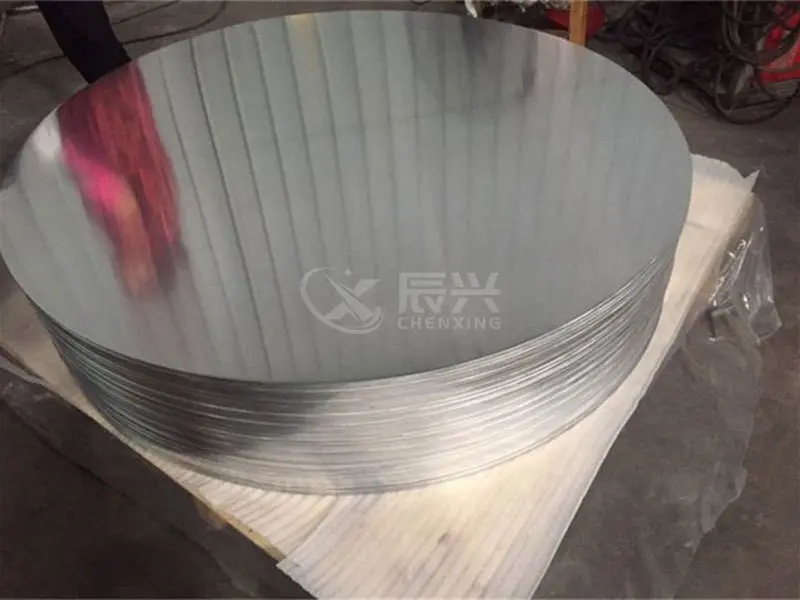
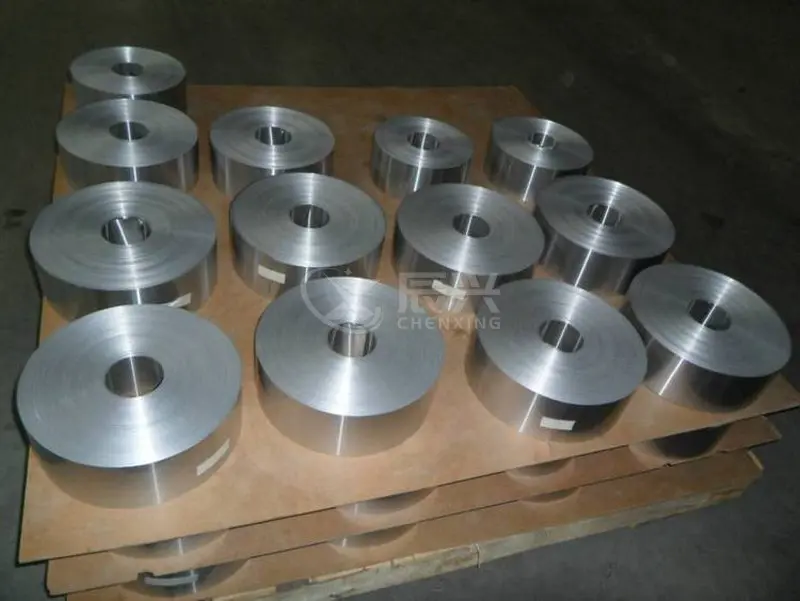
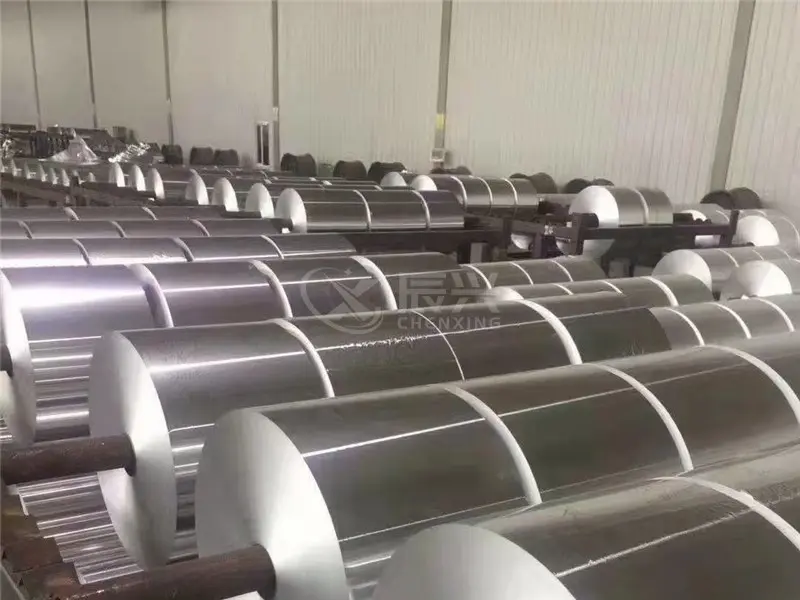
Our specialized aluminum alloys serve as fundamental components across critical global industries, delivering thermal performance and structural integrity.

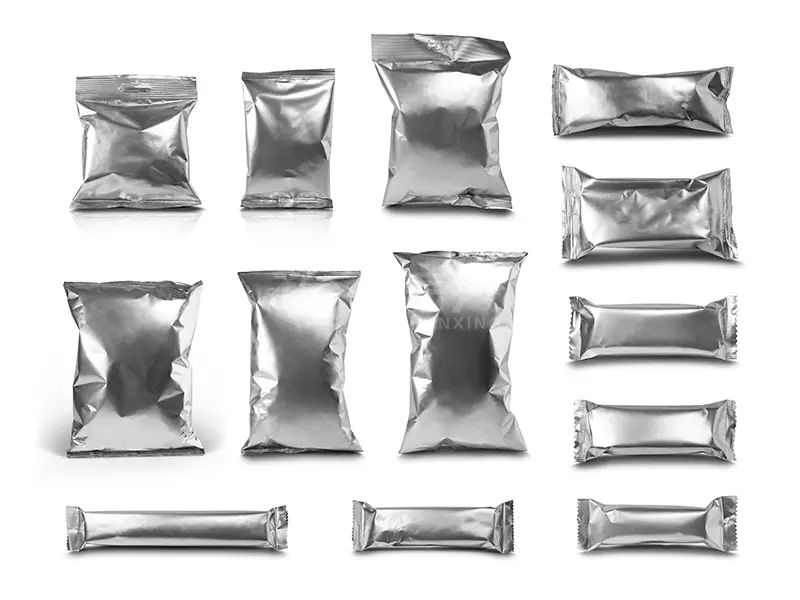


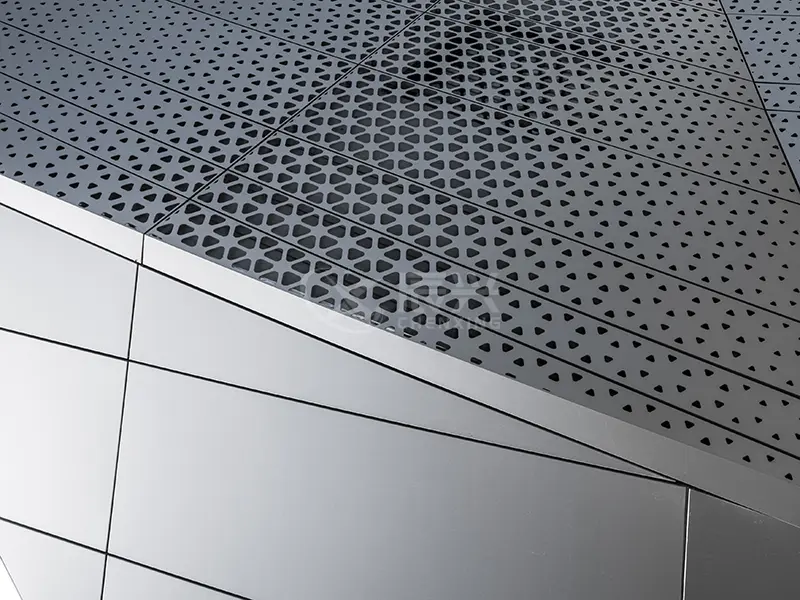

Expert technical responses to common engineering and commercial questions regarding Aircon Aluminum Foil procurement.
Connect with our metallurgical engineering team. We provide rapid raw material analysis, customized alloy formulations, and global shipping logistics estimates within 24 hours.
Submit RFQ / Inquiry NowStay informed with the latest insights on global aluminum export trends, new material developments, and HVAC market forecasts.
Complete line of structural and conductive aluminum products for refrigeration, electronics, and heavy machinery.