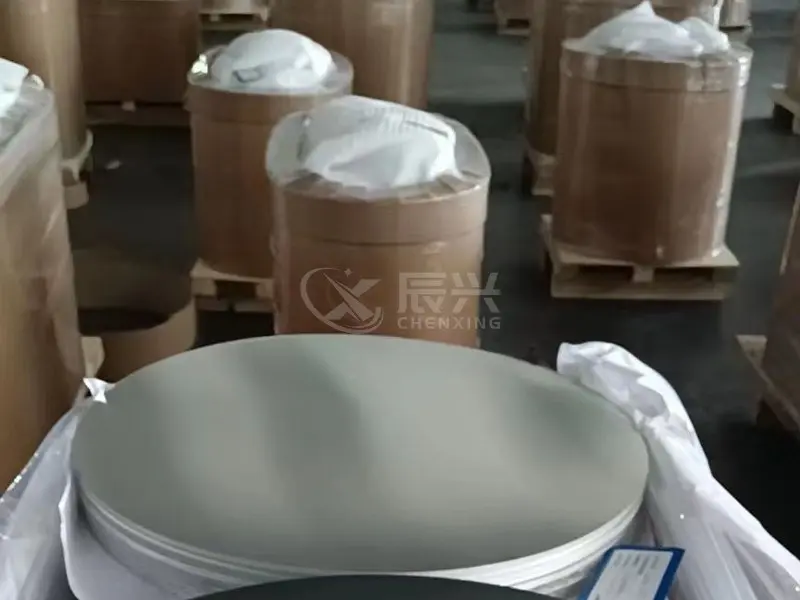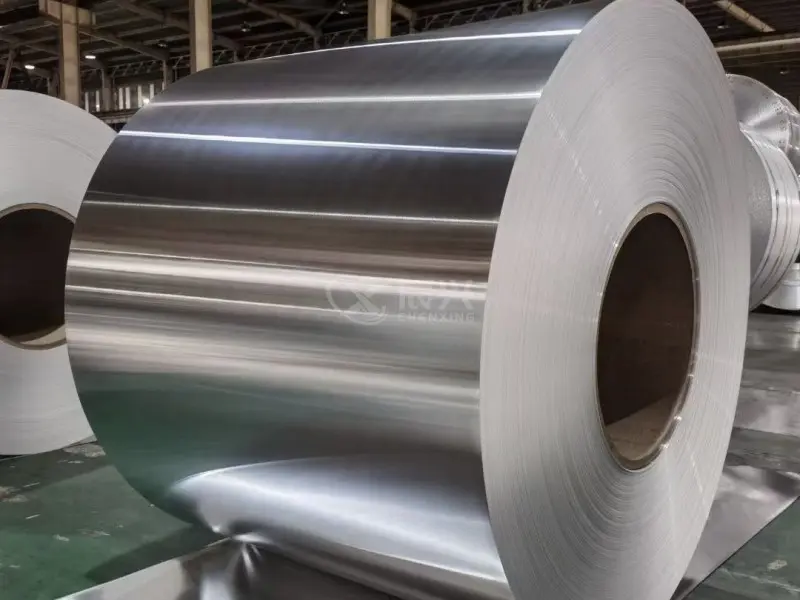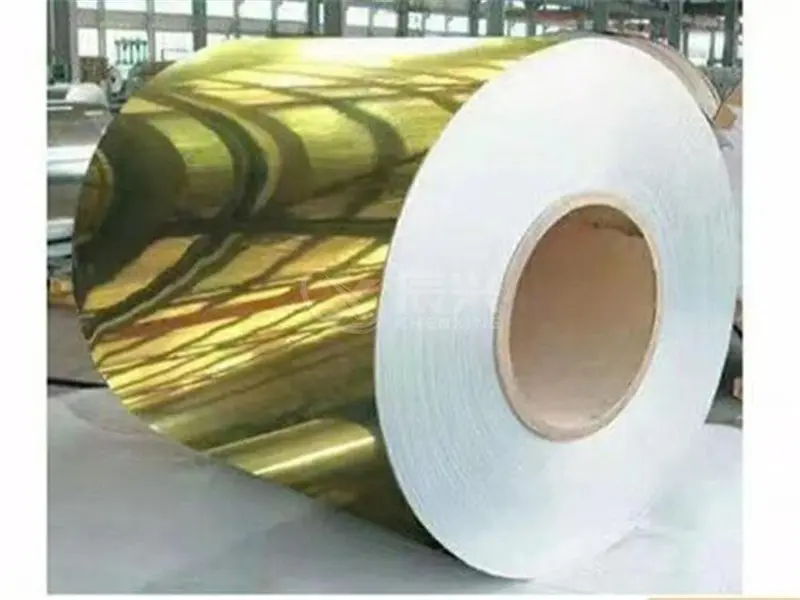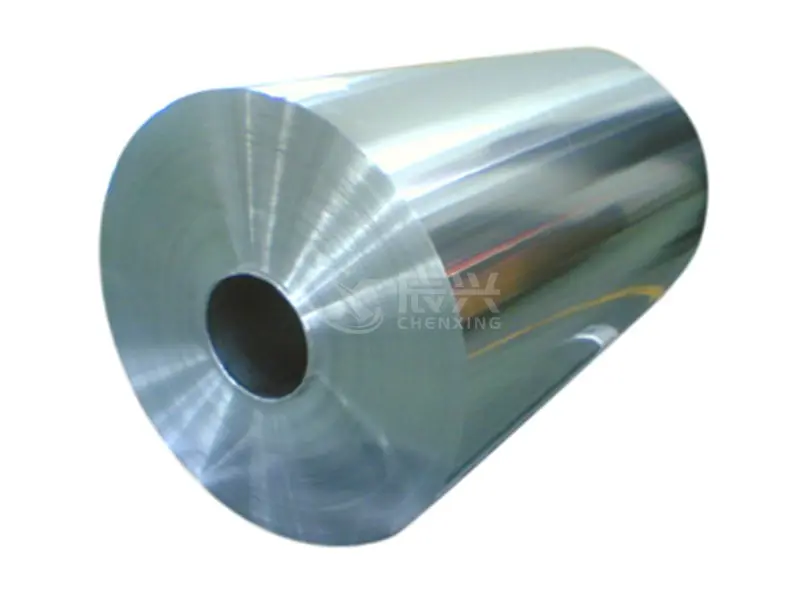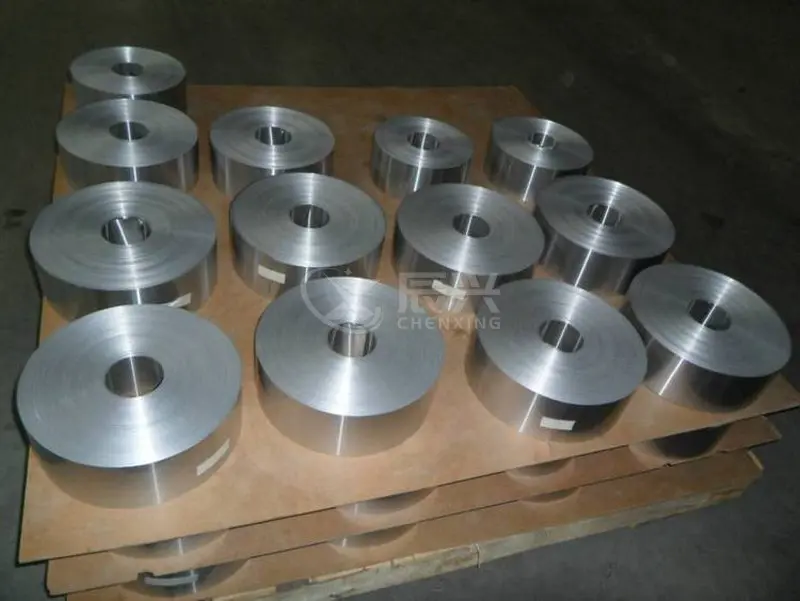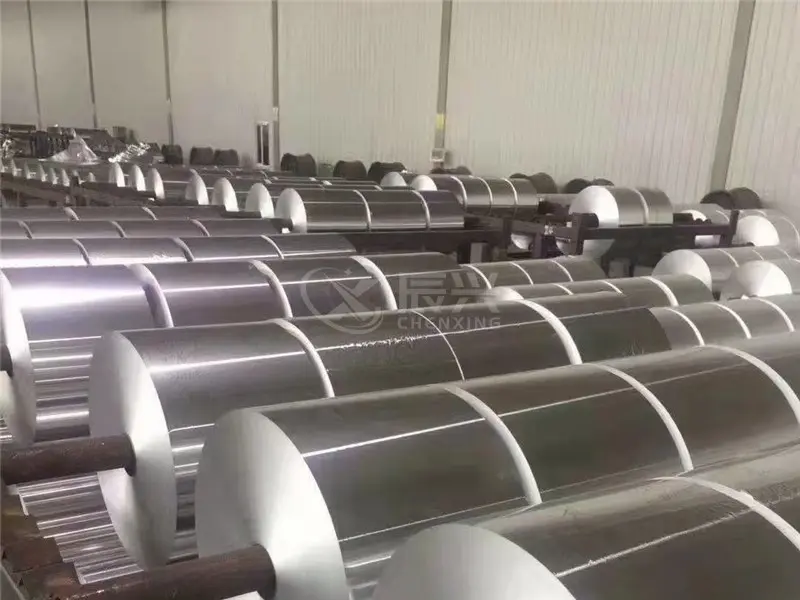
Explore our foundational industrial aluminum solutions, engineered for demanding mechanical and structural systems globally.
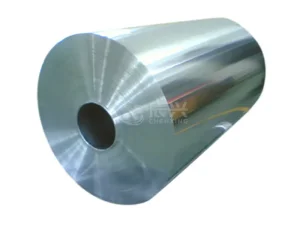
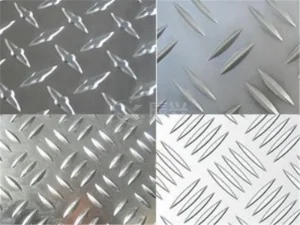
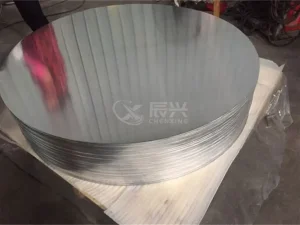
The global demand for industrial aluminum foil rolls has witnessed a structural shift. Modern procurement directors in sectors like HVAC, automotive manufacturing, energy storage, and structural engineering no longer judge manufacturers merely by price per metric ton. Sourcing today requires a technical review of chemical purity, structural consistency, and surface properties. Sourcing from Chinese industrial aluminum foil roll manufacturers involves understanding how raw material pricing (tied closely to SHFE and LME indices) translates into final converted products.
Aluminum foil's high thermal conductivity, low weight, structural barrier integrity, and recyclability make it indispensable. For instance, air conditioning systems rely on precise hydrophilic fin-stock foils (alloys like 8011 or 3003) to maximize convective heat transfer while resisting condensation corrosion. Our manufacturing protocols address these needs directly, integrating dynamic tension leveling and precise thickness tolerance control down to micro-millimeter deviations.
"High-purity aluminum alloys represent the backbone of thermal and electrical insulation. The shift toward electrification requires thin-gauge foils with zero surface residue and minimal pinhole frequency."
Selecting the correct alloy family is critical for B2B supply chain managers. Below is the technical breakdown of the dominant alloys used in our rolling facilities:
| Alloy Family | Common Tempers | Thickness Range (mm) | Primary Industrial Applications |
|---|---|---|---|
| 1xxx Series (e.g., 1050, 1060, 1100) | O, H14, H18, H24 | 0.006 - 0.20 | Capacitor windings, transformer coils, battery current collectors, thermal barriers. |
| 3xxx Series (e.g., 3003) | H14, H18, H22, H24 | 0.015 - 0.20 | Air conditioner heat exchanger fins, evaporator plates, automotive heat shields. |
| 8xxx Series (e.g., 8011, 8079, 8021) | O, H18, H22, H24 | 0.006 - 0.20 | Flexible packaging, food grade containers, pharmaceutical blisters, technical ducting. |
Industrial applications demand strict adherence to mechanical property thresholds. Our high-speed rolling mills utilize automated automatic gauge control (AGC) systems to monitor and adjust thickness variations in real-time, ensuring uniform tensile strength across the entire width of the master roll. Tensile strength and elongation metrics are verified using standard tensile testing procedures (ASTM E8/E8M), protecting clients from downstream tear-outs during high-speed rewinding and converting operations.
Condensers and evaporators rely heavily on thin-gauge aluminum foil fins. Corrosion protection is key, which is why we provide both bare and pre-coated hydrophilic foils. Hydrophilic coatings reduce the water contact angle, preventing droplet bridging between fins, optimizing airflow, and increasing heat exchanger efficiency by up to 15%. Hydrophobic formulations are also available for refrigeration systems operating in sub-zero environments.
As the automotive sector transitions to electric powertrains, battery-grade aluminum foil serves as the cathode current collector. This requires ultra-high mechanical strength in thin gauges (9–15 microns) to withstand the coating tension of active materials. Chemical purity is kept above 99.9% (Alloy 1060/1235) to minimize internal resistance and maximize energy retention. Surface cleaning processes ensure oil-free, dust-free coils that guarantee optimal adhesion of active slurry coatings.
High-frequency data transmission cables and high-voltage power cables use aluminum foil laminated to PET films for electromagnetic interference (EMI) shielding. The aluminum foil acts as a continuous conductive shield. In architectural insulation, foil acts as a vapor barrier, blocking moisture intrusion, reflecting radiant heat, and enhancing thermal efficiency in commercial building envelopes.
Our mills maintain rigorous quality control lines. Pinhole detection systems scan the moving metal web in real-time. Pinhole density is critical for vacuum barrier and high-voltage applications. We run complete degreasing processes to ensure surface oils do not interfere with subsequent lamination, printing, or coating steps.
We supply material that fully complies with global safety and environmental requirements. Certified under ISO 9001 and IATF 16949 (for automotive battery foil supply chains), our materials are tested for compliance with RoHS, REACH, and FDA specifications. Full metallurgical heat traceability reports are issued with every shipment.
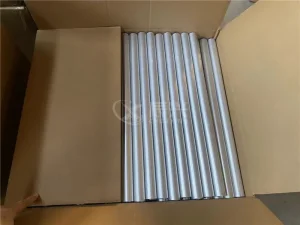
Aluminum foil rolls are sensitive to moisture and mechanical impact during transit. Oxidation can ruin a shipment if moisture is allowed to condensate between the foil wraps. To mitigate this, our logistics department utilizes heavy-duty sea transport packaging protocols:
Leverage decades of metallurgical engineering, quality-driven production processes, and reliable B2B supply lines.
Our engineered aluminum foil materials are designed for critical, high-stress roles across diverse vertical industries.
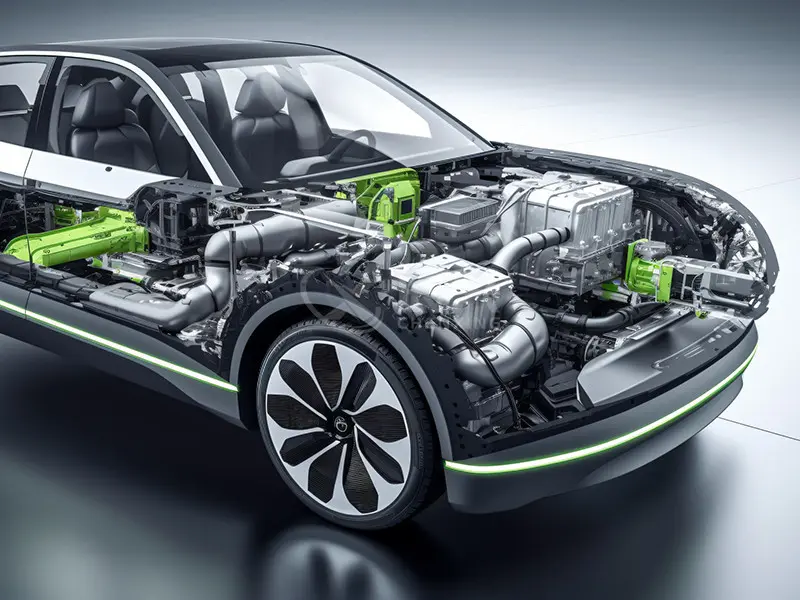
High-integrity components designed for modern heat insulation, structural shielding, and light-weighting components in train systems and commercial vehicle assemblies.
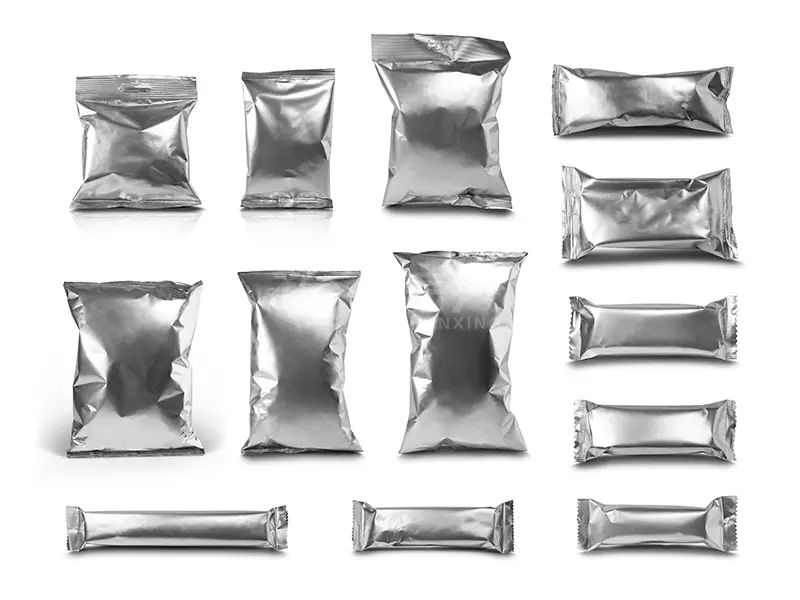
Superior barrier performance protecting consumer and pharmaceutical goods from gas, vapor, light, and contaminants to ensure product longevity.

Reliable electrical conductivity and shielding qualities, serving as components for capacitor structures, cable wraps, and integrated electronics.

High strength-to-weight structural materials, utilizing specific heat-treatment alloys designed for reliability under extreme atmospheric environments.
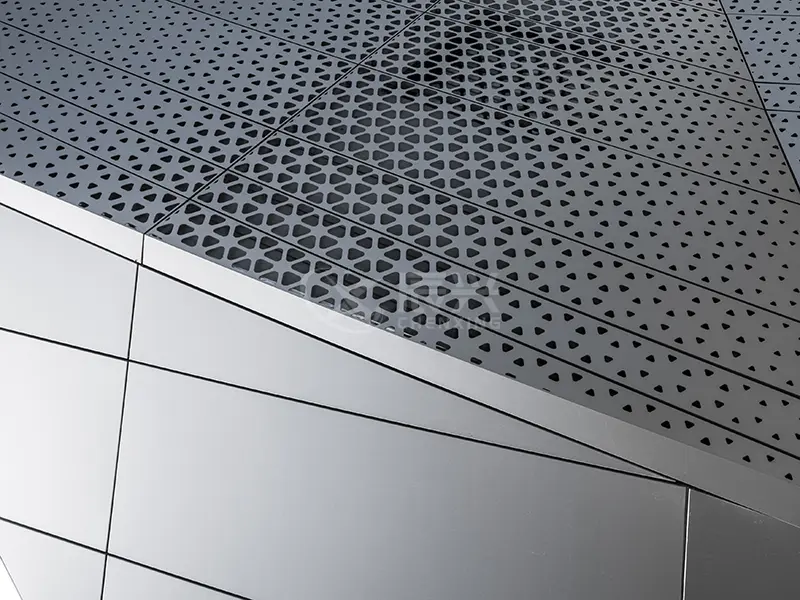
Weatherproof panel systems, cladding base layers, and heat insulation vapor barriers designed to improve energy efficiency in modern building structures.

Reliable components designed for refrigerator evaporators, microwave shield plates, and internal heat management components inside home appliances.
Clear, direct metallurgical answers to help streamline your industrial procurement decisions.
A: Our pricing model follows global standard formulas: Raw Material Base Price (LME/SHFE Market Value) + Processing Fee (Milling Cost). Thin-gauge foils, specialized coatings, and narrow-width slit coils require higher processing passes and yield rates, which increases the processing fee component.
A: Our high-speed rolling lines use inline optical pinhole detectors. Infrared sensor arrays scan the entire width of the foil web during the final rolling stage, immediately identifying any defects down to micron sizes to ensure vacuum barrier properties.
A: Our standard production run MOQ ranges from 3 to 5 metric tons per width/alloy specification. For common standard alloys (like 8011 and 3003) or regular stock runs, we can accommodate smaller trial orders based on our existing production schedule.
A: Hydrophilic coatings lower the surface tension of water, causing condensation to sheet flat along the fins rather than form droplets. This prevents water droplets from clogging airflow paths, improving overall heat transfer efficiency and helping to prevent corrosion.
A: Every melt batch undergoes optical emission spectrometry (OES) analysis before casting. We supply full metallurgical chemical analysis certifications (MTCs) with every shipment, verifying exact compliance with ASTM, EN, or GB standards.
A: We prevent oxidation through multi-layered packaging. Coils are wrapped in plastic barriers containing silica gel desiccant, sealed in heat-shrunk film, and packed into custom wooden crates. This blocks humid sea air from reaching the foil layers.
A: Yes, our slitting lines can divide master rolls into narrow widths down to 10mm. We offer precision tension-controlled slitting with minimal edge burr, maintaining clean cuts for automated downstream operations.
A: Fully annealed foil (O temper) offers the highest elongation and lowest tensile strength, making it ideal for deep drawing. For applications requiring structural rigidity, work-hardened tempers like H14 or H18 are preferred.
A: Our mills use Automatic Gauge Control (AGC) and Automatic Flatness Control (AFC) systems. Hydraulic roll actuators adjust the roll gap in real-time, keeping thickness variations within a ±2% to ±3% tolerance window.
A: Yes. All of our industrial aluminum alloys are produced without hazardous substances, meeting RoHS and REACH environmental standards. Verification documentation is updated annually through independent testing labs.
Get in touch with our engineering team for customized alloy suggestions, dimensional tolerance planning, and up-to-date B2B volume pricing models.
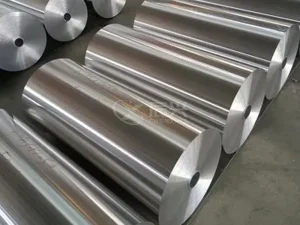
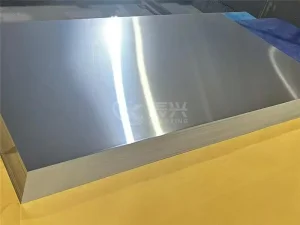
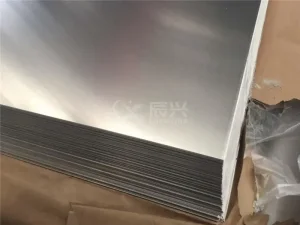
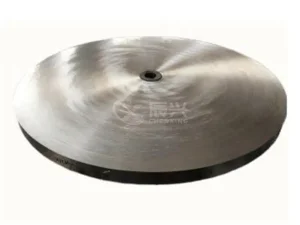
Submit Inquiry NowExplore our core selection of aluminum materials, including precision foil rolls, high-grade coils, and pre-cut circles.
High-durability sheets, foils, and specialized cladding profiles built to withstand harsh industrial and architectural environments.
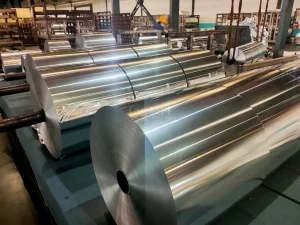
Keep up with global market analyses, trade dynamics, and recent technical achievements in aluminum manufacturing.
Analysis of recent export spikes across major manufacturing hubs, detail changes to our output, and the integration of new continuous casting machinery to meet global demands.
Read More
An in-depth look at energy storage specifications. Explores carbon coating structures, foil purification processes, and the rising demand driven by global electric vehicle production.
Read More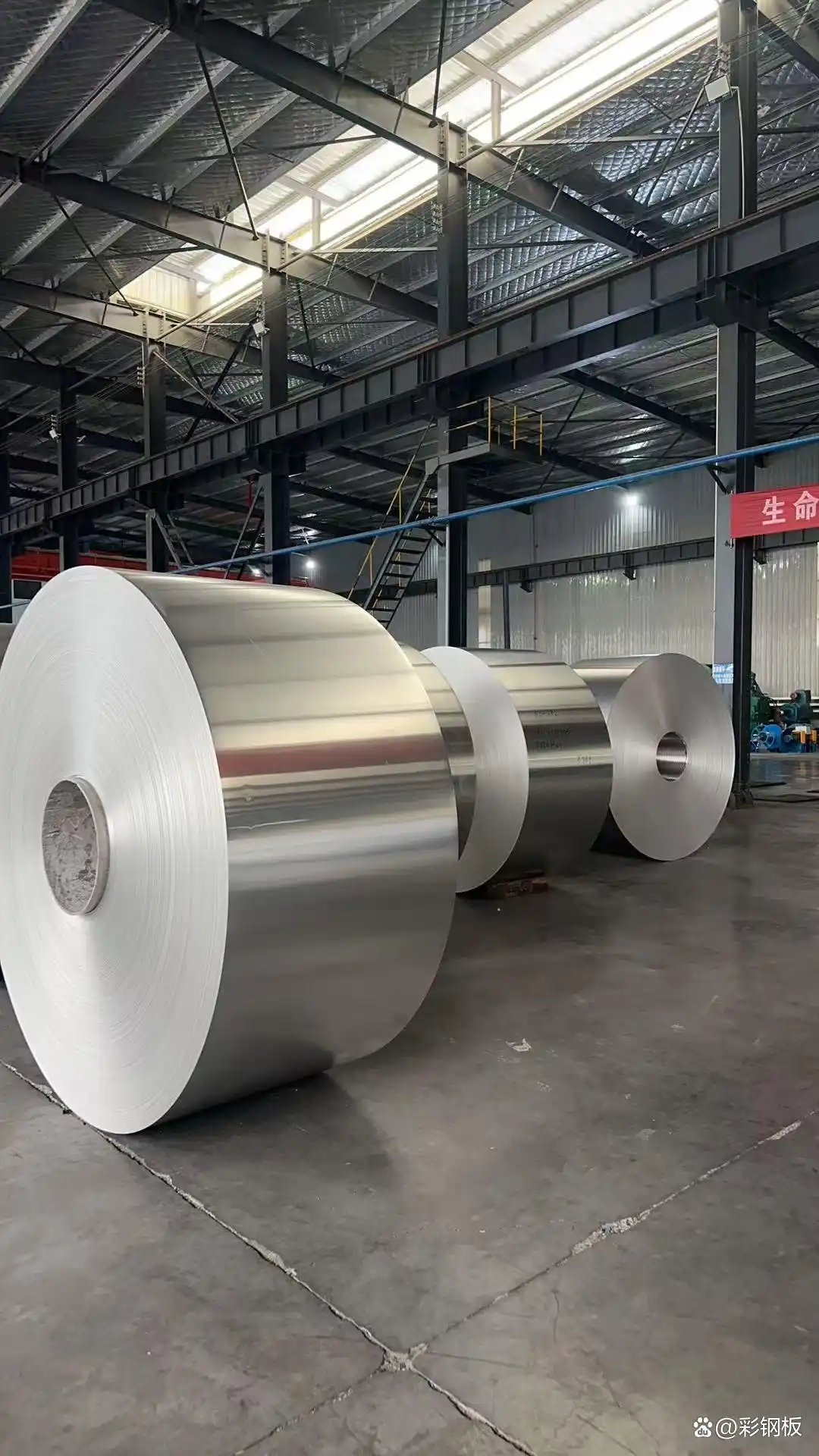
Examines how strict building performance codes are increasing the use of recyclable PVDF-coated aluminum sheets and coils in modern architectural design.
Read More