
Engineered to exact tolerances. Hover to discover technical application pathways.
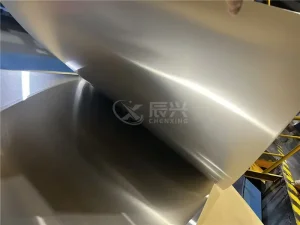
High-drawability manganese alloy optimized for deep ironing, can stock, and outstanding structural corrosion resistance.
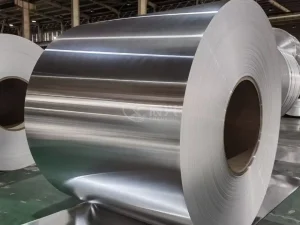
Flexible-tempered coils suitable for stamping, roll-forming, and high-frequency structural welding processing.
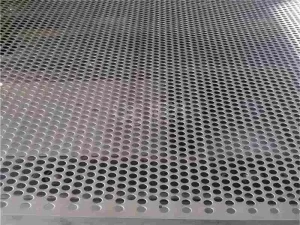
Custom micro and macro CNC perforated panels for architectural screening, acoustics, and filtration matrices.
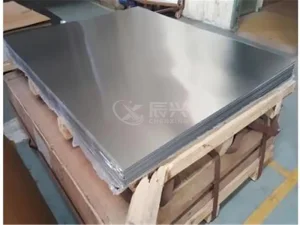
99.5% minimum purity alloy providing superior thermal and electrical conductivity, widely utilized in chemical processing.
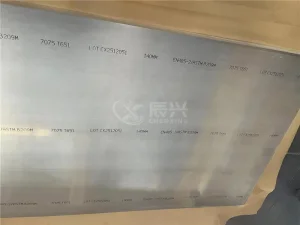
High structural integrity plates engineered for heavy industrial tooling, marine decks, and aerospace components.
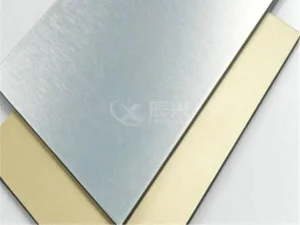
Electrochemical protective oxide finish yielding superior surface hardness, weatherability, and UV degradation resistance.
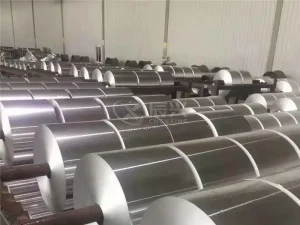
Zero-porosity barrier foil optimized for blister packaging. Prevents degradation from humidity, oxygen, and UV light.
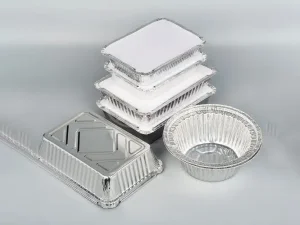
Hygienic, deep-drawn stackable storage units offering thermal stability across extreme packaging temperature profiles.
An in-depth analysis of metallurgical innovation, manufacturing developments, and supply chain strategies in the Chinese aluminum sector.
In modern applications such as battery electrode substrate coils and transformer windings, the quality of the aluminum metal strip's slit edge is paramount. Traditional slitting mechanisms generate micro-burrs and edge deformation that cause electrical shorts or mechanical failures. High-end Chinese manufacturers have responded by implementing multi-stage, computer-controlled slitting lines integrated with laser telemetry.
By optimizing blade clearance, blade pressure, and strip tension dynamically, modern slitting processes maintain burr heights under 10 micrometers (μm). This geometric control prevents insulation piercing in transformer foils and micro-cracking in automotive-grade structural components during cold-forming processes.
Under the pressure of carbon border adjustments (such as the EU's CBAM) and global Scope 3 emissions reductions, leading manufacturers in China are moving toward green manufacturing frameworks. This transformation involves replacing primary ingot inputs with secondary (scrap) materials, using continuous casting technology to bypass energy-intensive hot-rolling phases.
Modern 3104 and 3003 alloy configurations are being designed to accept up to 85% closed-loop aluminum scrap without sacrificing tensile or elongation profiles. The integration of advanced electromagnetic sorting, pyro-metallurgical purification, and strict melt analysis ensures that impurities like iron (Fe) and silicon (Si) are maintained within narrow tolerances.
| Alloy Group | Standard Temper | Tensile Strength (MPa) | Yield Strength (MPa) | Elongation (%) | Primary Applications |
|---|---|---|---|---|---|
| 1050 / 1100 | O, H14, H18 | 75 - 145 | 35 - 120 | ≥ 5 - 35 | Transformer coils, capacitors, chemical tubing, heat shields. |
| 3003 / 3104 | H14, H24, H19 | 110 - 290 | 40 - 250 | ≥ 2 - 20 | Beverage can stock, heat exchangers, automotive heat shielding. |
| 5052 / 5754 | O, H32, H38 | 190 - 300 | 80 - 240 | ≥ 4 - 25 | Marine structures, fuel lines, electronic chassis, aerospace fairings. |
| 8011 | O, H18, H22 | 80 - 165 | 45 - 130 | ≥ 3 - 25 | Pharmaceutical packaging, flexible ducting, air conditioner fins. |
Decades of metallurgical expertise backed by comprehensive QA protocols and global delivery capabilities.


Tailored aluminum strip and coil solutions designed for global industrial applications.
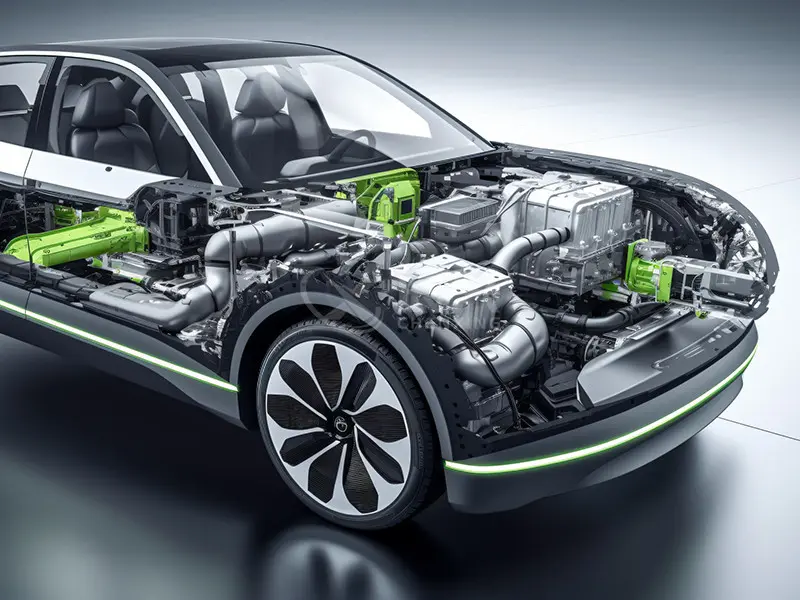
High-strength 5xxx series alloys engineered for commercial vehicle panels, rail car structures, and structural crash barriers, reducing vehicle mass and fuel emissions.
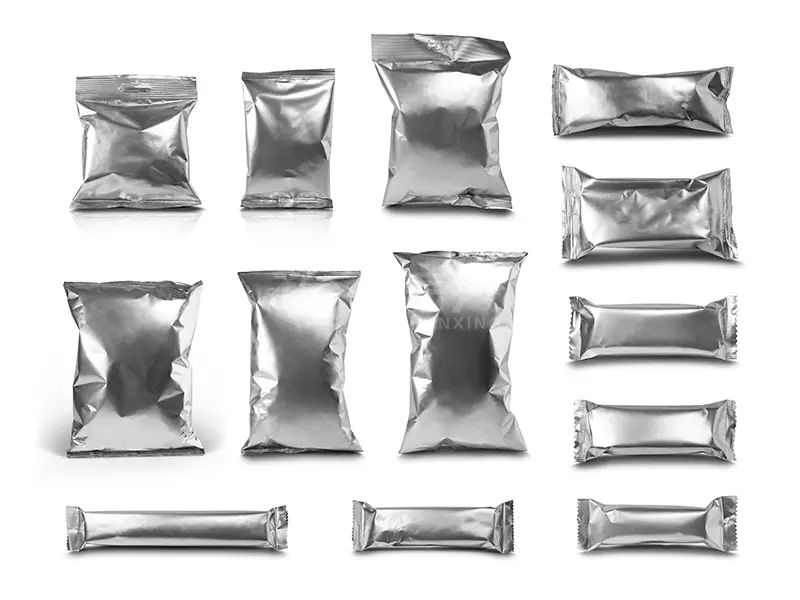
Ultra-thin, zero-porosity foils for food processing, sterile pharmaceutical barrier packaging, and chemical containment applications, certified to global hygiene standards.

High-conductivity 1xxx series transformer strips, capacitor casings, heat sinks, and shielding panels that resist high-frequency electromagnetic interference.

Specialty high-yield alloys optimized for weight minimization, skin panels, cabin structural parts, and extreme high-altitude environment endurance.
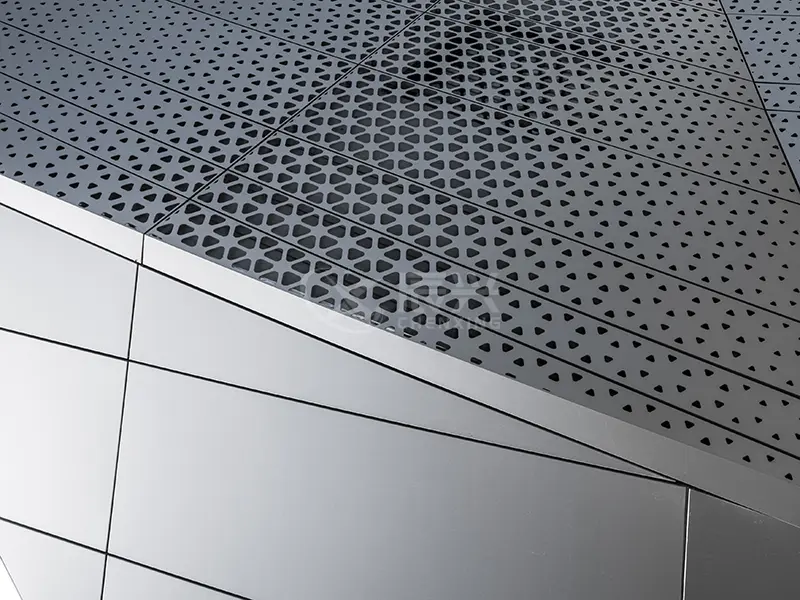
Prefinished, PVDF-coated, and anodized aluminum coils designed for standing-seam roofing, architectural cladding facades, and structural rainwater systems.

Combines aesthetics and utility with brushed, mirror, and fingerprint-resistant coatings for refrigerator panels, oven wraps, and washing machine drum structures.
When sourcing aluminum metal strips from manufacturers, engineers and purchasing agents must define geometric, mechanical, and surface parameters to ensure downstream production compatibility:
China is a leading global supplier of aluminum semi-finished products due to its integrated industrial clusters. The close proximity of primary smelters, secondary recyclers, cold-rolling mills, and deep-slitting operations minimizes inter-process transportation times and production costs.
This industrial organization allows Chinese manufacturers to offer customized width slitting, multi-alloy combinations, and rapid tooling adjustments. This enables shorter lead times compared to regions with fragmented material refining and finishing systems.
Connect with our engineering specialists. Receive customized structural drawings, material certifications, and pricing options within 24 hours.
Submit Now / Request ConsultationInsights on raw material pricing, decarbonization, and technical advancements.
Analysis of rising demand for high-strength aluminum strips in infrastructure projects and transportation electrification.
More news →
Understanding critical requirements for anode and cathode current collectors in energy storage applications.
More news →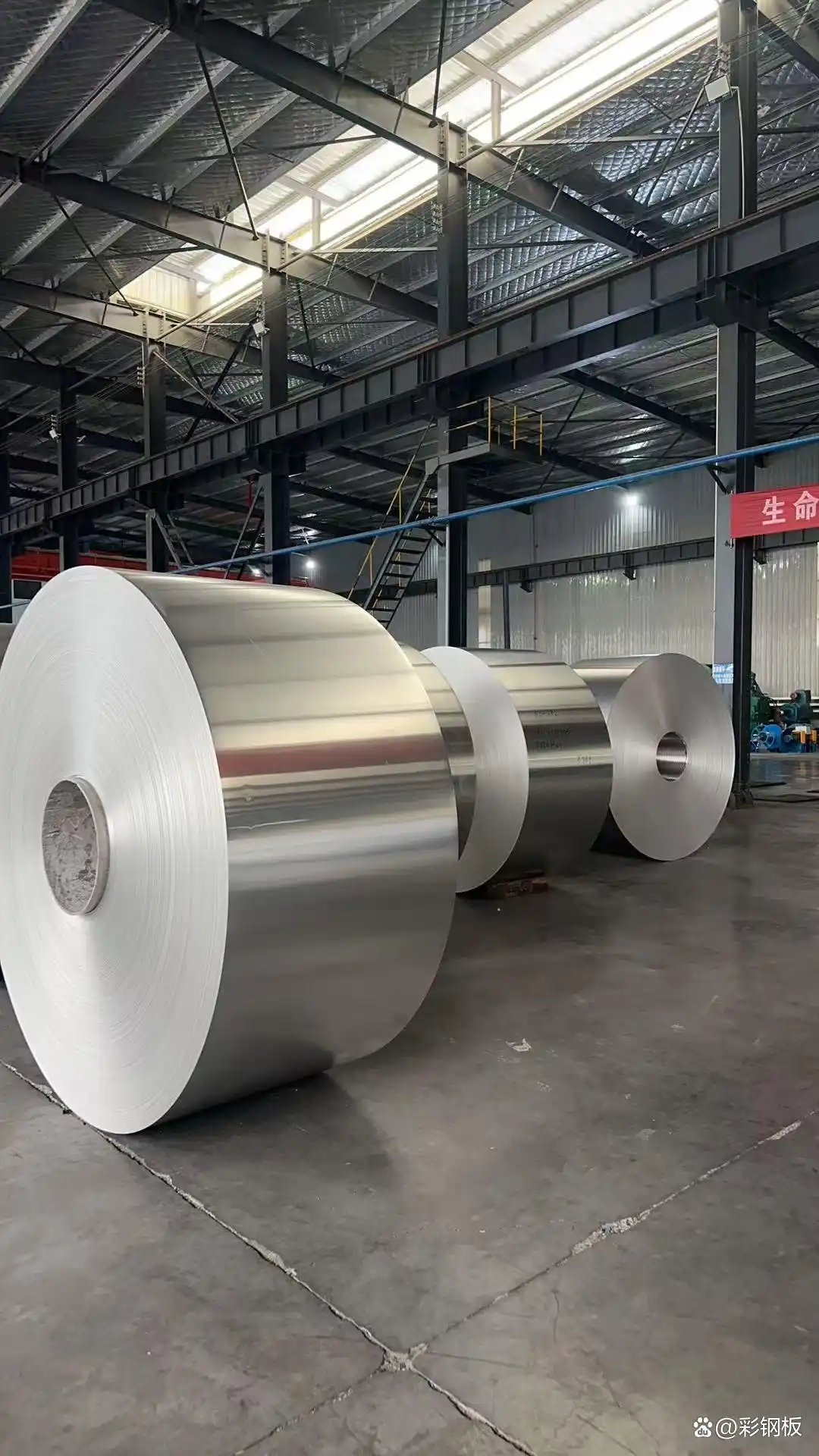
How downstream carbon limits are accelerating low-emission manufacturing and closed-loop scrap recycling initiatives.
More news →Detailed metallurgical and logistical answers to support industrial procurement decisions.
Direct Chill (DC) casting begins with a large slab, followed by homogenization, hot rolling, and cold rolling, resulting in a refined grain structure. It is ideal for deep-drawing alloys (e.g., 3104 H19) that require isotropic elongation properties. Continuous Casting (CC) bypasses hot rolling by directly forming molten metal into a strip, offering a cost-effective solution for standard applications like flashing, ductwork, and structural siding.
Highly refined 1xxx series alloys (such as 1050 and 1100) are preferred for electrical applications, offering a minimum of 61% IACS (International Annealed Copper Standard) conductivity. For chemical storage or offshore environments, the addition of magnesium in 5xxx alloys (like 5052 or 5754) provides a protective oxide layer that resists chloride-induced pitting and alkaline corrosion.
Unprotected aluminum is susceptible to water condensation, which can lead to rapid oxidation and staining. Export packaging protocols include wrapping coils in waterproof plastic, surrounding them with desiccant packs, and encasing them in reinforced wooden crates. Coils can be shipped with their eye axis horizontal ("eye to wall") or vertical ("eye to sky") depending on the handling equipment at the destination facility.
Industrial procurement teams should require mill test certificates confirming compliance with ASTM B209, EN 485, or GB/T 3880 standards. For specialized applications, search for ISO 9001 quality management, IATF 16949 for automotive components, and RoHS/REACH compliance certifications for packaging and electronics.
Continuing our selection of high-performance components, including custom finishes and specialized foils.
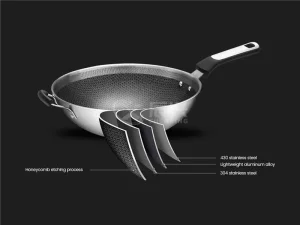
High-conductivity multi-metal composite discs engineered for commercial induction cookware applications.
Foil pre-coated with protective polymers or custom colors, suitable for heat-sealable packaging lids.
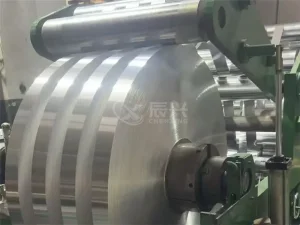
Precision-slit strip coils engineered for longitudinal welding in composite plumbing and gas pipelines.
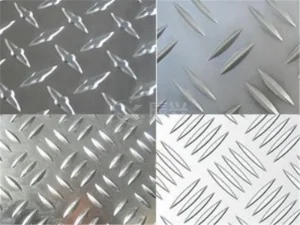
Textured stucco-finish panels designed to distribute light, reduce glare, and reinforce structural rigidity.
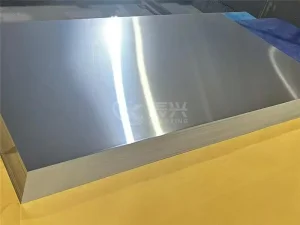
Highly ductile, pure aluminum sheet suited for intricate metal forming, welding, and heat shielding.
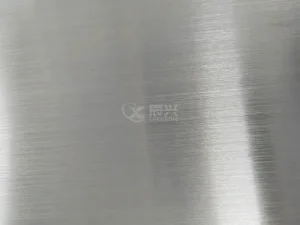
Premium directional surface finish designed for architectural column wraps, elevators, and modern electronics.
Optimized 1100 grade material offering reliable service in highly corrosive industrial air-handling systems.
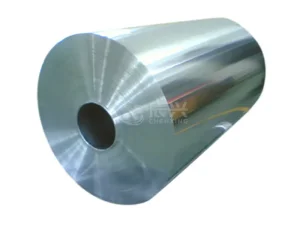
High-thermal-conductivity foil designed for HVAC heat-exchanger fins, optimizing thermal exchange efficiency.