
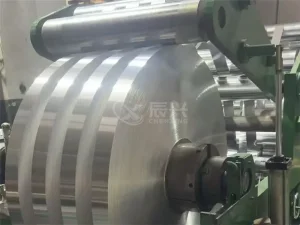
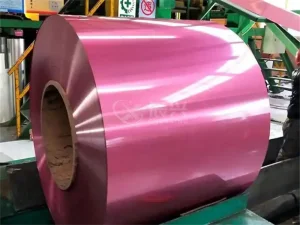


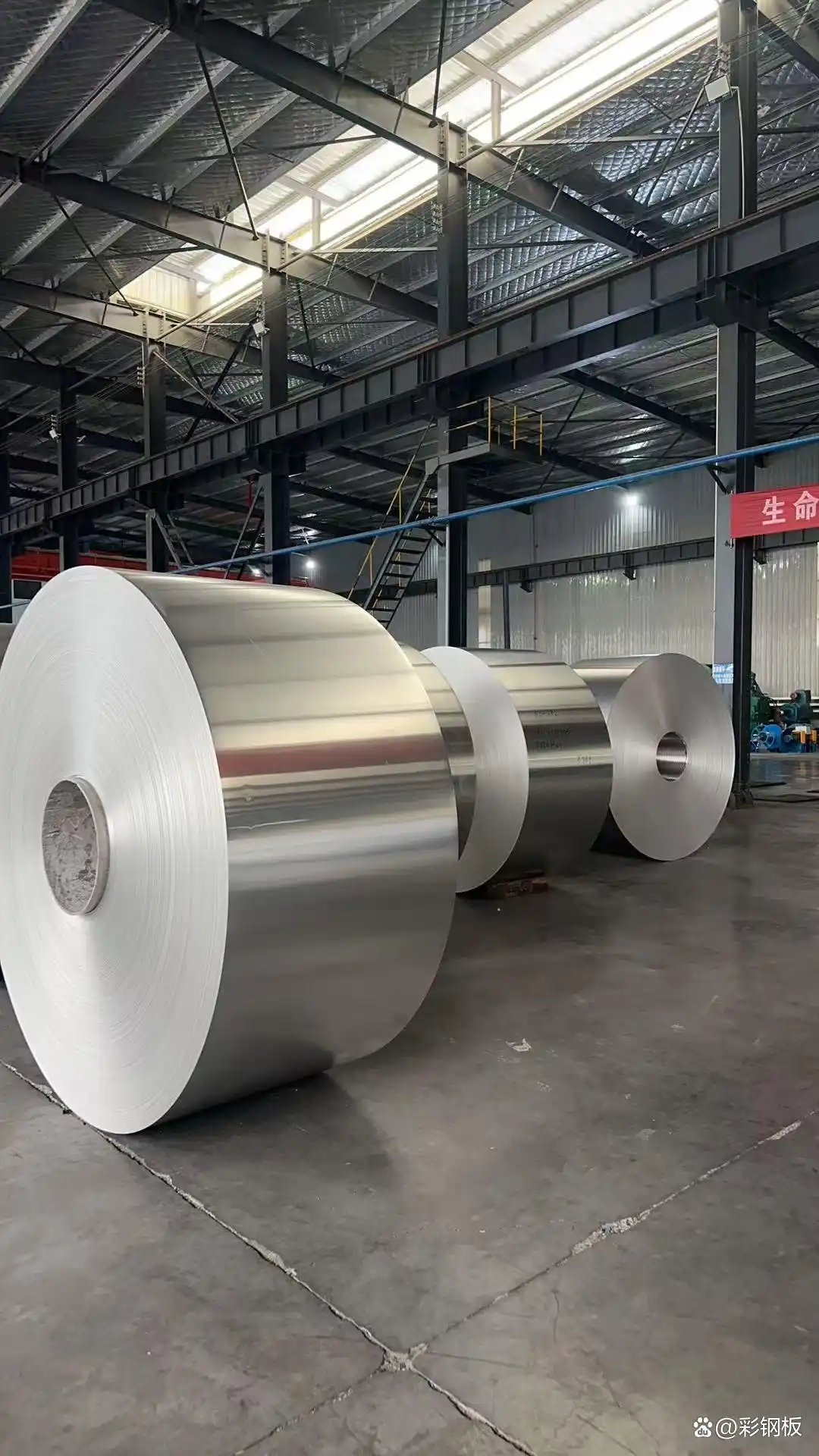
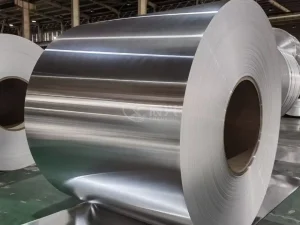
As a premier China Aluminum Coil Roll Manufacturer & Company, we occupy the intersection of advanced material science and high-capacity manufacturing. The global market demands more than just standard specifications; it requires tailored mechanical properties, precise grain refinement, and strict alloy purity. Standard aluminum rolls serve diverse environments, but engineering optimizations determine their survival under mechanical fatigue, ambient chemical exposures, and thermal loads.
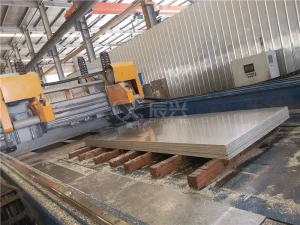
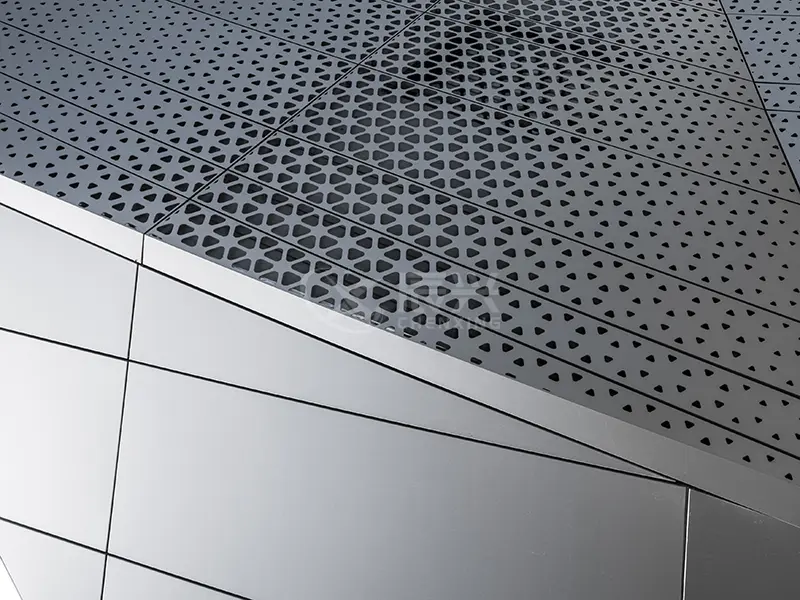
Our manufacturing lines leverage both Direct Chill (DC) casting and Continuous Casting (CC) pathways. The DC pathway yields a fine, homogeneous metallurgical structure optimal for severe drawing and structural anodizing, common in automotive paneling and architectural facades. Conversely, the CC route offers exceptional cost efficiency and rapid cycle times for building materials, standard ducting, and industrial insulation rolls.
| Alloy Series | Primary Elements | Key Characteristics | Industrial Applications |
|---|---|---|---|
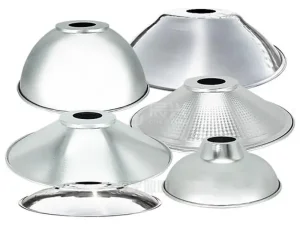
| 1xxx Series (e.g., 1050, 1060) | Al ≥ 99.5% | Outstanding electrical conductivity, extreme ductility, supreme corrosion resistance. | Transformers, capacitor cases, lighting reflectors, chemical equipment. |
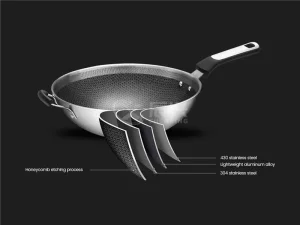
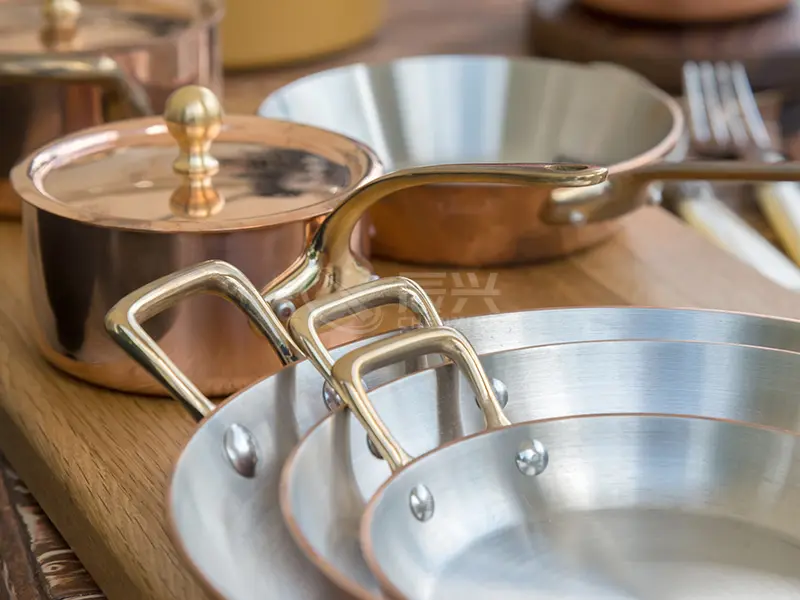
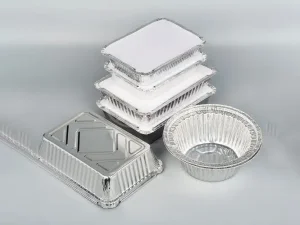
| 3xxx Series (e.g., 3003, 3105) | Manganese (Mn) | Moderate strength (approx 20% stronger than 1xxx), excellent formability. | Cookware, heat exchangers, HVAC evaporators, roofing sheets. |
| 5xxx Series (e.g., 5052, 5083) | Magnesium (Mg) | High tensile strength, marine environment corrosion resistance, exceptional weldability. | Marine hulls, pressure vessels, transportation fuel tanks, LNG storage. |
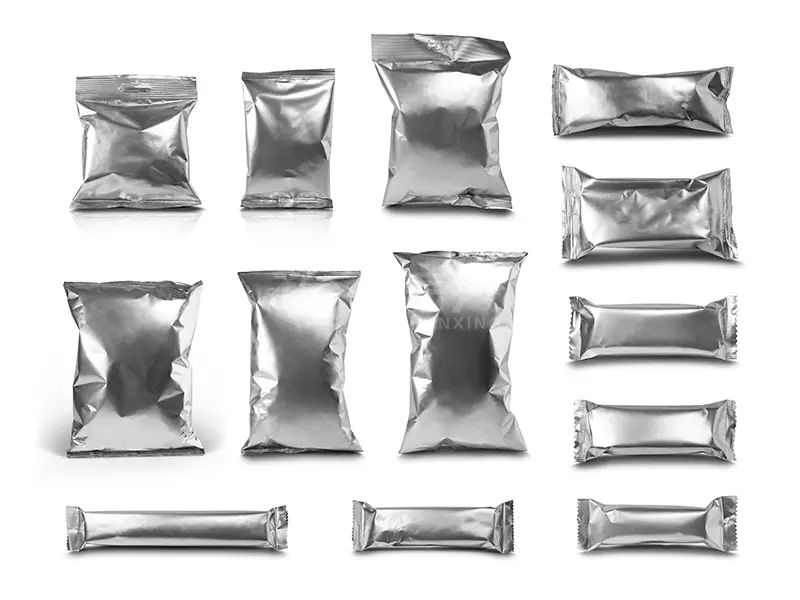
| 8xxx Series (e.g., 8011) | Iron / Silicon (Fe/Si) | High puncture resistance, superb thin-gauge rollability, barrier properties. | PEX/PERT composite pipe lining, pharmaceutical foil packaging. |
Achieving target tolerances in coil thickness (down to ±0.01 mm) requires advanced Automatic Gauge Control (AGC) systems. Dynamic roll bending and multi-zone cooling systems compensate for mill deflection during high-speed rolling. This ensures flatness across the entire strip width, eliminating common defects like wavy edges or center buckles.
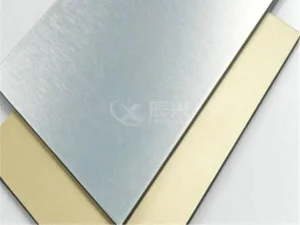
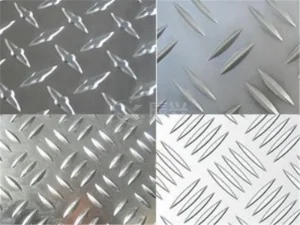
Surface topography is controlled via electrostatic oiling and specific roll textures. For cosmetic applications, we offer Brushed, Embossed, and Mirror-finished options. Anodizing quality coils undergo continuous degreasing and cleaning loops to ensure no rolling oils remain trapped in the subsurface layer, guaranteeing color consistency after chemical treatments.
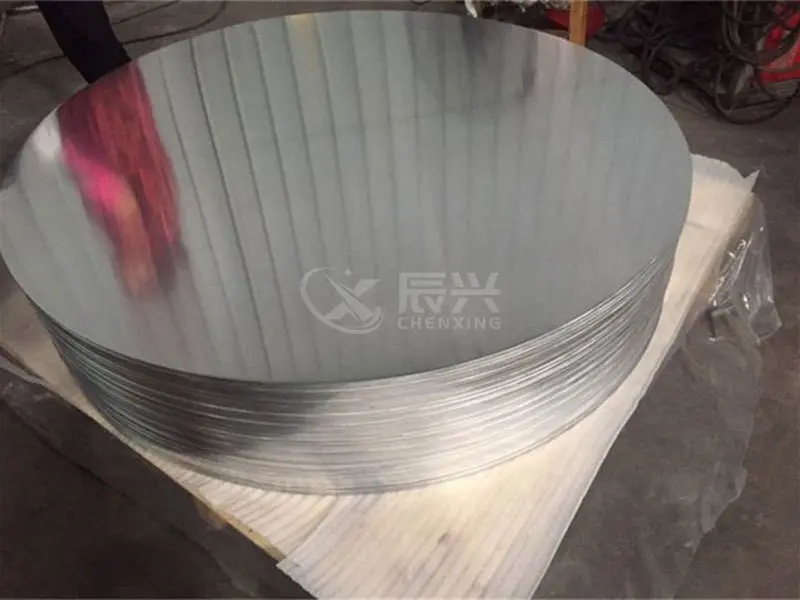
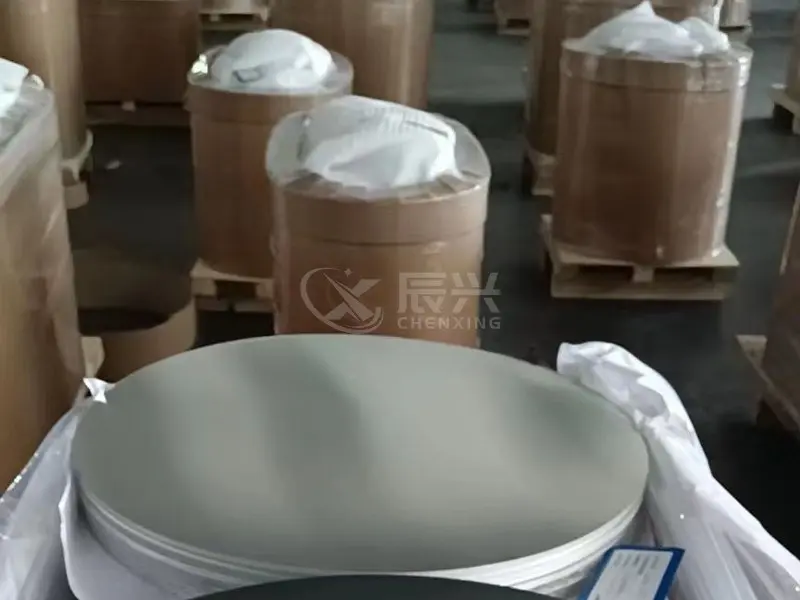
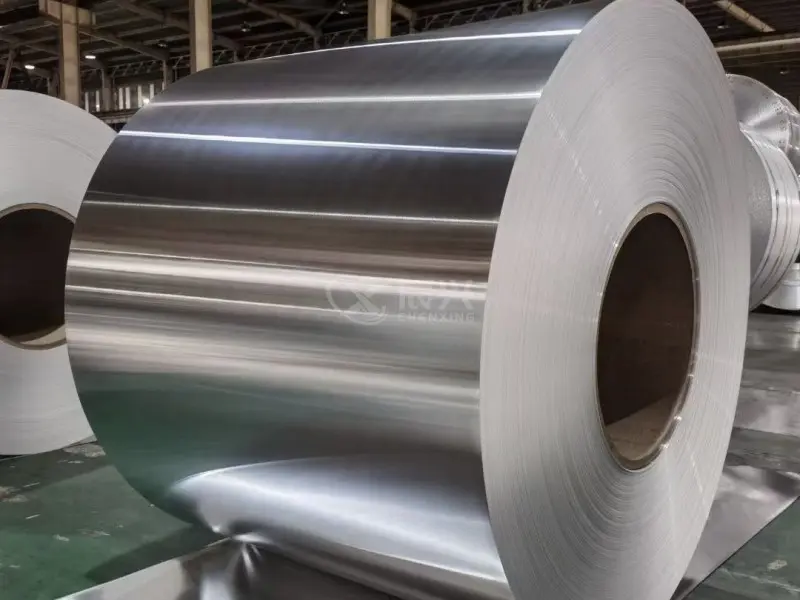
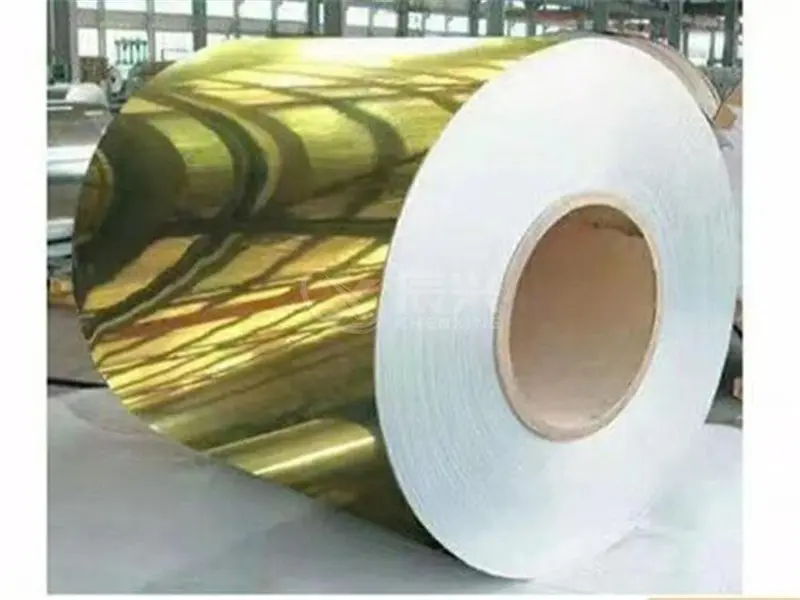
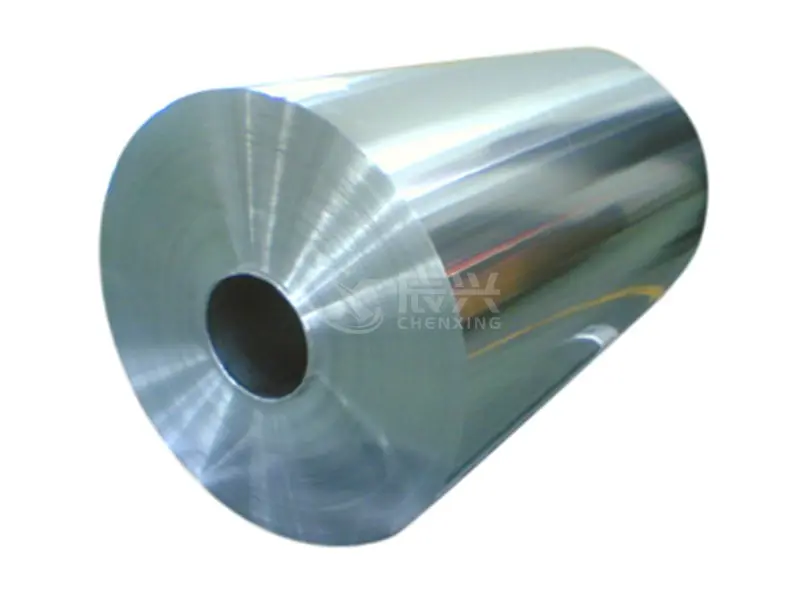
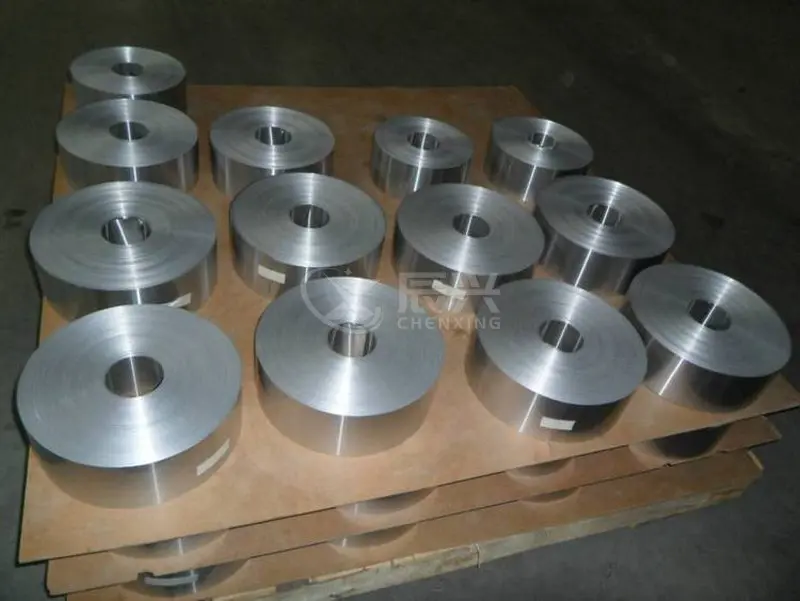
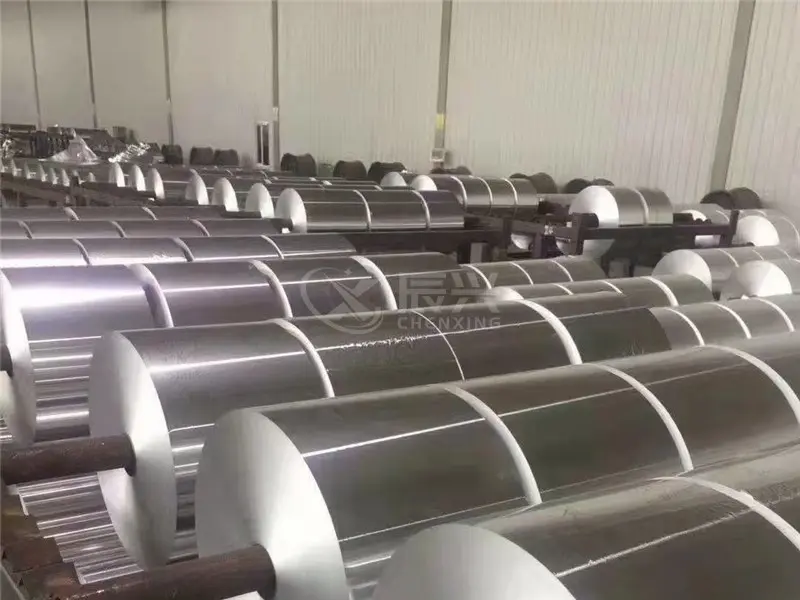
Modern industrial sourcing relies on predictable quality and delivery. Our manufacturing hubs utilize IoT-enabled rolling mills, automated guided vehicles (AGVs), and smart warehouse systems to digitize production from raw ingot stage to finished master coils.
By integrating ERP systems with physical shop-floor assets, we track metallurgical parameters in real time. We record heating logs, cooling curves, rolling speeds, and tensions for every coil roll produced. This digital thread enables instant generation of Mill Test Certificates (MTC) traceble to specific raw material heats, satisfying key requirements of industries like automotive and aerospace.
To insulate global clients from shipping delays, our factories maintain strategic alliances with rail operators and bulk shipping lines in Eastern and Southern China ports. This dual-port strategy helps bypass local port congestion, securing stable delivery windows even during peak freight seasons.
The next decade of aluminum roll manufacturing will be defined by ultra-thin gauge processing and hydrogen-fired reheat furnaces. As a forward-thinking China Aluminum Coil Roll Manufacturer & Company, our R&D team targets three primary domains:
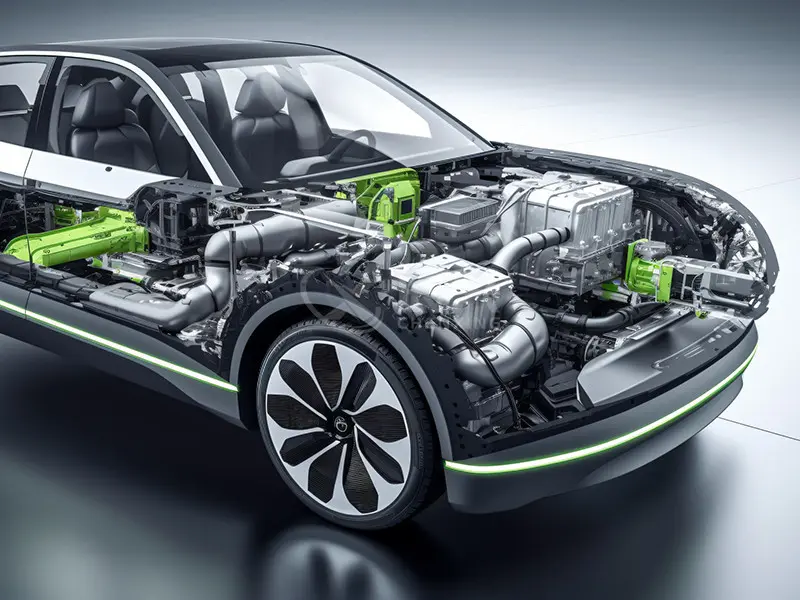


For global procurement leads, managing an aluminum supply chain requires balancing raw material price volatility, quality certifications, and environmental targets.
LME (London Metal Exchange) and SHFE (Shanghai Futures Exchange) price fluctuations directly affect purchasing budgets. We offer customized pricing structures, including spot pricing, LME-linked formula pricing, and forward pricing schemes. These mechanisms allow procurement teams to lock in metal premiums months ahead, stabilizing production budgets against sudden market movements.
As regulatory frameworks like Europe’s Carbon Border Adjustment Mechanism (CBAM) take effect, auditing the carbon intensity of imported materials is critical. We prioritize sourcing low-carbon primary aluminum produced with hydro-electric power in Southwest China. This approach helps reduce the embedded carbon footprint of our aluminum coil rolls to under 4.0 tons of CO₂ equivalent per ton of aluminum, compared to the coal-reliant industry average of 12.0 tons.
Our mills maintain ISO 9001 (Quality Management), ISO 14001 (Environmental Management), and ISO 45001 (Occupational Health) certifications. We undergo regular, independent third-party audits to verify that our working conditions, emission levels, and chemical handling comply with international standards.
For inquiries about metallurgical specifications, pricing formulas, or request for samples, please submit your inquiry below. Our engineering team responds within 24 hours.
Submit Inquiry Now