Direct factory supply of certified commercial, structural, and battery-grade aluminum products manufactured under ISO 9001 and IATF 16949 international quality frameworks.
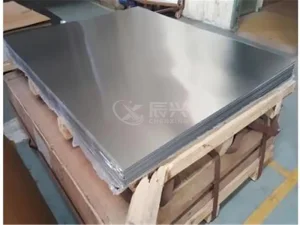
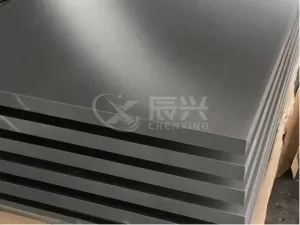
The global metal supply chain relies heavily on high-precision processing capabilities originating in China's industrial zones. As a premier China aluminum and metal company and factory, we leverage local integration to guarantee consistent mechanical performance, raw material traceability, and competitive pricing. The fundamental advantages of procuring metal directly from Chinese production clusters are rooted in structural efficiency, rapid technology adoption, and extensive vertical integration.
“Information Gain for Procurement Officers: True product reliability is not just about chemical composition compliance. It requires precise grain structure control and low hydrogen content. Our vacuum degassing processes limit hydrogen levels to under 0.12ml/100g, preventing internal micro-cracks and material fatigue.”
Different industrial applications require specific microstructural properties. The table below details the target alloys manufactured at our facility, detailing their mechanical characteristics and ideal application profiles:
| Alloy Series | Primary Alloying Elements | Tensile Strength (MPa) | Elongation (%) | Key Industrial Applications |
|---|---|---|---|---|
| 1xxx (e.g., 1050) | Pure Aluminum (≥99.5%) | 75 - 115 | ≥25 | Chemical equipment, conductive busbars, deep-drawing utensils, capacitors. |
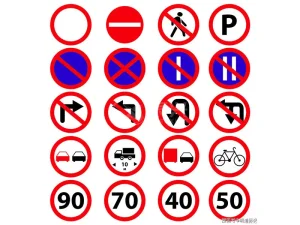
| 3xxx (e.g., 3003) | Manganese (Mn) | 110 - 160 | ≥20 | Power battery shells, HVAC heat exchangers, automotive heat shields, road signage. |
| 5xxx (e.g., 5754) | Magnesium (Mg) | 190 - 240 | ≥18 | Marine structures, chemical pressure vessels, structural automotive framing. |
| 7xxx (e.g., 7075) | Zinc (Zn) & Magnesium (Mg) | 540 - 620 | ≥11 | Aerospace structural components, high-stress defense equipment, precision CNC molds. |
| 8xxx (e.g., 8011) | Iron (Fe) & Silicon (Si) | 85 - 110 | ≥15 | Pharmaceutical blister packaging, high-density household foils, air conditioner fins. |
We tailor our products to meet the unique mechanical demands of key international markets, offering customized solutions for several core sectors:
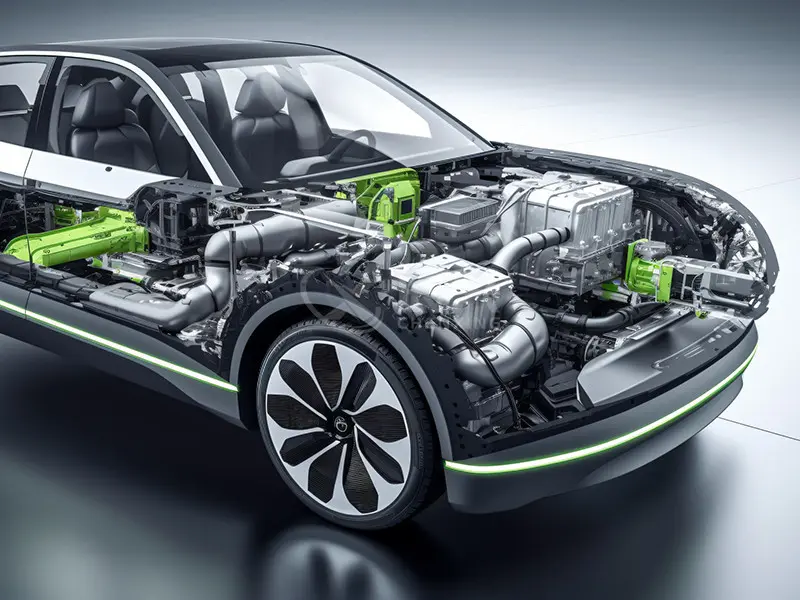


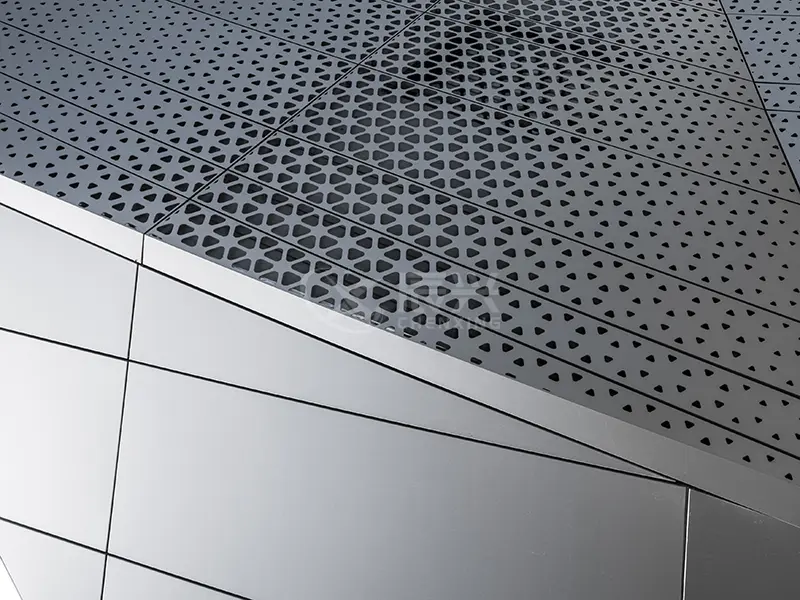

The global metal supply chain is changing rapidly, driven by strict regulatory requirements, carbon taxes, and volatile shipping costs. Industrial buyers must understand these key trends to keep their supply lines secure and cost-efficient.
Under international programs like the European Union's Carbon Border Adjustment Mechanism (CBAM) and US clean air standards, metal suppliers are under pressure to reduce their carbon footprint. We address this by investing in energy-saving smelting techniques and recycled scrap processing. Our green initiatives focus on using renewable energy to power our mills and increasing the share of secondary (recycled) aluminum in our 3xxx and 5xxx series products. This helps international buyers lower their Scope 3 greenhouse gas emissions without compromising mechanical performance.
Modern applications demand premium aesthetics alongside physical durability. Through chemical brightening, electrochemical anodizing, and multi-layer PVDF painting lines, we produce metal surfaces that resist salt spray corrosion for over 1,000 hours. Our continuous coil coating lines ensure uniform paint film thickness, which prevents color fading or peeling in harsh marine and industrial environments.
“Supplier Audit Insight: When evaluating a Chinese manufacturing partner, verify their waste gas treatment and closed-loop water filtration systems. Complete environmental compliance is the best way to prevent regulatory factory shutdowns and keep your delivery schedules on track.”
Lithium-ion batteries and medical blister packs require extremely high purity. In our specialized clean rooms, we maintain strict control over dust and airborne contaminants. This prevents microscopic metallic particles from embedding in our battery-grade foils, minimizing the risk of internal short circuits in electric vehicle battery packs.
Our metallurgy team will analyze your project specifications, alloy choices, and quality standards to prepare a competitive quote tailored to your exact manufacturing requirements.
Get answers to common technical and logistical questions asked by global procurement managers during the sourcing process:
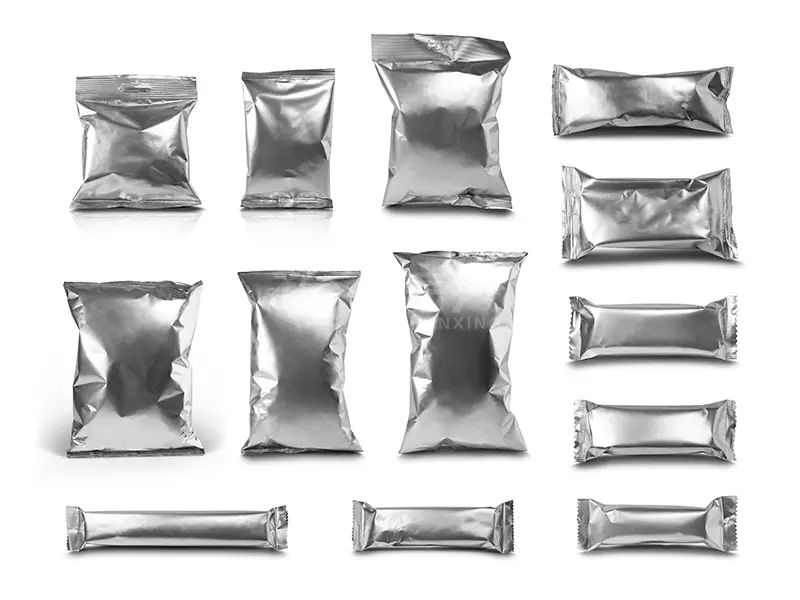
High-barrier packaging materials, technical foils, and specialized metal shapes manufactured on high-speed rolling lines to meet strict industrial specifications.