
As the global manufacturing footprint transitions rapidly toward lightweight design, structural efficiency, and high corrosion resistance, the selection of the right aluminum alloy components is critical. China's top aluminum alloy plate companies lead the global market in providing high-tensile, precisely rolled, and thermal-treated semi-finished aluminum sheets, plates, coils, and circles.
Leveraging state-of-the-art hot rolling mills, tension levelers, and strict structural quality metrics aligned with international standards (ASTM B209, EN 485, and IATF 16949), our manufacturing ecosystem supplies key sectors. From aerospace structures and marine bulkheads to heat-exchanger foil systems and electronic components, we offer unmatched performance, robust lead times, and comprehensive material certification.
Every single batch of aluminum plate undergoes ultrasonic testing, tensile strain calibration, and comprehensive intergranular corrosion checks to guarantee zero failure rates in high-stress operational environments.
Explore our top-performing primary alloys, precision circular blanks, and specialized heat exchanger foils.
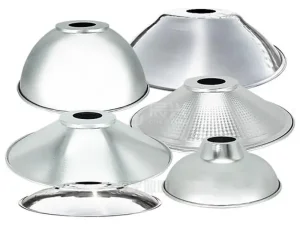
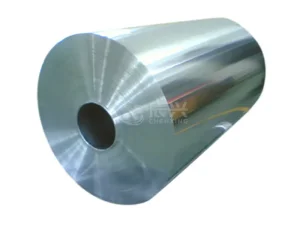
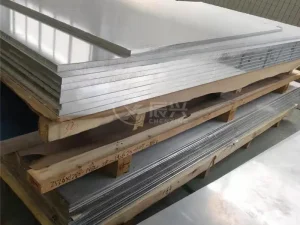
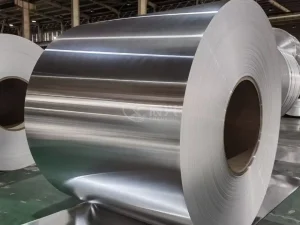
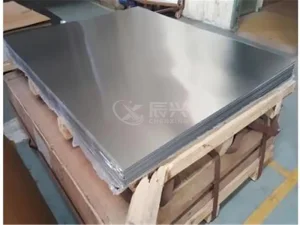
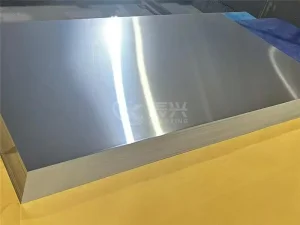
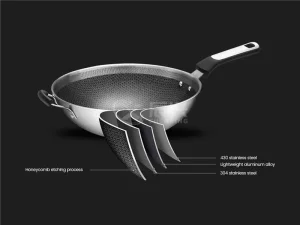
How integrated smelting, continuous casting, and automated heat treatment provide consistent metallurgical properties.
By coupling primary bauxite refining directly with multi-axis sheet casting processes, our partner mills reduce secondary thermal overhead. This directly lowers costs while maintaining low hydrogen gas content during solidification.
We deploy Direct-Chill (DC) casting to minimize grain segregation. The resulting billets yield ultra-homogeneous properties after rolling, which prevents structural directional variance during high-stress forming.
Every plate is labeled with a discrete tracking code, logging the cast number, heat-treatment logs, gas content analytics, and mechanical testing profiles. This offers deep transparency for critical industrial operations.
A comparative evaluation of standard series processed by leading Chinese producers for global procurement planning.
| Alloy Series | Primary Elements | Key Performance Strengths | Typical B2B Application Spheres |
|---|---|---|---|
| 1xxx Series (e.g., 1050, 1100) | Pure Aluminum (99.0%+) | Superior electrical conductivity, excellent ductility, high surface reflectivity. | Chemical processing systems, lighting components, deep-draw containers. |
| 3xxx Series (e.g., 3003) | Manganese (Mn) | Moderate structural strength, exceptional formability, excellent weldability. | Automotive heat exchangers, HVAC systems, food prep cookware bases. |
| 5xxx Series (e.g., 5754, 5083) | Magnesium (Mg) | High resistance to marine oxidation, good structural fatigue resistance. | Shipbuilding, pressure vessels, vehicle body panels, structural tanks. |
| 6xxx Series (e.g., 6061, 6082) | Silicon & Magnesium | Highly versatile, heat-treatable, robust structural resilience, clean extrudability. | Structural framing, truck trailers, precision architectural framing. |
| 7xxx Series (e.g., 7075) | Zinc (Zn) | Ultra-high yield stress, exceptional strength-to-weight ratio. | Aerospace structural bulkheads, high-stress military gear, performance tool and mold blocks. |
Tailoring rolling tolerances, mechanical tempering, and surface finishes to meet dynamic operational challenges.
High-magnesium 5xxx series alloys (such as 5083 and 5754) form the foundation of marine hulls, deck cabins, and superstructures. The addition of manganese creates a robust oxide barrier, protecting structures against saltwater pitting and stress-corrosion cracking.
For electronic heat sinks and lithium battery packs, thermal control is paramount. Pure 1050 and 1060 series foils and sheets deliver optimal heat dissipation. Their high formability allows for intricate folding and casing without structural cracks.
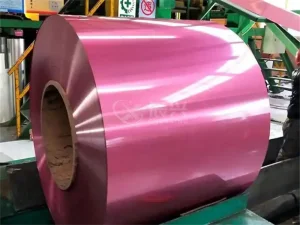
Pre-painted polyester-coated and mirror-polished aluminum plates are key materials in modern construction. They offer weather resistance, thermal stability, and light-weighting solutions for curtain walls, roofing structures, and energy-efficient building envelopes.
Key innovations driving lighter, stronger, and more sustainable alloy configurations.
The manufacturing landscape for aluminum alloy plates is undergoing a major technological shift. Top producers are prioritizing three main development areas:
Key checkpoints to ensure order compliance, safe transit, and high yields at your facility.
Our mills maintain strict thickness and flatness control using automated AGC (Automatic Gauge Control) rolling systems. Flatness tolerances can be controlled down to 1-2mm/m, preventing issues during CNC milling or automated stamping.
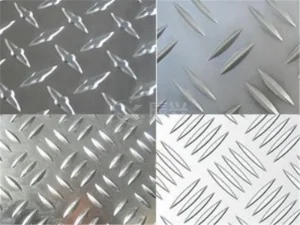
To keep aluminum sheets clean, we offer PE protective film masking, double-paper interleaving, and tailored finishes (anodized, brushed, mirror, or embossed). These prevent surface abrasion and scratches during transit.
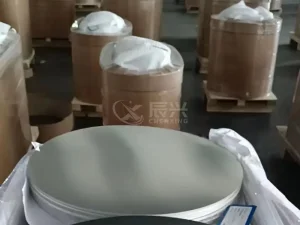
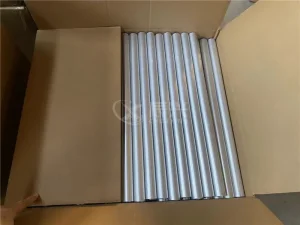
All bulk materials are secured on reinforced wooden pallets, wrapped in water-resistant plastic barriers, and fortified with silica-gel desiccant packs. This prevents moisture ingress and oxidative corrosion during long sea transit.
Building supply-chain confidence with comprehensive testing and international certification.
Operating in highly regulated markets like North America, Europe, and Asia-Pacific requires strict adherence to international standards. Our manufacturing lines hold certifications including ISO 9001:2015, IATF 16949 (for automotive applications), and EN 485, alongside full compliance with RoHS and REACH standards.
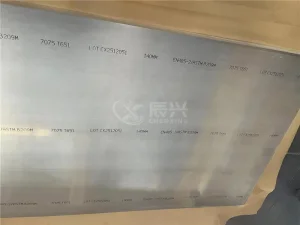
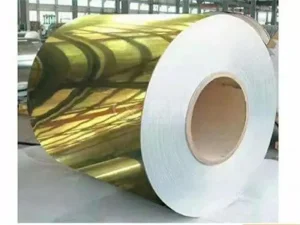
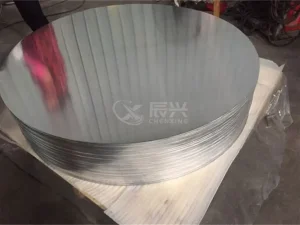
View our secondary B2B selection featuring structural plates, specialized coils, and surface-finished sheets.
Key logistical and technical questions answered by our engineering and export departments.
For standard dimension plates (e.g., 1000x2000mm or 1220x2440mm in common tempers like H14, H24, or T6), stock shipments can clear our port within 7 to 10 days. Custom-rolling runs requiring specific chemical compositions or precise thickness configurations typically require a lead time of 20 to 30 days, depending on mill schedules.
Every shipment is accompanied by a full Mill Test Certificate (MTC) conforming to EN 10204 3.1. This certificate documents chemical composition (ICP analysis), mechanical properties (yield strength, tensile strength, elongation), ultrasonic testing results (ASTM A388/A388M where applicable), and traceability codes.
For highly aesthetic or anodized quality sheets (such as mirror-finish, brushed, or coated varieties), we utilize high-density PE film (typically 50 to 100 microns thick) on the primary face. We can also provide double-paper interleaving to prevent friction and static build-up during long-distance transportation.
Generally, the standard MOQ for custom production runs is 3 to 5 metric tons per alloy and thickness. For in-stock items, we can accommodate smaller trial orders. However, utilizing a full 20ft FCL container (approximately 20-22 tons payload capacity) yields the most cost-effective shipping rate per ton.
Submit your detailed dimensional tolerances, alloy specifications, and quantity requirements. Our engineering team will deliver a comprehensive commercial proposal within 24 hours.