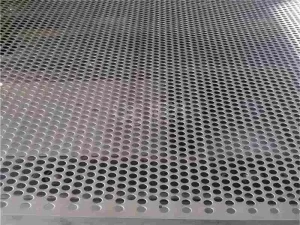
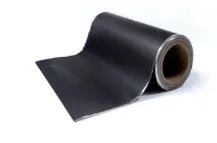
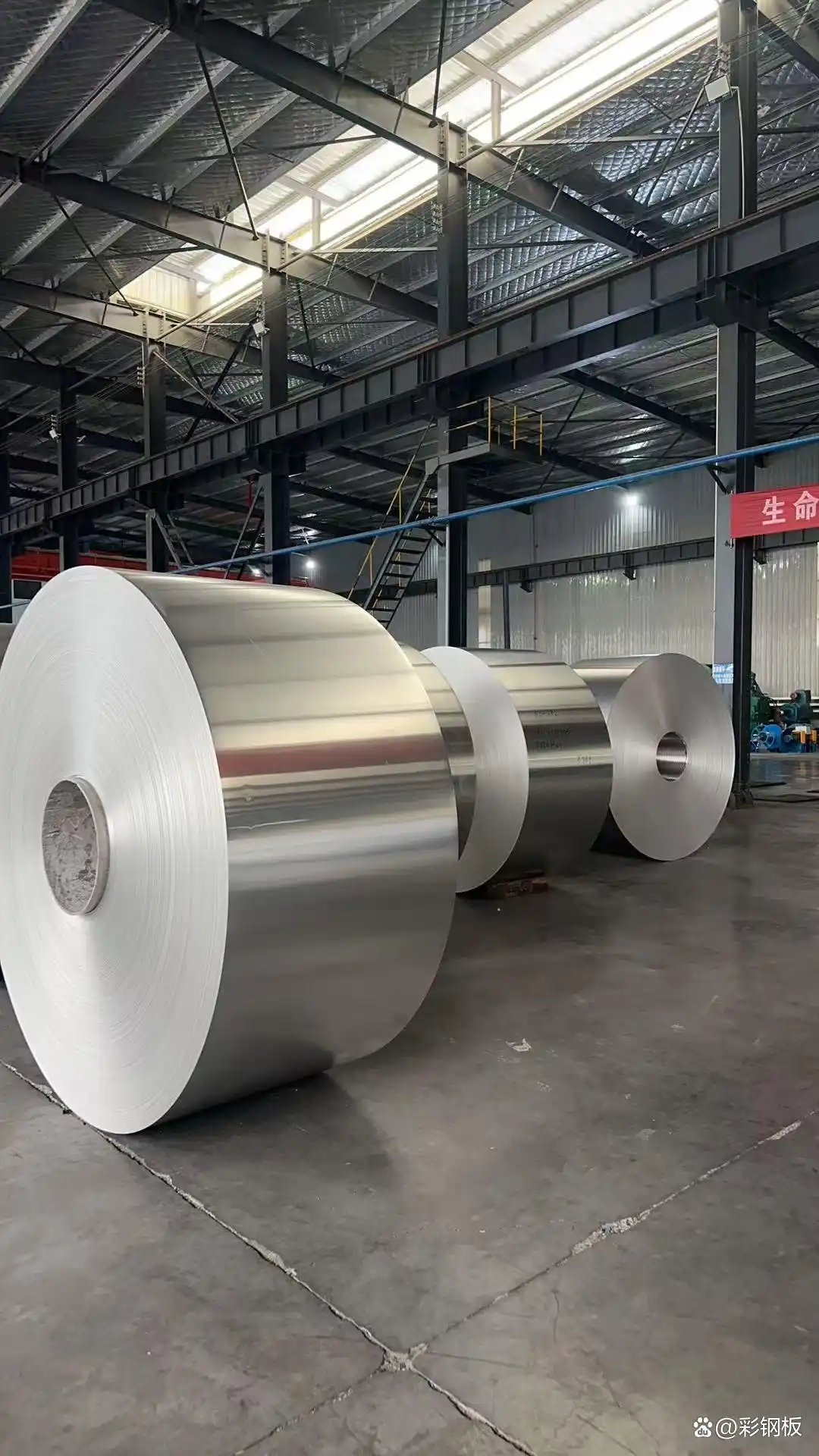
Direct from our state-of-the-art cold & hot rolling mills. Fully certified for high stress, corrosion-resistant, and structural loads.
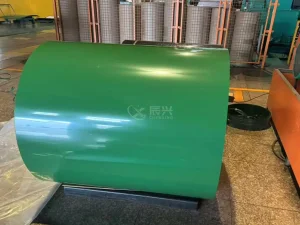
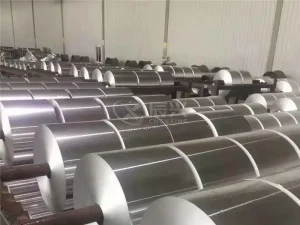
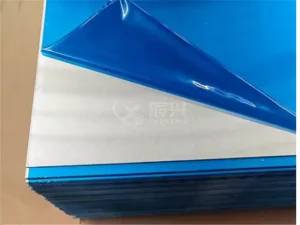
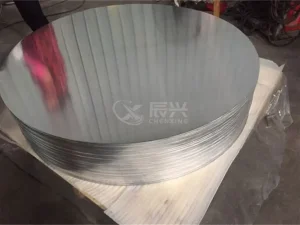
Decades of engineering excellence backed by strict metallurgical testing, customized dimensions, and seamless cross-border shipping.


Aluminium tread plates, commonly known as checker plates or durbar plates, represent one of the most critical structural components in modern civil engineering, commercial transportation, logistics, and marine infrastructure. These materials are engineered to solve three major industrial dilemmas: slip prevention, atmospheric corrosion, and excessive structural weight. By shifting from heavy steel tread plates to lightweight, rust-proof aluminium alloys (specifically our premium 3xxx, 5xxx, and 6xxx series), global operators can achieve a drastic reduction in structural weight while enhancing load-bearing safety margins.
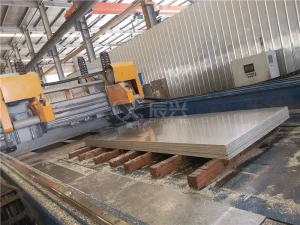
The global demand for high-strength aluminum floor plates has witnessed a compounding growth rate over the last decade. This surge is predominantly driven by stricter emissions regulations in the automotive sector (which necessitate lightweighting commercial delivery vans, electric vehicles, and heavy-duty logistics fleets) and expanded investments in cold-chain logistics warehouses. As leading manufacturers, our facility is equipped with automated tension levelers and precision roll-pattern embossing mills, producing highly sought-after 5-bar, 3-bar, and diamond patterns that comply directly with international standards (ASTM B209, EN 485, and GB/T 3880).
Our aluminum floor plates reduce the tare weight of dry vans and commercial transport boxes by up to 40% compared to traditional steel plates. This translates directly to increased fuel efficiency, larger payload capacity, and lower operational carbon footprints.
Constructed from high-grade marine alloys (such as 5083 and 5754), our tread plates are highly resistant to saline mist and chemical washes, ensuring structural integrity on oil rigs, yachts, and harbor access docks.
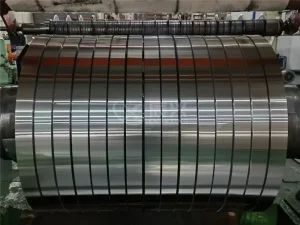
Our structural aluminum profiles are processed through state-of-the-art cold rolling mills, ensuring consistent gauge, precise flat tolerances, and sharp, clean pattern definitions.
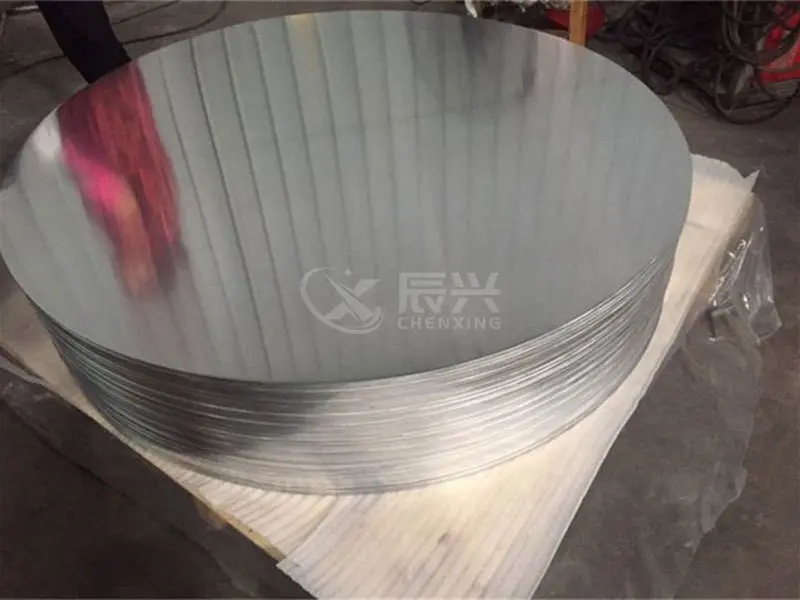
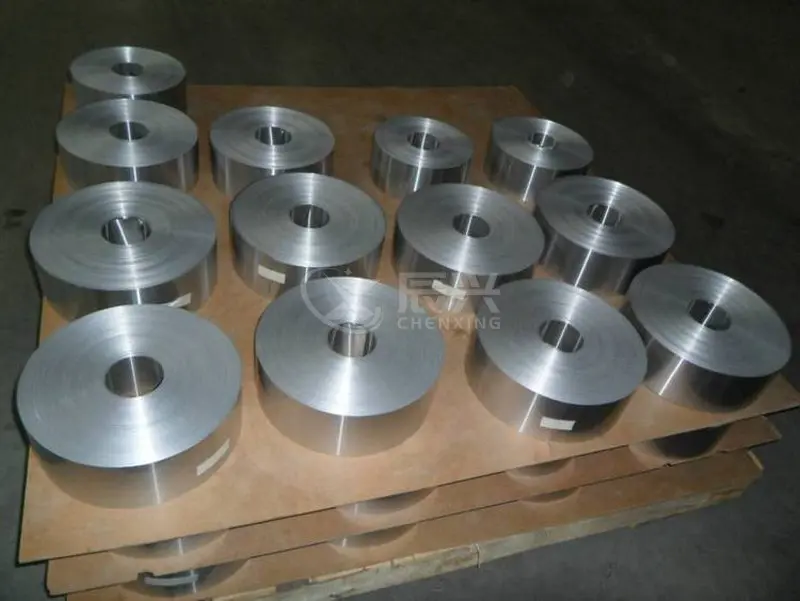
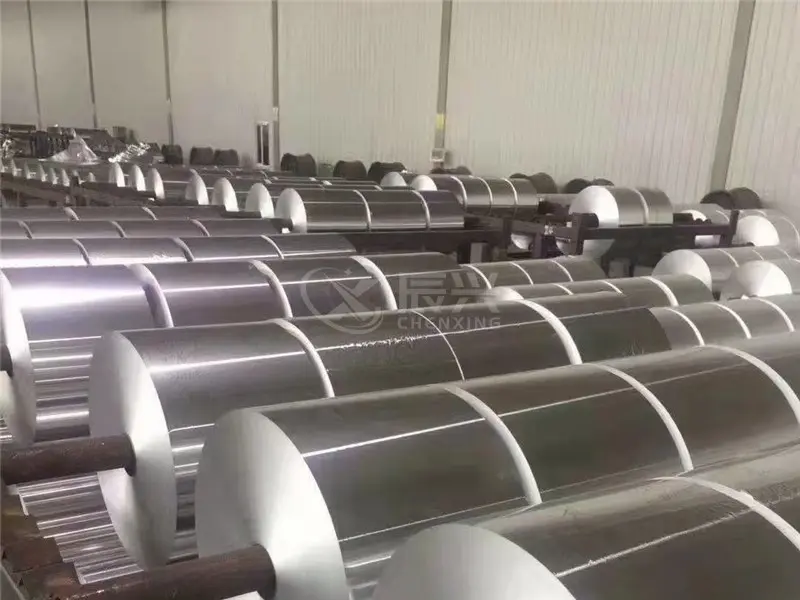
A primary factor in selecting the appropriate aluminum checker plate is identifying the chemical and physical load dynamics of the operational environment. For decorative or mild structural tasks, standard 1050 or 1100 series pure aluminum sheets provide sufficient flexibility and ease of bending. However, for industrial stairways, structural vehicle flooring, and marine platforms, engineers must specify alloy profiles within the 3xxx (Al-Mn) or 5xxx (Al-Mg) classes to benefit from superior work hardening, mechanical durability, and weldability.
| Alloy Grade | Main Alloying Element | Tensile Strength (MPa) | Yield Strength (MPa) | Corrosion Resistance | Typical Applications |
|---|---|---|---|---|---|
| 3003-H22 / H24 | Manganese (Mn) | 140 - 180 | 115 - 150 | Excellent (Atmospheric) | Vehicle cabins, decorative walls, industrial steps |
| 5052-H32 / H38 | Magnesium (Mg) | 210 - 260 | 190 - 230 | Superior (Marine/Industrial) | Truck floorings, marine hulls, chemical plants |
| 5754-H111 / H114 | Magnesium (Mg) | 190 - 240 | 80 - 120 | Outstanding (Saline water) | European standard ship deckings, food processing platforms |
| 5083-H112 / H116 | Magnesium (Mg) | 275 - 350 | 125 - 200 | Extreme (High Saline & Acid) | Offshore oil platforms, heavy-duty naval vessel decking |
| 6061-T6 | Silicon & Magnesium (Mg-Si) | 290 - 310 | 240 - 275 | Good | Structural bridge decks, high-load machinery floors |
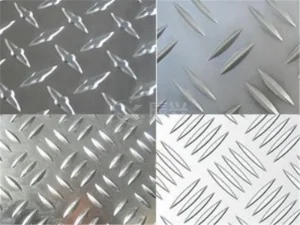
The raised patterns on the aluminum sheet are not merely aesthetic; they are designed to maximize traction in wet, oily, or icy conditions. The height of the pattern protrusions generally varies between 0.8mm and 2.0mm. We offer three primary variations:
Optimizing mechanical performance across marine, aerospace, commercial transport, and high-safety civil sectors.

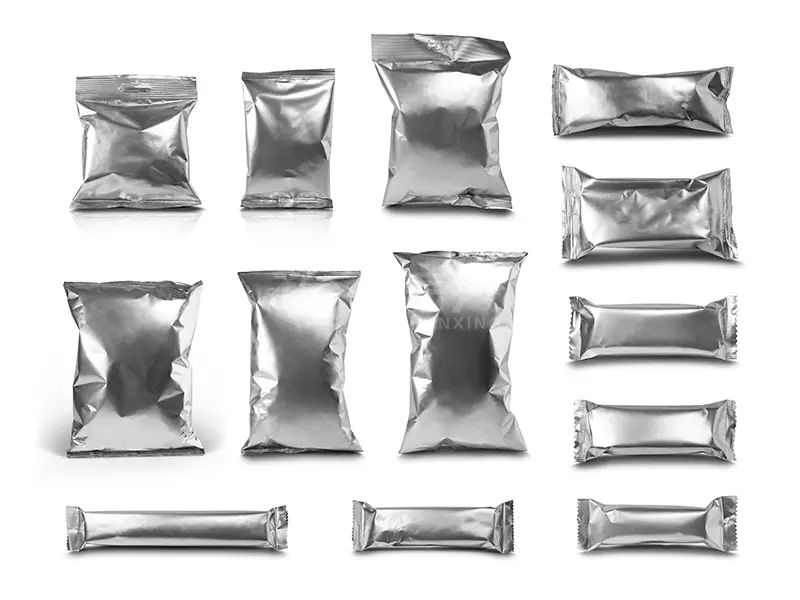


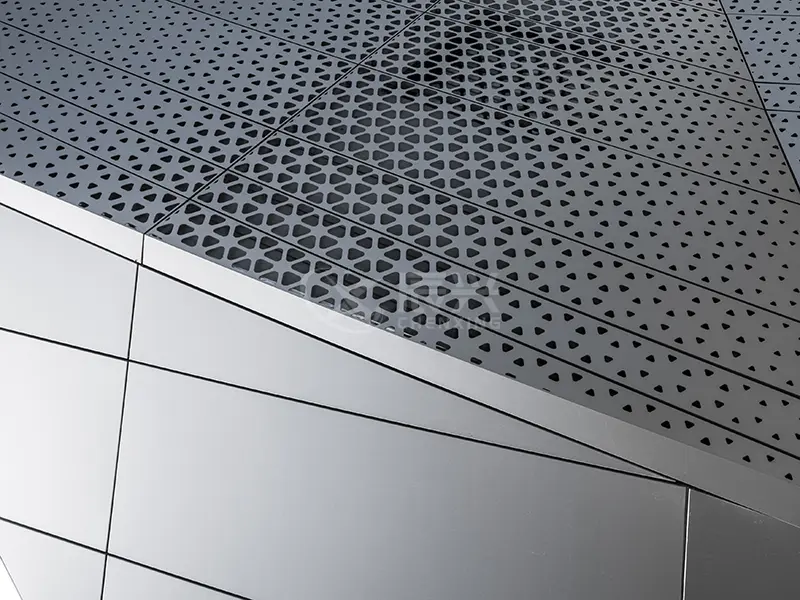
Creating highly reliable structural products requires strict, end-to-end metallurgical oversight. At our modern refinery, we employ a multi-stage production sequence to guarantee flat tolerances, eliminate internal stress, and ensure clear pattern embossing without superficial fissures.
Understanding local regulatory structures is crucial for international supply chains. Every batch of aluminum tread plate exported from our factory undergoes standard quality verification tests, including grain boundaries inspection, tensile testing, 180-degree bending tests, and dimensional tolerance checks. We supply official Mill Test Certificates (MTC) conforming to EN 10204 3.1. Our processing steps comply with:
The manufacturing sector is undergoing a rapid transition toward low-carbon and green industrial operations. Our factory is at the forefront of this shift, actively adopting secondary/recycled aluminum sourcing. Producing aluminum sheets using recycled scrap requires only 5% of the energy needed for primary extraction, dramatically reducing carbon emissions. Moving forward, we are aiming to achieve a 100% closed-loop system where scrap generated during tread plate processing is immediately recycled back into high-grade alloy ingots, providing global buyers with an environmentally responsible supply chain.
Comprehensive metallurgical and supply chain answers curated by our senior quality inspection team.
The 3003-grade alloy is alloyed with Manganese (Mn), which provides excellent resistance to atmospheric moisture and mild organic solvents. However, the 5052-grade is alloyed with Magnesium (Mg). This magnesium addition significantly increases resistance to saltwater, industrial acids, and marine corrosion. For offshore, marine, or highly corrosive chemical environments, 5052 or 5754 alloys are highly recommended.
Our standard production follows ASTM B209 and EN 485 dimensional guidelines. Generally, the base metal thickness tolerance is kept within +/- 0.05mm to +/- 0.15mm depending on the base thickness (ranging from 1.5mm to 8.0mm). Note that the measurement is taken on the flat area between the embossed patterns, not on the raised ridges.
Yes, 5xxx series alloys (such as 5052 and 5083) exhibit excellent weldability using standard MIG or TIG processes, retaining most of their tensile strength post-weld. 6061-T6 can also be welded, but it may experience a reduction in strength near the heat-affected zone, which must be factored into structural load calculations.
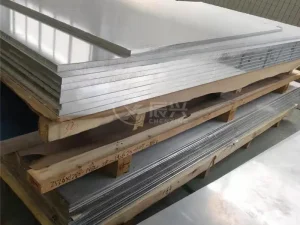
To prevent surface oxidation, all sheets are packed using robust sea-worthy wooden pallets. The plates are interleaved with moisture-absorbing paper, wrapped in a heavy plastic moisture barrier, and secured with steel strapping. Each shipment is also packed with silica gel packets to prevent condensation during ocean transport.
Stay informed with our latest technological achievements, international expansions, and supply chain insights.
For custom dimensions, alloy tempers, pricing schedules, or technical parameters, contact our engineers. We provide detailed pricing estimates and technical drawings within 24 hours.
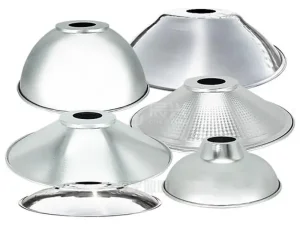
Additional engineering profiles processed to strict global tolerances. Ideal for deep drawing, stamping, and manufacturing components.