Engineered to international regulatory standards (FDA, ISO 9001, SGS) for supreme food preservation and structural versatility
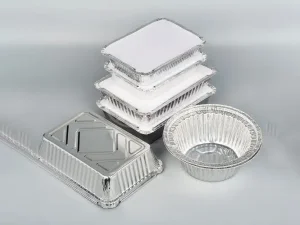
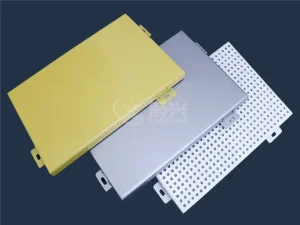
In the contemporary packaging and materials market, aluminium has solidified its dominance as the absolute barrier solution against environmental degradation. The transition towards sustainable, highly recyclable circular materials has catapulted food-grade aluminium from a secondary packaging option to the primary engineering standard. The global demand for high-barrier foil, coated coils, and precision-engineered container alloys is expanding exponentially, driven by stringent food safety regulations and zero-plastic legislative mandates globally.
Within this framework, China’s food-grade aluminium processing plants play a pivotal, systemic role. Leveraging massive integrated industrial clusters, advanced continuous casting, and cold-rolling methodologies, Chinese factories supply over 40% of the world’s refined packaging alloys. These enterprises do not merely offer cost efficiency; they provide sophisticated, standardized metallurgic microstructures that meet FDA (U.S. Food and Drug Administration), EFSA (European Food Safety Authority), and REACH regulations. This combination of raw material abundance and advanced thermal processing ensures high-performance materials ready for global consumer markets.
Key focus areas in modern metal fabrication that drive performance improvements across the global supply chain:
Understanding the tectonic shifts in global compliance, environmental sustainability, and material lightweighting
Major manufacturers are aggressively transitioning from coal-dependent thermal power grid sourcing to hydroelectric and solar-powered smelting complexes. The implementation of "green aluminum" allows multinational consumer brands to significantly reduce their Scope 3 greenhouse gas emissions, aligning products with global sustainability targets.
Leveraging state-of-the-art Automatic Flatness Control (AFC) and Automatic Gauge Control (AGC) rolling mills, manufacturers can reliably produce foils at thicknesses below 6 microns without compromising barrier integrity. Thinning minimizes overall raw material consumption while maintaining high mechanical strength.
Advanced coatings, including hydrophilic coatings, epoxy-phenolic sealants, and anti-corrosive prepainted layers, are engineered at the molecular level. These modifications protect against structural degradation from acidic or salty food formulations, extending the shelf-life of processed goods.
Uncompromising manufacturing control from raw bauxite refinement to high-precision finished products
To produce highly reliable food packaging materials, the manufacturing chain must be strictly controlled at every stage:
Precision-engineered alloys customized for distinct industrial segments and operating environments
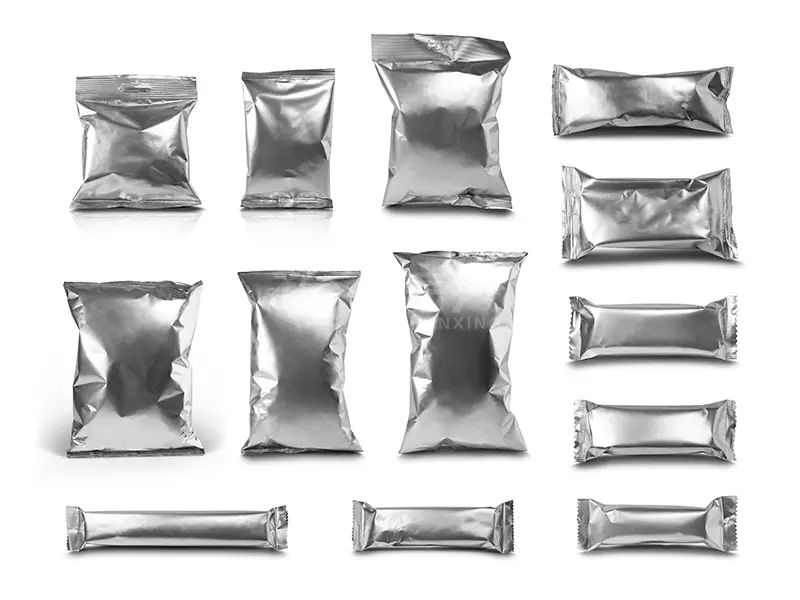
High-barrier foils (8011, 8021, 8079) and container stocks designed to keep oxygen, light, and moisture away from food products, ensuring long-term shelf stability.

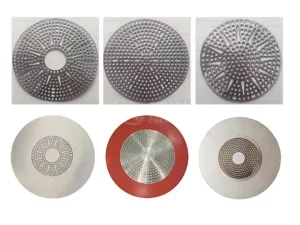
Corrosion-resistant panels and thermal transfer coils suited for modern refrigeration systems, air duct housings, and specialized kitchenware solutions.

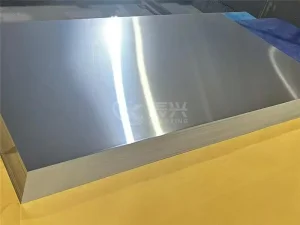
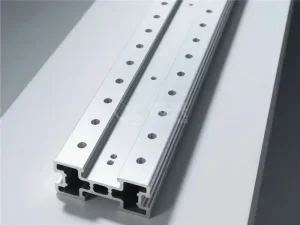
Lightweight 5000 and 6000 series sheets and structural profiles utilized in logistics containers, automotive body panels, and marine superstructures.

Highly conductive foils, capacitor foils, and anodized casing profiles engineered for battery storage assemblies and heat dissipation modules.

High-strength 2000 and 7000 series alloys. These plates are certified for fatigue resistance and structural performance in complex aerospace systems.
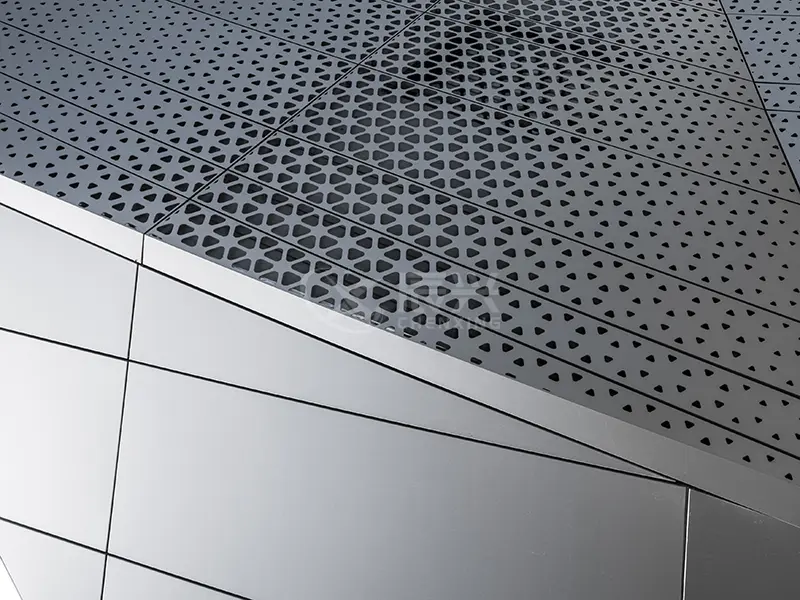
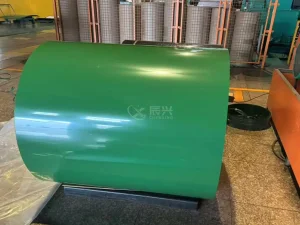
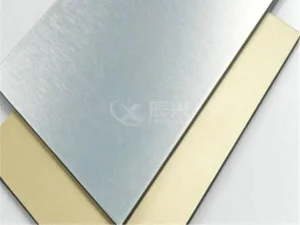
Weatherproof, polyester/PVDF pre-coated cladding sheets and solid panel assemblies designed for architectural facades and structural framing.
Integrated supply chain offerings for high-volume processors, packers, and distributors
We provide ultra-thin, pinhole-free foils (Alloy 8079/8011 in O temper) that integrate smoothly with polymer and paper substrates. Our specialized surfaces are prepared for optimal adhesion, preventing delamination during high-pressure thermal processing.
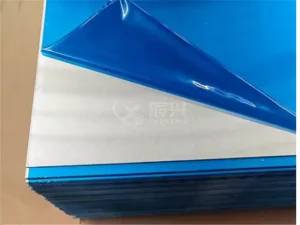
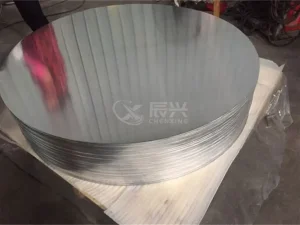
Offering pre-lubricated 3003 and 8011 alloy sheets with controlled mechanical grain structures. These sheets are optimized for high-speed multi-cavity container press systems, helping to prevent tearing during deep-drawing operations.
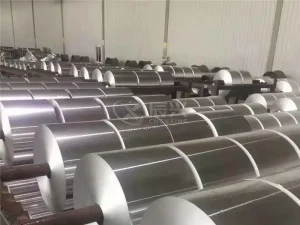
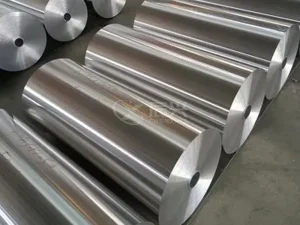
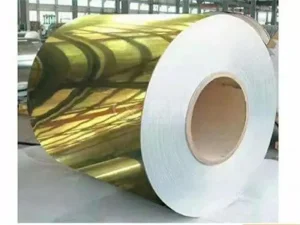
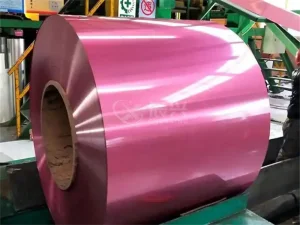
Equipped with modern slitting machinery, we process mother coils into narrow rolls based on your production line layouts. Surface treatments include protective lacquering and color coatings designed for chemical resistance.
Answers to technical, regulatory, and logistical queries from global supply chain managers
Alloys 8011 and 8079 in soft O-temper are preferred for flexible packaging, laminations, and domestic foil applications due to their exceptional ductility. For semi-rigid trays and containers, Alloy 3003 (often in H24 temper) is favored for its increased structural rigidity and formability.
Our production facilities maintain strict hygiene protocols and undergo regular audits. Our materials comply with FDA CFR Title 21 requirements, EU Regulation No. 1935/2004, and other international food contact material standards, backed by third-party testing certification from SGS.
We process ultra-thin single zero and double zero foil grades down to 0.006mm (6 microns) for laminate structures. Advanced online optical sensors continuously scan for pinholes to ensure maximum oxygen and moisture barrier integrity.
All finished coils and sheets are wrapped in moisture-resistant vapor barrier materials, packed in robust wooden cases, and secured for marine transport. We include desiccant packets to prevent oxidation during sea transit.
Updates on processing innovations, capacity expansions, and global market trends
Despite logistics challenges, international demand for specialized semi-finished alloys continues to grow. Our factory is expanding its deep-drawing production lines to meet rising orders from European container fabricators.
Read Full Article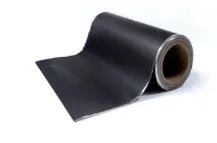
Our research and development team has successfully improved the surface treatment of thin-foil current collectors, enhancing electrical conductivity and mechanical stability in high-energy lithium battery designs.
Read Full Article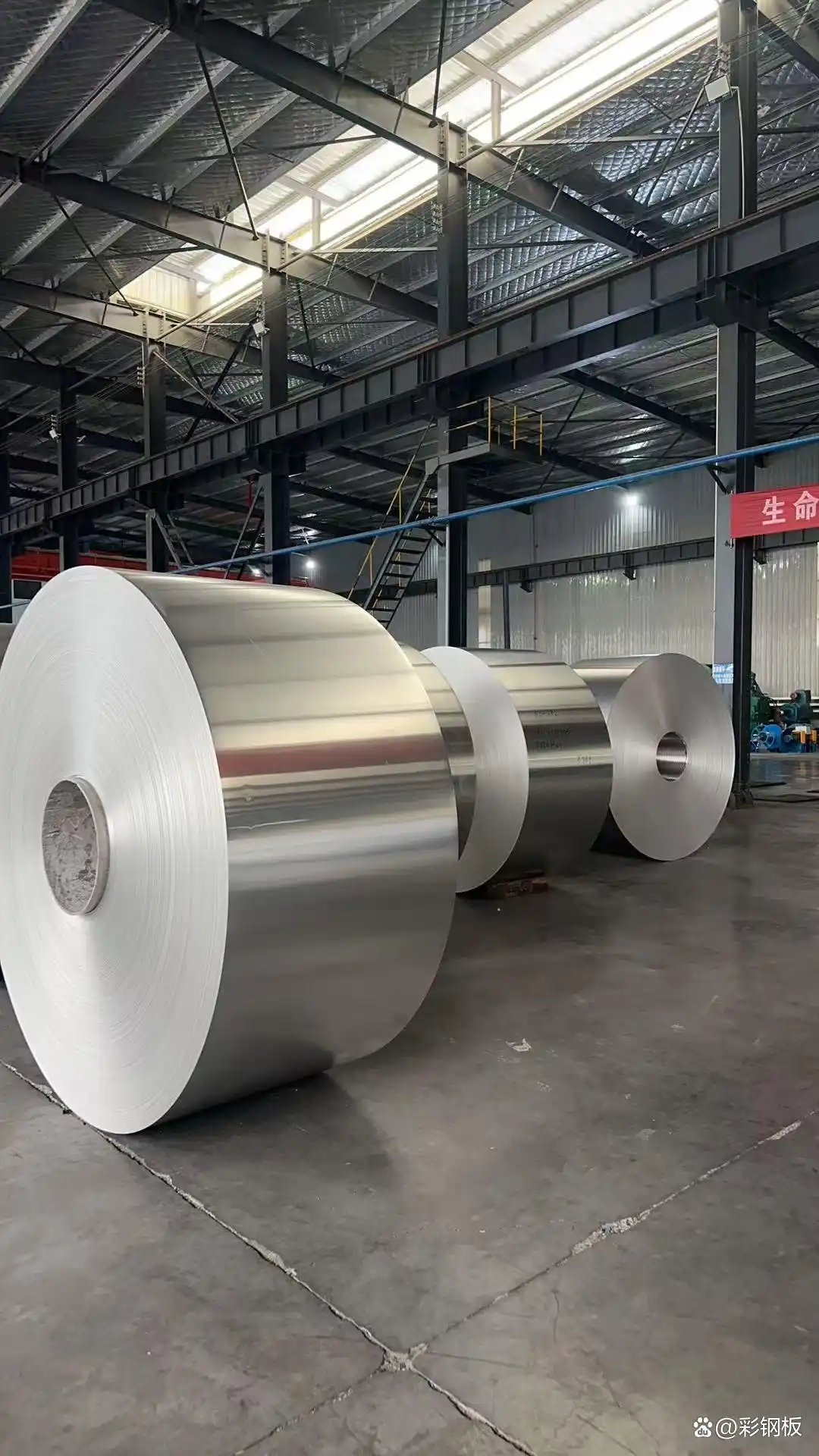
Sustainable production practices are driving demand for pre-coated aluminum coils. Global supply chains continue to prioritize low-carbon smelting routes, which remains a key area of focus for our plant upgrades.
Read Full ArticleConnect directly with our engineering and sales offices. We prepare comprehensive quotes and project evaluations within 24 hours of receiving your specifications.
Industrial foils and customized profiles engineered for architectural, automotive, and high-temperature cookware applications