

China Aluminium Exterior Manufacturing Whitepaper
An in-depth look into the engineering specifications, global sourcing requirements, and technological horizons of high-performance architectural systems.
1. Global Procurement Dynamics & Strategic Sourcing Demands
In modern building construction, civil engineering, and industrial design, selection of cladding and envelope material plays a decisive role in determine life-cycle performance, thermal resistance, and structural viability. Sourcing managers and facade consultants from North America, Europe, and the Middle East increasingly turn to Chinese manufacturing clusters to secure large-scale supply contracts for structural aluminum products.
China's aluminum exterior sector has transitioned from standard, low-value rolling mills to highly integrated, digitally managed smart factories. The global procurement criteria now stretch beyond simple unit price; buyers demand traceably sourced base metal, optimized yield strength, weatherability matching or exceeding 20-year lifespans, and strict compliance with international building regulations (such as ASTM B209, EN 485, and DIN norms).
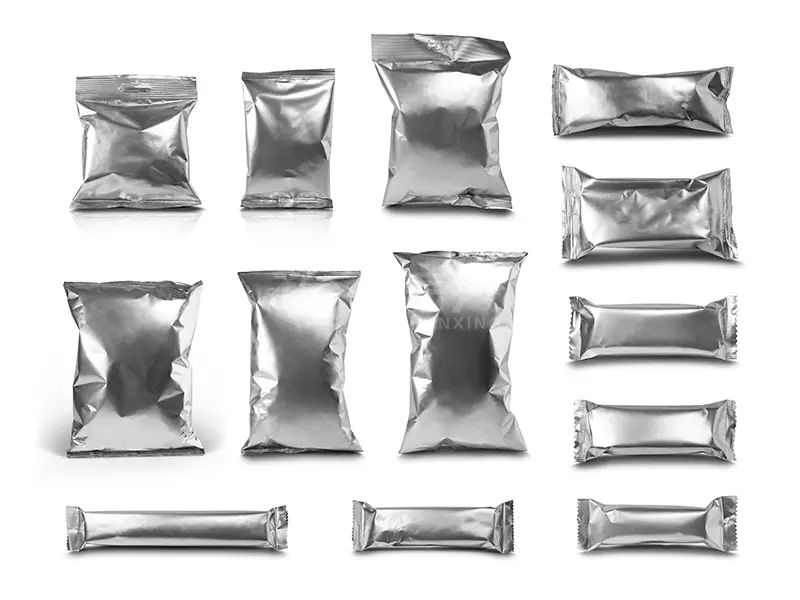
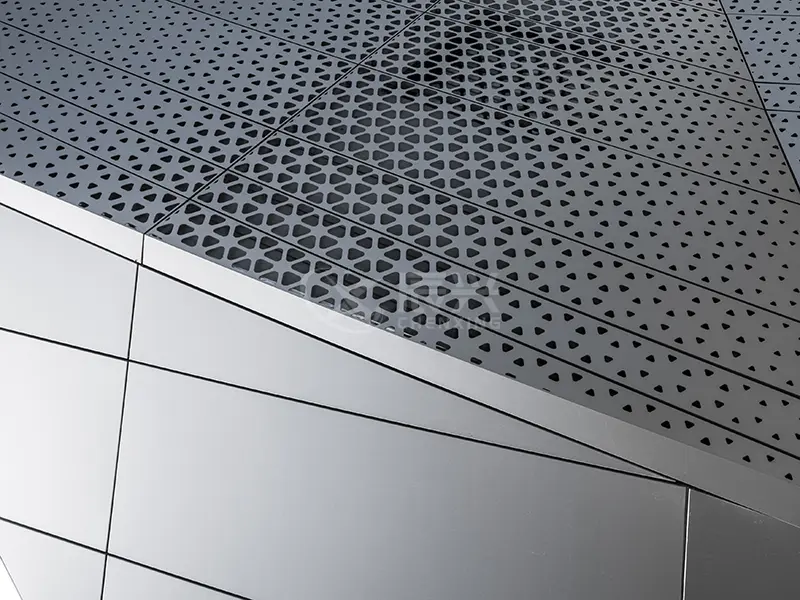
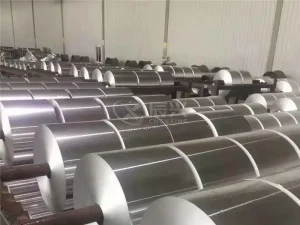
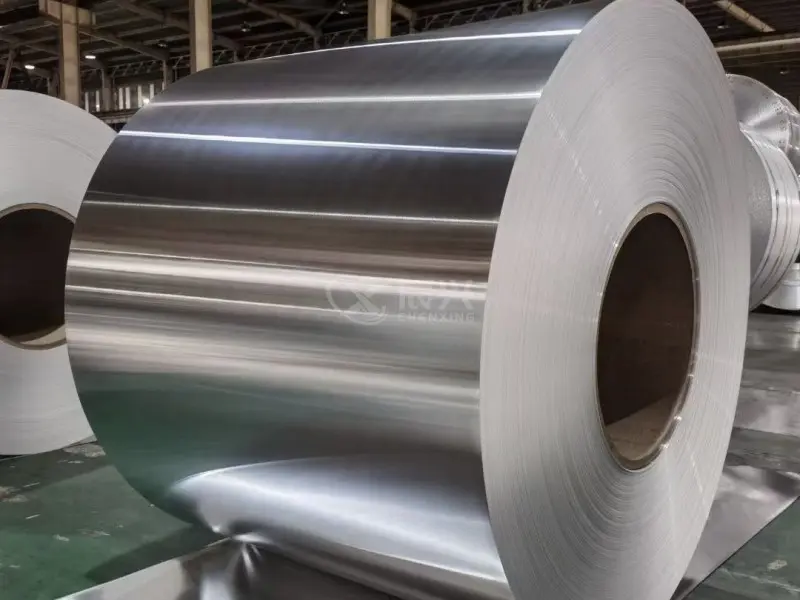
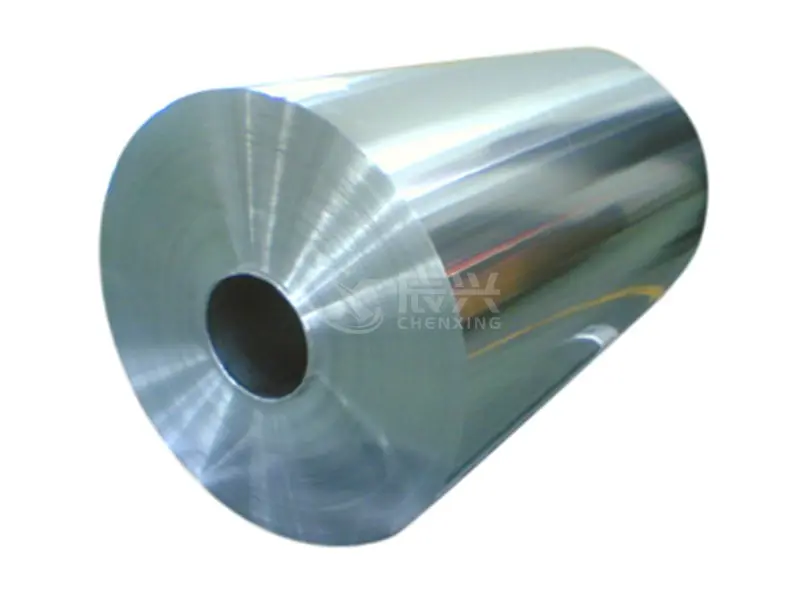
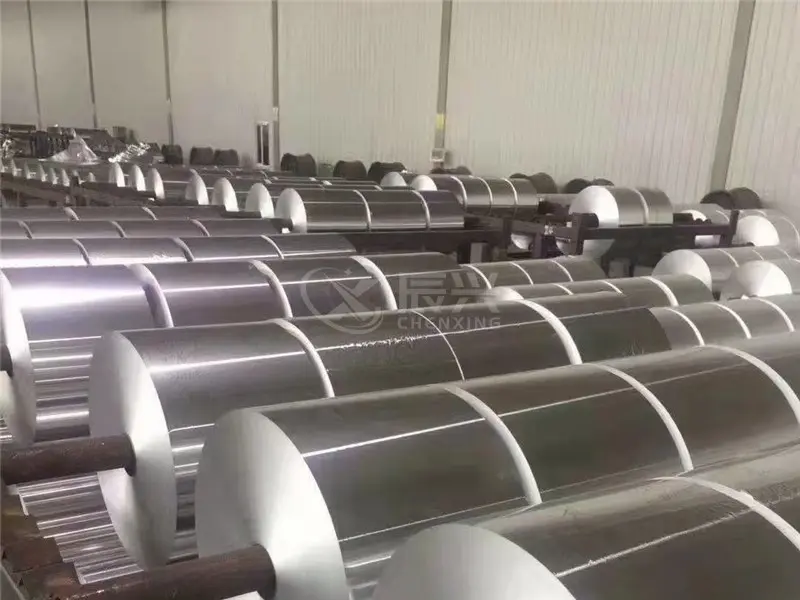
From high-rise curtain walls utilizing solid aluminum veneer to packaging insulation barriers using precision-rolled household foil, our manufacturing ecosystem provides deep engineering customization. Buyers require strategic partners capable of managing alloy modifications (such as 3003, 5083, and 7075 series) with advanced coating technologies (PVDF, PE, and anodized finishes) that withstand high salt-spray conditions, ultraviolet radiation, and seismic forces.
2. Macro Industry Solutions: Solving Modern Facade Challenges
Contemporary architecture demands materials that enable design freedom while optimizing the carbon footprint and structural weight of buildings. China's top-tier aluminum factories provide comprehensive macro solutions to address these evolving engineering requirements:
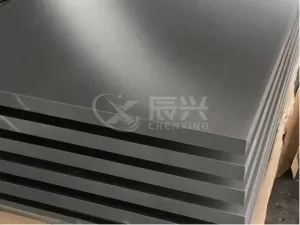
- Weight Reduction & Structural Optimization: Replaced traditional heavy stone and precast concrete cladding panels with high-strength-to-weight ratio alloys (such as 5083 marine grade and 3003 architectural grade sheets), lowering structural load requirements on civil foundations.
- Advanced Thermal Barrier & Building Insulation: Implementing specialized vapor barriers and duct-work utilizing precision-rolled aluminum foils, significantly increasing HVAC operational efficiency and complying with LEED green building guidelines.
- Corrosion Resistance in Aggressive Climates: Formulating customized PVDF coatings with Kynar 500 resin to resist acid rain, urban smog, and coastal marine environments (C5-M atmospheric corrosiveness category).
| Alloy Series | Common Tempers | Tensile Strength (MPa) | Primary Exterior & Industrial Application |
|---|---|---|---|
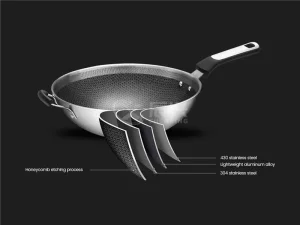
| 1xxx Series (e.g., 1050) | O, H14, H18 | 85 - 145 | Lighting reflectors, chemical equipment, deep drawing blanks for cookware. |
| 3xxx Series (e.g., 3003) | H14, H24, H18 | 140 - 200 | Architectural corrugated roofing, exterior wall cladding panels, HVAC ducts. |
| 5xxx Series (e.g., 5083) | O, H111, H321 | 275 - 350 | Marine hulls, offshore structural platforms, heavy transport tankers. |
| 7xxx Series (e.g., 7075) | T6, T651 | 510 - 570 | High-stress structural frames, aerospace structural components, precision tooling molds. |
3. Technical Roadmap: The Future of High-Performance Aluminum
Achieving competitive advantage in the international market requires continuous innovation. The technical roadmap of leading Chinese factories is currently oriented around three core pillars: metallurgy control, coating innovation, and eco-friendly manufacturing:
A. Precision Metallurgy Control
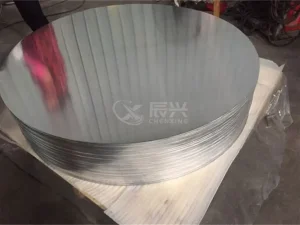
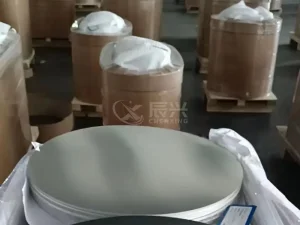
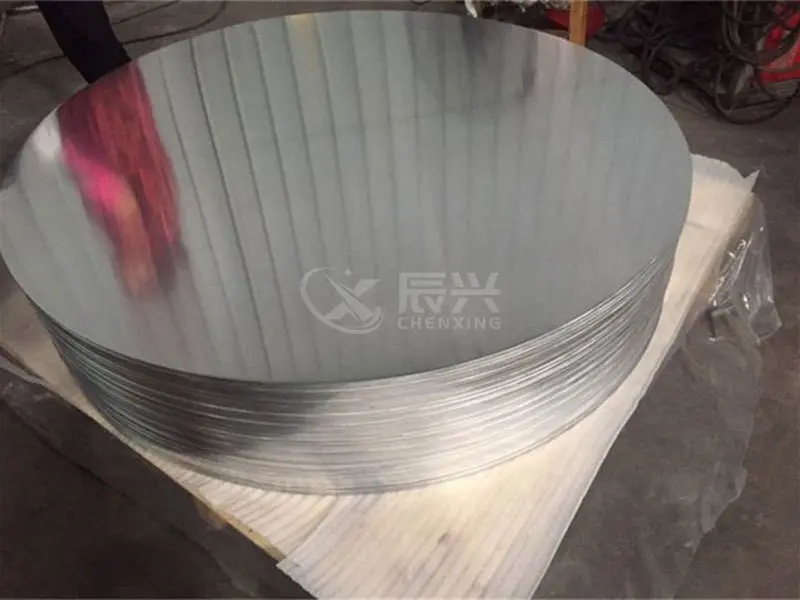
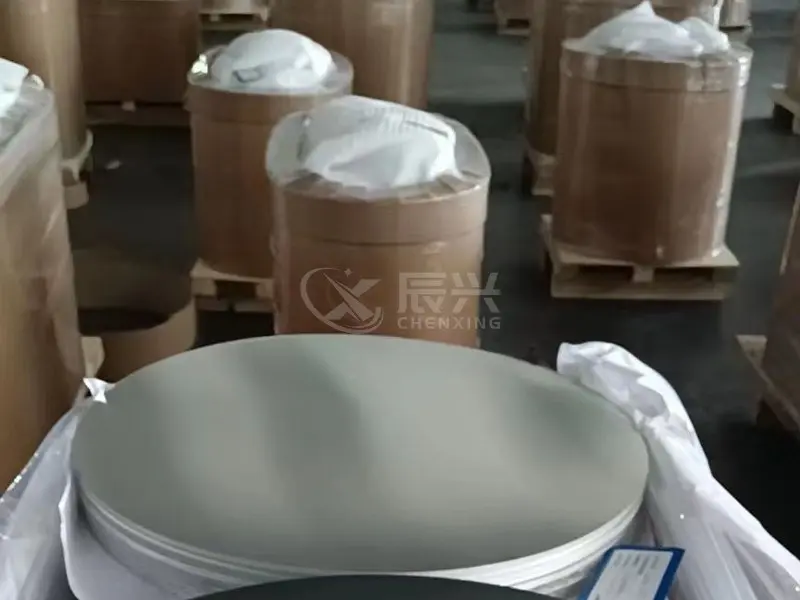
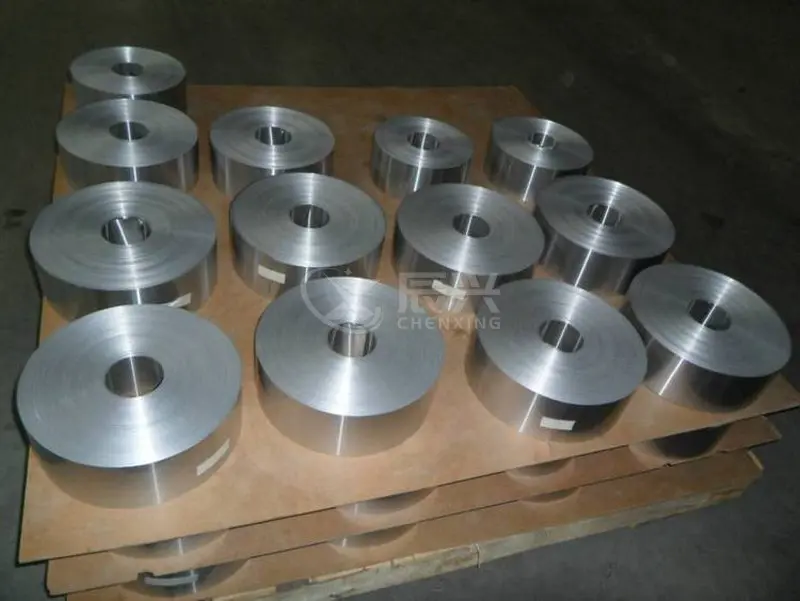
Utilizing electromagnetic stirring and multi-stage degassing during casting ensures exceptionally pure aluminum melt. This minimizes micro-inclusions and hydrogen gas content, which are the main causes of surface defects and stress cracks in structural applications. This level of purity is vital for deep-drawing processes (as seen with our 1050/3003 aluminum circles) and high-strength load bearing plates.
B. Advanced Surface Coating Systems
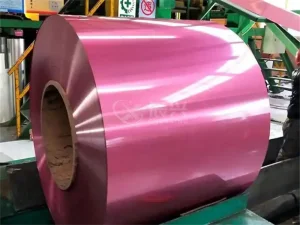
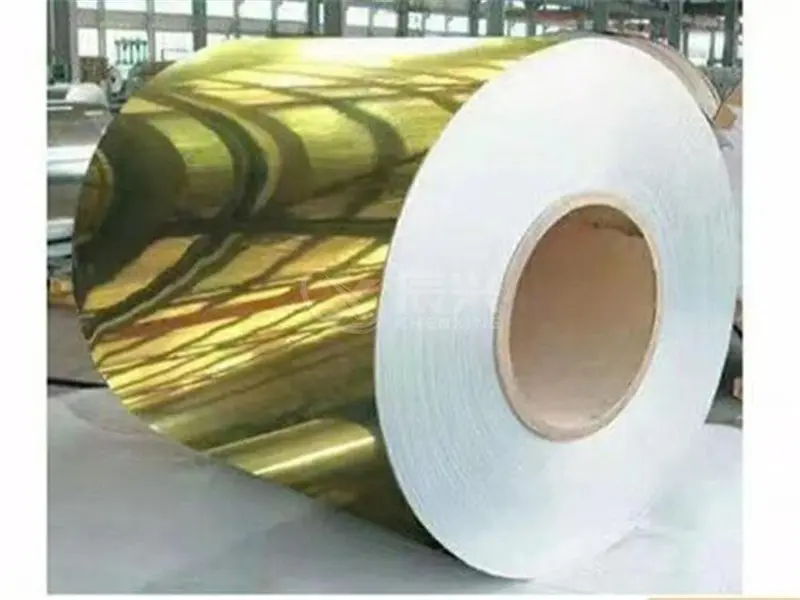
Moving beyond simple liquid spraying, our advanced production lines employ automated electrodeposition, powder coating, and multi-bake PVDF processes. We are developing bio-based fluoropolymer coatings and hyper-durable polyester coatings (such as our Polyester-Coated Color Aluminum Coil) to eliminate VOC emissions while keeping colors stable against UV degradation for over 30 years.
C. Decarbonization and Low-Carbon Aluminium
In line with global Carbon Border Adjustment Mechanisms (CBAM), our production lines are increasingly transitioning to hydro-powered and solar-powered primary smelting. Recycling scrap aluminum with advanced sorting technologies allows us to offer eco-friendly alloys, lowering the embedded carbon content and helping international projects earn higher LEED and BREEAM certifications.