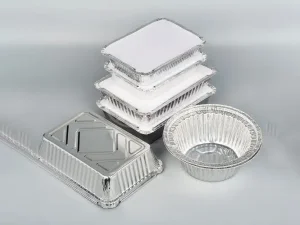
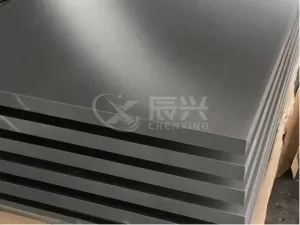
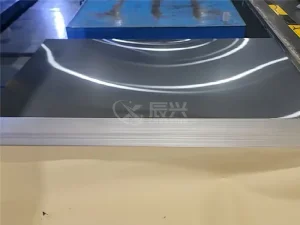
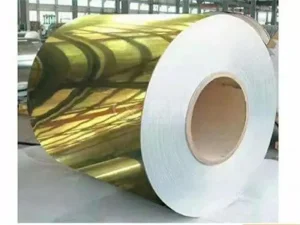
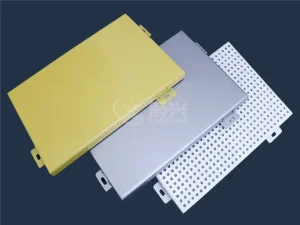
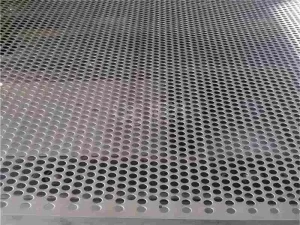
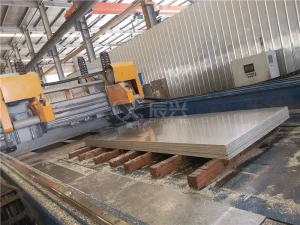
High-precision aluminum sheets, circles, and foils engineered for optimal stamping, deep drawing, and packaging operations.
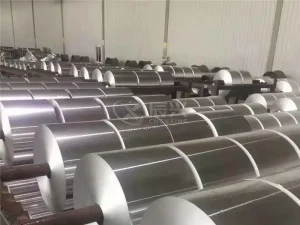
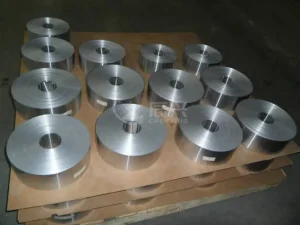
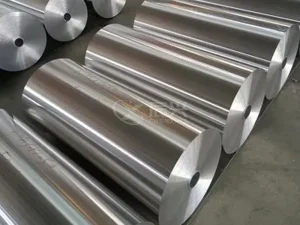
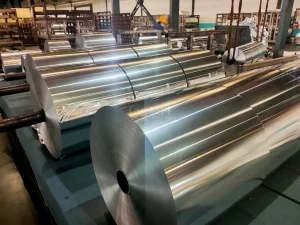
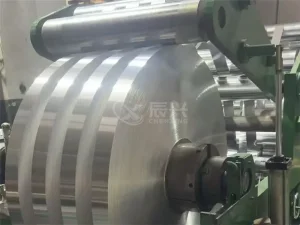
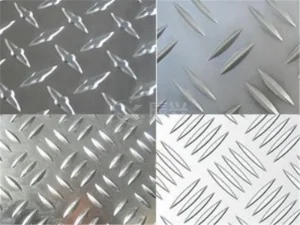
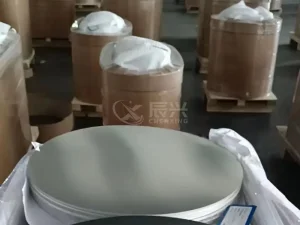
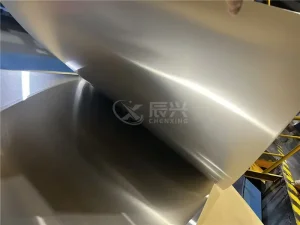
The industrial fabrication of food-grade aluminum cookware, food containers, and kitchen utensils relies on a highly integrated global supply chain. In professional metal stamping and deep drawing factories, raw aluminum material configuration directly determines the structural integrity, surface beauty, and structural durability of the finished products. Sourcing departments targeting high-volume manufacturing require raw material suppliers that possess absolute control over metallurgical parameters, chemical compositions, and grain size distribution.
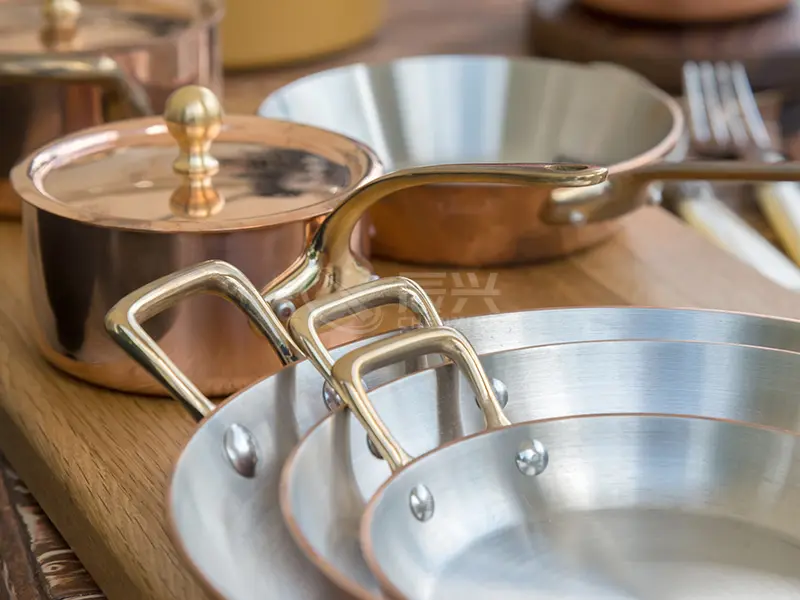
Globally, aluminum is the metal of choice for cookware and kitchen applications. This is due to its superior thermal conductivity (which is roughly 14 times higher than that of stainless steel), its low density, and its excellent corrosion resistance. For modern commercial environments, this translates into rapid thermal response times, reduced energy consumption during heat processes, and lightweight products that reduce user fatigue. For sourcing agents seeking a premium utensils aluminium factory, finding a supplier that can guarantee low-ear-rate performance, zero orange-peel defect limits, and strict FDA food contact compliance is paramount.
SEO Insight & Sourcing Trend: The phrase "Buy Utensils Aluminium" reflects the rising global market demand for high-grade 1050, 1100, and 3003 aluminum circles, sheets, and coils. The modern cookware sector is shifting from basic alloy shapes to custom-engineered clad metals (e.g., three-layer copper-aluminum-stainless steel structures) and pre-anodized or non-stick coil coated blanks.
China is home to the most advanced integrated aluminum rolling mills and circular blanking factories in the world. Sourcing agents choose China's aluminum factories because they deliver unmatched manufacturing efficiencies across several key operational areas:


Premium commercial aluminum alloys engineered for deep drawing, stamping, and high-strength packaging components.
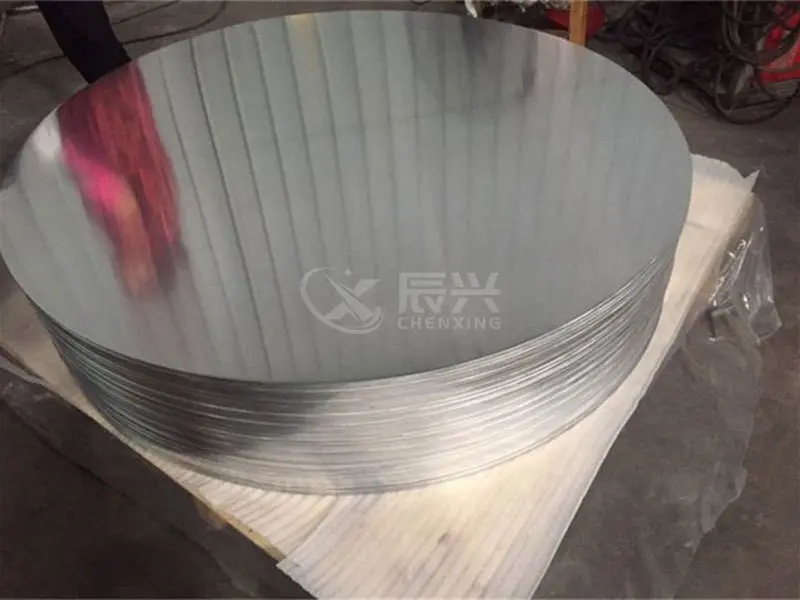
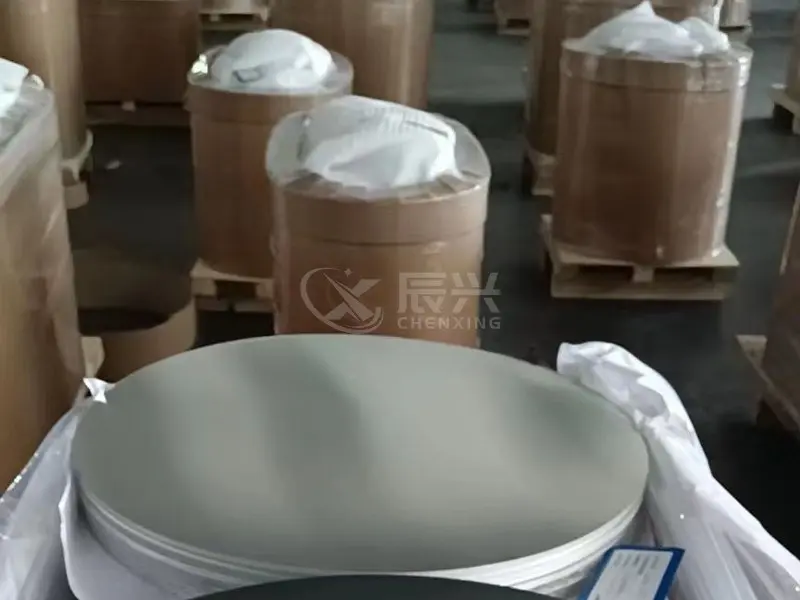
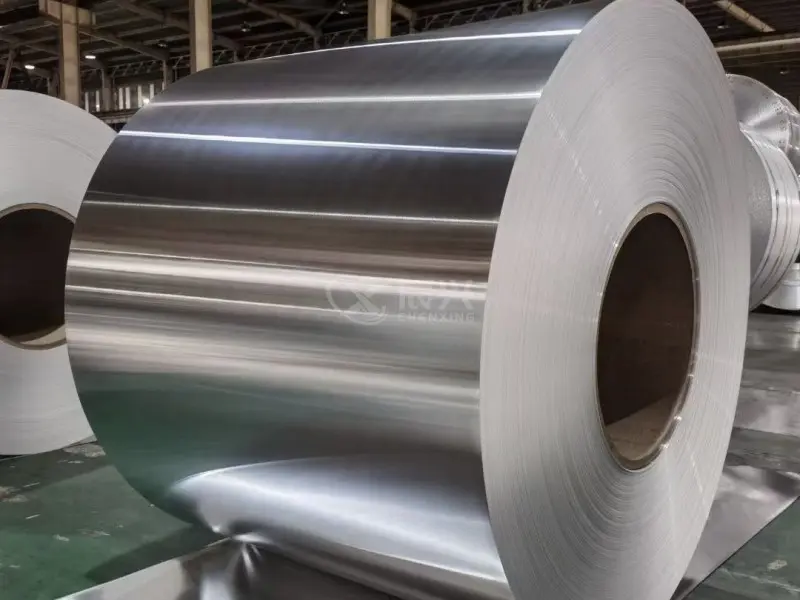
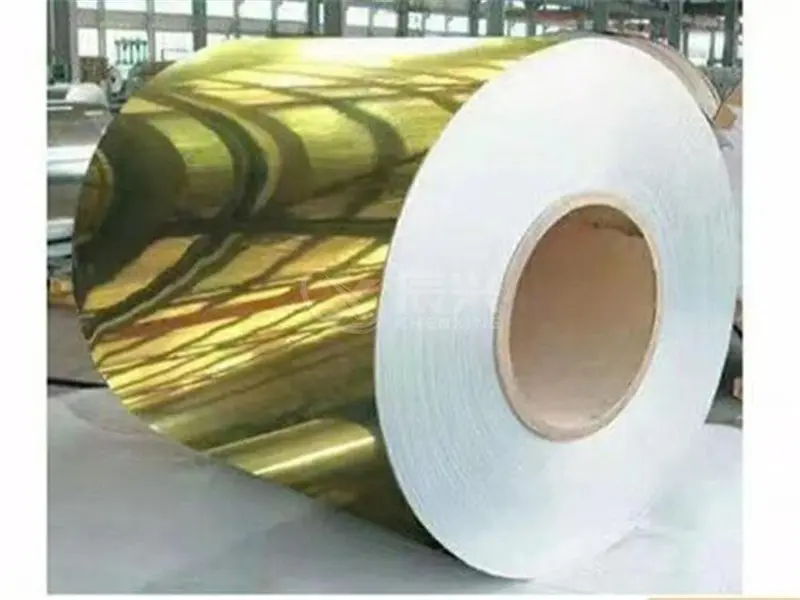
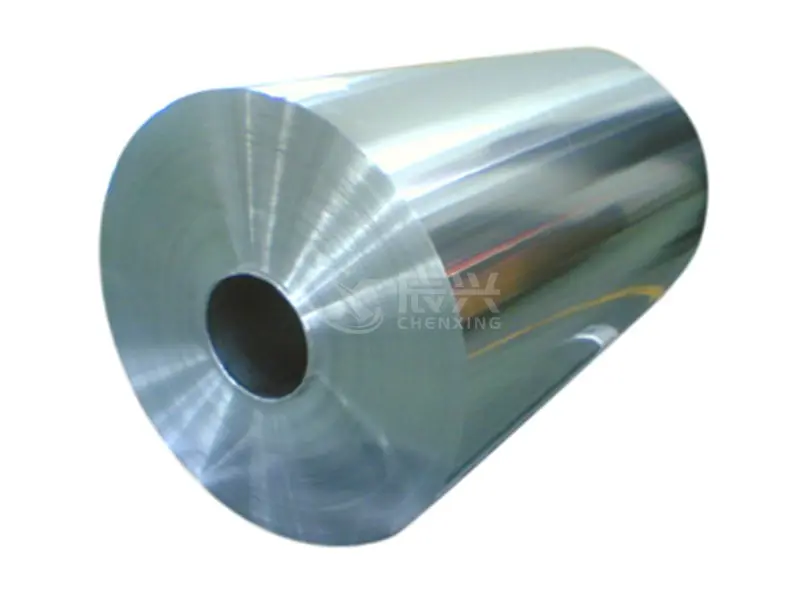
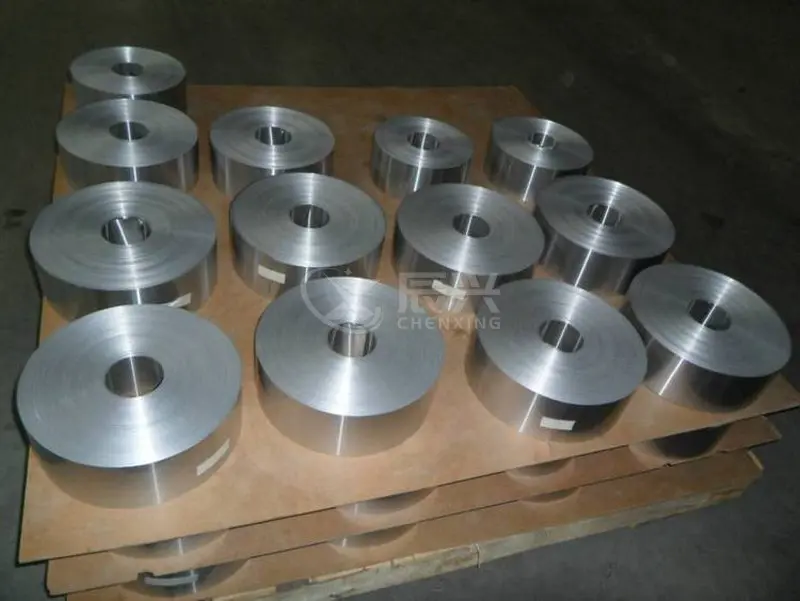
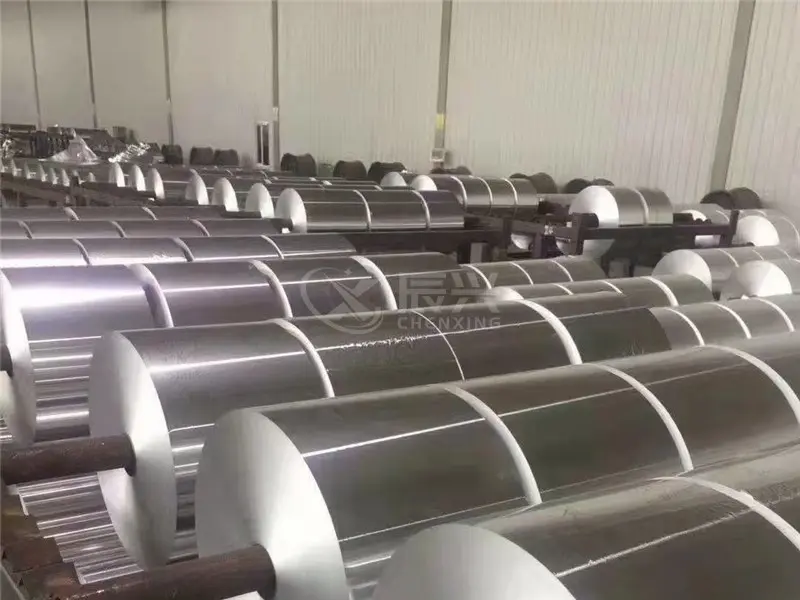
Procurement teams sourcing aluminum circles and sheets must choose the right alloy for their specific manufacturing processes. Mechanical properties differ significantly depending on the chemical composition of each alloy grade. Below is a comparison table outlining the properties of cookware-grade aluminum alloys:
| Alloy Grade | Al (Purity) / Primary Element | Tensile Strength (MPa) | Elongation (%) | Primary Industrial Applications |
|---|---|---|---|---|
| AA1050 | ≥ 99.50% Pure Aluminum | 75 - 105 | ≥ 35 | Low-pressure cookware, basins, standard kettles, lampshades. |
| AA1060 | ≥ 99.60% Pure Aluminum | 70 - 100 | ≥ 35 | Lightweight food containers, standard aluminum kitchenware. |
| AA1100 | ≥ 99.00% Pure Aluminum | 80 - 115 | ≥ 30 | Deep drawing pots, high-conductivity utensils, decorative shells. |
| AA3003 | Al-Mn Alloy (1.0% - 1.5% Mn) | 140 - 180 | ≥ 25 | Heavy-duty pots, pressure cookers, non-stick pan substrates, rice cookers. |
| AA3104 | Al-Mn-Mg Alloy Complex | 180 - 240 | ≥ 18 | High-strength kitchenware housings, industrial storage containers. |
1050 aluminum contains 99.5% minimum pure aluminum. It offers excellent electrical and thermal conductivity, high plastic malleability, and superior corrosion resistance. For basic cooking pots, pans, and standard containers, 1050 is highly cost-effective. However, because it lacks alloyed hardening elements, it is not recommended for high-pressure cookers or heavy-duty commercial equipment that require higher mechanical strength.
3003 aluminum is an alloyed grade featuring manganese (Mn). This addition increases its tensile strength by roughly 20-30% compared to pure aluminum. AA3003 provides excellent ductility in the fully annealed soft temper (O-temper) state. Sourcing managers prefer AA3003 for complex deep drawing steps where standard alloys might stretch too thin or rupture. It is widely used for premium frying pans, non-stick cooking sets, pressure cookers, and industrial boilers.
Discover how custom aluminum alloys serve crucial roles across high-performance global industries.

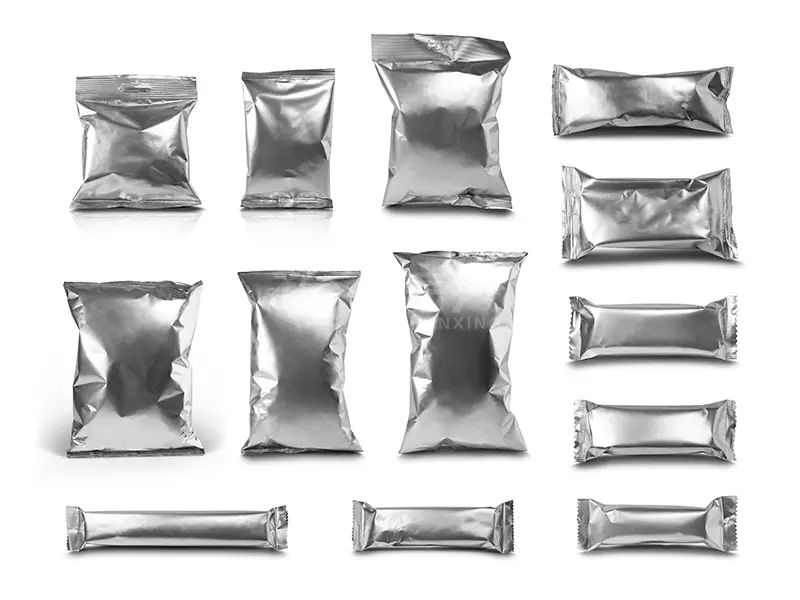


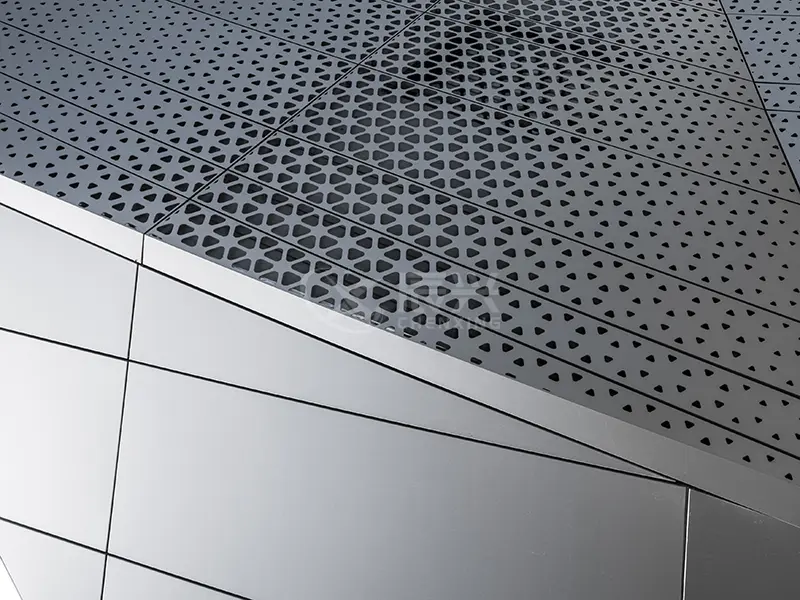
When placing high-volume contracts with an aluminum circle factory, purchasing managers must verify that the materials meet precise technical specifications. The following four operational criteria are critical to reducing scrap rates and protecting stamping tooling:
Consistent, fine grain size is essential. Large grains cause a rough texture known as "orange peel" on the surface of aluminum parts during deep drawing. This requires extra sanding and polishing, which drives up production costs. Leading factories control grain size to ASTM E112 standards, aiming for a range of No. 6 to No. 8 to ensure a smooth surface finish after forming.
Anisotropy indicates how much the material's properties vary in different directions. In sheet metal forming, high anisotropy leads to uneven material flow and ears. By controlling processing temperatures and reduction rates during rolling, advanced manufacturers reduce the earing height ratio to less than 2%, minimizing edge cracking and material waste.
Aluminum blanks must be free of oil spots, grease stains, deep scratches, oxidation, rolling marks, and micro-cracks. Sourcing partners should confirm that materials are packed with moisture-resistant paper interlayers. This protects the aluminum from friction scratches and humidity-induced white rust during transport.
Contact our metallurgy engineering team for detailed inquiries or current wholesale pricing. We reply within 24 hours.
Technical answers directly from our factory engineers for industrial buyers, procurement managers, and product designers.
Stay updated on aluminum raw material exports, technological trends, and clean energy manufacturing initiatives.
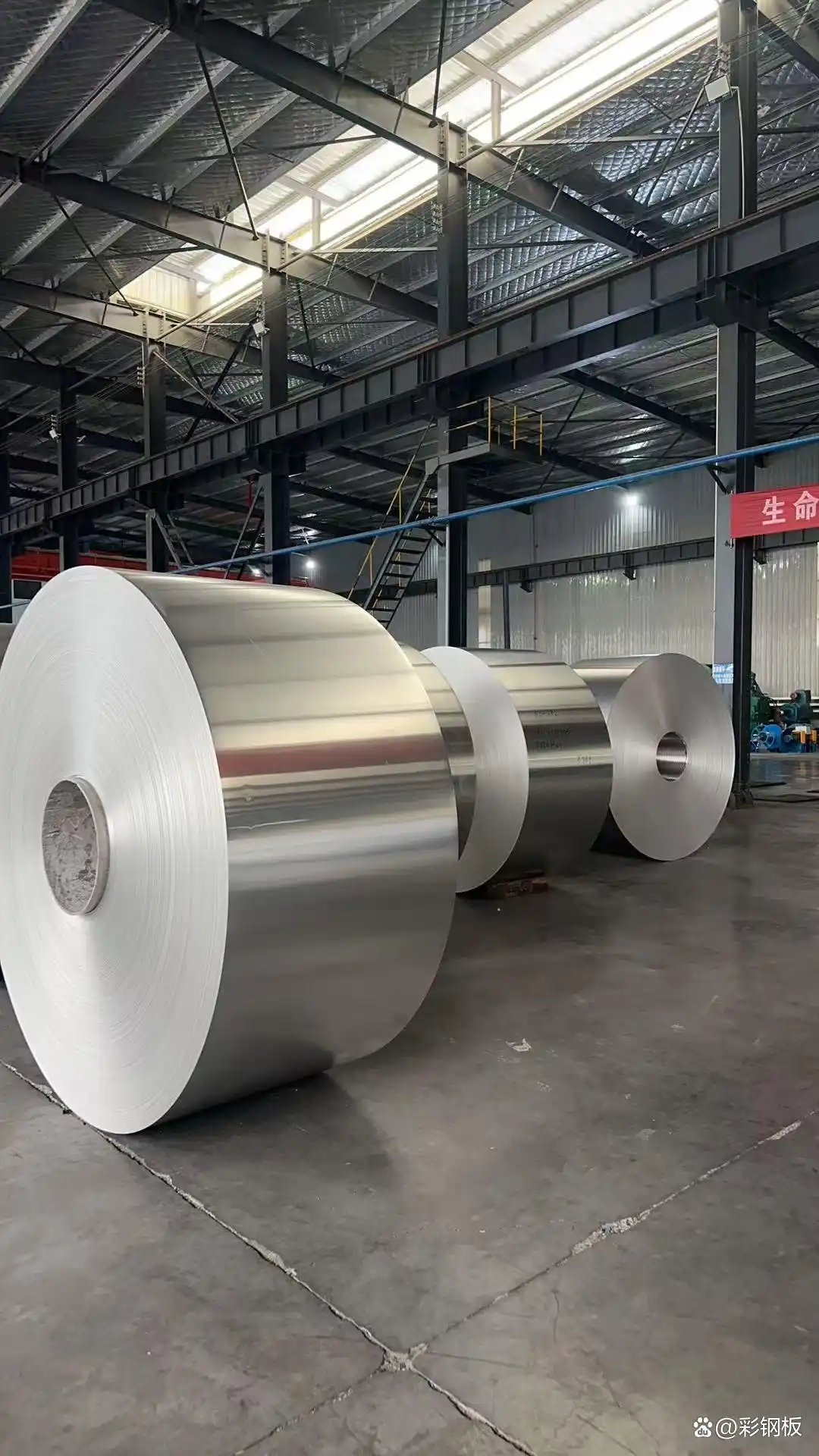
High-durability mirror panels, heavy structural sheets, and advanced protective materials for demanding engineering projects.