
Explore our industrial grade solutions engineered for maximum performance across electrical, thermal, and mechanical applications.
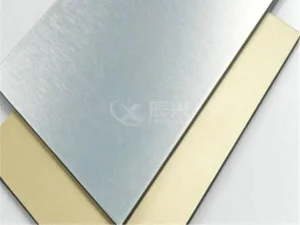
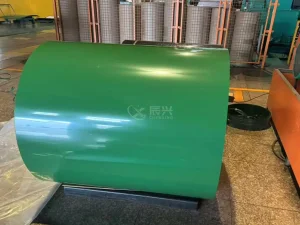
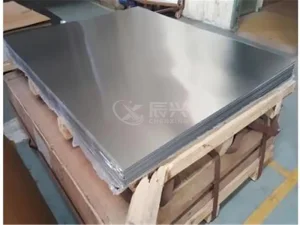
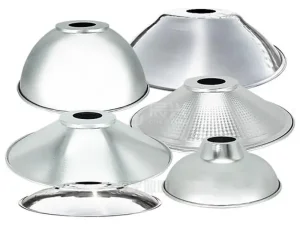
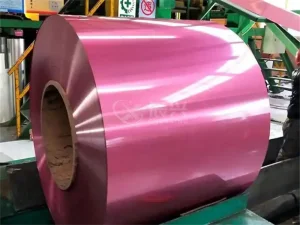
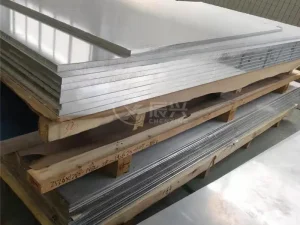
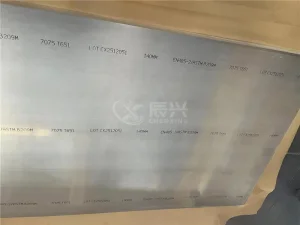

In the modern manufacturing sector, the demand for high-grade Industrial Aluminium Foil Rolls has surged, driven by advancements in battery energy storage, advanced HVAC systems, structural thermal insulation, and sterile packaging. Selecting the right manufacturer requires not only evaluating mechanical properties like tensile strength and elongation metrics but also verifying global compliance frameworks, supply chain stability, and raw material purity.
Key Parameter Highlight: For battery current collectors (e.g., Li-ion battery grade), surface wettability must exceed 72 mN/m, and pinhole density must approach zero (less than 10 pinholes/m² at 6 microns) to ensure electrical efficiency and safety.
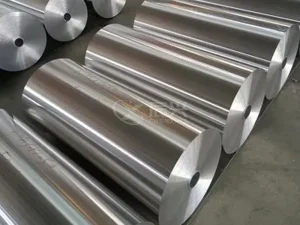
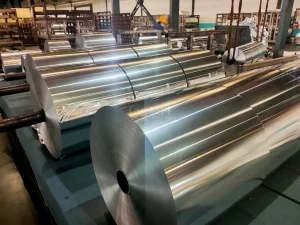
Our factories leverage state-of-the-art 4-High and 6-High cold rolling mills equipped with automated gauge control (AGC) and optical defect detection systems. This ensures consistent thickness tolerances within +/- 2% across rolls spanning widths up to 2200mm.
Industrial aluminum foil is no longer just a barrier layer. It functions as an active thermodynamic and mechanical component:
Decades of manufacturing expertise, strict adherence to global QA systems, and a customer-centric support model.
Continuous operational growth, honing casting, rolling, and surface treatment technologies.
Robust supply networks spanning North America, Europe, Southeast Asia, and the Middle East.

Mill test certificates (MTC) supplied with every batch, traceably backed by raw ingot sourcing data.

Rapid engineering resolution loop for supply chain integration, packaging, and custom tolerances.
To facilitate precise procurement decisions, engineers must analyze the properties of specific alloys. Below is a detailed technical analysis of the industrial alloys processed across our partner factories:
Selecting the ideal alloy depends on balancing tensile strength, electrical conductivity, and corrosion resistance requirements.
We manufacture foils ranging across all tempering options depending on processing needs:
Discover how our industrial aluminum products function as backbone materials in high-tech and heavy industry applications.
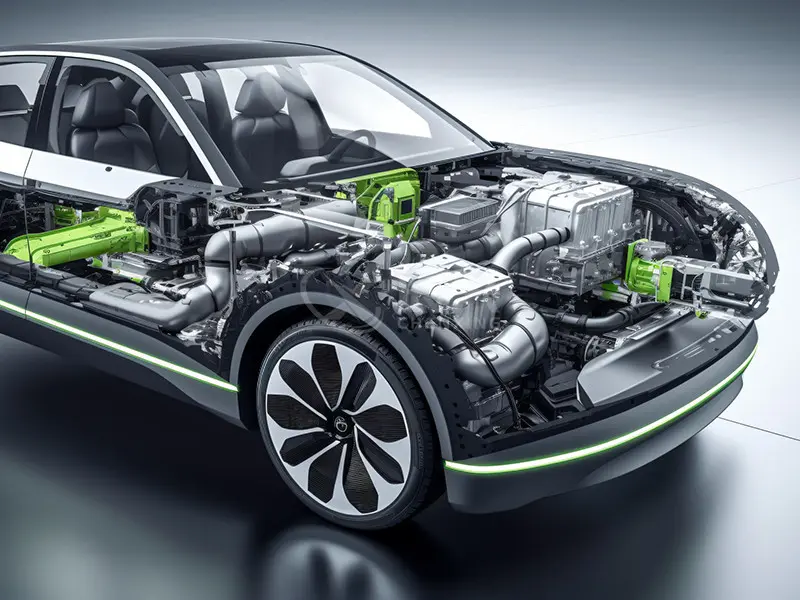
Lightweight alloy sheets and heat-shielding foils for the automotive and rail transit sectors. Reduces vehicle mass to maximize fuel economy and battery range.
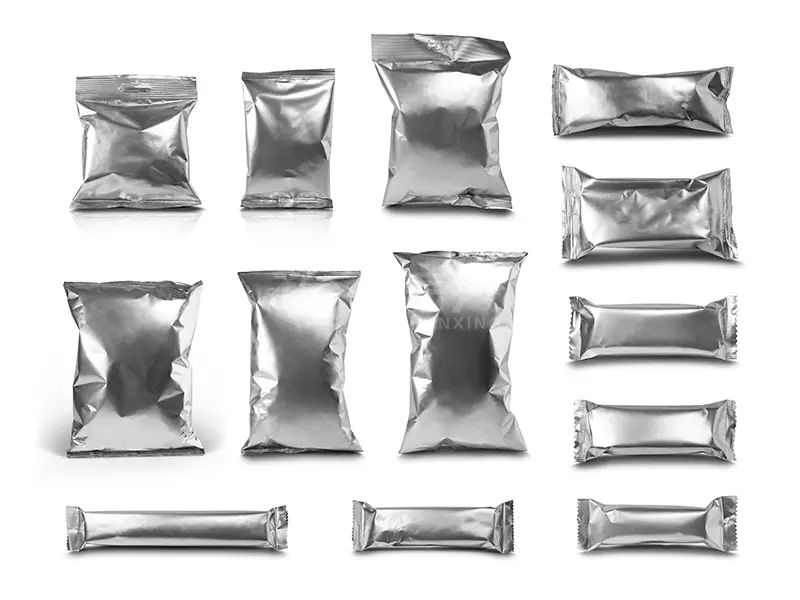
Flexible barrier foils ensuring total isolation from light, moisture, and gases. Ideal for sterile medical blister packs, food containers, and retort pouches.

Ultra-thin capacitor foils, electromagnetic shielding tapes, and lithium-ion battery foil collectors engineered to meet precise electrical specifications.

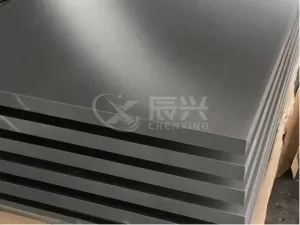
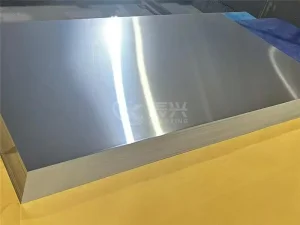
High-strength heat treatable sheets (including 7075 series alloys) utilized in structural components, honeycomb cores, and cryogenic tanks.
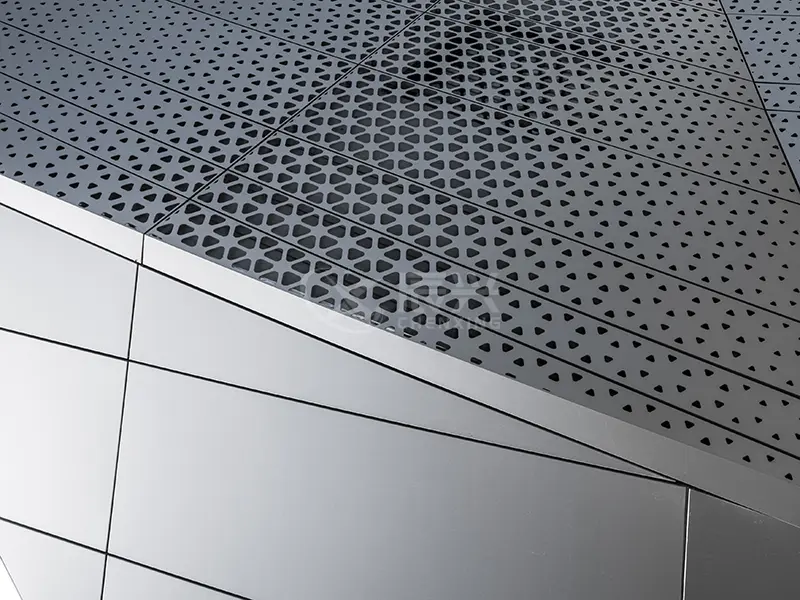
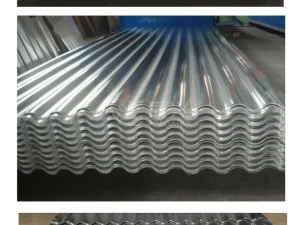
Anodized cladding panels, corrugated roofing sheets, and vapor-barrier foils designed to withstand high environmental loads and weathering.

Durable, corrosion-resistant foil structures utilized in refrigerator evaporator panels, oven components, and sound insulation laminations.
Exporting high-performance industrial alloys requires strict compliance with international regulatory bodies. Our production facilities maintain rigorous quality control lines that align with global expectations.
All manufactured rolls comply with ASTM B209, EN 485, and GB/T 3198 guidelines. Microstructure grain sizes are controlled through advanced thermal homogenizing cycles to prevent edge cracking during high-speed rolling.
For products intended for food containers and medical barrier packagings, materials are certified to FDA regulations, RoHS 3 directives, and REACH standards, ensuring zero heavy metal migration or chemical toxicity.
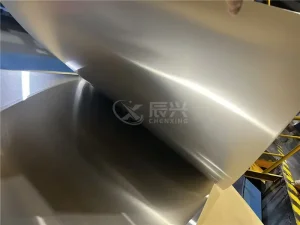
Continuous automatic optical surface scanners detect, catalog, and reject anomalies including oil stains, roll marks, scratches, dents, and pinholes, guaranteeing consistent coil surface condition.
To address the global carbon offset requirements of our OEM partners, we are transitioning our energy dependencies toward green smelting methodologies. By using low-carbon electricity and recycled secondary aluminum inputs, we have managed to lower the embedded carbon footprint of our finished coils.
Additionally, our engineering division has pioneered ultra-thin foil production techniques, enabling the stable mass production of 4.5-micron battery anode current collectors. This technical advancement allows battery OEMs to increase active cathode/anode volume within standard packaging dimensions, contributing directly to energy density optimizations.
Find answers to common technical, logistics, and production questions regarding bulk aluminum supply chain fulfillment.
Our standard Minimum Order Quantity (MOQ) for customized rolling schedules is typically 3 to 5 metric tons per specification. Common catalog sizes and standard commercial alloys can sometimes be accommodated in smaller runs depending on current rolling cycles.
We use dedicated filtering units on our rolling lubricants to prevent microscopic particulates from indenting the foil. Pinhole mitigation is achieved through a multi-pass reduction sequence utilizing high-purity ingots. This ensures the structural homogeneity needed to prevent micro-shearing during high-speed rolling.
The 8011 and 3003 alloys are the industry standards for deep-drawing. These alloys are supplied in a fully soft annealed 'O' temper state to maximize mechanical elongation metrics, ensuring that the sheet flows smoothly into complex tooling dies without tearing.
Yes. We apply pre-treatment solutions including high-performance hydrophilic layers (which prevent bridging condensation) and epoxy-based anti-corrosion barrier coatings. These treatments are applied in-line using continuous chemical coater machinery for uniform film thicknesses.
All export coils are wrapped in moisture-impermeable plastic barriers, padded with protective foam wraps, and placed into robust, IPPC-compliant wooden crates. We offer both eye-to-sky and eye-to-wall loading configurations to match your facility's unspooling setup.
Keep track of shifts in aluminum refining capacities, technical innovations, and the global logistics landscape.
Analyzing shifts in international custom duties and downstream demands for rolled products across European warehousing hubs.
Read Analysis →
Evaluating the mechanical and surface requirements of copper-aluminum interface bonding in high-capacity energy storage packs.
Read Whitepaper →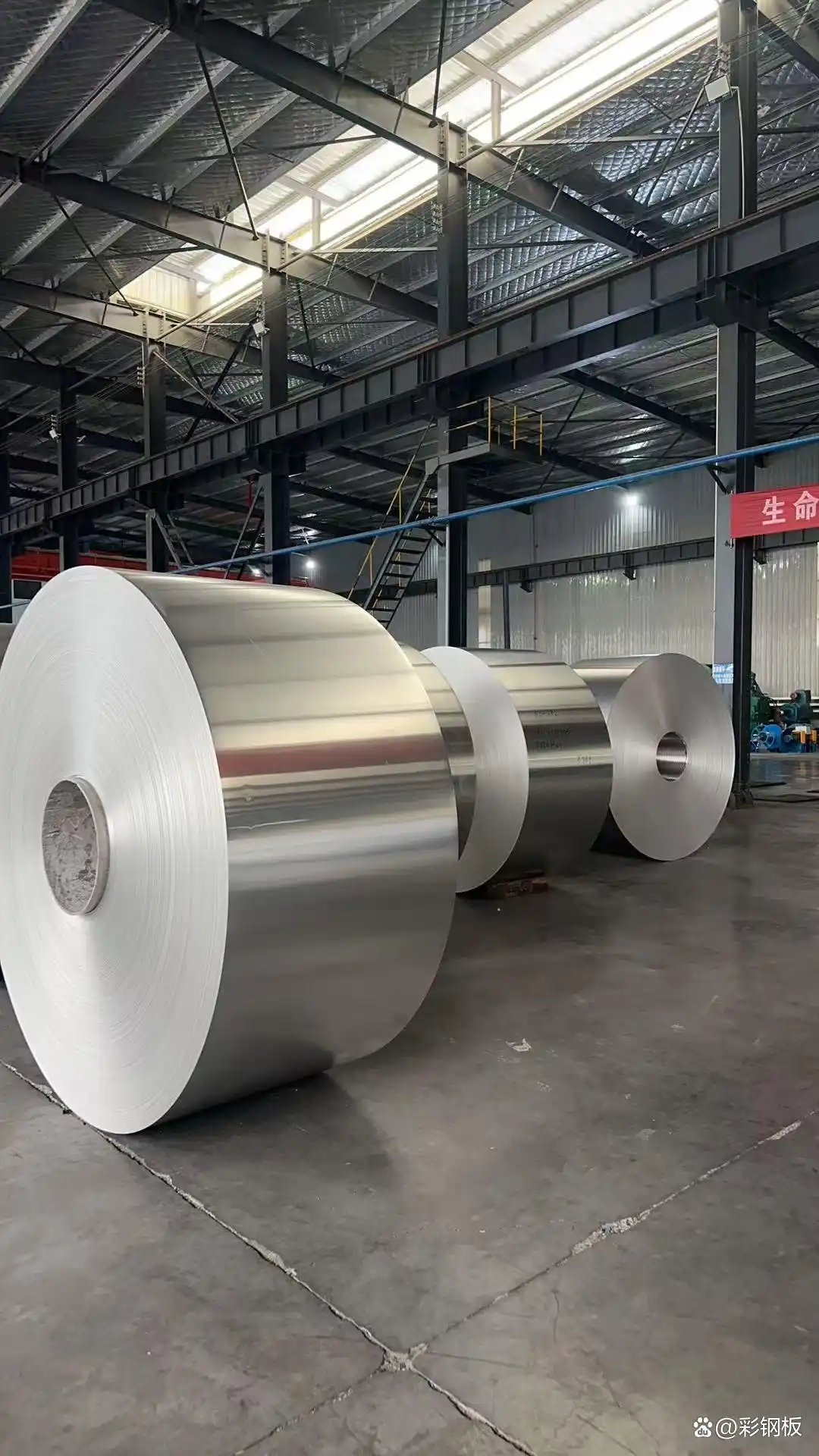
An overview of eco-conscious product demands, examining scrap sort techniques and closed-loop manufacturing.
Read Market Trends →Precision-made processing materials engineered to perform reliably under demanding manufacturing stresses.
Provide us with your required alloy series, temper state, dimensions, and estimated annual volume. Our sales engineering team will compile a detailed quotation sheet within 24 hours.