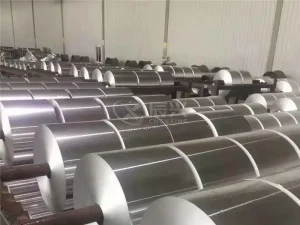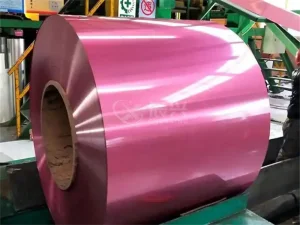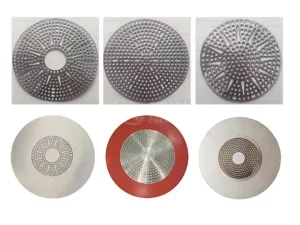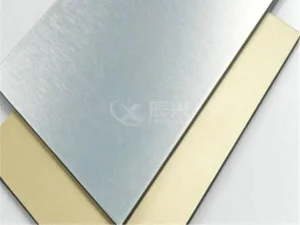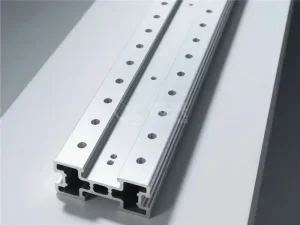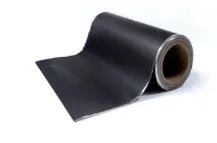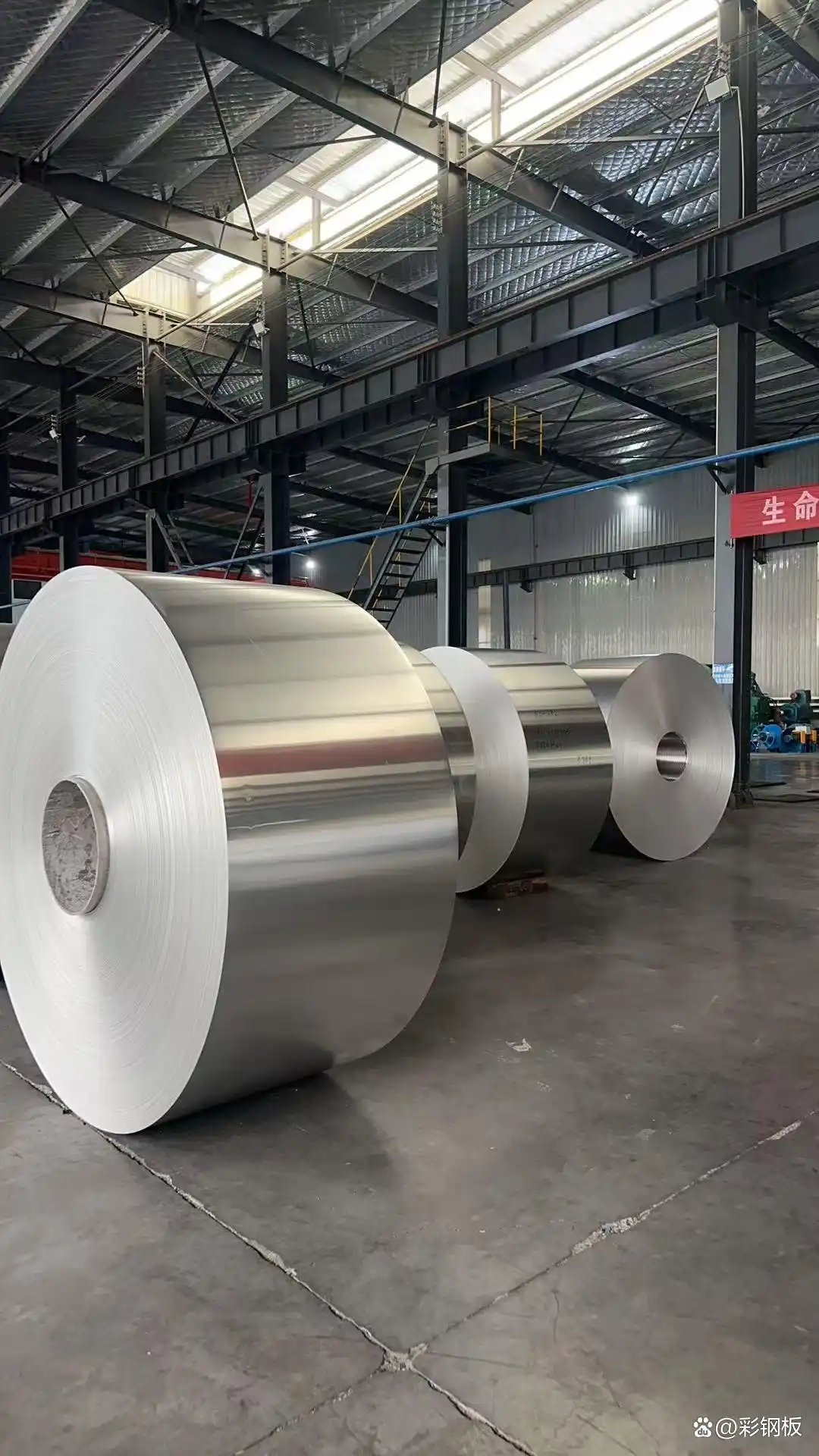
Explore our industrial range of high-performance aluminum coils, sheets, foils, and circle blanks ready for global export.
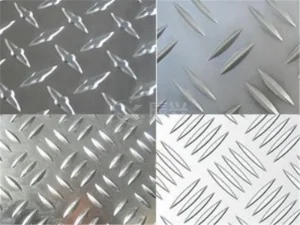
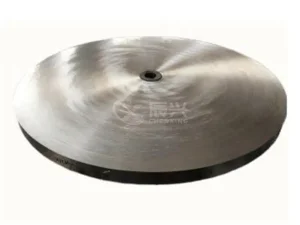

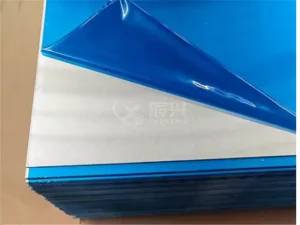
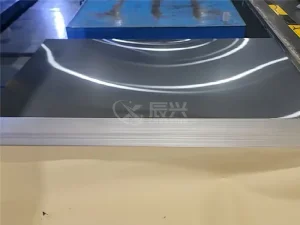
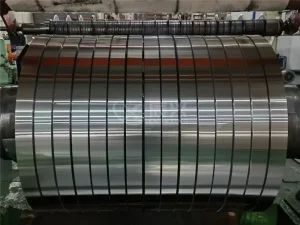
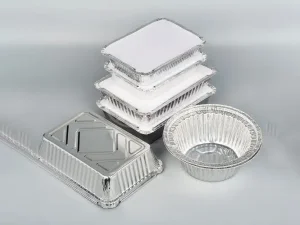
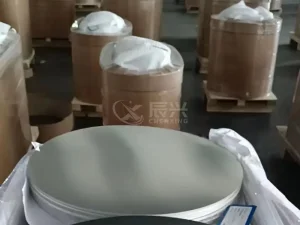
In the modern manufacturing sector, the Aluminum Circle (also referred to as aluminum discs or blanks) serves as the primary structural starting point for deep drawing, spinning, and stamping operations globally. These processes are foundational for producing cookware, architectural reflectors, pressure vessels, and road traffic signaling systems.
Historically localized to regional smelting hubs, the supply chain for aluminum circles has underwent an intense consolidation and technical migration toward state-of-the-art integrated mills. Today, procurement officers from leading cookware brands and automotive Tier-1 companies evaluate factories not merely on low per-ton pricing, but on technical capabilities such as grain size refinement, isotropic mechanical behavior, and continuous annealing consistency.
Industrial regions across China, South Asia, and North America represent the key consumption nodes. However, high-efficiency factories located in China remain the dominant export hubs, delivering custom-cut aluminum circles matching stringent global standards (ASTM B209, EN 485, and JIS H4000). The current commercial landscape emphasizes carbon footprint transparency and high recycling rates—meaning advanced manufacturers must optimize their hot-rolling and cold-reduction lines to remain competitive.
Selecting the ideal alloy and temper is critical for preventing fabrication defects such as orange peel surface graining, tearing, or excessive earing during heavy metal deformation processes.
| Alloy Series | Common Tempers | Key Technical Properties | Primary Industrial Applications |
|---|---|---|---|
| 1050 / 1060 | O, H12, H14, H18 | Al purity ≥ 99.5%, excellent thermal conductivity, superior ductility, low earing. | Standard cookware, chemical equipment, lighting reflectors, capacitors. |
| 3003 | O, H12, H14, H24 | Al-Mn alloy, ~20% stronger than 1000 series, highly corrosion-resistant, excellent deep-drawing capacity. | Non-stick pans, pressure cookers, electrical appliance housings, storage tanks. |
| 5052 | O, H32, H34 | Al-Mg alloy, high tensile strength, supreme corrosion resistance in marine/acidic environments. | Marine hardware, high-end pressure vessels, high-deformation structural parts. |
During the rolling stage at our factory lines, thermal profiling is calibrated to achieve a uniform recrystallization texture. This ensures that the planar anisotropy coefficient (Δr) approaches zero, minimizing the scallop-shaped edges (earing) that lead to excessive scrap and post-forming trim costs.
Over two decades of structural reliability, global logistics expertise, and strict quality control protocols.


Engineered to withstand deep deformation, high temperatures, and harsh mechanical stresses.
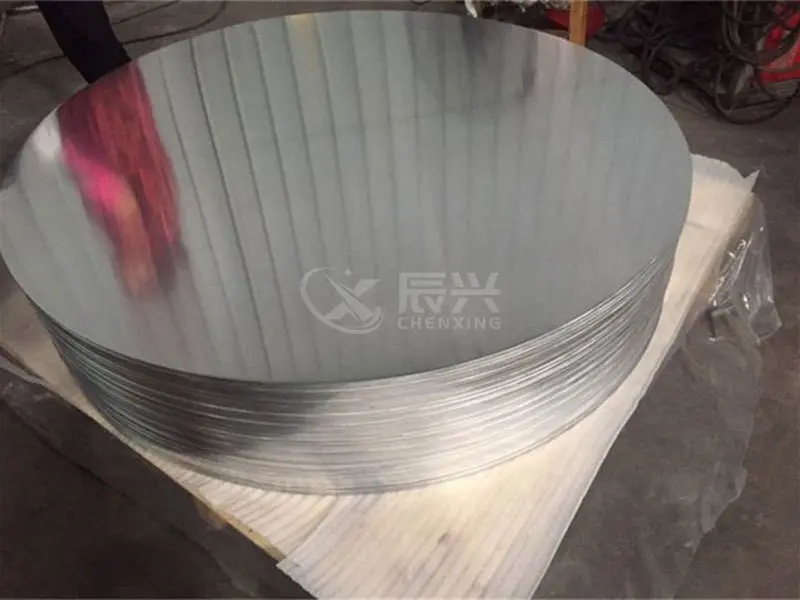
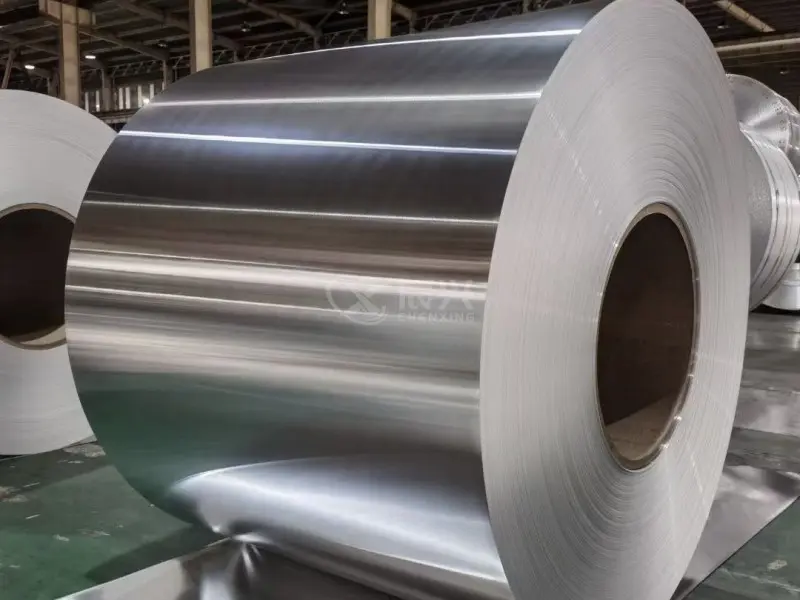
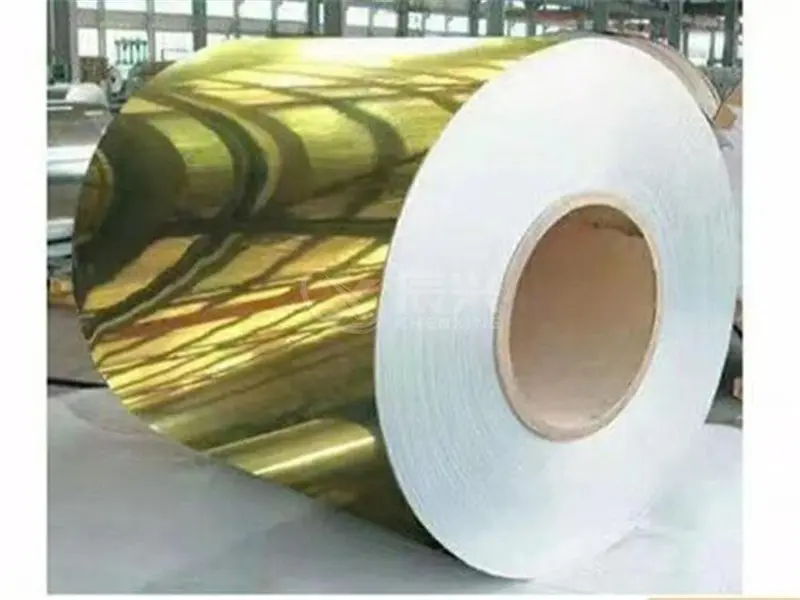
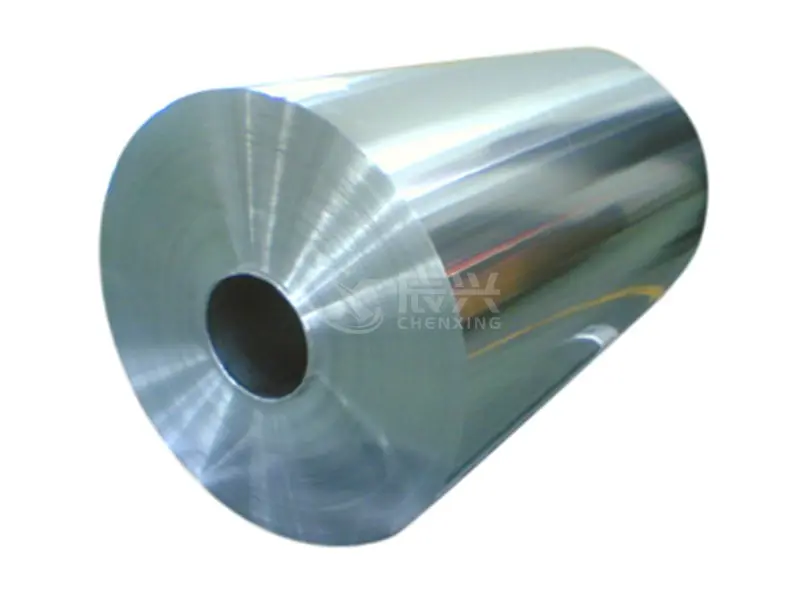
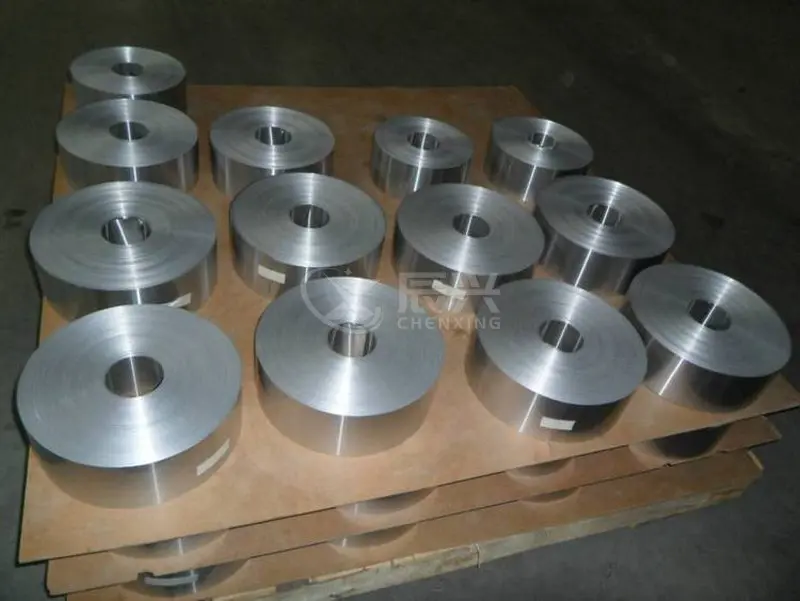
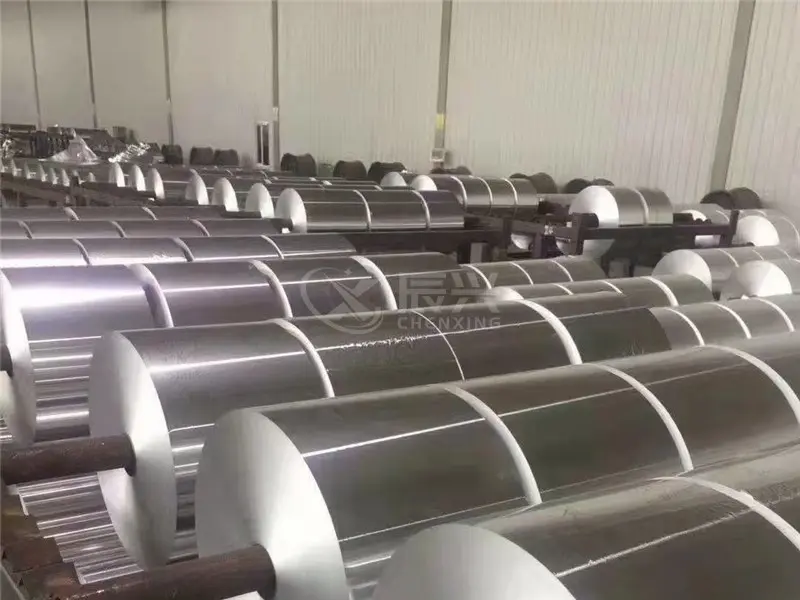
Customizing mechanical properties, grain structures, and surface coatings to serve diverse global sectors.
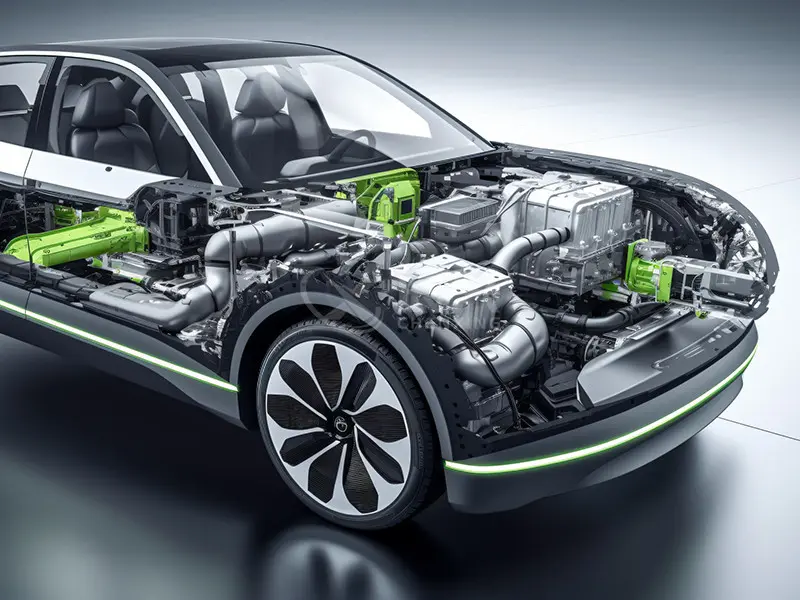
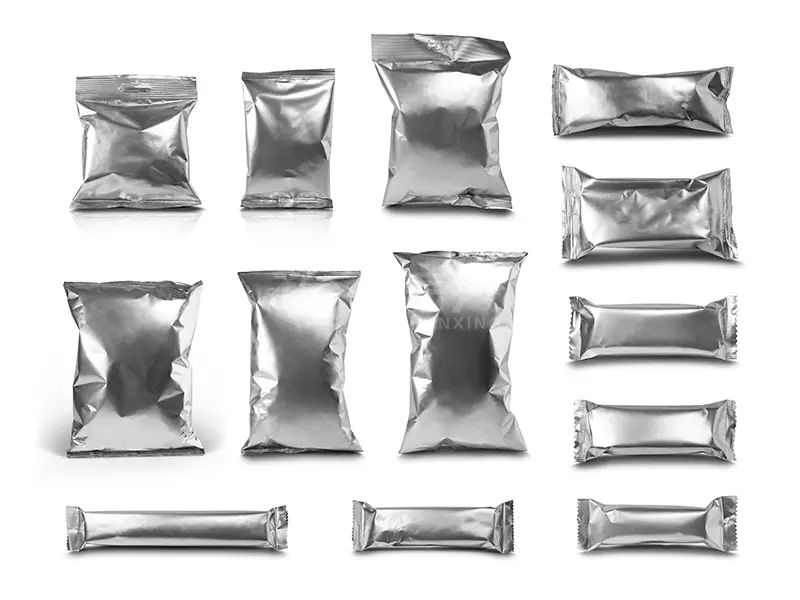


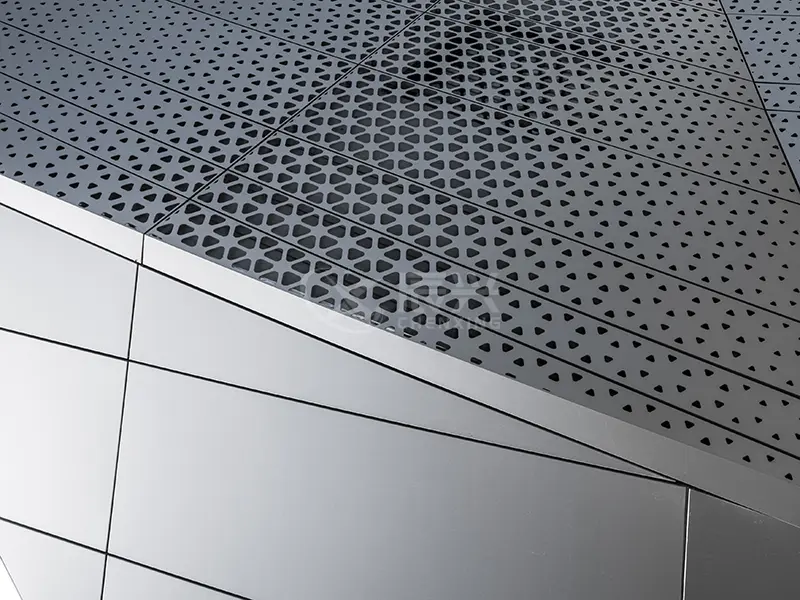
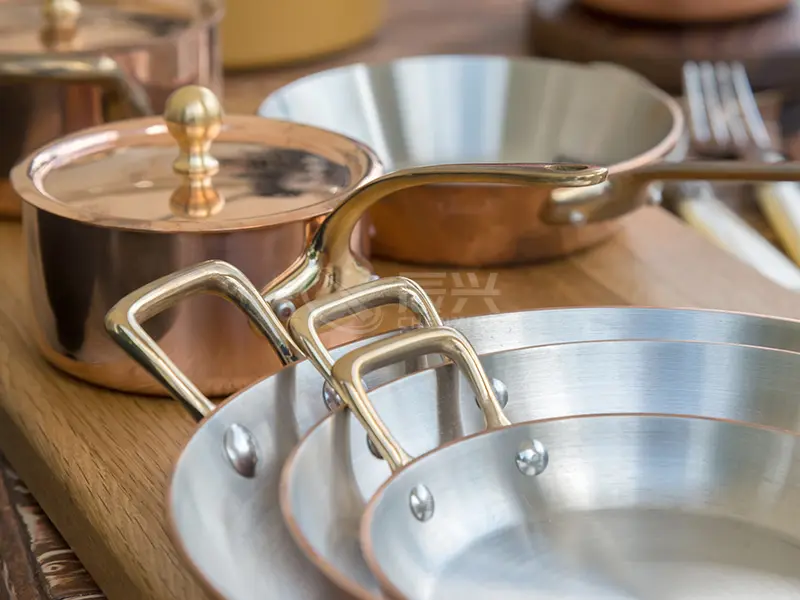
To meet high-speed automated pressing and forming parameters without fracturing, our manufacturing partners deploy state-of-the-art tension leveling and continuous annealing lines (CAL). Precision slitting and blanking machines slice through sheet rolls with minimized burr creation, protecting downstream forming dies.
Surface Engineering: Surface finish plays a crucial role in post-forming coatings. We offer varying roughness values (Ra 0.2 μm to 0.8 μm) dependent on whether the disc is intended for non-stick ceramic painting, hard-anodizing, or induction thermal bonding.
Future Outlook (Decarbonization & Automation): The international market demands structural changes in energy consumption. The transition to green hydrogen-powered smelting, high scrap-sorting robotic systems, and closed-loop scrap recycling represents our key technological path. Incorporating recycled content reduces energy footprints by up to 95%, allowing major consumer brands to meet Scope 3 emissions reductions while ensuring raw material purity remains uncompromised.
Provide your desired alloy grade, diameter, thickness range, and temper. Our engineers will reply within 24 hours with a comprehensive cost analysis.
Stay informed about global market shifts, raw material fluctuations, and factory upgrades.
Direct technical feedback from our engineering department regarding aluminum circle manufacturing and logistics.
Continuous-cast (CC) circles are highly cost-effective and suitable for shallow drawing processes or spinning. However, for deep-drawn applications (such as deep stock pots, pressure cookers, or high-deformation industrial components), hot-rolled (DC) circles are mandatory. DC circles possess a more uniform crystalline grain structure, lower earing rate, and higher elongation capacity without grain fracturing or cracking.
The orange peel effect is caused by coarse grain sizing within the aluminum alloy structure. Our factories control grain size through precise recrystallization schedules during annealing, typically targeting ASTM E112 Grain Size Number 6 or finer. Maintaining a controlled fine-grain distribution prevents localized rough deformation patterns, yielding smooth post-press surfaces.
Yes. While aluminum is inherently non-magnetic, we produce specialized structural blanks featuring integrated bottom-sprayed magnetic coatings, or we supply specific 3-ply and multi-clad discs (Stainless Steel + Aluminum + Stainless Steel) designed for induction bonding processes.
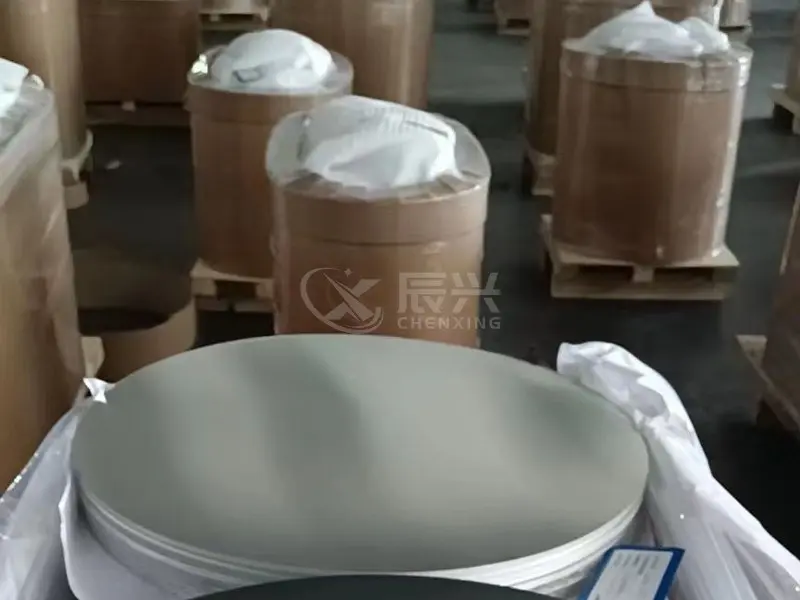
To prevent wet-storage stain (water oxidation), circles are securely stacked on reinforced wooden pallets, wrapped in heavy-gauge vapor-barrier plastic sheeting, packed with industrial desiccant bags, and enclosed in rigid wooden crates. This robust layout guarantees rust-free arrival in any international destination.
Explore specialized industrial options optimized for food-grade, pharmaceutical, and building systems.