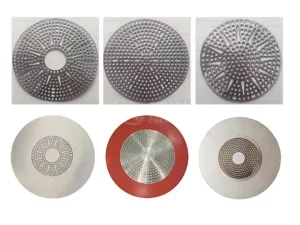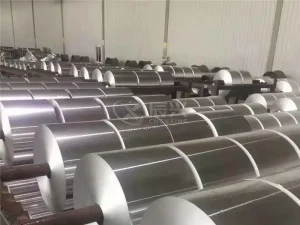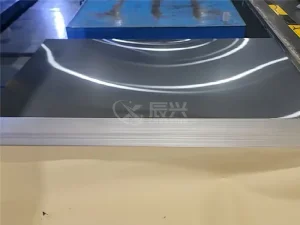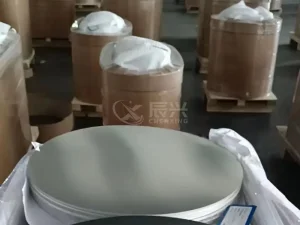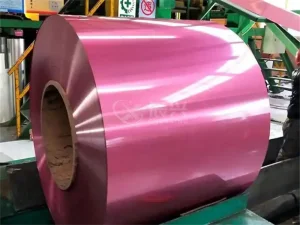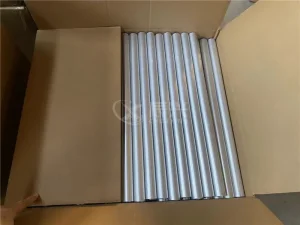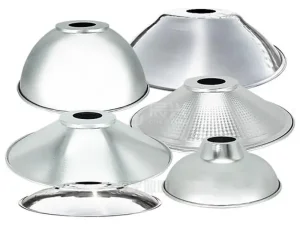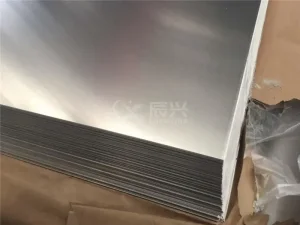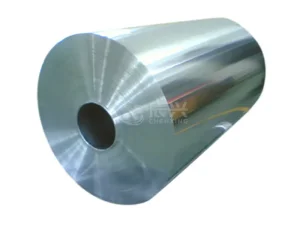
Explore our highly integrated downstream aluminum components manufactured under strict quality matrices to ensure optimum gauge tolerances, mechanical parameters, and surface integrity.
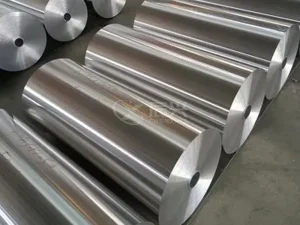
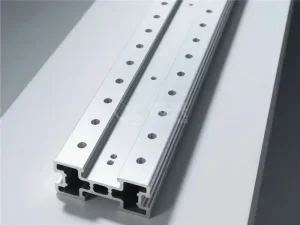
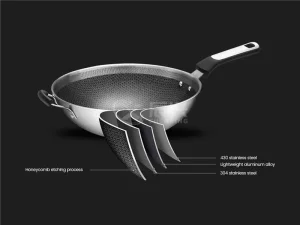
Aluminum rolling mills stand as the structural foundation of modern industrial fabrication. By transforming cast aluminum ingots into high-precision plates, sheets, and foils via continuous hot-rolling and cold-rolling methodologies, these industrial facilities supply the key structural materials driving structural shifts in energy, transportation, and consumer electronics.
The global demand for high-grade rolled aluminum products has escalated, primarily fueled by the electrification of vehicles, global carbon reduction goals, and packaging shifts away from single-use plastics. Achieving consistent gauge uniformity (often at tolerances down to ±1%), optimizing grain boundaries for deep drawing, and eliminating structural chatter marks are no longer optional values—they are the baselines for structural product reliability.
Modern rolling mill installations rely heavily on advanced Automatic Gauge Control (AGC) and Automatic Flatness Control (AFC) loops. By utilizing high-response hydraulic cylinders and shape-meter rolls, modern mills regulate mill shape and roll gaps in real-time, achieving mechanical parameters once considered impossible in large-scale metallurgical manufacturing.
As rolling technologies evolve, the relationship between raw material suppliers and OEM clients has shifted from simple commodity transactions to deep technical partnerships. Today’s buyers evaluate aluminum rolling mill companies based on metallurgical consistency, carbon footprint transparency, and global supply chain resilience.
We combine decades of industrial experience with modern manufacturing lines to deliver consistent, high-specification aluminum products to global tier-one industrial operations.
Deep expertise in casting, hot rolling, cold rolling, and precision finishing processes across standard and custom alloys.
Serving complex regulatory environments and high-precision manufacturers in North America, Europe, Asia, and beyond.

Every batch features comprehensive physical documentation, microstructural profiling, and precise tracking from ingot to final coil.

Our engineers utilize the standard 8D problem-solving framework to address and resolve technical and logistic issues within 24 hours.
When searching for a reliable partner, evaluating the geographical origin of your rolling mill supplier is crucial. Over the last two decades, China has transitioned from a high-volume base metal exporter to a global leader in high-performance aluminum rolling technology. This shift is driven by deep structural factors:
Unlike localized Western mills that often source ingots internationally, Chinese clusters (e.g., Henan and Shandong) operate within integrated ecosystems. Direct proximity to primary bauxite processing, coal/gas energy matrices, and scrap metal recovery loops reduces transit friction and ensures stable raw material feeds even during market disruptions.
Chinese rolling operations have aggressively integrated modern digital systems. Many installations feature advanced German, Italian, or domestic high-performance mills equipped with AI-based surface inspection scanners, automated tension levelers, and computerized temperature profiling models to ensure extreme dimensional accuracy.
For custom alloy formulations and dynamic slitting specifications, Chinese factories offer fast engineering turnarounds. A process that may take months in Western mills can often be engineered, tested, and certified within weeks due to agile tooling lines and abundant domestic engineering talent.
Precision-rolled aluminum is a critical structural element in many of the world's most demanding industries. Our rolling mills customize mechanical characteristics, alloy compositions, and surface treatments to match these specific requirements:

Reducing vehicle weight is key to expanding EV ranges. We supply high-formability 5xxx and 6xxx series plates and coils optimized for structural body sheets, chassis components, and inner door panels.
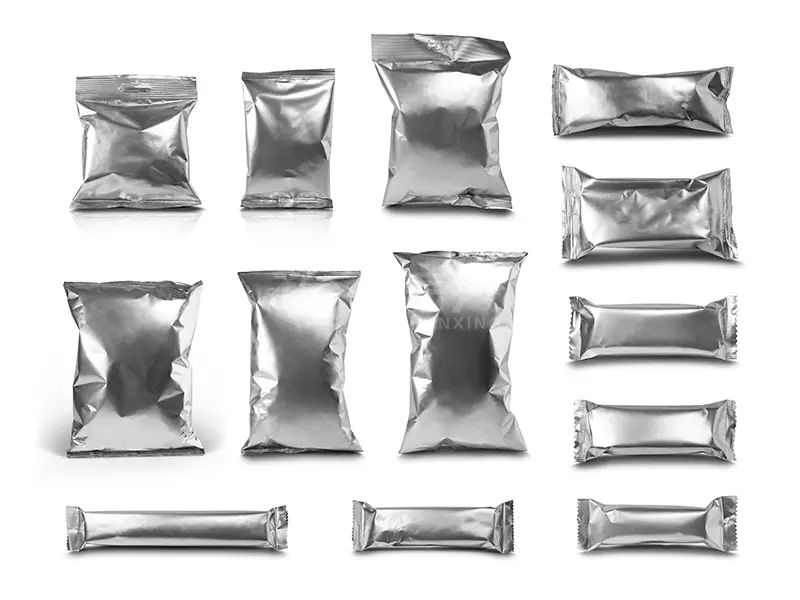
Providing high barrier properties against moisture, light, and gases. Ideal for food containers, beverage can stock, and pharmaceutical packaging, featuring strict surface cleanliness standards.

Thermal management is vital for high-performance computing and communication hardware. Highly conductive aluminum foils and sheets are widely used in heatsinks, shielding, and component casings.

Supplying high-strength, fatigue-resistant 2xxx and 7xxx series plates. These plates undergo rigorous ultrasonic testing and structural heat treatment to meet aerospace certification standards.
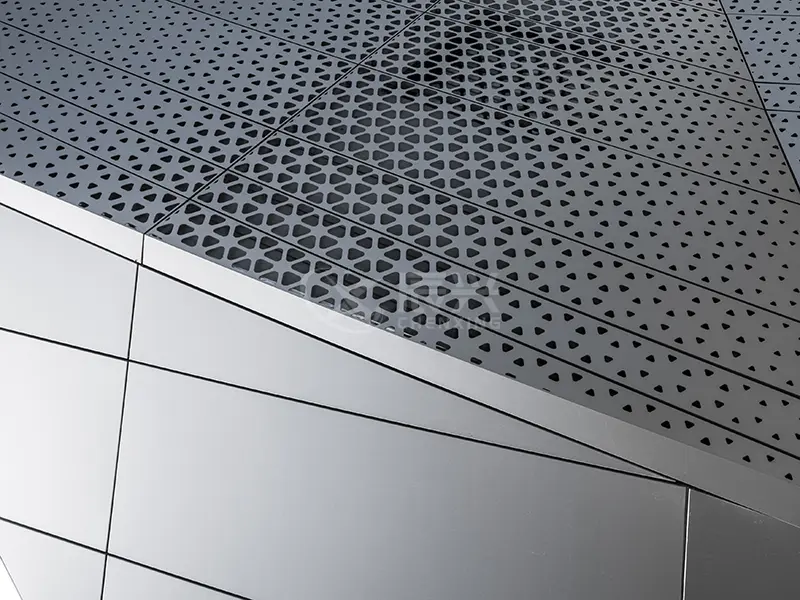
Supplying weather-resistant, coated aluminum panels and rolls for exterior architectural cladding, roofing, structural framing, and window profiles, combining durability with modern aesthetics.

Providing aesthetic finishes (brushed and mirror surfaces) and thermal performance for refrigerators, ovens, and washing machines, featuring easy-to-clean, fingerprint-resistant coatings.
The industrial rolling space is undergoing rapid technological updates to meet modern environmental and engineering standards. Industrial buyers should monitor these four key developments:
Modern EV lithium-ion battery cells require cathode current collectors thinner than 10 micrometers. Continuous cold rolling advancements have achieved thicknesses of 9 to 12 microns while maintaining high tensile strength to prevent web tears during battery winding.
With carbon taxes rising globally, incorporating post-consumer scrap back into primary casting loops is a major industry priority. Advanced sorting technologies allow rolling mills to output high-performance alloys containing over 75% recycled scrap.
High-speed cameras combined with machine learning models monitor sheet surfaces in real time. They detect, classify, and log pinholes, scratches, and oil residues at line speeds exceeding 1,200 meters per minute.
To ensure high-precision stamping and laser welding performance, tension levelers apply precise mechanical stress to eliminate strip crown, edge waves, and residual stress, delivering near-perfect flatness parameters.
Stay informed on the latest innovations, market shifts, and technology updates directly from our technical centers and global export markets.

Evaluating structural changes in international supply networks as global demands rise for high-grade industrial coils.
Read Full Report →
Technical analysis of carbon coatings and structural requirements for modern high-performance energy storage platforms.
Read Full Report →
Evaluating structural demand updates in architectural and building envelope fields toward recyclable structures.
Read Full Report →Review the key questions procurement teams and design engineers consider when partnering with an aluminum rolling mill company.
For inquiries about our products or pricelist, please leave your contact details below and our technical sales team will respond within 24 hours.
Submit Inquiry NowExplore the rest of our catalog, featuring specialized alloys, custom circles, and foil formulations engineered for industrial application requirements.