Engineered to exact specifications, supplying global markets with high-grade aluminum materials.

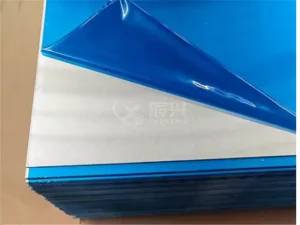
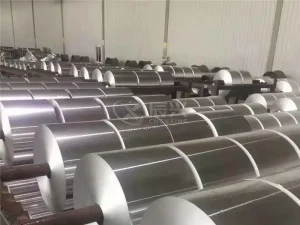
Modern global manufacturing requires high-grade aluminum materials optimized for specific structural, thermal, and electrical roles. Industrial sectors are moving away from standard, off-the-shelf alloys to specialized products configured for complex assembly lines. Procurement strategies now prioritize supply chains that balance raw material quality with process capability, regulatory compliance, and reliable logistics.
Organizations must secure suppliers capable of providing high thickness consistency, strict alloy purity, and advanced surface finishes. For instance, in structural applications, utilizing an alloy like 5052 aluminum demands clean magnesium dispersion to ensure excellent salt-water corrosion resistance and workability. Similarly, electrical and battery assemblies require specialized foil products with micro-level thickness tolerances to prevent operational failures.
Through integrated control of melting, continuous casting, and cold rolling, modern manufacturers can maintain mechanical properties across large production runs, reducing downstream waste and processing downtime.
Navigating global logistics requires working with manufacturers that provide complete visibility and compliance documentation. Industrial-grade aluminum procurement is shaped by international tariffs, regional trade standards, and carbon border adjustments, making structural stability essential. Partnering with a manufacturer offering comprehensive export documentation helps mitigate unexpected regulatory delays.
Leading production facilities rely on strict quality control workflows, such as the 8D Response Methodology, to address and resolve any production anomalies. This structured problem-solving framework ensures root causes are identified and corrected, keeping large-scale orders on schedule. Furthermore, 24-hour engineering and customer support helps maintain smooth alignment between design specifications and final manufacturing output.
Scientific advancement in rolling, tempering, and surface finishing technologies.
Delivering high-purity aluminum alloys configured for major global industrial sectors.
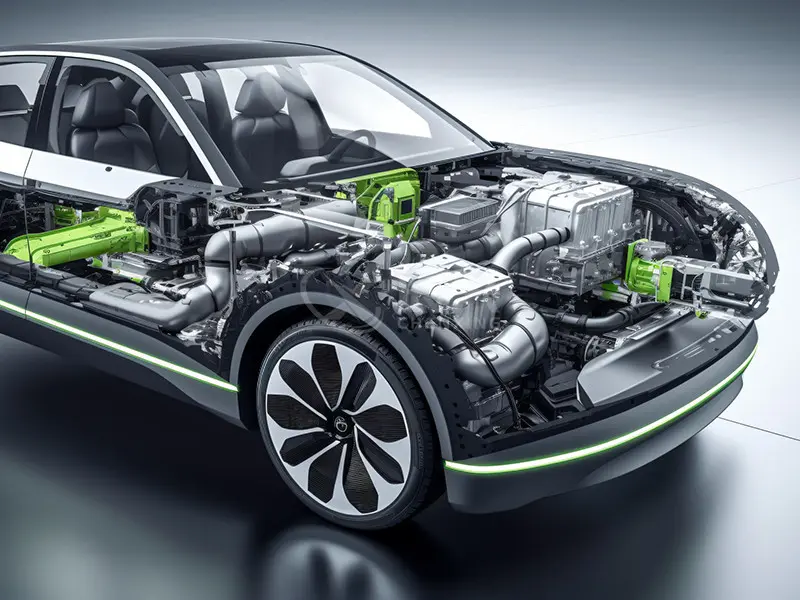
Reducing vehicle weight to lower emissions. High-formability sheets and circles are widely utilized in automotive bodies, transit systems, and structural framing panels.
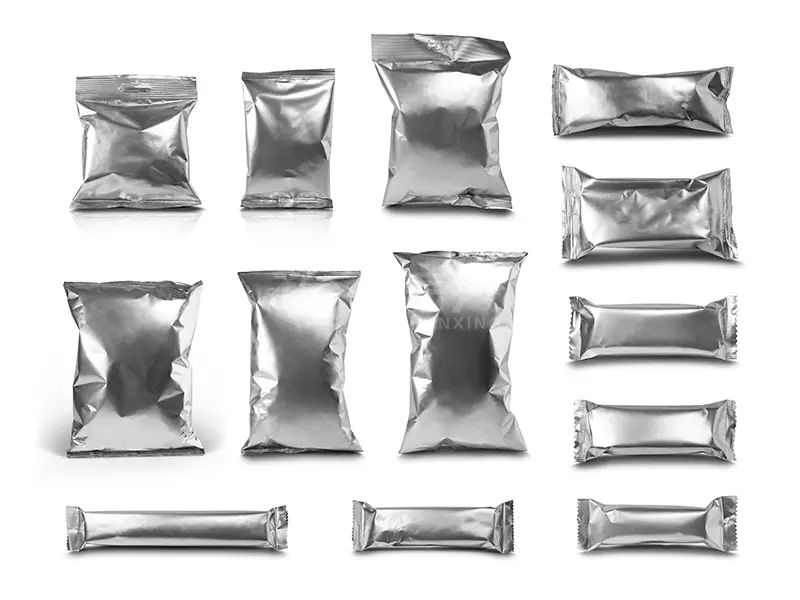
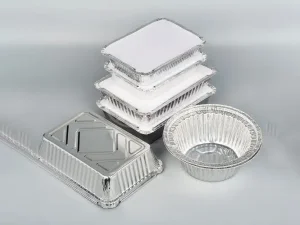
Providing high-barrier protection for food and pharmaceutical packaging. Clean foil alloys protect sensitive goods from moisture, light, and oxidation.

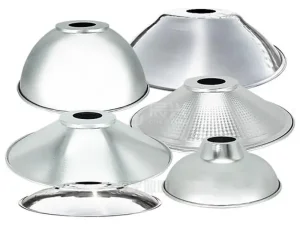
Providing thermal and electrical conductivity for digital systems. Used in heat sinks, capacitor casings, LED lighting reflectors, and battery components.

Engineered for high strength-to-weight ratios. Offers fatigue resistance and structural stability under extreme pressures and temperatures.
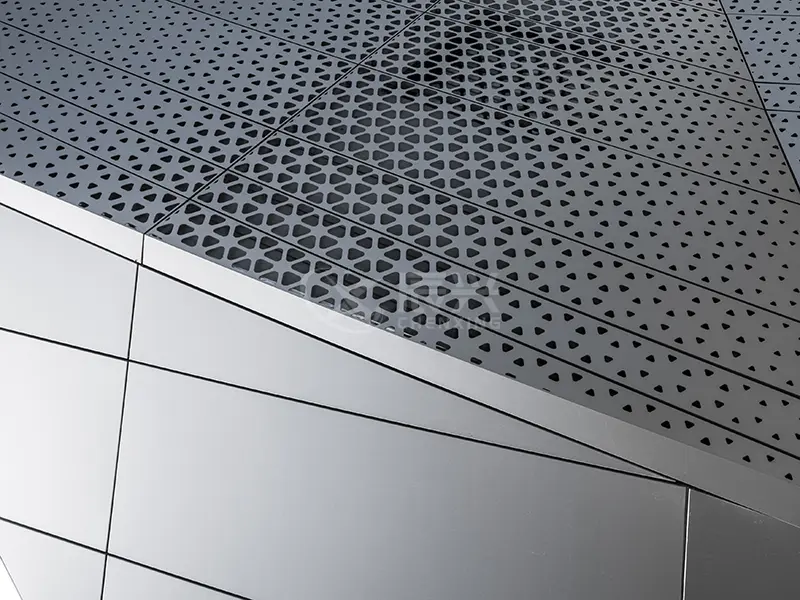
Used in modern facades, roofing, window frames, and wall cladding. Offers long-term weatherability and low maintenance overhead.

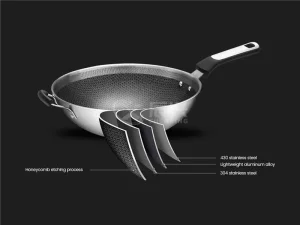
Providing aesthetic appeal, heat distribution, and ease of cleaning for refrigerator panels, cookware liners, and HVAC air conditioning fin stocks.
A trusted global supplier of quality aluminum goods, operating under strict international standards.


The global metal industry faces growing pressure to reduce its carbon footprint. Regulatory frameworks like the EU's Carbon Border Adjustment Mechanism (CBAM) require imported materials to verify their carbon intensity. In response, modern aluminum manufacturers are optimizing energy efficiency during smelting and recycling scrap material to lower environmental impact.
By using renewable energy sources and cleaner casting technologies, we produce aluminum goods with reduced carbon profiles. This helps procurement teams meet their scope emissions targets while ensuring compliance with emerging import regulations in North America and European regions.
Future industrial applications demand materials with higher strength, lower weight, and better thermal stability. R&D is focused on modifying conventional alloy chemistry with trace elements like zirconium and scandium to improve grain structures. This prevents recrystallization during thermal cycles, making the alloys suitable for high-stress applications.
Additionally, refining casting parameters helps prevent surface defects and structural variations in high-end alloys like 3003 and 5052. This ongoing metallurgical development supports the strict requirements of automotive battery casings and high-frequency communication enclosures.
Insights into global trade dynamics, material processing innovations, and industrial demands.
Industrial demand for semi-finished sheets and coils continues to grow. Our facility has integrated new casting lines to scale output while maintaining dimensional accuracy.
The growth of energy storage technologies highlights the need for battery-grade foils. Controlling surface cleanliness and pinhole rates remains crucial for modern battery cells.
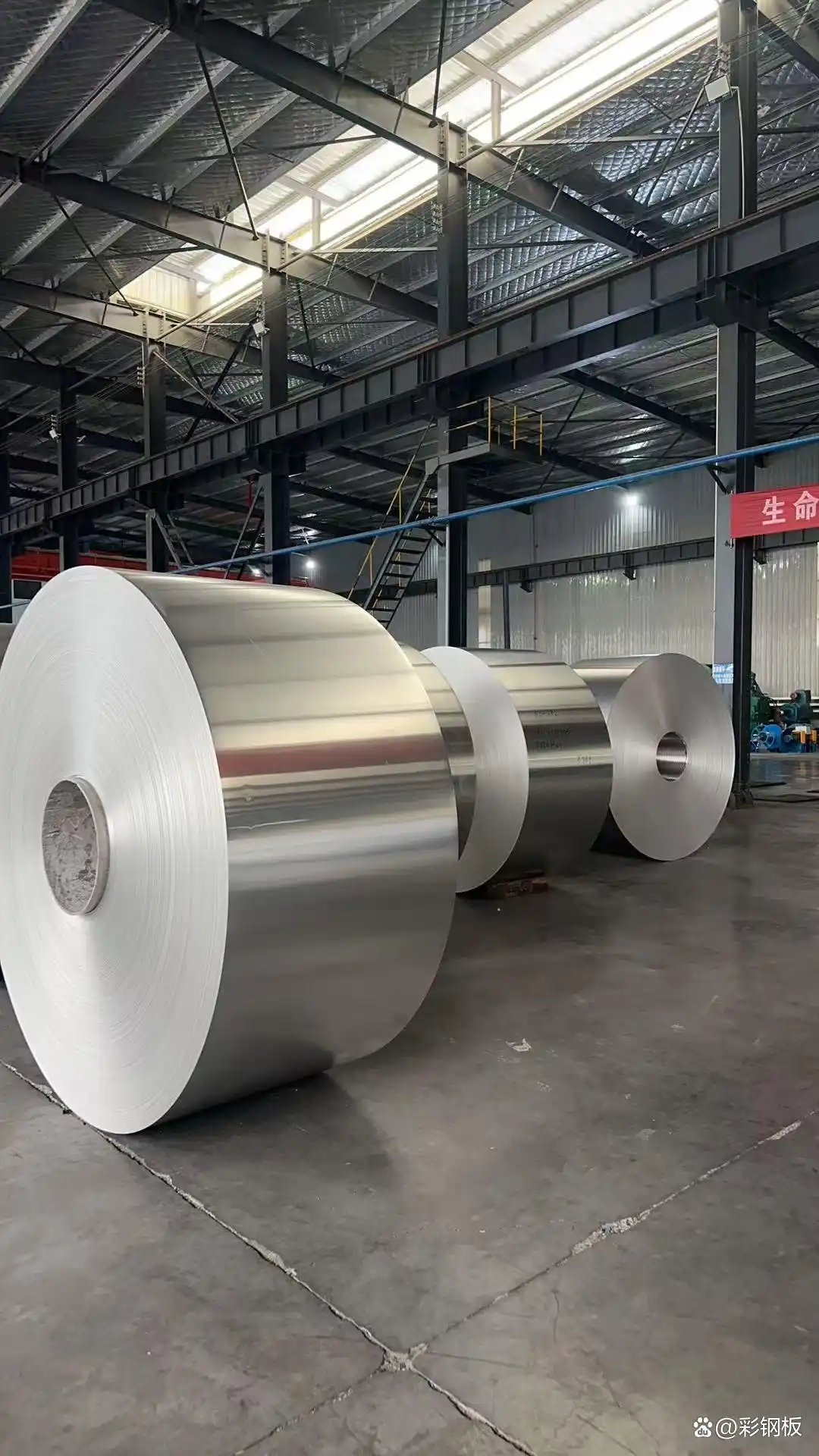
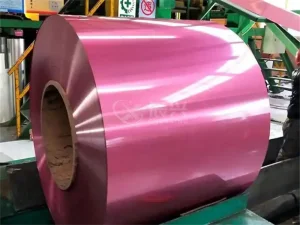
Architects are selecting aluminum coils for cladding due to their durability and recyclability. Polyester and PVDF coatings provide long-term protection against weathering.
Technical guidance and answers to common industrial procurement questions.
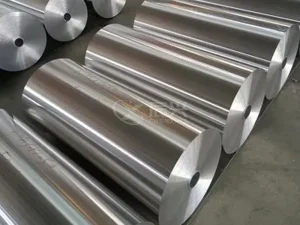
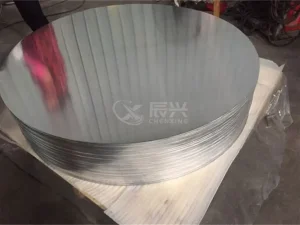
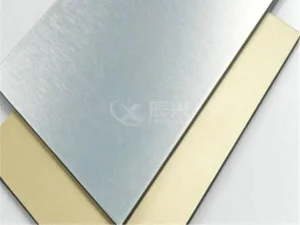
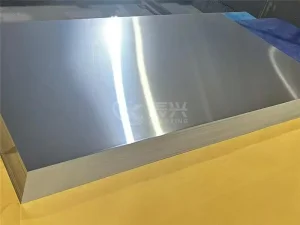
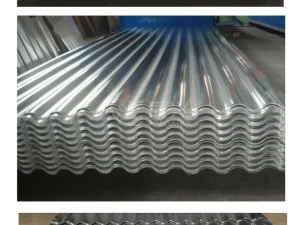
A broad selection of technical grades, foils, and specialized sheets for diverse application demands.
Discuss your metallurgical requirements, alloy tolerances, volume pricing, and global logistics options. Receive a detailed quotation within 24 hours.
Request Technical Consult & Quote