
Explore high-quality industrial-grade aluminum sheets, circles, and foils engineered for peak performance.
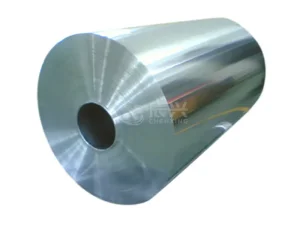
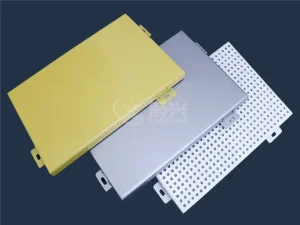
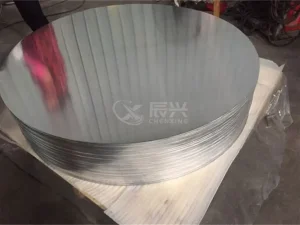
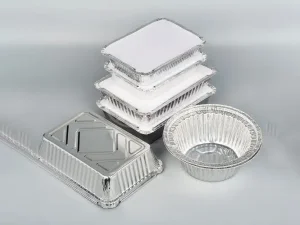
A technical deep-dive into resolving yield rates, chemical composition control, and high-performance applications.
For electronic foils and lithium-ion batteries, aluminum purity must exceed 99.9%. Micro-alloying elements like Iron (Fe) and Silicon (Si) are monitored strictly within ppm-level tolerances to prevent electrical short-circuiting and optimize electron transport.
Industrial high-speed laminating lines demand foils with robust tensile strength and superior elongation characteristics. This minimizes tearing, controls pinhole density to dynamic minimums, and ensures optimal performance during thermal sealing processes.
Standard packaging and electrical applications require a pristine, lubricant-free surface. Advanced continuous washing systems ensure dyne levels surpass 38 mN/m, preventing delamination when bonded with films and adhesives.
When searching for Aluminum Foil Makers, Companies & Factories, technical buyers are looking beyond catalog catalogs. Global procurement managers need clear information on structural parameters, raw material origins, manufacturing tolerances, and quality verification standards.
Modern foil conversion demands precise mechanical properties. Whether producing food containers or structural layers for HVAC equipment, foil behaves as a system. Its chemical composition determines grain structures, recrystallization temperatures, and mechanical properties. Thus, a factory's annealing accuracy and cold-rolling schedules are as critical as the primary ingot quality.
We configure our manufacturing lines around these requirements. Using multi-stage cold rolling mills, continuous thickness feedback loops, and advanced thermal processing chambers, we consistently produce aluminum foils that satisfy the strict requirements of modern manufacturing plants.
Decades of experience coupled with cutting-edge quality control and global logistics capabilities.
Optimized raw material logistics, zero-downtime operations, and advanced quality systems.
Our Factory 4.0 infrastructure leverages end-to-end digitalization. From the reception of primary aluminum ingots to the automated packaging of finished foil rolls, every manufacturing step is tracked by an integrated Manufacturing Execution System (MES). This real-time visibility guarantees consistent traceability, allowing us to generate detailed physical test reports and chemical composition certificates for every production batch.
Our raw material supply chain relies on direct partnerships with leading bauxite mining and primary smelting hubs. This direct access buffers production lines against raw material price shocks and ensures steady supply during peak global demand periods.
By coupling continuous vertical integration with high-speed automated rolling lines, we significantly reduce manufacturing lead times. This allows us to offer shorter shipping schedules and more competitive pricing configurations than conventional regional suppliers.
| Parameter Type | Industrial Tolerance Specification |
|---|---|
| Foil Thickness Range | 0.005 mm (5 Microns) to 0.2 mm (200 Microns) |
| Thickness Tolerance (AGC) | ± 1% (Ultra-precise cold-rolling control) |
| Alloy Designations | 1050, 1235, 3003, 8011, 8021, 8079 |
| Wetting Tension (Dyne Level) | ≥ 38 mN/m (Grade A clean surface) |
| Tensile Strength Range | 60 MPa - 230 MPa (Tempered Dependent) |
Pioneering tomorrow's foil technologies today, from ultra-thin battery separators to green energy-saving processes.
Perfecting high-speed production of 4.5-micron battery-grade cathode foil. This advance maximizes volumetric energy density for solid-state and lithium-ion batteries.
Integrating renewable solar and hydropower inputs into rolling mills, reducing the embedded carbon footprint of our finished foil products by up to 40%.
Introducing inline carbon coating and advanced conversion technologies. These enhance chemical resistance and conductivity, eliminating the need for separate pre-coating processes.
Deploying smart RFID sensors within core packaging elements to monitor temperature and relative humidity levels throughout international transit.
Preserving, insulating, and protecting. Engineered solutions for diverse international markets.
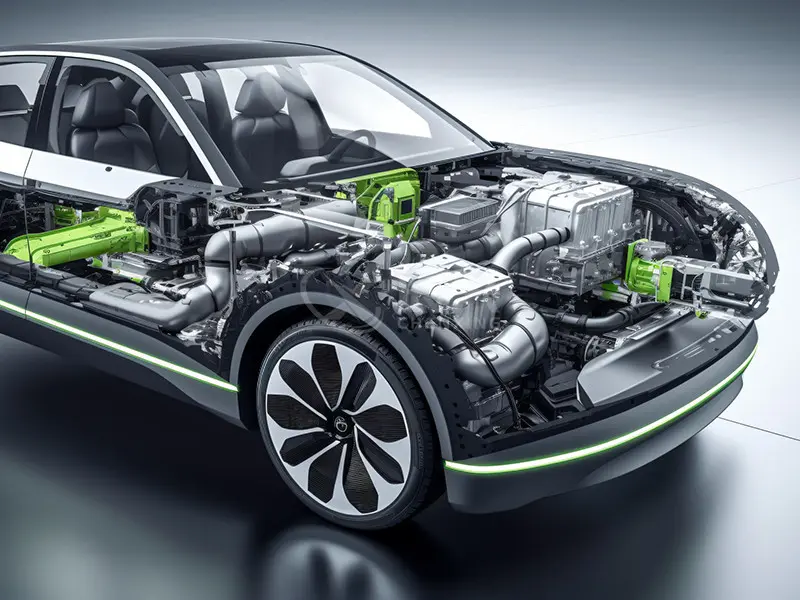
Lightweight structural panels, battery shields, and dynamic heat exchangers for electric vehicle architectures.
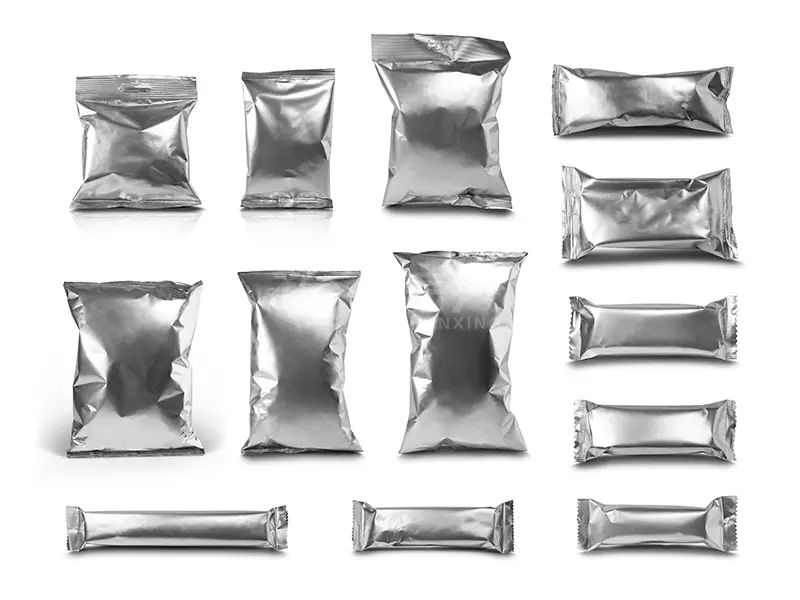
High-barrier packaging materials, blister packs, and food-grade foils that block moisture, light, and gases.

Ultra-pure cathode collectors, electrostatic shielding laminates, and precision-wound capacitor foils.

High strength-to-weight structural honeycombs and thermal radiation barriers designed for extreme temperatures.
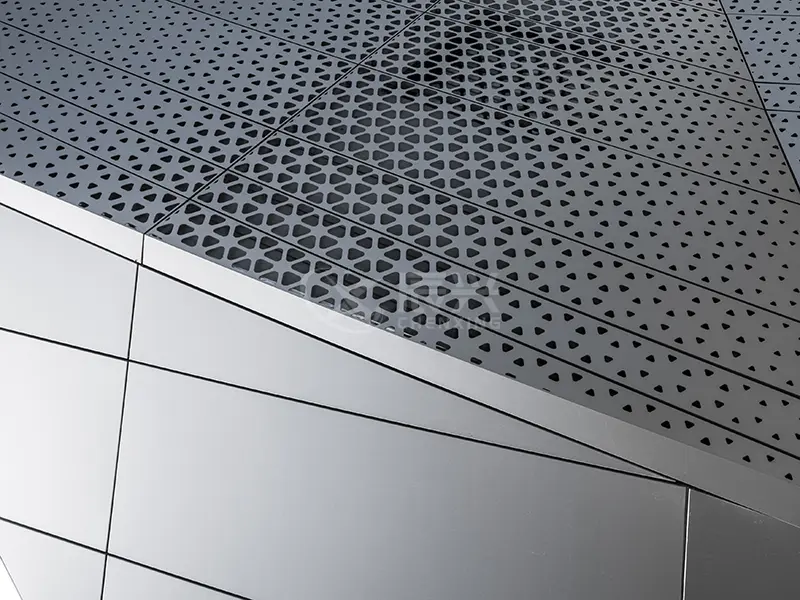
Durable composite wall claddings, reflective vapor insulation barriers, and architectural trims.

Condenser fin stocks, internal structural liners, and decorative metal plates with premium surface finishes.
Aligning manufacturing standards with international environmental and quality regulations.
Our production facilities fully comply with FDA food packaging specifications, REACH chemicals regulations, and the RoHS directive. This ensures hassle-free customs clearance and safe product utilization in sensitive applications.
We maintain active ISO 9001:2015 (Quality), ISO 14001:2015 (Environment), and ISO 45001 (Occupational Health) certifications. These confirm that our manufacturing practices are audited and conform to recognized global standards.
We provide full documentation, including Certificates of Analysis (COA), Mill Test Certificates (MTC), origin documentation, and third-party testing reports (SGS, TUV) with every shipment.
International metal sourcing involves managing raw material price volatility, logistical delays, and shifting regulatory demands. Our global trade support team coordinates directly with freight partners to streamline customs processing and ensure reliable delivery timelines.
We offer customized packaging options to protect your shipments. By using heavy-duty wooden boxes, anti-corrosion VCI wraps, and desiccant systems, we prevent oxidation and physical damage during marine transit.
Our localized support engineering teams assist you with troubleshooting and alloy selection. From adjustment of drawing parameters to tool optimization, we work to ensure our materials integrate seamlessly with your automated production lines.
Key criteria to evaluate when selecting aluminum foil manufacturing partners.
Procuring metal raw materials requires a thorough evaluation of technical capabilities. The lowest purchase price can easily be offset by high rejection rates at your production line. Quality assurance relies on a supplier's raw material sourcing, rolling mill control, and final testing procedures.
A capable foil manufacturer must demonstrate excellent gauge control. Foil thickness variations directly impact thermal sealing, lamination performance, and finished product weight. Ensure your manufacturing partner utilizes online thickness measurement systems with closed-loop controls.
Assess the mill's surface cleaning systems as well. Wetting tension (dyne level) determines the bonding strength of laminates and inks. Insufficient degreasing leaves processing oils on the surface, which can cause delamination and batch failures.
Verify thickness control mechanisms, maximum roll widths, slitting tolerances, core choices (steel vs. cardboard), and dynamic minimum order quantities (MOQ).
Prioritize manufacturers who welcome physical factory inspections or provide live video tours of production lines and physical properties testing laboratories.
Stay updated on aluminum exports, battery foil requirements, and green production technologies.
Driven by recovery in industrial production, exports of semi-finished aluminum sheets and coils have grown significantly. Our factory has expanded capacity to support global supply chains.
Read full story →
With electric vehicle production rising, demand for high-strength, thin battery foils is increasing. Learn how carbon coatings improve electrical contact and cycle life.
Read full story →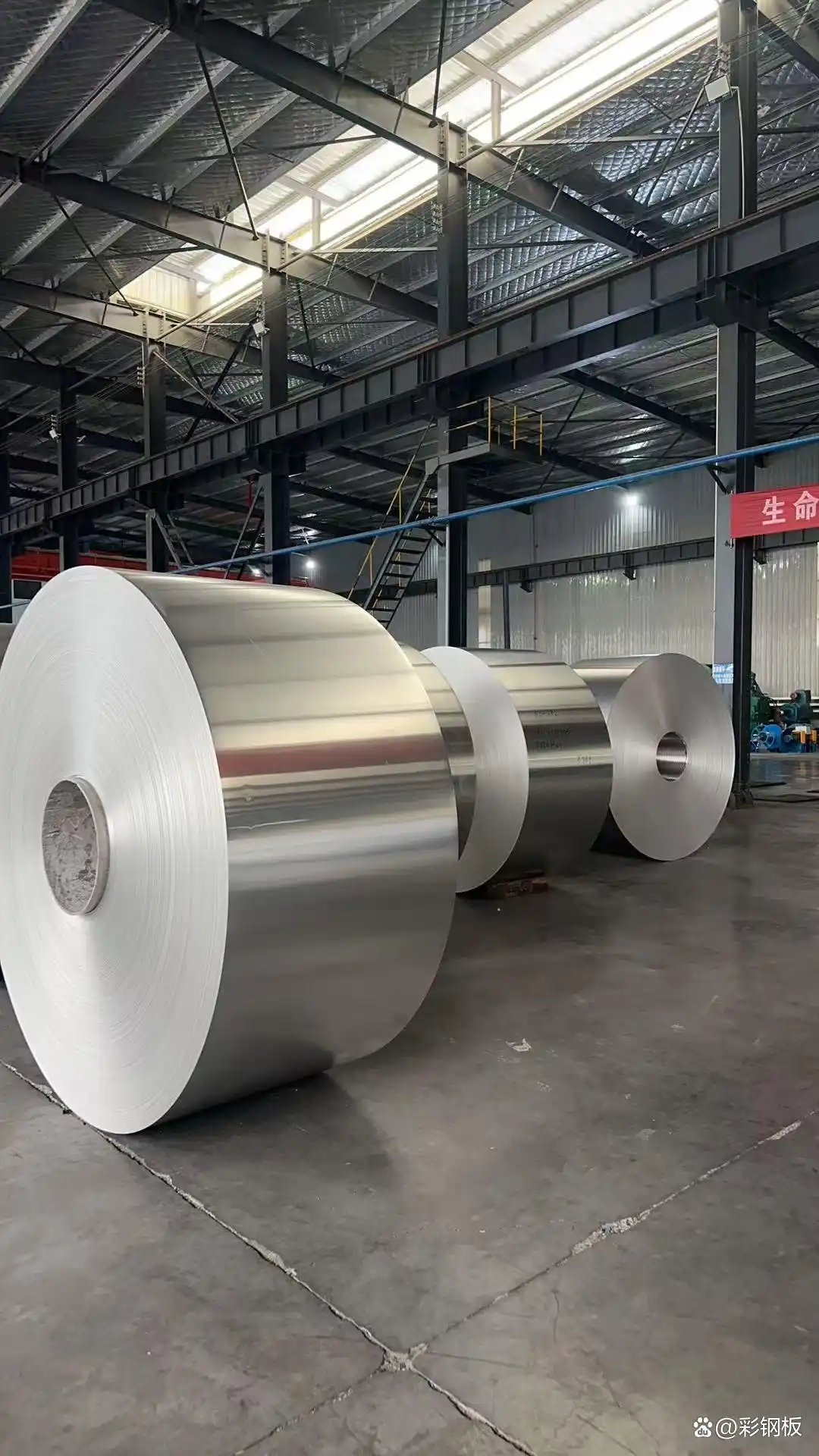
Architects are prioritizing recyclable aluminum building materials. This shifts demand toward premium coated sheets and textured panels that improve thermal performance.
Read full story →Answering technical questions from procurement officers and quality engineers.
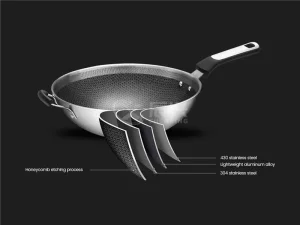
A comprehensive selection of specialty foils, strips, and structural profiles for engineering and construction.
Provide your alloy specifications, tempers, and sizing requirements. Our engineering and sales team will contact you with a detailed quote within 24 hours.