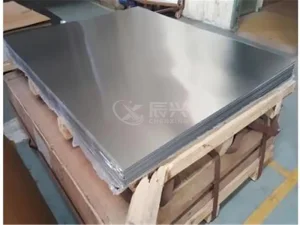
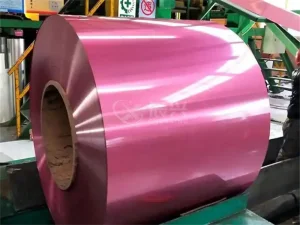
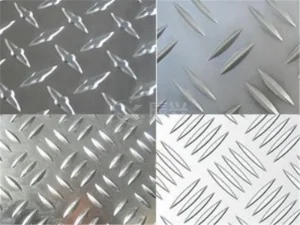
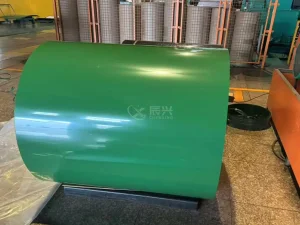
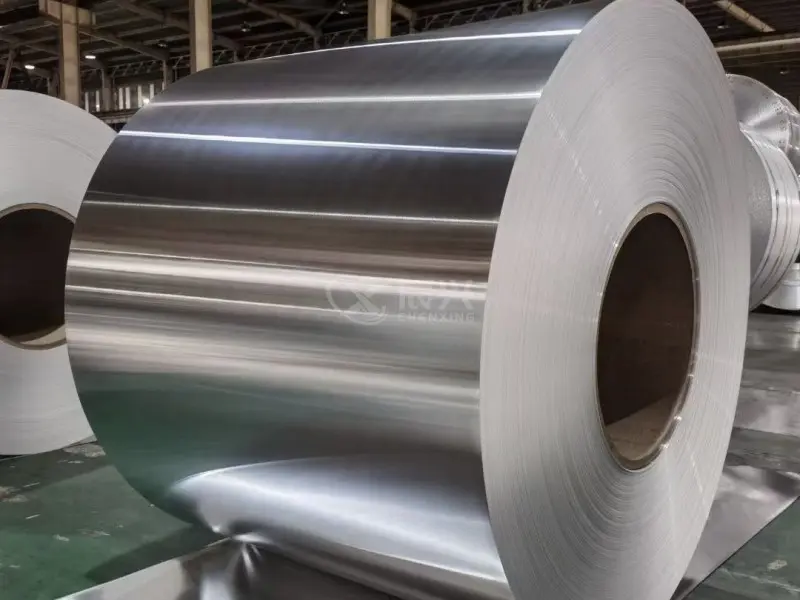
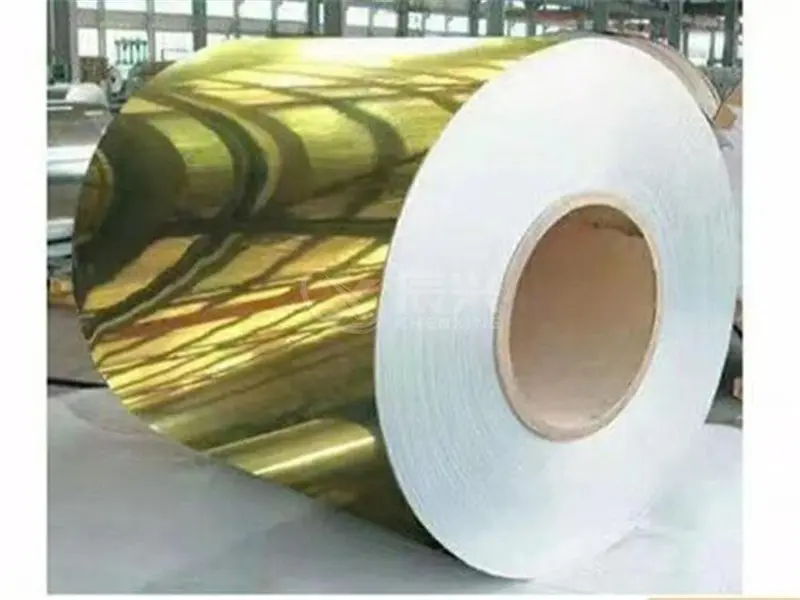
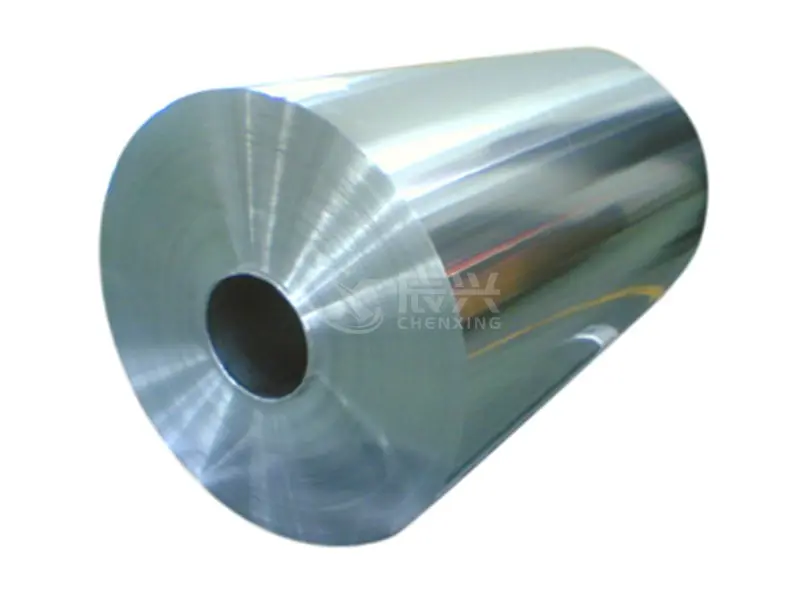
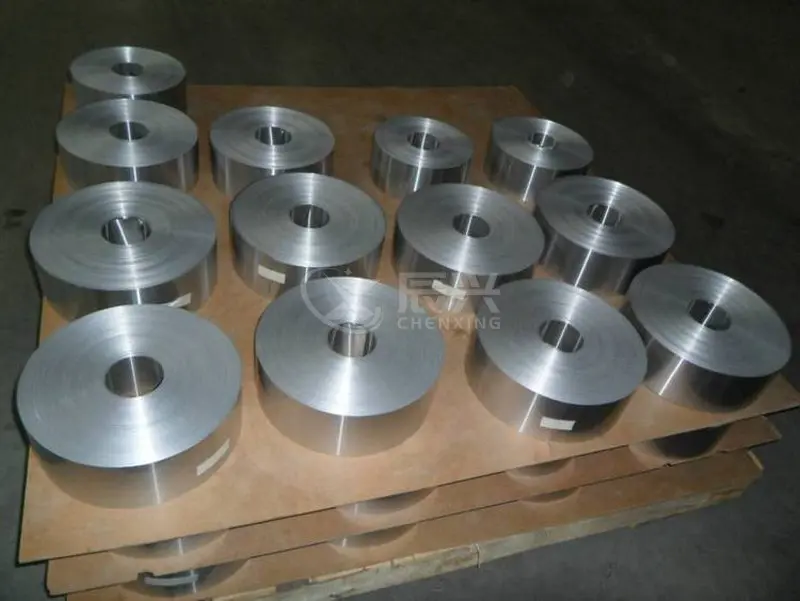
Direct from fully integrated, ISO-certified coating lines and manufacturing units. Explore our foundational raw stocks and specialized structural solutions.
Setting the benchmark for high-performance coated aluminum manufacturing, rigorous quality control, and responsive support.
A deep dive into advanced polymer coatings, material sciences, automated manufacturing, and modern supply chain dynamics.
SEO Intent Focus & Information Gain: Industrial procurement of coated aluminum has moved beyond basic price bidding. Today, sourcing managers seek reliable supply partners capable of delivering verified physical performances (adhesion, salt spray resistance, flexibility metrics) coupled with reliable supply chain resilience. This whitepaper explains the technical specifications required to optimize your next procurement cycle.
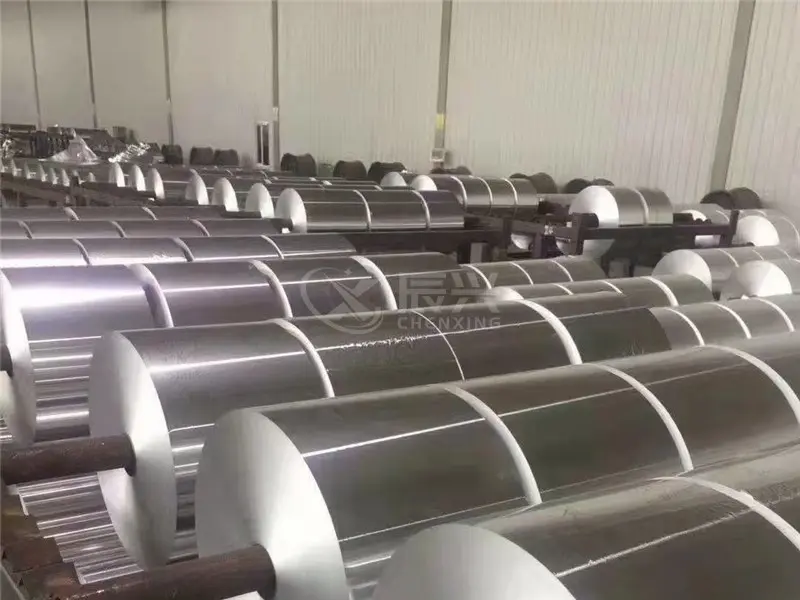
The industrial evolution of aluminum protection has shifted from post-fabrication spray painting to automated, high-precision continuous coil coating lines. Historically, post-sprayed finishes struggled with consistent dry film thickness (DFT), structural edge pooling, and micro-void configurations. Modern coil-coating technology addresses these issues by applying chemical pre-treatments, primers, and topcoats onto a moving metal sheet under precise tension.
This continuous process guarantees a uniform coating layer across the width and length of the coil, allowing the material to be stamped, rolled, and formed without cracking or delamination. This performance relies on specialized coatings like PVDF (Polyvinylidene Fluoride) and High-Durability Polyester (HDP), engineered to endure severe mechanical forming.
Utilizes a 70% Kynar 500 or Hylar 5000 fluorocarbon resin configuration to provide exceptional resistance to weathering, chemical breakdown, and UV light, ideal for harsh industrial environments.
An economical, highly flexible coating option for interior panels, domestic appliances, and applications requiring vibrant colors, high-gloss finishes, and good impact resistance.
An electrochemical process that converts the metal surface into a durable, corrosion-resistant anodic oxide finish. It enhances surface hardness and provides excellent adhesion for secondary coatings.
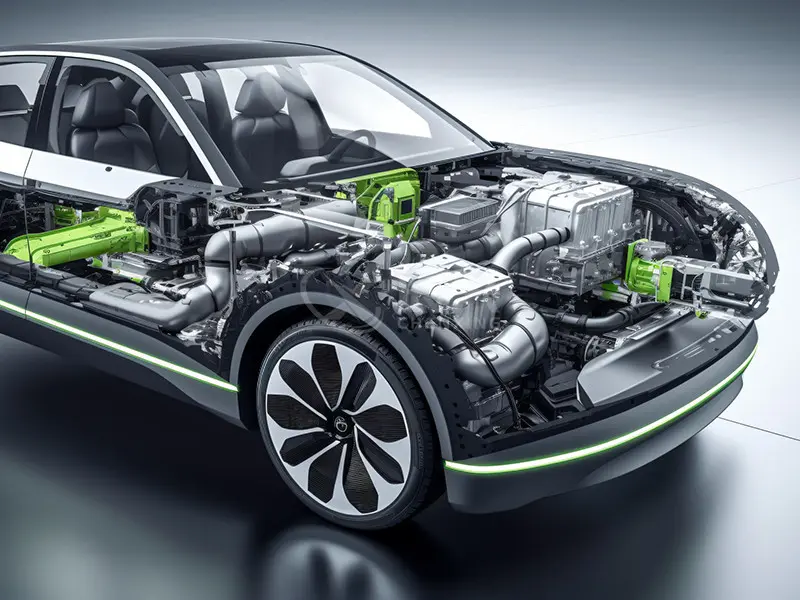
Industrial procurement departments require suppliers that adhere to strict international standards like AAMA 2605, EN 1396, and ASTM guidelines. Modern applications span high-performance transportation, electronics, and structural projects:
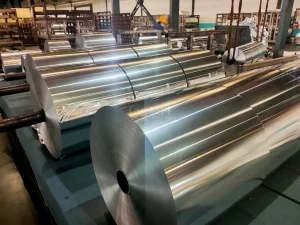
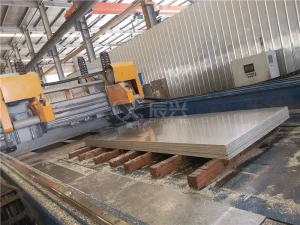
Leading Chinese manufacturing hubs have adopted Factory 4.0 standards, integrating smart operations from raw aluminum ingot smelting to finished, coated coil production. Automated systems control chemical pre-treatment stages, coil feed rates, and curing oven temperatures to ensure consistent quality.
These smart manufacturing lines are backed by automated optical inspection systems that scan the coated surface in real-time, instantly identifying and marking surface anomalies, color deviations, or micro-voids. This technological integration, paired with reliable raw material access and efficient logistics near deep-water ports, helps mitigate global supply chain risks and ensures dependable project timelines.
Direct integration with smelting lines ensures precise alloy composition control (AA1xxx, AA3xxx, AA5xxx, AA8xxx series) before casting and hot/cold rolling stages.
Multi-stage cleaning and eco-friendly chrome-free passivation layers are applied to guarantee superior paint adhesion and under-film corrosion resistance.
State-of-the-art roll coaters apply primers, barrier coats, and protective top layers. Curing is managed via high-efficiency, multi-zone gas ovens with real-time temperature tracking.
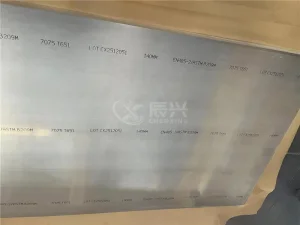
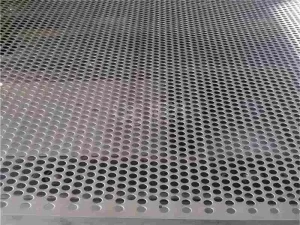
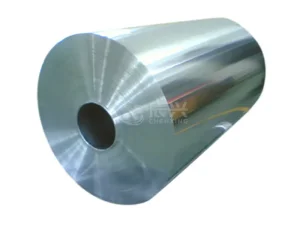
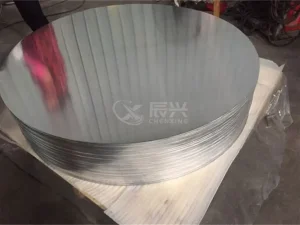
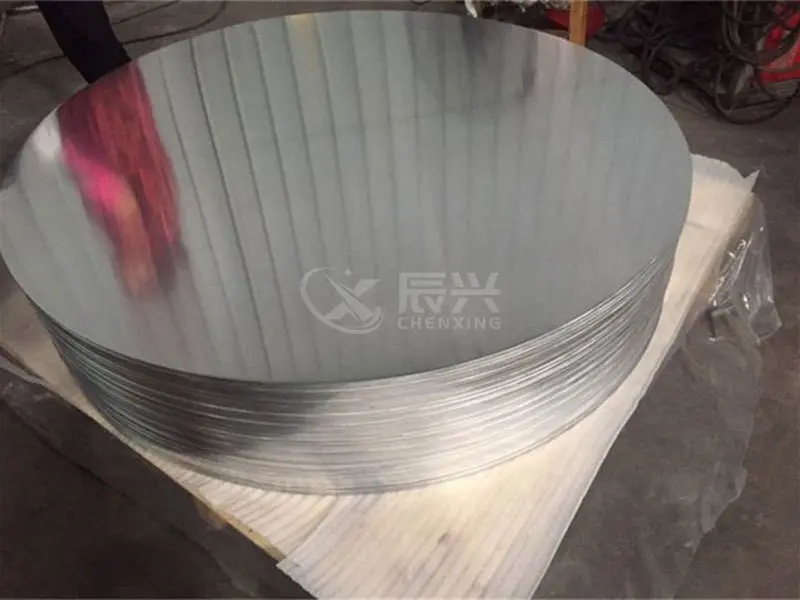
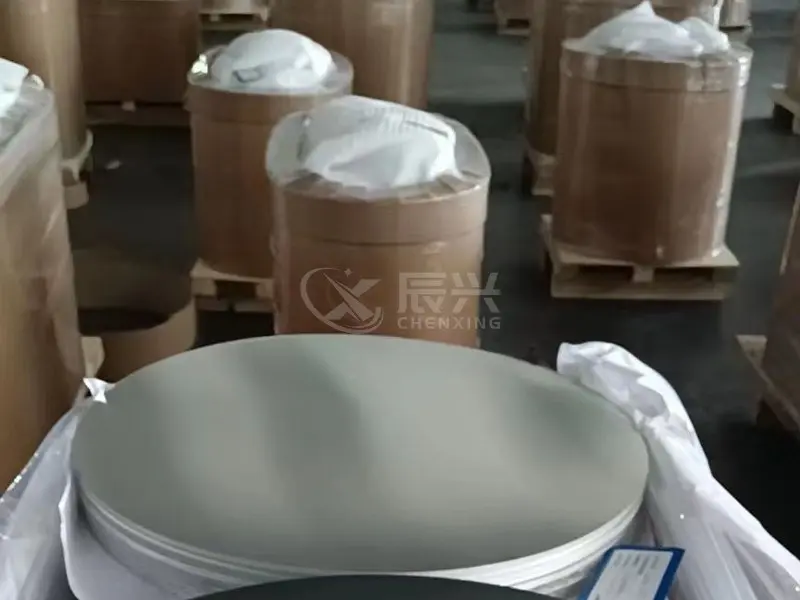
Explore our structural plate formulations, specialized packaging foils, and precision-engineered industrial circles.
How our coated aluminum and foil products perform in challenging real-world environments.
In battery manufacturing, the chemical purity of the current collector foil is critical. Our battery-grade aluminum foil features high mechanical tensile strength and tight thickness control. This ensures smooth processing in high-speed coating lines and reliable energy transfer, reducing internal resistance in the cell.
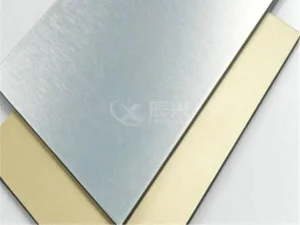
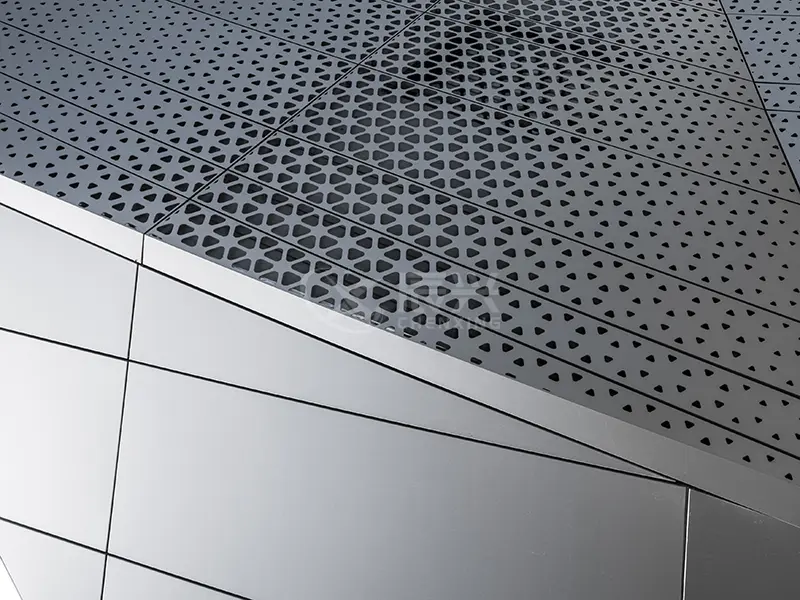
For building envelopes, our PVDF-coated aluminum coils provide durable protection against atmospheric corrosion. These pre-painted metals undergo rigorous testing for adhesion, color retention, and chemical resistance. This guarantees the facade remains vibrant and structurally sound for decades, even in intense sun or near industrial zones.
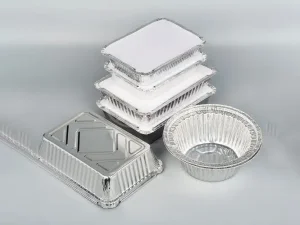
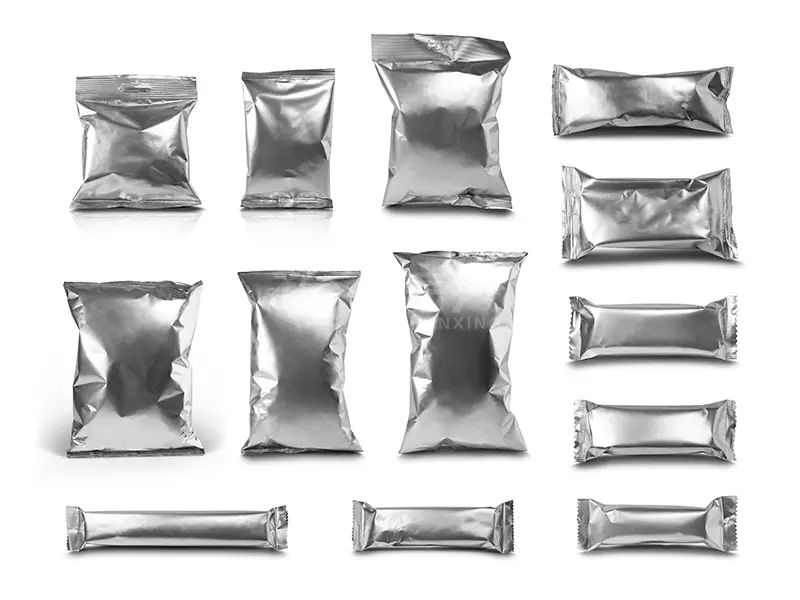
Our food-grade aluminum containers and barrier foil solutions offer high protection against oxygen, light, and moisture. They are certified to FDA and EU standards, ensuring food safety and quality preservation in storage and shipping.
Select a product category to view detailed mechanical property ratings, coil dimensions, and available protective treatments.
Our materials are selected by engineers across critical industrial, aerospace, and commercial sectors.
Detailed answers to help you make informed decisions when procuring coated aluminum products.
Stay updated on global market trends, raw material exports, and advanced coating technologies.
Analyzing global demand shifts and how modern manufacturing lines adapt to meet strict quality and supply requirements.
Read More →
An in-depth look at chemical purity, mechanical tolerances, and cleaning standards for advanced EV energy storage cells.
Read More →
Analyzing the global transition toward pre-painted, sustainable materials in modern building envelopes and industrial packaging.
Read More →Get in touch with our engineering team for detailed technical datasheets, chemical test reports, and custom pricing configurations.