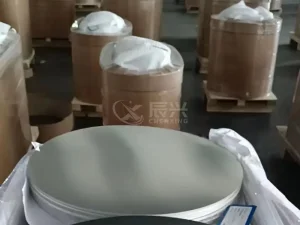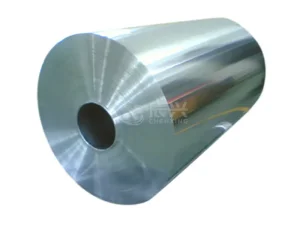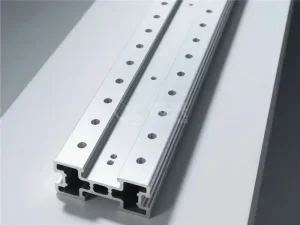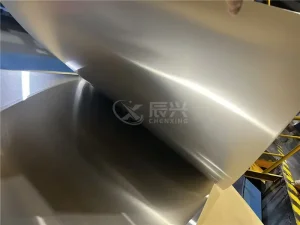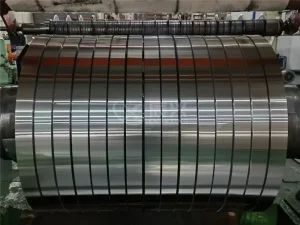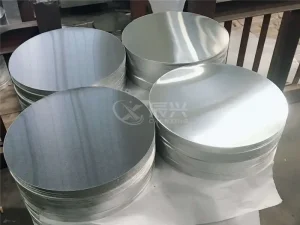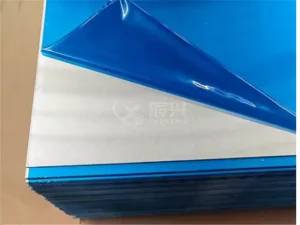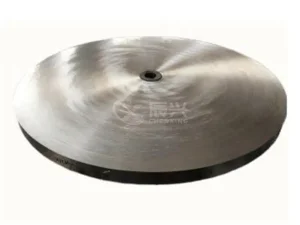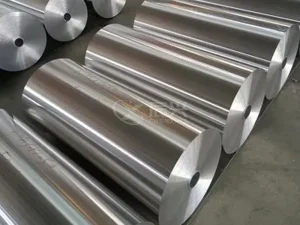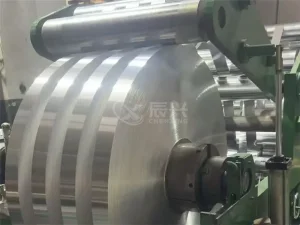
Engineered structural profiles, precision-finished coils, and high-purity aluminum alloys manufactured under strict EN/ASTM metrics.
A macroeconomic analysis of metallurgical supply, industrial demands, and structural technological changes.
The global demand for high-strength aluminum alloy sheet metal is experiencing a paradigm shift. Driven by aggressive legislative net-zero emissions mandates, the automotive, aerospace, and energy infrastructure sectors are aggressively replacing legacy ferrous alloys. Lightweighting has transitioned from a structural option to a performance-critical standard.
Within this ecosystem, the metallurgical composition and processing accuracy of aluminum sheets determine the operational viability of final assemblies. Modern applications require alloys capable of maintaining superior tensile strength while facilitating high deformation strain rates for deep drawing and stretch forming operations. This balance is critical for large-scale structural integrations, such as electric vehicle battery enclosures and aerospace fuselage panels.
Modern procurement strategies prioritize sustainability alongside performance. Industrial buyers actively calculate the Scope 3 carbon emissions associated with upstream smelting processes. As manufacturers, we optimize raw material inputs by incorporating closed-loop scrap recycling and utilizing low-carbon hydroelectric smelting power.
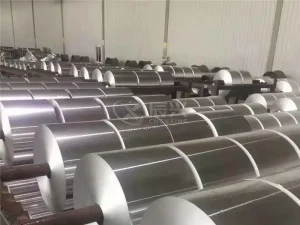
By implementing real-time thermodynamic controls during continuous casting and hot rolling, our factories reduce waste yield and optimize microstructure uniformity. This precise grain structure management minimizes anisotropic behavior, ensuring isotropic yield strength across the entire width of our aluminum alloy coils and sheets.
Detailed performance index profiles of essential aluminum alloy classifications used in global industries.
Different alloy families meet distinct industrial requirements based on their chemistry, phase precipitation, and mechanical properties. Selecting the correct alloy requires analyzing tensile strength, fatigue thresholds, corrosion resistance, and thermal conductivity.
| Alloy Group | Primary Alloying Elements | Key Mechanical Properties | Typical Fields of Application |
|---|---|---|---|
| 1xxx Series (e.g., 1050, 1060) | Pure Al (≥99.0%) | Exceptional thermal & electrical conductivity; high ductility; highly corrosion resistant. | Heat sinks, transformer foils, packaging, chemical industry vessels. |
| 3xxx Series (e.g., 3003, 3104) | Manganese (Mn) | Moderate strength; excellent workability; high resistance to localized corrosion. | Deep-drawn cookware, AC evaporator fins, beverage cans, pressure equipment. |
| 5xxx Series (e.g., 5052, 5083) | Magnesium (Mg) | High structural strength; excellent weldability; marine corrosion resistance. | Marine hulls, automotive inner structures, fuel tanks, cryogenic storage. |
| 6xxx Series (e.g., 6061, 6082) | Magnesium & Silicon (Mg-Si) | Precipitation hardenable; excellent structural yield strength; good machinability. | Aerospace frames, structural structural elements, architectural profiles. |
| 8xxx Series (e.g., 8011) | Iron & Silicon (Fe-Si) | High barrier efficiency; ultra-thin gauge formability; excellent flatness. | Battery enclosures, food packaging foils, flexible pipe reinforcement. |
Raw aluminum sheets achieve their final characteristics through cold rolling and customized thermal treatment cycles. Understanding tempers is crucial to prevent failure during post-purchase fabrication:
How our custom-tailored aluminum sheet metal formulations support critical sectors on the ground.
Weight reduction directly extends EV battery range and improves fuel economy in internal combustion engines. Our 5052 and 6082 sheets serve as automotive structural panels, chassis stiffeners, and battery tray enclosures.
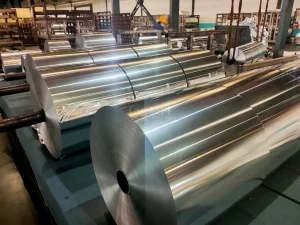
Aluminum foil barrier materials maintain product integrity. We supply thin, flexible packaging alloys (8011/1235) that block oxygen, light, and moisture for pharmaceutical and food preservation needs.
Miniaturized high-power computing arrays require rapid heat removal. Our aluminum foils and plate solutions exhibit optimal thermal transfer coefficients, working as heat exchangers and heat sink configurations.
Aviation structures rely on high strength-to-weight ratios and crack propagation limits. Our aerospace alloys, processed to rigorous specifications, supply structural fuselage frames and outer wing panels.
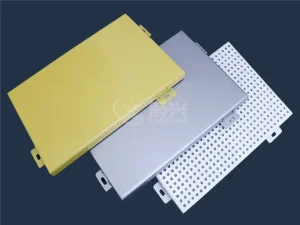
Modern architectural structures require long-lasting, weather-resistant building skins. Anodized and coated aluminum sheets shield exterior facades from wind, moisture, and UV degradation.
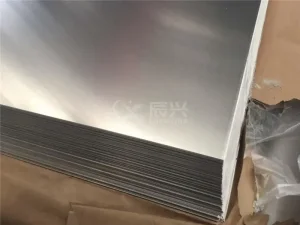
Combining aesthetic design with wear resistance, our premium brushed and mirror-finish sheets are widely used in internal drums, structural backplates, and trim components.
Pioneering smart manufacturing technologies to meet the evolving demands of next-generation product design.
To reduce developmental lead times, we utilize AI machine-learning algorithms to simulate grain boundary conditions and phase precipitation during hot rolling. This computational model lets us optimize magnesium, manganese, and iron concentrations in real time, avoiding the defects common in traditional physical testing processes.
This process improves micro-homogeneity, preventing stress concentration points. For buyers, this translates to predictable springback behavior during stamping, lowering scrap rates on high-speed industrial presses.
Our long-term developmental strategy centers on reducing carbon footprints across our refining facilities. We aim to achieve this through clean hydrogen-powered melting furnaces and direct alloy recycling loops. By refining post-industrial scrap sorting with laser spectroscopy, we melt down production waste with minimal energy loss, helping our clients meet strict ESG metrics.
Expert answers addressing the critical mechanical and logistics queries of global engineering teams.
Insights into our ongoing materials science research, market updates, and manufacturing developments.
Our facility has increased capacity to support the rising demand for high-precision components across APAC and European logistics hubs.
Read Research Brief
Evaluating chemical formulations and physical requirements for cathode collectors used in high-capacity energy storage systems.
Read Research Brief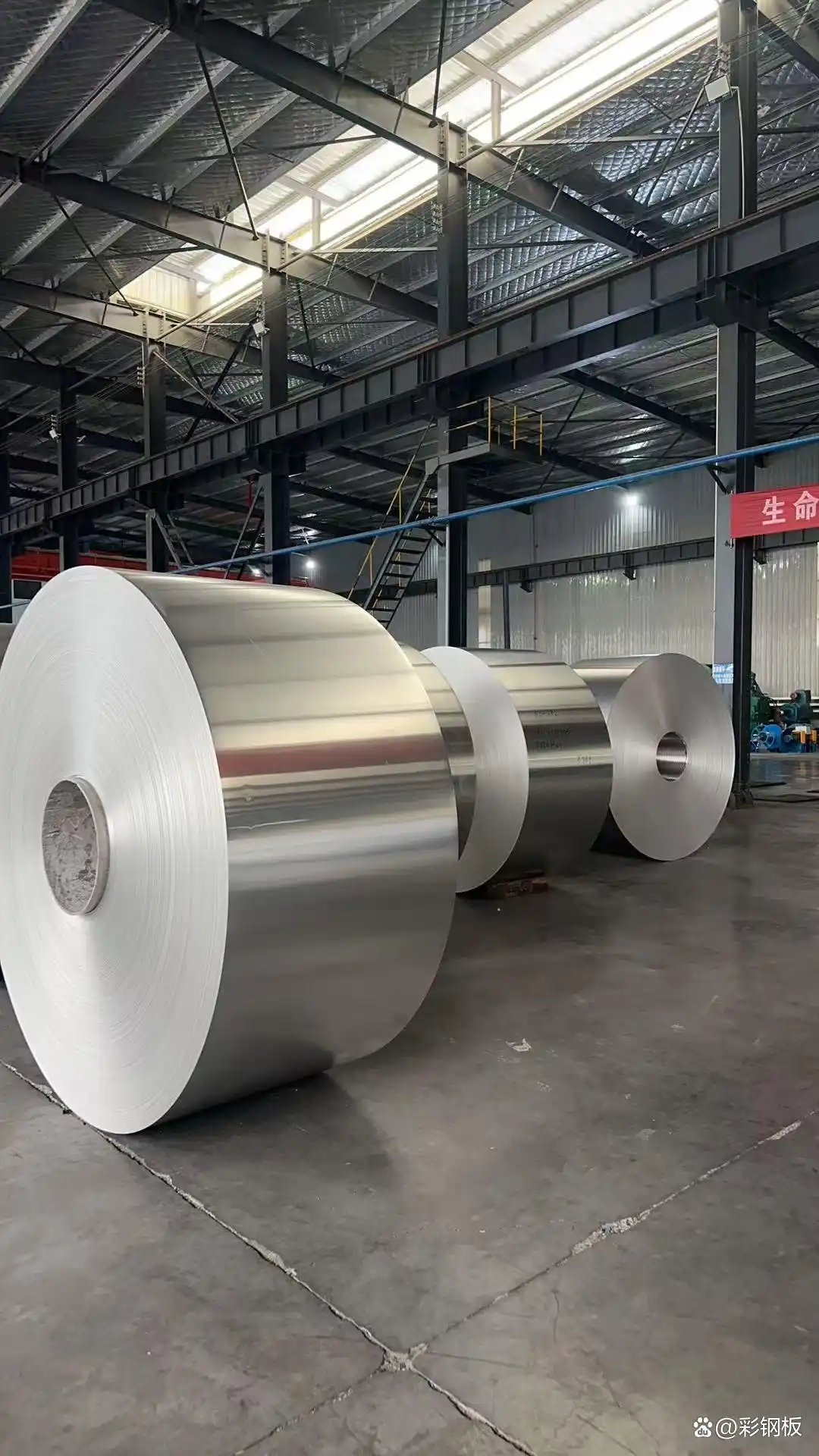
Driven by growth in solar mounting structures and green architecture, low-emission 5xxx and 6xxx series coils continue to gain market share.
Read Research BriefPremium metal solutions processed to precise flatness and surface cleanliness standards.
Need custom alloy sizing, specific tempers, or volume quotes? Reach out to our metallurgical specialists for a consultation and price quote within 24 hours.
Send Inquiry