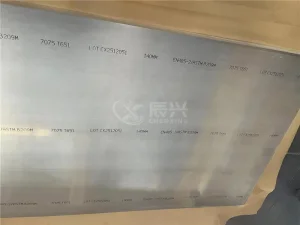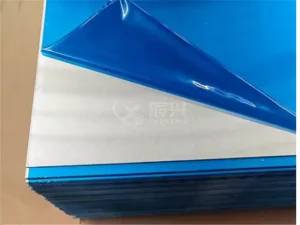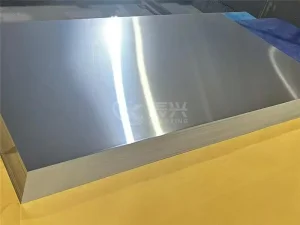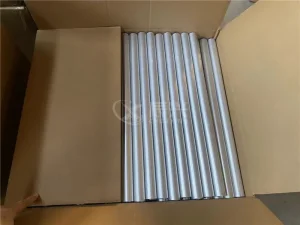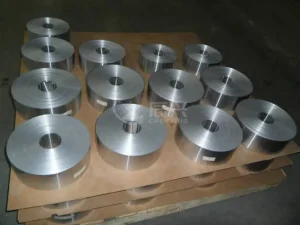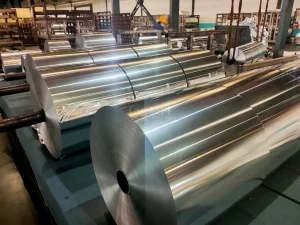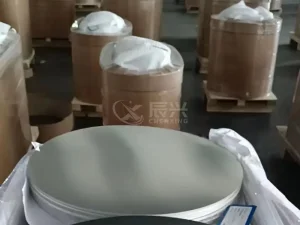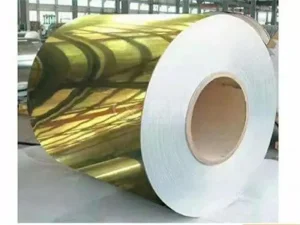
Explore our curated catalog of industrial-grade aluminium circles, sheets, foils, and specialized extrusions direct from our certified manufacturing plants.
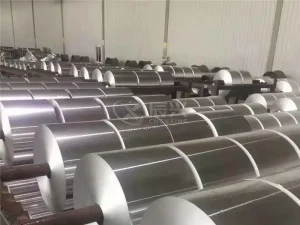
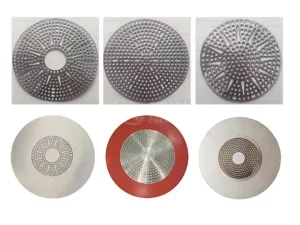
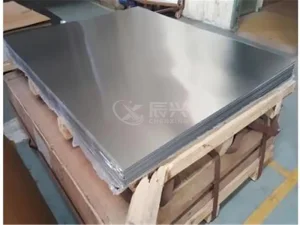
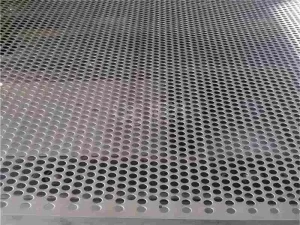
A look at the credentials that distinguish us as a primary manufacturer and supplier of non-ferrous metal solutions.


In modern industrial manufacturing, metal supply chains form the absolute foundation of scaling efficiency. Among non-ferrous metals, aluminium stands out due to its remarkable strength-to-weight ratio, excellent formability, high thermal/electrical conductivity, and exceptional corrosion resistance. However, procuring raw material sheets directly from primary mills can prove highly problematic for small to mid-scale manufacturers and projects requiring specific dimensional tolerances, surface treatment customization, and immediate delivery timelines.
This is where specialized Aluminium Sheet Stockists and Stockist Companies establish themselves as critical links in the value chain. Instead of dealing with the rigid minimum order quantities (MOQs) and lengthy lead times (often 12-24 weeks) associated with primary smelting operations, global purchasing managers rely on strategic stockists to access pre-cut, surface-finished, and grade-sorted inventory instantly. As the industrial sector undergoes rapid digitalization and carbon reduction pushes, stockists are evolving from mere storage warehouses into dynamic value-added processing hubs.
Before initiating procurement protocols for 1050, 3003, or 5052 aluminium sheets, it is essential to outline the structural differences between primary mills and stockist companies. Primary mills specialize in continuous volume output. They roll coil and plates under highly optimized, rigid programs. If your project demands custom, low-volume, or just-in-time (JIT) deliveries, mills are structurally ill-suited to serve your requirements.
Experienced stockists, on the other hand, manage substantial buffer stocks and possess in-house processing capabilities, including slitting, precision shearing, protective vinyl coating, profiling, and anodizing. By sourcing from a qualified stockist company, purchasing directors mitigate inventory carrying costs, reduce scrap percentages, and leverage the distributor's consolidated volume discount rates.
The global aluminium sheet industry is operating inside a transitional macro-environment. Three key forces are defining how stockist companies maintain inventory and how industrial buyers procure sheet material:
To optimize performance and minimize component failures, procurement and design engineering teams must align on chemical composition specifications. When browsing stockist options, you will typically filter by alloy series:
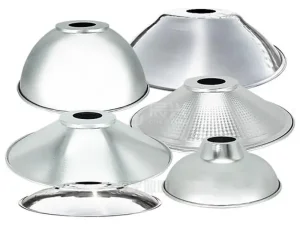
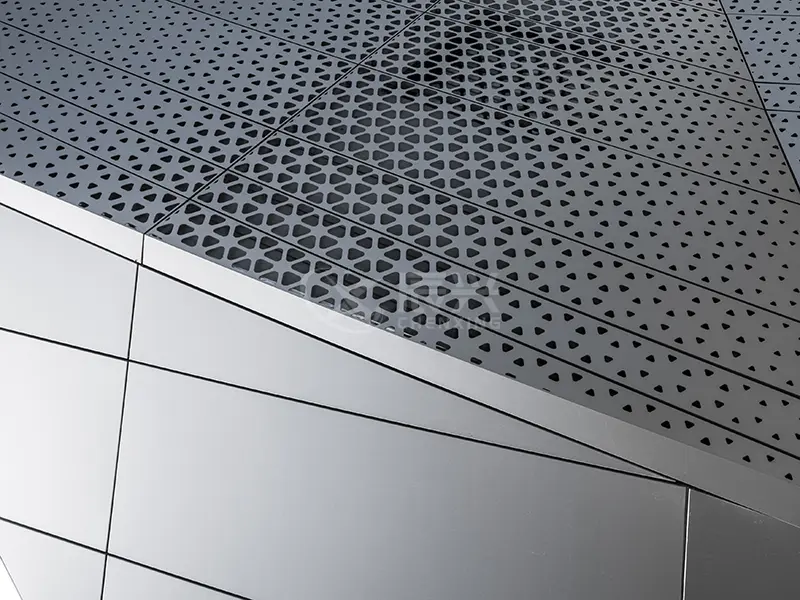
The 1xxx Pure Series (e.g., 1050, 1060, 1100): Composed of minimum 99% aluminium. These sheets offer outstanding corrosion resistance, maximum thermal and electrical conductivity, and supreme formability. However, they possess low yield strength and are not heat-treatable. They are ideal for chemical equipment, electrical busbars, lighting reflectors, and architectural facade panels.
The 3xxx Manganese-Alloyed Series (e.g., 3003, 3105): Featuring manganese as the major alloying element. They exhibit approximately 20% higher mechanical strength than the 1xxx series while maintaining excellent workability. The addition of manganese prevents localized corrosion, making 3003 the standard for cooking utensils, heat exchangers, food processing equipment, and HVAC ducting systems.
The 5xxx Magnesium-Alloyed Series (e.g., 5052, 5083, 5754): Alloys containing magnesium as the principal hardening agent. They offer high yield strength, outstanding weldability, and remarkable resistance to marine atmospheric corrosion. 5052 is the material of choice for pressure vessels, marine hulls, structural components, and high-fatigue transportation parts.
Our aluminium sheet, coil, and foil profiles are engineered to address the specific performance requirements of key global industries.




Purchasing agents often stumble on mechanical variations due to temper designations. Buying the incorrect temper configuration can lead to cracking during metal forming or, conversely, structural failure due to inadequate yield strength. Understanding these variations is essential when procuring aluminium sheet inventory:
When you seek to buy aluminium sheet products, verifying the manufacturer or stockist's quality control (QC) system is paramount. The presence of surface oxidation, micro-scratches, edge burrs, or dimensional deviations can grind automated production lines to a halt. Our integrated facility enforces strict inspection protocols:
A. Chemical Verification via Optical Emission Spectrometry (OES): Every melt batch undergoes digital spectroscopic testing to ensure chemical constituent limits (e.g., Fe, Si, Cu, Mn, Mg contents) do not deviate from international standards like ASTM B209, EN 485, and GB/T 3880.
B. Dimensional Tolerances: Sheets are subjected to continuous digital laser measurement scans, maintaining sheet thickness and flatness deviations well within precision parameters (+/- 0.02mm for sheets <3mm thick).
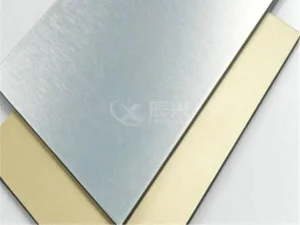
C. Surface Treatment Audits: Reflective mirror finishes, anodized layering, and brushed metal structures are analyzed for uniform coating thickness (measured in microns) and reflectivity percentages to ensure consistency across batches.
Get professional answers to technical and logistical questions commonly encountered during global aluminium sheet procurement.
Stay updated with our factory insights, market reports, and global trade updates affecting the aluminium coil and foil sectors.
Complete your supply matrix with high-demand sheet grades, precision coils, and pharmaceutical foils engineered for global compliance.