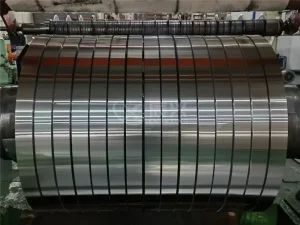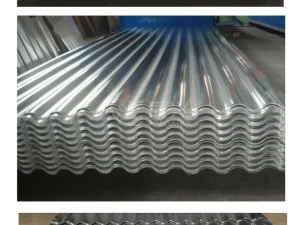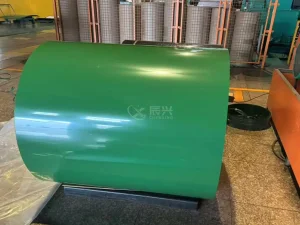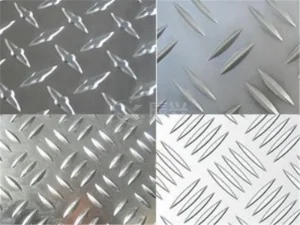
Explore our premium-tier industrial products sourced directly from our leading aluminium manufacturing facility.
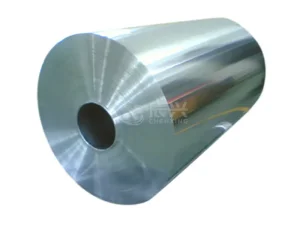
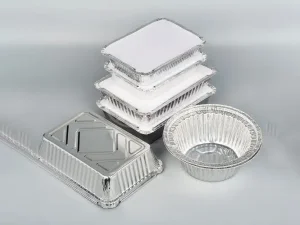
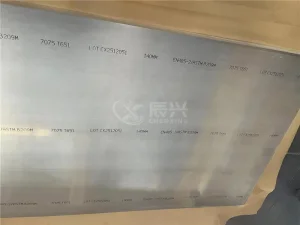
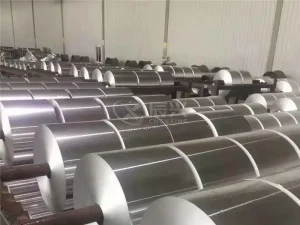
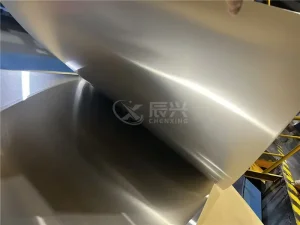
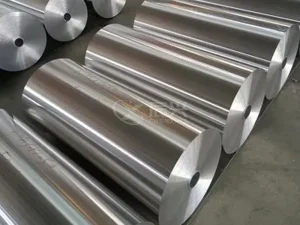
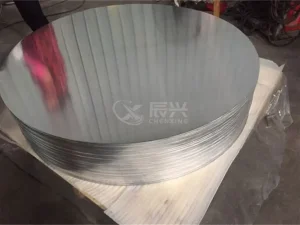
In modern industrial manufacturing, the decision to buy aluminium roll sheet is far more than a basic transaction. It represents a vital commitment to supply chain continuity, material performance, and cost optimization. As international regulations push industries toward lightweight materials and decarbonized supply chains, selecting the right aluminium roll sheet factories is a key strategic decision. This guide details the metallurgical properties, macro-economic realities, and technical variables that procurement officers must evaluate to choose a reliable aluminium roll sheet factory.
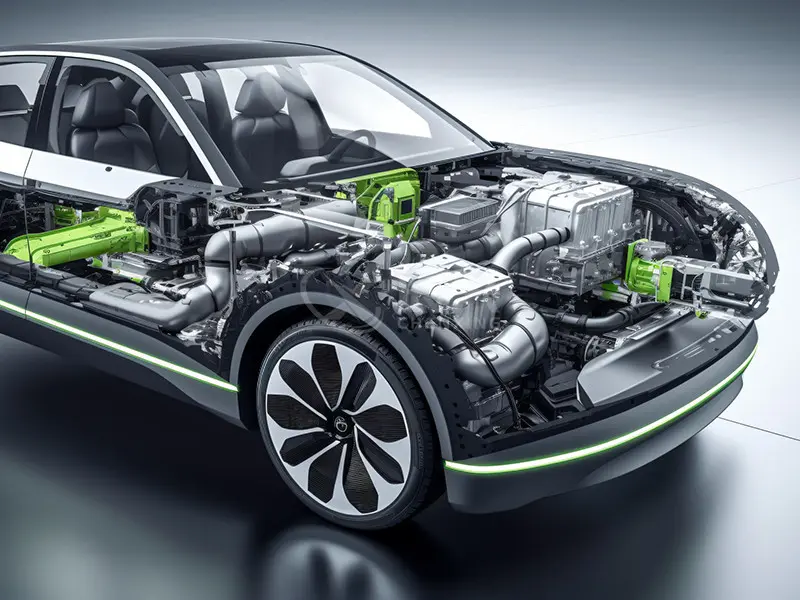
The global demand for high-strength, lightweight materials is growing rapidly. Aluminium roll sheets (or coils) are essential in sectors like automotive lightweighting, green building construction, electronics, packaging, and aerospace engineering. According to recent metal market forecasts, the shift toward electric vehicles (EVs) has tripled the demand for battery-grade foil casing and body panel sheets. Global industrial buyers are looking for suppliers that offer consistent metallurgy, certified structural performance, and lower carbon footprints.
"Procurement directors are shifting from transactional spot buying to long-term partnerships with high-capacity roll sheet mills. Securing supply in an environment of fluctuating energy costs requires deep integration with factories that have robust energy supply plans and direct access to primary metal reserves."
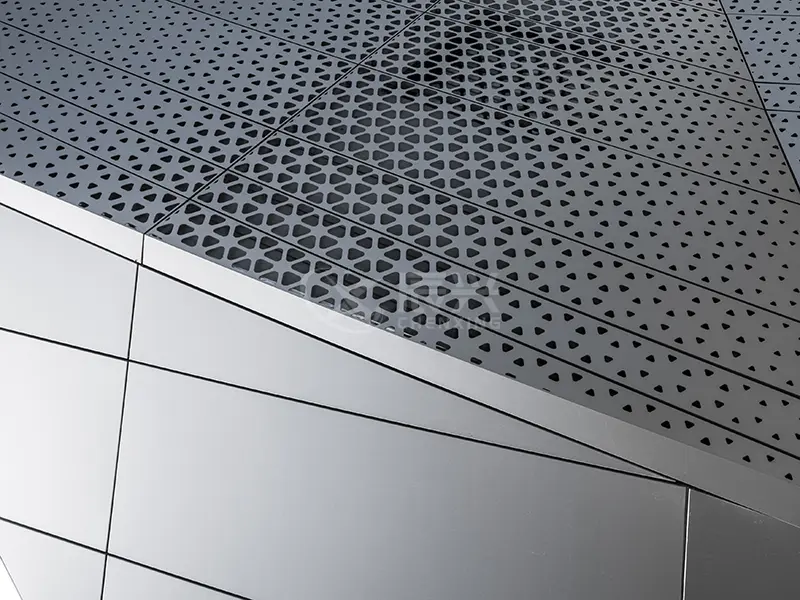
Environmental regulations, particularly the European Union's Carbon Border Adjustment Mechanism (CBAM) and regional ESG mandates, have redefined quality. Today, a world-class aluminium roll sheet factory must offer not just physical precision but also a traceable carbon footprint, highlighting the industry's shift toward green aluminium produced via renewable energy sources (hydroelectric or solar smelting).
A key challenge in the procurement cycle is matching the industrial application with the correct chemical properties of the alloy. Below is a breakdown of the primary alloy families used in global manufacturing:
| Alloy Family | Common Grades | Key Metallurgy & Characteristics | Primary Applications |
|---|---|---|---|
| 1xxx Series | 1050, 1060, 1100 | 99%+ pure aluminium. High ductility, excellent corrosion resistance, high electrical/thermal conductivity. Non-heat treatable. | Electrical conductors, transformer windings, chemical equipment, reflector sheets, road sign backing panels. |
| 3xxx Series | 3003, 3104, 3005 | Alloyed with Manganese. Moderate strength (approx. 20% stronger than 1xxx), excellent workability, high corrosion resistance. | HVAC heat exchangers, chemical containers, beverage cans, roofing panels, cookware, industrial ducting. |
| 5xxx Series | 5052, 5754, 5083 | Alloyed with Magnesium. High tensile strength, excellent weldability, and superior resistance to marine environments. | Shipbuilding, pressure vessels, automotive body panels, transport tankers, structural engineering components. |
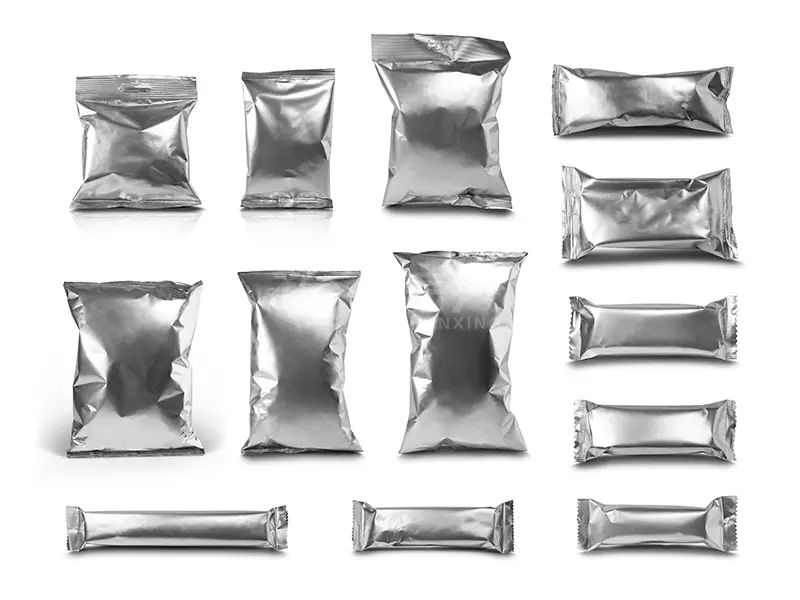
| 8xxx Series | 8011, 8021, 8079 | Alloyed with Iron and Silicon. Exceptional tensile strength, formability, and barriers in thin foils. | Pharmaceutical blister packaging, food containers, high-performance battery foil, flexible technical laminates. |
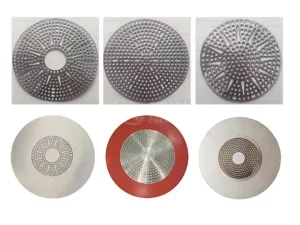
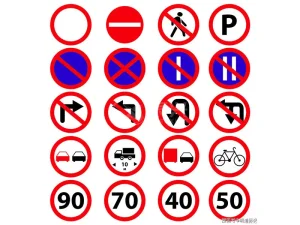
Selecting the right alloy dictates the mechanical limits of the metal. For example, deep-drawing processes require excellent elongation, which is why 1050 and 3003 alloys are preferred for manufacturing cookware and traffic signs. For structural panels in transport or high-corrosion environments, the magnesium-rich 5052 and 5083 alloys are the industry standards.
Leveraging decades of production expertise and technological innovation to deliver high-quality aluminium products worldwide.


Sourcing from advanced Chinese metallurgy clusters offers distinct advantages in cost, scale, and integration. Modern Chinese mills use Industry 4.0 automation systems, linking raw material procurement directly with automated cold-rolling mills and online quality detection networks. This helps maintain consistent mechanical properties, including thickness tolerances as low as ±0.01mm across entire production runs.
In addition to technological capabilities, Chinese manufacturers offer strong logistics support. Reliable factories use heavy-duty, moisture-sealed packaging—featuring plastic wraps, silica desiccant packets, and solid wooden skids—to protect sheets from saltwater exposure and oxidation during international transit.
Shipping large volumes of metal across continents requires close attention to compliance and port logistics. Experienced exporters understand anti-dumping regulations, tariff structures, and free-trade agreement (FTA) exemptions. By providing complete documentation—including Certificates of Origin, Mill Test Reports (MTR) matching EN 10204 3.1 standards, and detailed packing list weight data—partners help buyers avoid customs delays and import penalties.
Our premium metal sheets are engineered to meet strict technical specifications across diverse sectors.



Technical answers to common procurement questions regarding aluminium sheet and coil manufacturing.
Stay updated on key developments in global metal markets, tech updates, and raw material trends.
Get in touch with our technical sales engineers to discuss custom alloy specifications, receive a competitive quote, or arrange a factory audit. We respond within 24 hours.
Submit NowBrowse our extensive selection of industrial aluminium products, circles, foils, and coated coils.