
Direct factory supply chain solutions with rigorous dimensional tolerances, optimized for high-performance applications across diverse global industries.
Understanding the technological transformation of high-precision aluminum rolling mills toward carbon neutrality and zero-defect structures.
In modern industrial applications, the demands on barrier thickness continue to grow more rigorous. Our technical roadmap focuses on the micro-engineering of alloys. By deploying Automatic Gauge Control (AGC) and Automatic Flatness Control (AFC) technologies, our mills achieve thickness stability down to ±2% of nominal values. For packaging foils (alloys like 8011 and 1235), this facilitates down-gauging from 12μm to 6μm without sacrificing barrier integrity or causing excessive pinhole rates.
For ultra-thin foils, the key quality indicator is pinhole density. Through electromagnetic melt purification and continuous filtration systems in the casting stage, we ensure that hydrogen levels and non-metallic inclusions are kept to absolute minimums. This clean-steel practice ensures that our 6-micron foils consistently register fewer than 20 pinholes per square meter, exceeding industry norms for sterile pharmaceutical pouch applications.
As electric vehicle (EV) demand accelerates, the technical requirements for battery-grade cathode foils become more complex. Our R&D efforts are actively optimized for high-tensile 12μm and 9μm aluminum foils, using alloy modifications (primarily 1060, 1070, and 1235) to handle the stresses of continuous coating and high-speed cell winding. These battery foils exhibit tensile strengths of >200 MPa, with excellent surface wetting tension (>32 dyne/cm) to prevent slurry delamination during manufacturing.
A look inside the smart production systems designed to balance resource use, yield optimization, and global logistics dispatch.
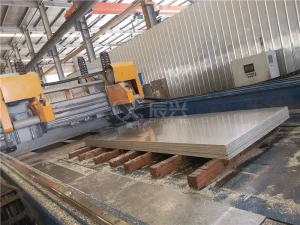
By running interconnected systems with continuous feedback loops, we monitor rolling speeds, roll pressure, and thermal expansion in real-time. This dynamic automation minimizes surface defects like strip breakage and oil staining, resulting in highly consistent metal structures across production runs.
Our manufacturing facility maintains strategic raw-material channels to guarantee stable primary ingot delivery. By bypassing intermediary metal merchants, we protect our production capacity against global supply spikes and volatile raw material pricing, passing the savings directly to international buyers.
Finished aluminum coils are immediately vacuum-packed in humidity-controlled bays, protecting them from oxidation. From automated retrieval setups to heavy-duty marine wooden crates, we ensure your materials arrive corrosion-free, regardless of ocean transit duration or variable humidity.
“Industry 4.0 integration isn't just about efficiency; it's about digital traceability. Every coil we produce carries a distinct barcode containing its full chemical structure, mechanical testing results, and rolling history, offering unmatched quality assurance for global clients.”
A foundation of trust, quality control, and customer-first support established over decades of international industrial supply.
Decades of refining rolling parameters, thermal scheduling, and alloy chemistries mean we understand how to avoid common defects, ensuring your orders meet precise mechanical specifications batch after batch.
We have built a robust international logistics network, handling varying customs procedures and shipping requirements across North America, Europe, Asia, and Latin America with complete confidence.
Equipped with automated eddy current testers, online optical defect detectors, and mechanical testers, our QC team leaves nothing to chance, catching anomalies before packing.
We back our products with responsive customer support. Should an issue occur, our engineers use the structured 8D problem-solving methodology to identify root causes and deploy corrective actions within 48 hours.
Developing specialized aluminum foil formats to solve engineering challenges in modern industries.
High-strength sheets and extrusions (alloys like 5083, 5052, 7075) reduce vehicle weight, improve fuel efficiency, and offer robust corrosion resistance in marine, automotive, and rail transit applications.
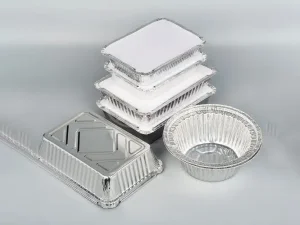
FDA-compliant 8011 and 1235 aluminum foils provide a reliable barrier against light, oxygen, moisture, and microbes, preserving freshness in sterile medical, pharmaceutical, and food packaging.
High-purity foils and strips provide excellent electrical and thermal conductivity, serving as current collectors, capacitor components, and heat sinks in electronics and energy storage devices.
Engineered 7075 and 2024 aerospace sheets deliver high strength-to-weight ratios and fatigue resistance, meeting the stringent requirements of structural frames, wings, and outer panels.
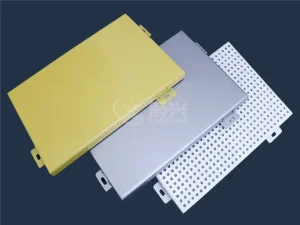
Weatherproof solid aluminum panels, veneers, and roofing sheets offer long-term durability and structural safety in modern building facades, architectural cladding, and roofing systems.
Prepainted sheets, specialized mirror surfaces, and heat exchanger fins improve heat dissipation, energy efficiency, and modern design aesthetics in refrigerators, AC units, and ovens.
A reference guide for purchasing departments, procurement directors, and metallurgy inspectors.
When sourcing aluminum foils and sheets, specifying the alloy grade is only the first step. To ensure compatibility with high-speed automated forming and processing lines, procurement specifications should explicitly define the following chemical, dimensional, and surface criteria:
| Alloy Family | Common Tempers | Thickness Range | Primary Industrial Utility | Key Performance Metrics |
|---|---|---|---|---|
| 1000 Series (1050, 1100, 1235) | O, H14, H18, H24 | 0.005 mm – 0.20 mm | Flexible food wrap, air conditioning fins, capacitors | Conductivity ≥ 61% IACS, high formability, excellent drawing |
| 3000 Series (3003) | H14, H22, H24, H18 | 0.02 mm – 3.0 mm | Deep-drawn food containers, heat exchangers, cookware | Tensile strength 140-180 MPa, superior corrosion resistance |
| 5000 Series (5052, 5083) | H32, H34, O, H112 | 0.20 mm – 200 mm | Marine hulls, pressure vessels, wall corners, fuel tanks | High fatigue strength, structural stability in saline environments |
| 7000 Series (7075) | T6, T651, O | 1.0 mm – 150 mm | Aerospace structural components, high-stress molds | Tensile strength ≥ 540 MPa, high hardness and load tolerance |
| 8000 Series (8011, 8079) | O, H18, H22, H24 | 0.006 mm – 0.08 mm | Blister pack foils, household foil, high-barrier laminates | High elongation, clean degreased surface (FDA compatible) |
Helping you navigate international standards and trade regulations with reliable compliance practices.
Our products undergo third-party testing to maintain compliance with global standards, including FDA regulations for direct food contact, EU REACH and RoHS for hazardous substances, and ISO 9001:2015 quality standards.
We support global procurement teams in navigating import regulations and anti-dumping duties. By providing transparent documentation and origin certification, we help you optimize logistics routes and manage import costs.
To assist high-volume buyers, we offer flexible shipping options, including FCL, LCL, and scheduled shipping programs. Through partner warehouses in major hubs, we help you coordinate safety stock levels and reduce lead times.
Our field engineers provide on-site technical support for trial production runs. We assist with parameters such as drawing pressure, annealing settings, and surface compatibility to help integrate our materials smoothly into your lines.
Stay informed on global market trends, manufacturing innovations, and technological shifts.
Expanding global industrial demand drives record exports. Discover how our new continuous cold-rolling lines support shorter lead times...
Read Article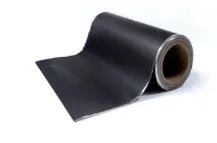
As battery manufacturers demand thinner and stronger foils, we outline the metallurgical developments behind our high-tensile 9-micron cathode current collectors...
Read Article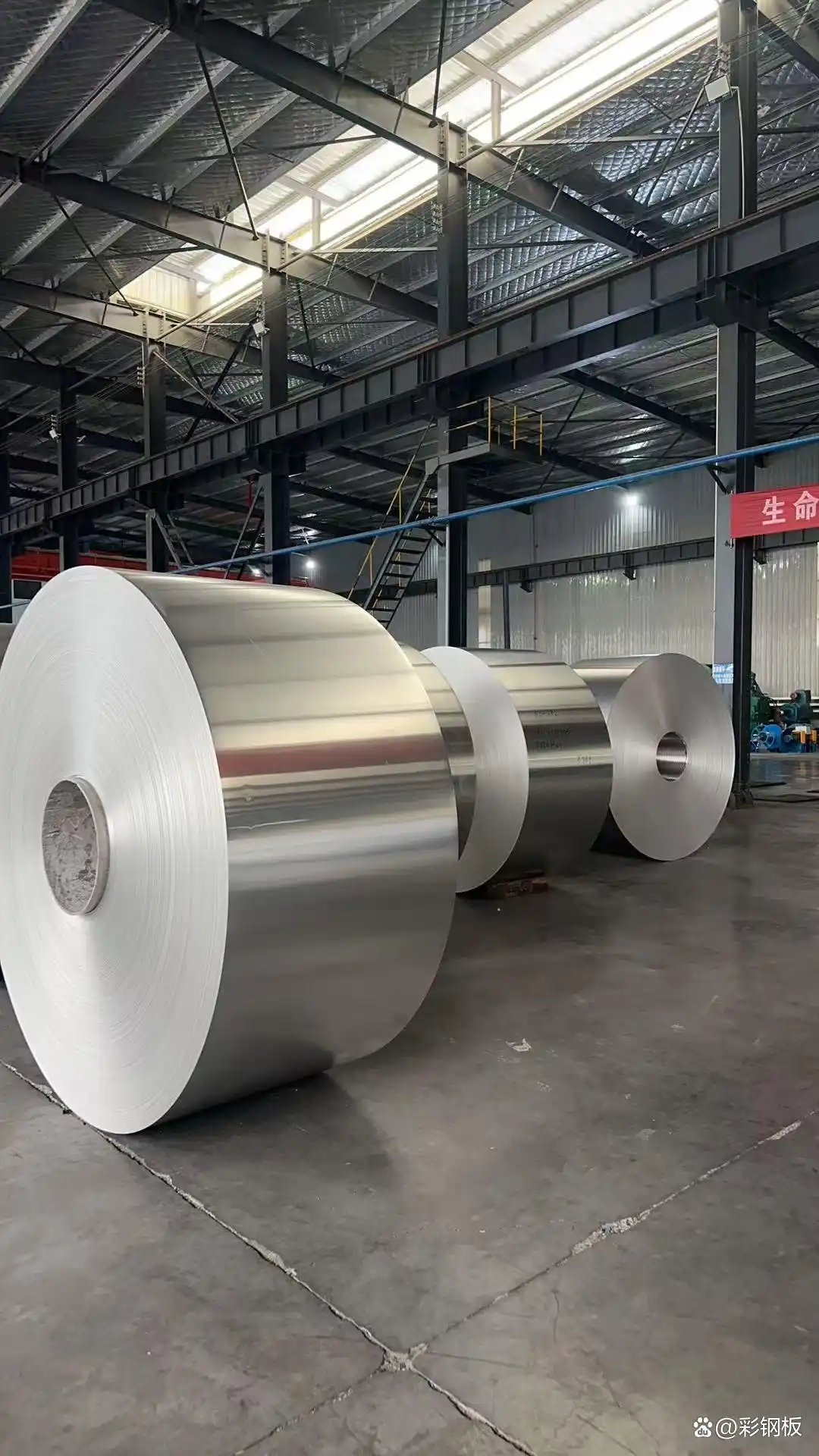
Sustainable building regulations are driving demand for highly recyclable aluminum. Learn how our PVDF-coated panels meet modern LEED rating requirements...
Read ArticleFind answers to common technical, logistics, and quality questions below.
A: 1235 has higher aluminum content (≥99.35%), offering slightly better ductility and conductivity. 8011 contains added iron and silicon, providing higher tensile strength and stiffness. 8011 is generally preferred for packaging containers and household wraps, while 1235 is commonly used for thin laminates and high-barrier structures.
A: We control pinhole density during casting and refining by removing hydrogen and micro-inclusions using inline rotor degassers and ceramic filter plates. Additionally, automated AGC flatness controls maintain uniform roll pressure, preventing localized tears during thickness reduction.
A: Our standard production cycle is 25 to 35 days from receipt of order confirmation and deposit. This timeframe covers casting, cold rolling, annealing to the specified temper, slitting, quality testing, and heavy-duty ocean export packaging.
A: Yes, our food-grade alloys (such as 8011 and 3003) comply with FDA regulations for food-contact materials and meet EU Directive 1935/2004/EC. We run clean rolling mills to prevent trace contaminants, and we provide chemical composition analyses and food-contact certificates with every shipment.
A: Every coil is wrapped with a desiccating agent in PE plastic film, followed by protective corrugated sheet layer shielding. The entire assembly is sealed within robust wooden crates. We monitor container humidity levels during packing to prevent moisture ingress during ocean transit.
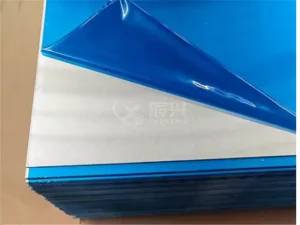
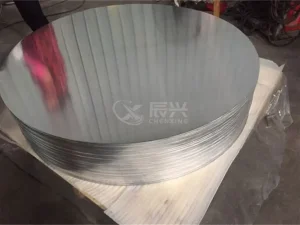
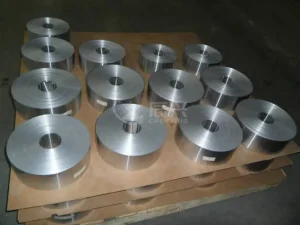
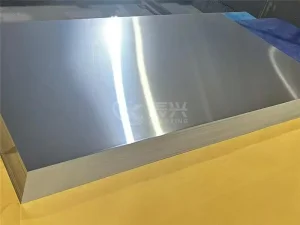
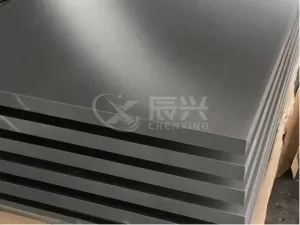
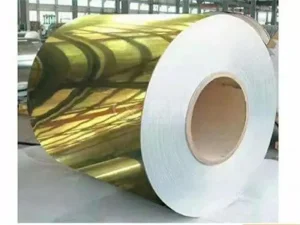
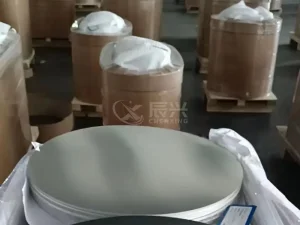
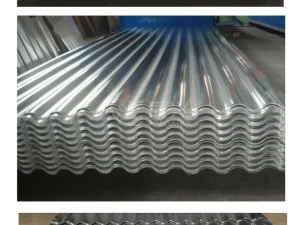
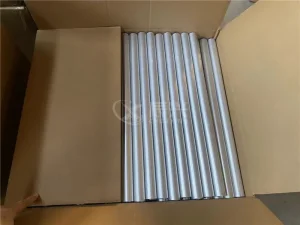
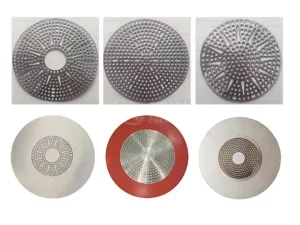
From high-performance alloy sheets to precision-cut Circles and functional foils, our production lines support a wide range of custom dimensions.
Connect with our technical sales division to discuss custom specifications, pricing structures, and sample evaluation protocols.
Request Technical Quote