
Explore our high-performance structural aluminum range, direct from verified ISO-compliant manufacturing units


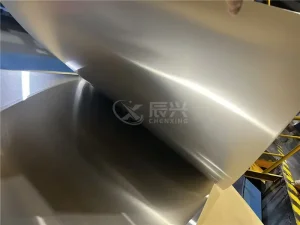
Pioneering metal processing standards and global delivery pipelines for industrial applications.
Delivering high-precision alloy components and billets to global partners.
Serving top-tier defense, aerospace, marine, and construction companies globally.

End-to-end trace logs from raw ingot melting to final dimensional verification.

Prompt resolution protocols tailored to global industrial manufacturing workflows.
In the realm of physical metallurgy and advanced manufacturing, 6061 aluminum alloy represents a critical baseline material. Classified as a precipitation-hardened aluminum alloy containing magnesium and silicon as its primary alloying elements, 6061 is globally recognized for its exceptional structural integrity, weldability, and resistance to environmental degradation. In the process of procuring 6061 aluminum stock, design engineers and purchasing departments face complex trade-offs involving mechanical performance, processing costs, and supply chain reliability.
Understanding the microstructural dynamics of 6061 aluminum is essential for optimizing its application. Originally developed in 1935 as "Alloy 61S," this material has evolved into a cornerstone of contemporary mechanical engineering. It provides an optimal compromise between mechanical strength, fatigue resistance, and overall ductility. When organizations seek to buy 6061 aluminum stock from factories or distribution hubs, they are not simply purchasing metal; they are acquiring a specific temper and grain structure designed to perform under strict engineering constraints.
Key Takeaway: Modern industrial sourcing demands deep familiarity with ASTM B209, AMS 4027, and EN 485 specifications. Choosing the correct supplier depends on verifying their heat-treatment processes, chemical traceability, and quality control systems.
The mechanical properties of 6061 aluminum are determined by its thermal treatment history. The choice of temper affects machinability, structural stability, and structural behavior during subsequent processing steps. Below is a breakdown of the standard tempers available from major manufacturing hubs:
Across global industries, lightweighting remains a critical objective. 6061 aluminum stock plays a vital role in these structural design solutions:
While ultra-high-strength alloys like 7075 are preferred for high-stress aerospace applications, 6061 is widely used for internal components, secondary structural frames, and electronic enclosures where weldability and corrosion resistance are required.
Due to its resistance to seawater corrosion, 6061-T6 is used for structural frames, dock fittings, and research vessels. The addition of chromium and silicon forms a self-healing oxide passivation layer, preventing galvanic degradation in harsh marine environments.
In heavy transport, reducing dead weight increases payload capacity and energy efficiency. 6061 extrusions and plates are used in truck trailers, rail car structures, and multi-utility vehicles, maintaining structural integrity while reducing vehicle weight.
The global supply of 6061 aluminum is concentrated in major industrial hubs, with China, North America, and Europe driving production capacity and metallurgical innovation. Buyers must navigate regional variations in smelting standards, trade policies, and logistics:
Chinese Factories: Offer significant production capacity and cost advantages, particularly for large extrusion runs and standard plate configurations. High-tier Chinese mills operate state-of-the-art hot rolling lines and continuous casting setups, meeting ASTM standards while maintaining competitive pricing structures.
North American & European Distributors: Focus on specialty aerospace certifications (AMS), NADCAP-approved processing, and localized inventory management (Just-In-Time delivery).
To successfully process 6061 aluminum stock, manufacturing facilities must follow specific processing guidelines:
6061-T651 offers good machinability. Using carbide tooling with high positive rake angles, combined with flood coolant, prevents tool built-up edge (BUE) and achieves surface finishes below Ra 0.8 µm.
Unlike 2024 or 7075, 6061 is highly weldable. However, localized heat during welding alters the T6 temper, reducing strength in the heat-affected zone (HAZ) by up to 30-40%. Using 4043 or 5356 filler metals, along with post-weld heat treatment (PWHT), restores structural performance.
6061 is well-suited for Type II protective anodizing and Type III hardcoat anodizing. This process creates a controlled aluminum oxide layer that increases wear resistance, surface hardness, and electrical insulation.
Industrial buyers require compliance documentation. A reputable factory must provide Material Test Reports (MTRs) detailing the chemical composition and mechanical properties of each heat lot.
Key certifications include:
ISO 9001:2015 (Quality management systems),
AS9100D (Aerospace standard for critical manufacturing processes),
RoHS/REACH (Compliance regarding hazardous materials restriction).
The future of aluminum processing is centered on sustainability. Decarbonizing production requires transitioning from primary coal-fired smelting to low-carbon energy sources like hydroelectricity or solar power. Additionally, integrating post-consumer recycled aluminum into the supply chain reduces energy consumption by up to 95%.
Micro-alloying techniques are also emerging, where trace additions of scandium or zirconium refine grain structure, increasing thermal stability and mechanical properties without compromising weldability.
Reliable performance across aerospace, marine, transport, construction, packaging, and household electronics

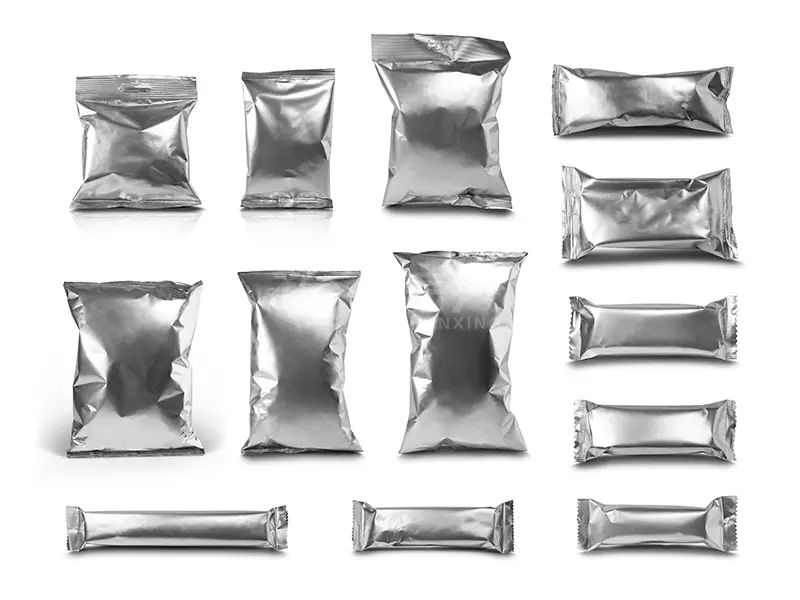


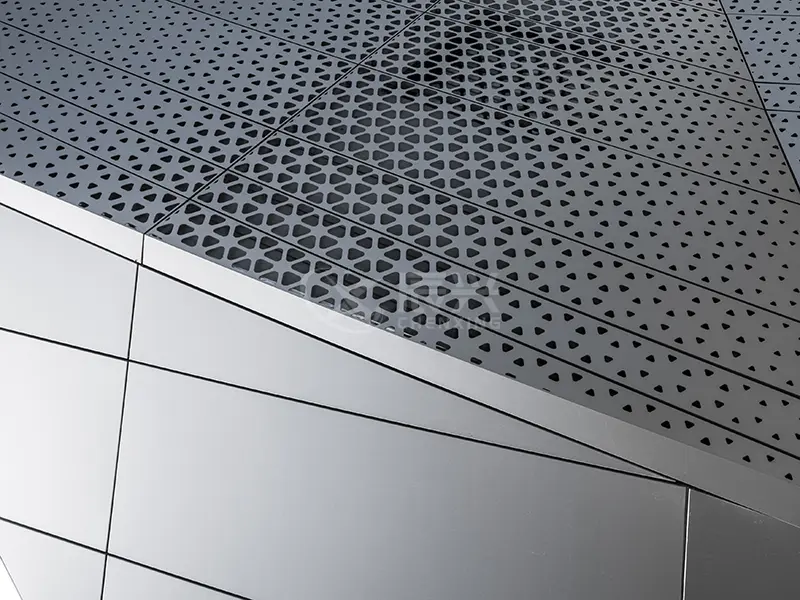

Common questions from design engineers and procurement officers regarding 6061 aluminum stock.
Market reports, export updates, and material technology developments
Export volumes continue to rise due to global demand for lightweight structural profiles.
Read Article
Reviewing the requirements for clean room processing and foil materials in electric vehicle energy storage.
Read Article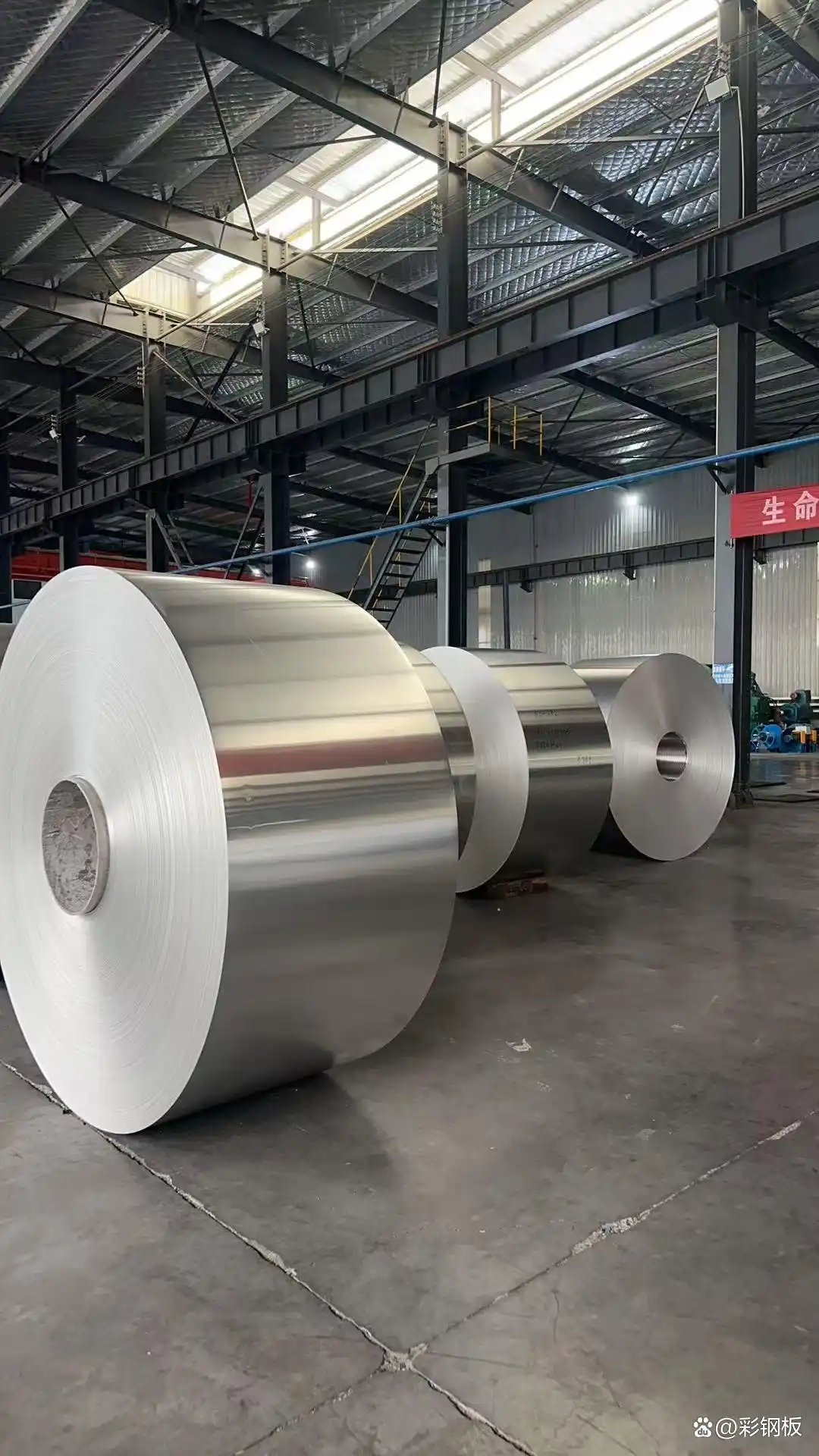
Analyzing the shift toward circular manufacturing and high-recycle-content coil stocks.
Read ArticlePrecision-engineered coils, foils, sheets, and discs for specialized industrial applications
For inquiries about our products, mechanical specifications, or custom factory runs, please leave your details. We will respond within 24 hours.