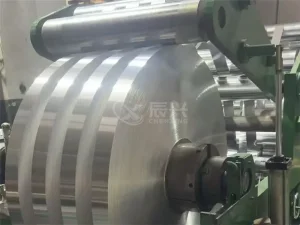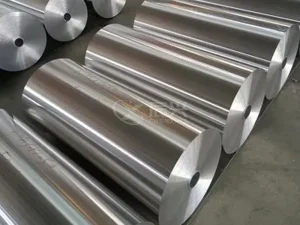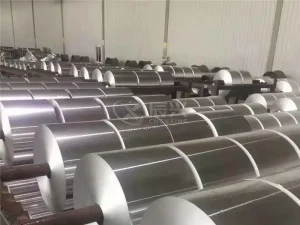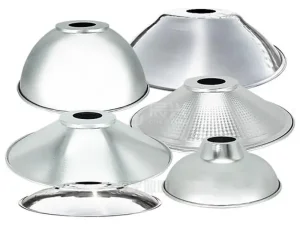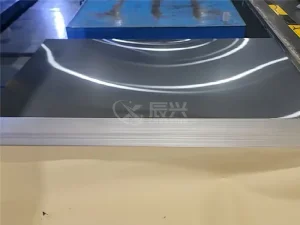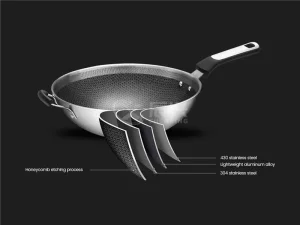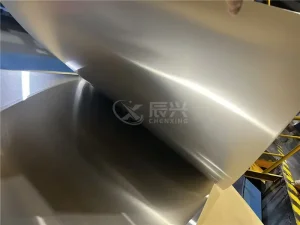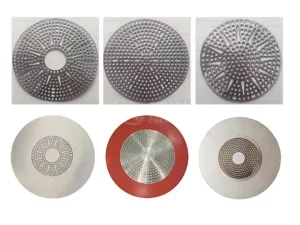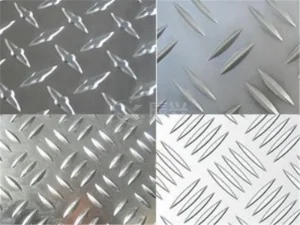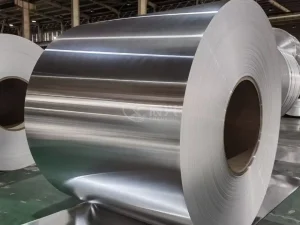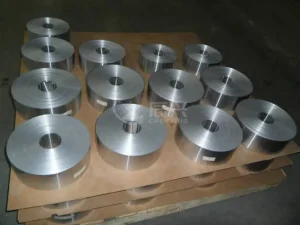
Explore our diverse portfolio of structural, decorative, and industrial aluminum configurations.
In modern industrial manufacturing, material efficiency, weight reduction, and structural integrity are key priorities. The 6061 aluminum coil serves as a key material in these developments. As a precipitation-hardened aluminum alloy containing magnesium and silicon as its major alloying elements, 6061 (Al-Mg-Si) offers a balanced combination of mechanical properties, corrosion resistance, weldability, and surface finishing characteristics.
The global demand for 6061 aluminum coils has increased significantly due to the rapid growth of structural applications in transportation, aerospace, marine engineering, and infrastructure projects. Strategic sourcing heads and industrial procurement directors prioritize this alloy for its reliability in challenging environments. The addition of chromium in 6061 helps control grain structure during processing, ensuring consistent mechanical properties and preventing recrystallization. This control is critical for maintaining high fatigue strength in dynamic mechanical assemblies.
Looking at the market, the shift toward sustainable, circular economies has highlighted the advantages of aluminum. Since it is infinitely recyclable without losing its material properties, transitioning to high-grade 6061 alloy configurations helps international manufacturers meet carbon neutrality goals. It also provides the structural reliability required by strict safety and regulatory standards, such as those in automotive crash management and aerospace structures.
Years of Manufacturing Experience
Countries Exported Globally
Strict QC & Material Traceability
Rapid Customer Response Protocol
When purchasing 6061 aluminum coils from global manufacturers, structural engineers must specify the temper condition and mechanical tolerances required. The most common tempers include 6061-O (annealed), 6061-T4 (solution heat-treated and naturally aged), and 6061-T6 (solution heat-treated and artificially aged). Each temper offers different yield strengths, elongation limits, and formability profiles.
For example, 6061-T6 is preferred for structural components that require high yield strength (typically ≥ 276 MPa) and ultimate tensile strength (typically ≥ 310 MPa). In contrast, 6061-T4 is selected when secondary forming, stamping, or bending is required before the final component undergoes artificial aging to achieve T6 properties. Understanding these structural characteristics is crucial to preventing cracking, material failure, and premature fatigue in mechanical assemblies.
| Alloy & Temper | Tensile Strength (MPa) | Yield Strength (MPa) | Elongation (%) | Shear Strength (MPa) | Primary Applications |
|---|---|---|---|---|---|
| 6061-O | ≤ 150 | ≤ 80 | 20 - 25 | 85 | Deep drawing, intricate stamping, forming tubes |
| 6061-T4 | ≥ 205 | ≥ 110 | 16 - 20 | 150 | Automotive panels, moderate structural forming |
| 6061-T6 | ≥ 310 | ≥ 276 | 10 - 15 | 190 | Heavy structural components, truck beds, aerospace structures |
| 6061-T651 | ≥ 310 | ≥ 276 | 10 - 12 | 190 | Machined parts, precision fixtures, aerospace tooling |
In addition to temper specifications, buyers must pay attention to dimensional tolerances. High-precision cold-rolling mills can maintain thickness tolerances within ±0.02 mm. This consistency prevents tool wear and material variations in automated roll-forming and stamping lines. Standardizing chemical compositions in accordance with ASTM B209, EN 485, and GB/T 3880 standards ensures that the procured material behaves predictably during fabrication processes like laser cutting, CNC machining, and gas tungsten arc welding (GTAW/TIG).
The manufacturing landscape for industrial aluminum alloys has evolved through the implementation of Industry 4.0 systems. Advanced production lines in China have transitioned from standard mechanical processes to automated, data-driven systems. This shift provides global buyers with stable prices, reliable quality, and consistent supply chain performance.
Modern rolling mills use automatic gauge control (AGC) systems integrated with X-ray sensors. These systems monitor thickness deviations in real time and automatically adjust the roll gap within milliseconds to ensure high dimensional accuracy.
Each coil is assigned a unique digital ID containing detailed production records, from the initial melt chemical analysis down to the final tension leveling, ensuring compliance with ASTM and EN standards.
By optimizing thermal energy recovery systems in homogenization furnaces and annealing lines, modern facilities have reduced fuel usage, contributing to a lower carbon footprint for the final aluminum coils.
This technological infrastructure helps mitigate supply chain risks. By integrating raw material smelting, continuous casting, hot-rolling, cold-finishing, and slitting into one localized industrial cluster, manufacturers can minimize logistics delays. For international procurement managers, this integration translates into shorter lead times, stable prices, and reliable delivery, even during periods of global logistics volatility.
The mechanical properties of 6061 aluminum make it suitable for various engineering applications. Its balance of mechanical strength and corrosion resistance allows it to replace steel in structural parts, reducing weight and improving energy efficiency without compromising safety.


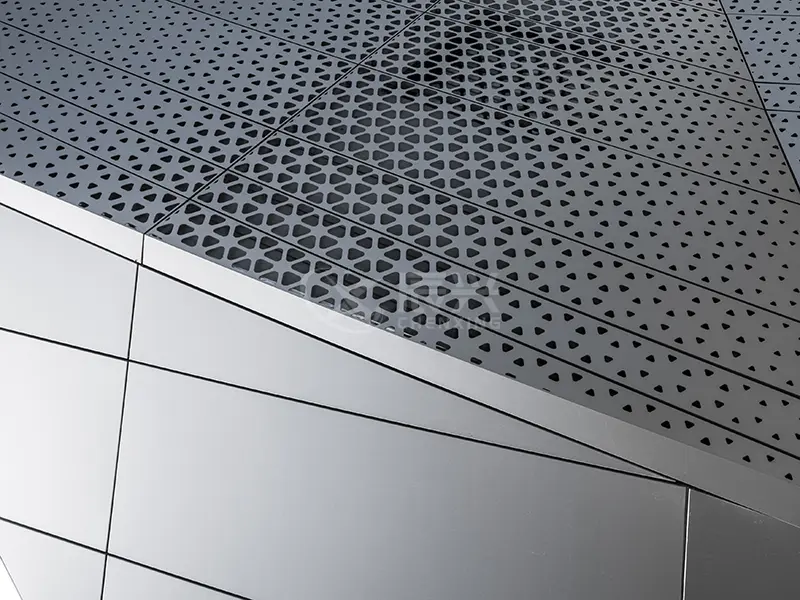
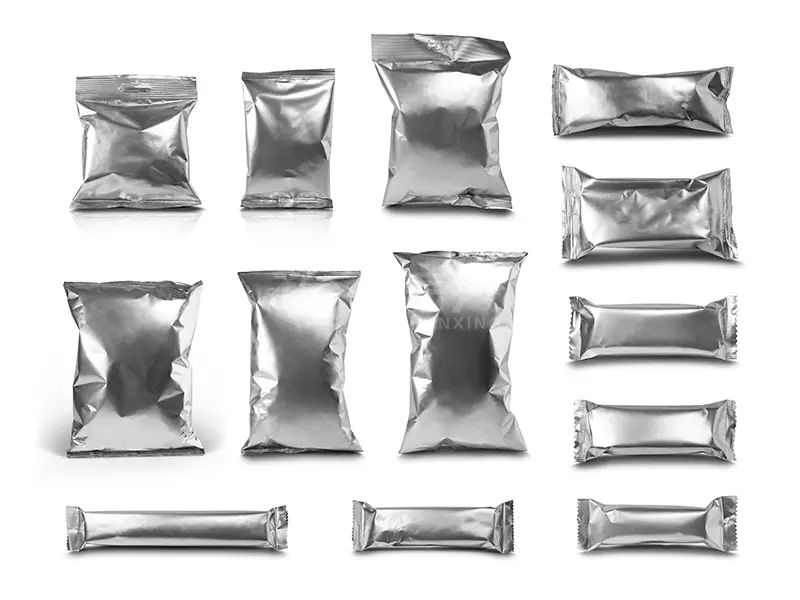


In marine environments, 6061-T6 is used for structural hulls, deck components, and gangways. Its magnesium and silicon content, combined with trace amounts of chromium, forms a stable passive oxide film that protects the alloy from saltwater corrosion. While the 5xxx series alloys are often preferred for direct, continuous exposure to seawater, the 6061 series is selected when higher mechanical load-bearing capacity is required.
Submit your technical specifications, packaging preferences, and volume requirements. Our engineering team will provide a comprehensive quote and material proposal within 24 hours.
Request A Quote NowAnswers to engineering and procurement questions regarding 6061 aluminum coils.
Technical articles, market updates, and updates on aluminum alloy developments.
Analyzing the shift in demand for high-strength 6xxx series alloys across European and North American industrial hubs.
Read Full Article
How current collector manufacturing tolerances are evolving to meet the density requirements of next-generation solid-state batteries.
Read Full Article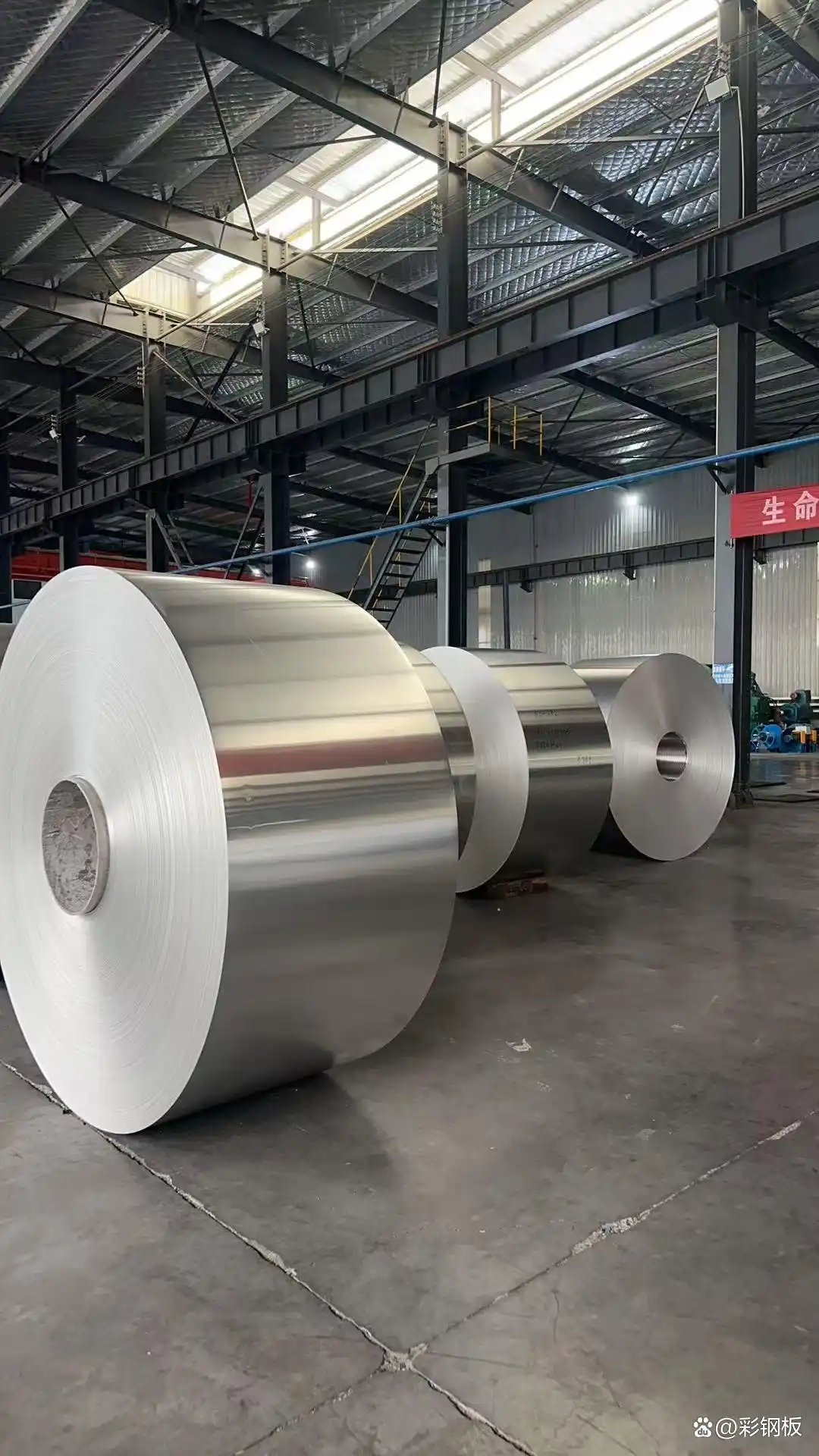
Evaluating the impact of automotive decarbonization and lightweight structural frameworks on the demand for 6061-T6 material.
Read Full ArticleExplore our full line of industrial aluminum foils, sheets, and coils available for global distribution.