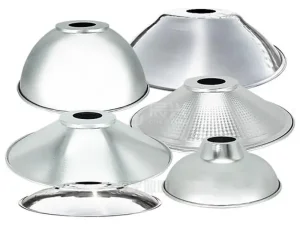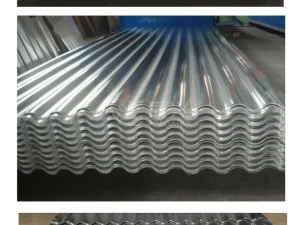
Premium Grade Manganese-Alloyed Sheet Metal Customized to Industrial Specifications. Engineered for Formability, Corrosion Resistance, and Mechanical Strength.
Explore our premium grade materials, industrial circles, foils, and specialized corner profiles direct from certified production lines.
A comprehensive breakdown of structural properties, mechanical thresholds, and chemical formulation of Al-Mn alloys.
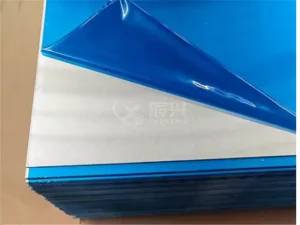
3003 Aluminum Sheet is a commercially pure aluminum alloy reinforced with Manganese (Mn). The addition of approximately 1.0% to 1.5% manganese increases the mechanical tensile strength of the base material by roughly 20% compared to the 1100 series. Despite its enhanced strength, 3003 retains excellent workability, thermal dissipation, and corrosion performance.
This non-heat-treatable alloy obtains its structural hardness through strain hardening (cold working). Common tempers like H14, H24, H18, and O (annealed) define the yield strength and formability limits, allowing it to meet precise bending and stamping profiles in demanding processing environments.
Furthermore, it offers superior resistance to atmospheric oxidation and mild chemical compounds, making it highly reliable for chemical vessels, pressure containers, food processing equipment, and transport tanks.
| Composition Element | Weight Percentage Range (%) |
|---|---|
| Manganese (Mn) | 1.0% - 1.5% |
| Silicon (Si) | 0.60% Max |
| Iron (Fe) | 0.70% Max |
| Copper (Cu) | 0.05% - 0.20% |
| Zinc (Zn) | 0.10% Max |
| Aluminum (Al) | Remainder (approx. 96.8% - 99.0%) |
How state-of-the-art production lines, material integration, and economy of scale drive supply chain efficiency.
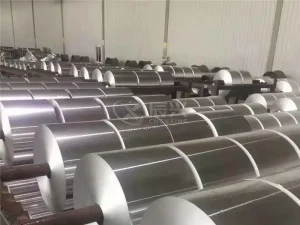
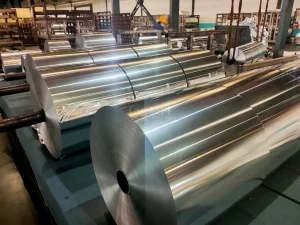
Our partnering mills deploy automated hot and cold rolling systems featuring continuous gauge control. This minimizes thickness tolerances to less than ±0.02mm across high-volume production batches.
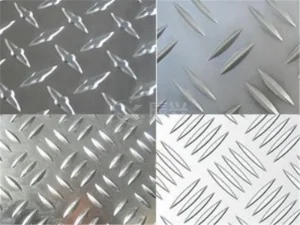
From primary smelting of bauxite to precision slitting, surface finishing (embossing, painting, anodizing), and protective PVC film lamination, everything is processed within unified cluster zones to optimize costs.
Chinese factories are exceptionally flexible. Whether you require non-standard widths (up to 2600mm), specific tension-leveled sheets for aerospace, or ultra-thin gauges, our tooling adapters accommodate precise requests.


How the market is responding to environmental policies, recycling loops, and precision roll-bonding techniques.
Leading global standardizations (such as RoHS and REACH compliance) are driving manufacturers to integrate higher fractions of recycled aluminum scrap without compromising structural purity. 3003, with its highly forgiving manganese profile, is uniquely suited for closed-loop recycling systems, allowing automotive and beverage container producers to reduce carbon emissions by up to 85%.
Many factories located in China's southwestern provinces (such as Yunnan and Sichuan) utilize clean hydro-electric energy for the electrolytic extraction process. This dramatically reduces the environmental footprint per ton of aluminum plate produced, offering procurement managers certified carbon-neutral sourcing alternatives.
Advanced coil coating applications, such as PVDF and PE painting, are increasingly integrated directly into the mill lines. Prepainted 3003 sheets provide exceptional durability for building facades, signboards, and architectural cladding, eliminating post-fabrication painting costs and volatile organic compound (VOC) emissions.
As electric vehicles require highly efficient heat transfer materials, modified 3003 compositions (often cladded with 4343 or 4045 alloys) have emerged as the industry gold standard for battery cooling plates and radiator components. High-precision cold-rolling makes these components highly reliable under high pressure.
3003 sheet metal and its relative alloys are utilized across high-spec sectors due to physical adaptability.

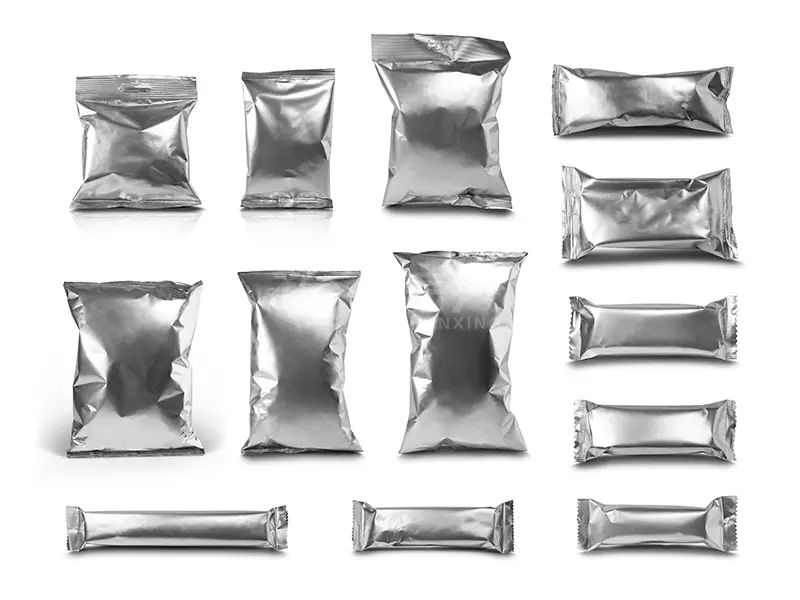


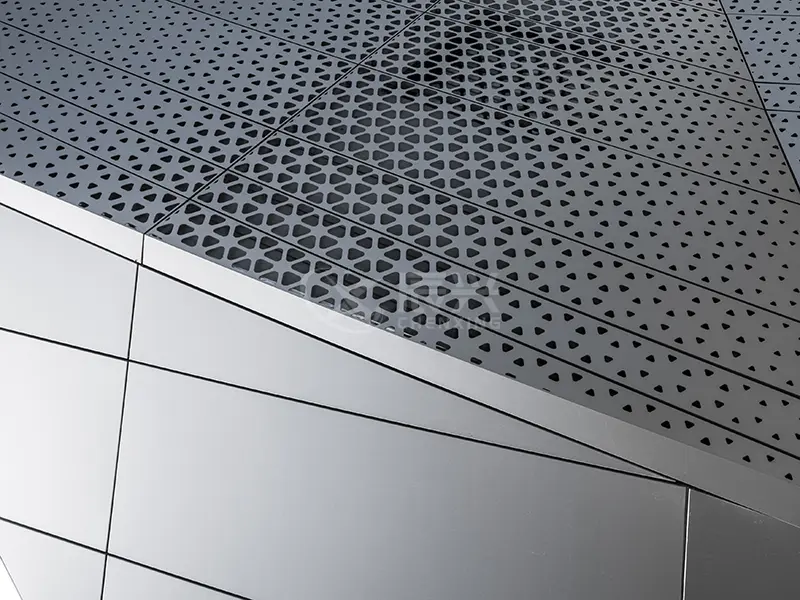

A technical guide for procurement heads, engineers, and quality assurance specialists looking to minimize transit issues and confirm quality.
Ensure the manufacturing facility supplies Mill Test Certificates (MTC) conforming to EN 10204 3.1. Chemical testing values, mechanical limits (tensile and yield point), and ISO 9001:2015 tracking stamps must be verifiable for aerospace or pressure-handling projects.
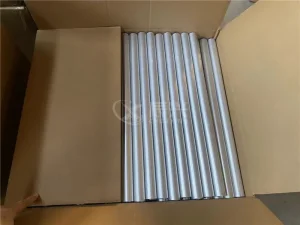
Aluminum oxidation is a significant threat during maritime cargo transit. Specify plastic/PVC protection layer limits, heavy-duty desiccant packs, and robust seaworthy wooden pallets. Avoid placing direct wood contacts near bare aluminum surface margins.
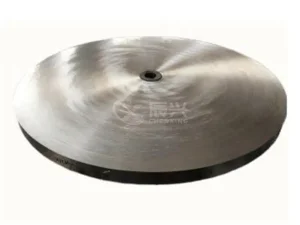
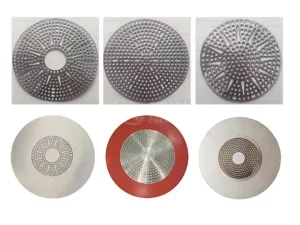
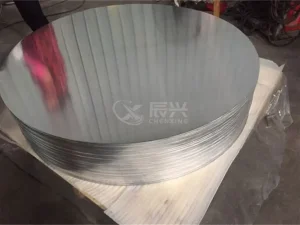
For deep stamping applications (such as induction circle pots or structural panel bends), define the exact grain alignment of the sheet metal. For an H14 temper, ensure the bend radius is checked against standard guidelines to prevent surface micro-cracking.
For inquiries about our product line, custom dimensions, pricing structures, or customized factory orders, submit your requirements below. Our technical specialists will respond within 24 hours with an detailed quote.
Submit Your RFP / RFQ NowStay informed about global trends, exporting shifts, and specialized battery-grade foil demands.
As industrial demand recovers post-quarter, our newly updated rolling lines reach record volumes to support bulk orders...
More news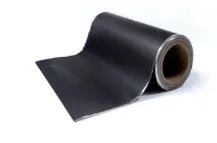
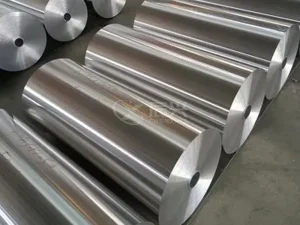
EV battery manufacturers require custom-coated carbon foil. Here is how we calibrate our clean-room facilities for delivery...
More news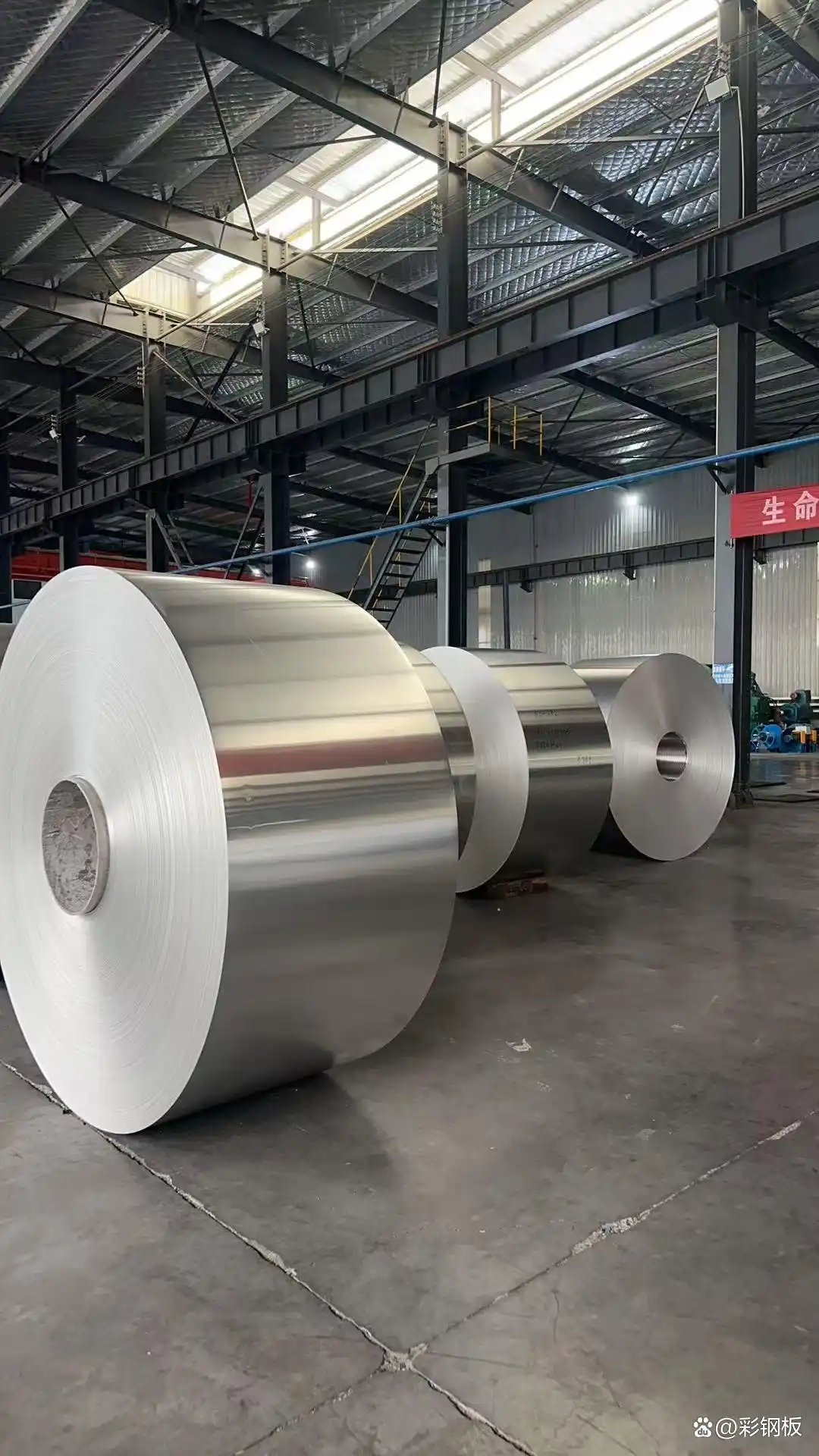
Eco-efficiency mandates drive architects toward 100% recyclable cladding sheet metal, creating an influx in domestic and overseas contracts...
More newsOur metallurgical engineers answer common questions on performance characteristics, processing rules, and order variables.
Explore our complete catalog of industrial-grade packaging, roofing, deep drawing, and foil supply solutions.