Engineered to meet the dynamic thermal, acoustic, and mechanical specifications of Southern California's manufacturing corridors.
Los Angeles represents the largest manufacturing corridor in the United States, spanning from the aerospace engineering ecosystems in El Segundo and Long Beach to the extensive logistics networks of Vernon, the Inland Empire, and the Ports of Los Angeles and Long Beach. Embossed and textured aluminum alloys are a crucial component within these supply chains, presenting a critical balance of lightweight structural performance, high reflectivity, and thermal control properties.
Southern California's unique Mediterranean climate and urban density demand structural components that align with California's Title 24 energy-efficient building standards. High-reflectivity embossed panels (such as Stucco and Orange Peel textures) serve as high-performance cladding, reflecting solar radiation to lower thermal loads. Additionally, the region’s massive HVAC and cleanroom requirements depend heavily on textured aluminum coils for high-ductility housings, evaporator tubing systems, and air handling systems.
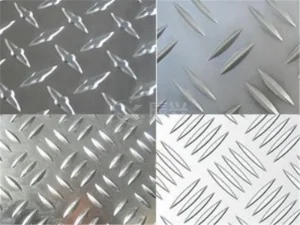
In structural and manufacturing environments, embossing is not merely cosmetic. Passing flat mill-finish aluminum sheets through high-precision steel pattern rollers changes the metal's physical structure at a microscopic level. Work hardening during the cold rolling process increases the yield strength, mechanical rigidity, and surface stability of the aluminum.
This texture scatters direct light rays, converting harsh specular reflections into diffuse reflections. This visual dampening is highly beneficial for architectural skins near airports and highway networks in the LA basin, avoiding dangerous glare zones. Furthermore, textured surfaces improve acoustic dampening and optimize surface heat dissipation in HVAC ductwork and battery housings, offering superior thermal management over flat surfaces.
Engineered for clean energy, electrical components, and heavy industrial usage across Southern California.
Depending on your manufacturing application, specific mechanical alloy traits will dictate your choice of base substrate:
Our embossed sheets and specialty aluminum products serve the following key sectors:
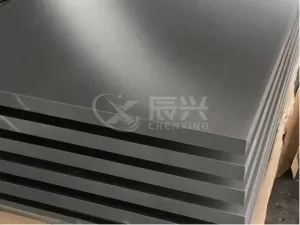
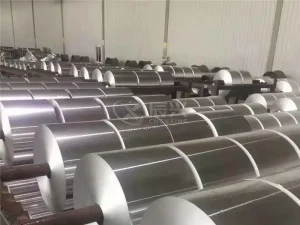
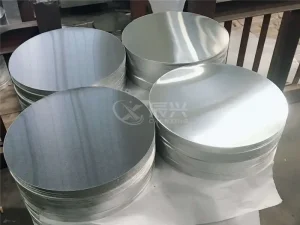
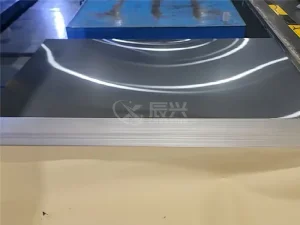
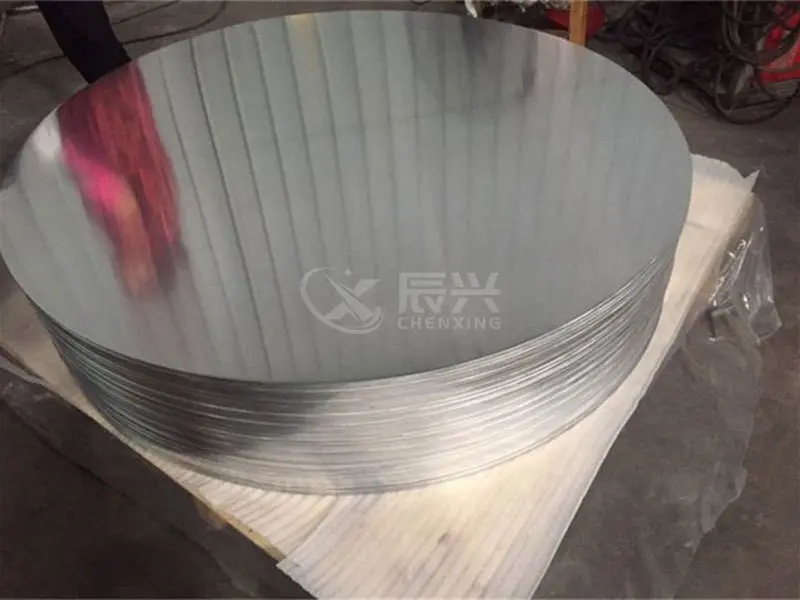
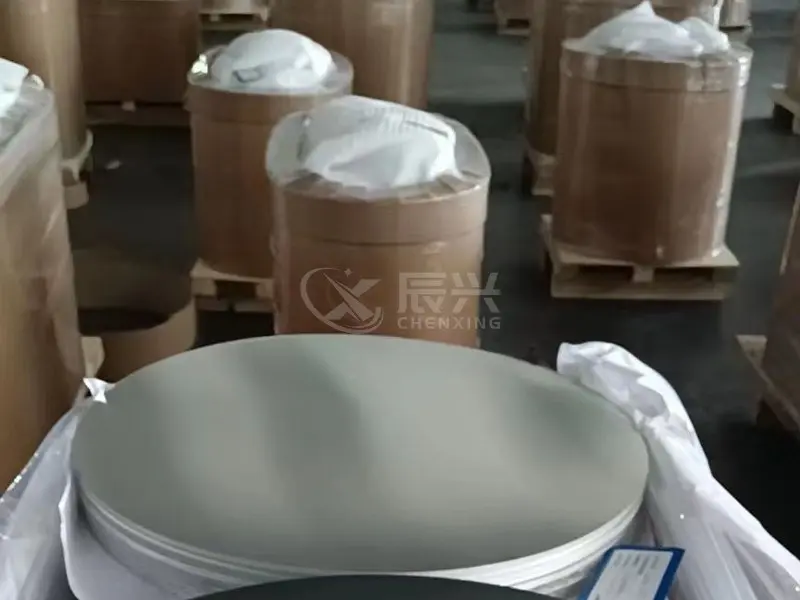
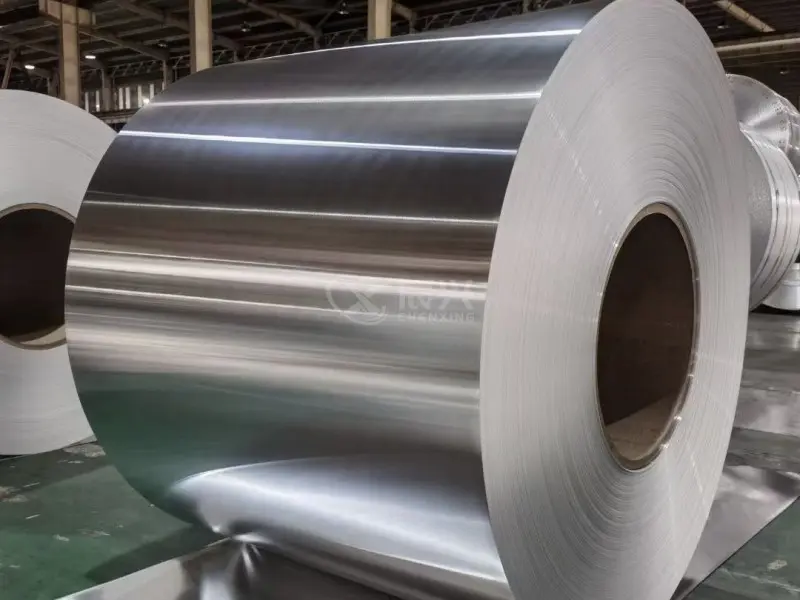
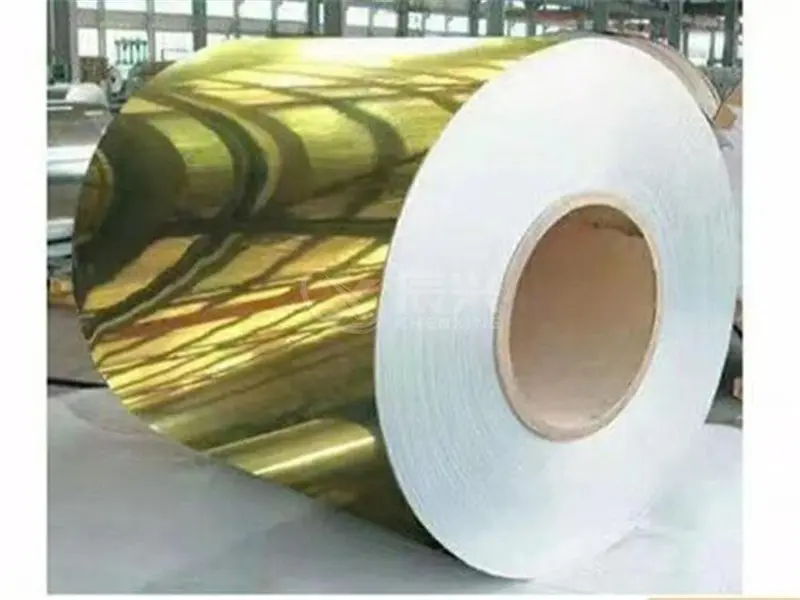
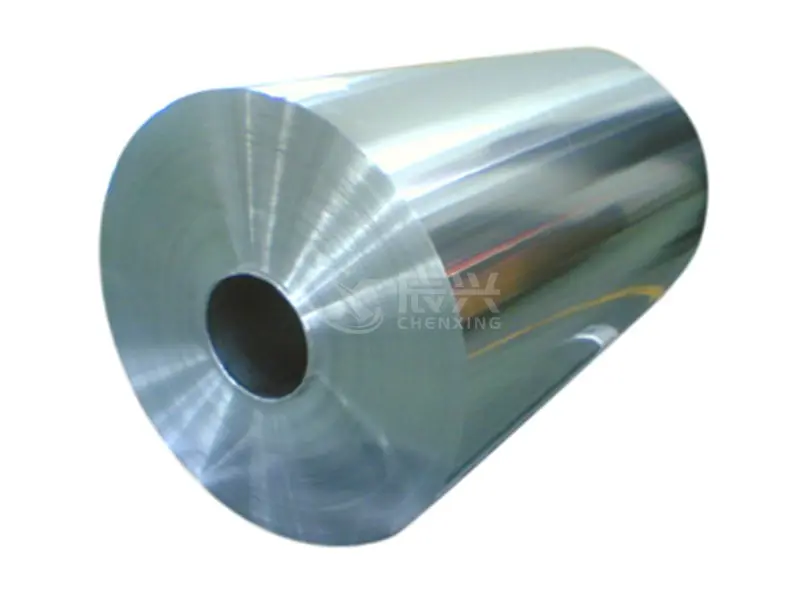
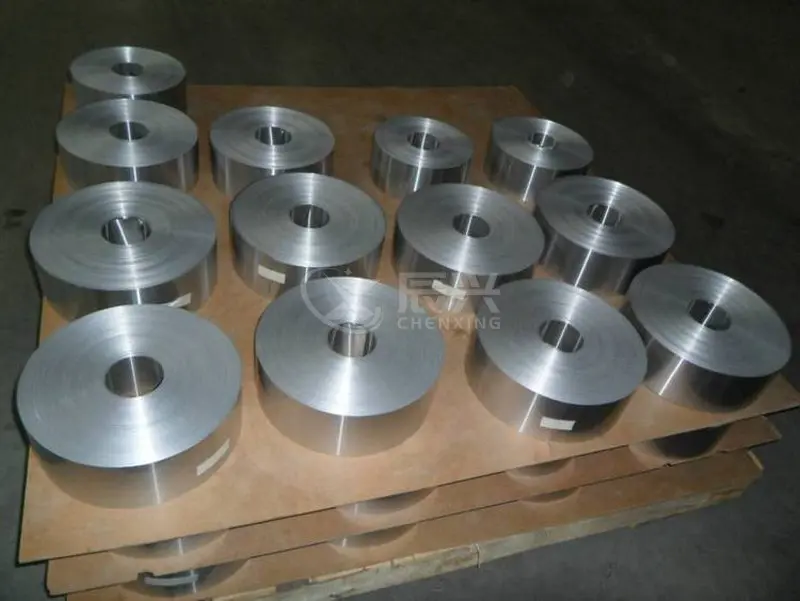
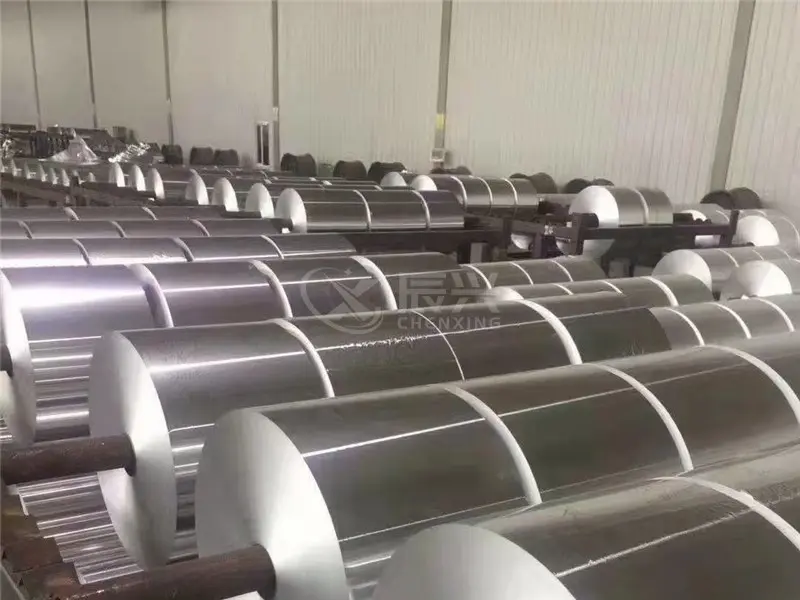
High-purity raw blanks and coils manufactured under strict quality standards for immediate fabrication.
Importing metal products into California requires adhering to strict environmental, safety, and operational standards. We ensure all batches comply with local frameworks, protecting your supply chain from legal and structural liabilities:
Understanding port congestion patterns at the Port of Los Angeles (POLA) and Port of Long Beach (POLB) is key to preventing plant delays. By using advanced tracking systems, customized warehouse stocking, and strategic partnerships, we coordinate seamless logistics. Whether handling DDP, CIF, or FOB shipments, our transport teams coordinate with customs brokers to ensure timely delivery to Vernon, Ontario, and Santa Ana fabrication hubs.
Durable performance, high corrosion resistance, and precision processing for commercial and industrial demands.
Keep pace with international trade shifts, metallurgical innovations, and regulatory developments affecting procurement.
Analyzing shifts in global supply routes, shipping container availability, and output increases.
How carbon-coated current collector foils are increasing battery safety and charging speeds.
Examining Title 24 cool-roof requirements and structural sheet applications in urban zones.
Direct technical answers from our engineering team on alloy sourcing, regulations, and custom manufacturing.
Stucco embossing goes beyond visual texture; it changes the metal's surface properties. Passing the sheet through structured rollers induces work hardening, boosting surface hardness and mechanical stiffness. This lets manufacturers use thinner gauges without sacrificing structural stability, saving material weight and freight costs.
We recommend 5xxx series alloys (such as 5052 and 5754) for coastal environments like Long Beach, San Pedro, and Santa Monica. Formulated with magnesium, these alloys prevent salt-spray pitting and galvanic degradation. For light-duty commercial cladding, a corrosion-resistant pre-painted 3003 alloy is also a cost-effective alternative.
We maintain strict control over our raw materials and manufacturing lines. We trace and verify that no restricted chemicals or heavy metals are introduced during the rolling, stamping, or coating processes. Full material chemical analysis sheets (MTRs) are available with every delivery to verify compliance.
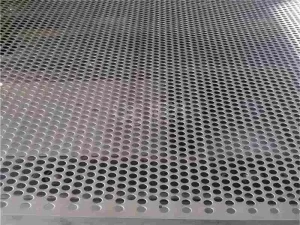
Yes. Our partner factories feature state-of-the-art slitting, shearing, and CNC perforating lines. We customize coils and sheets to precise tolerances down to +/- 0.1 mm, meeting the exact specifications of aerospace suppliers in El Segundo, Burbank, and Irvine.
Standard mill-run production ranges from 20 to 30 days. Sea shipping routes to the Port of Los Angeles / Port of Long Beach take around 15 to 22 days. We handle custom-bonded warehousing and transport to ensure cargo routes cleanly from the dock to your factory floor.