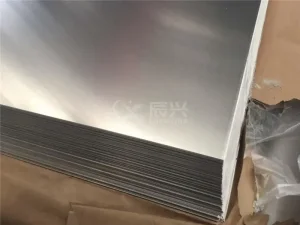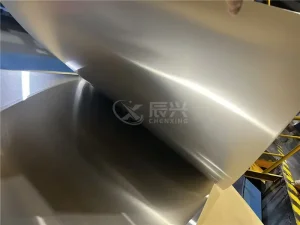
Premium precision-engineered industrial raw materials, from high-strength structural sheets to extreme-barrier pharmaceutical and electrical foils.
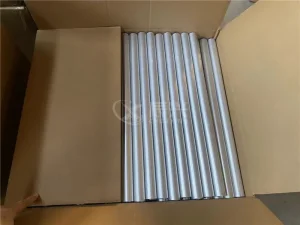
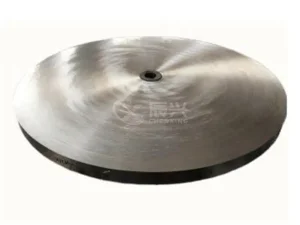
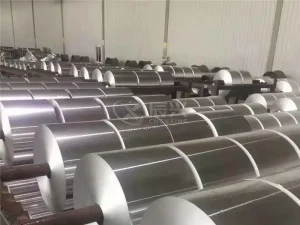
Combining over two decades of advanced metallurgical expertise with global supply chains to deliver precise, robust raw materials.
Decades of development in rolling, heat treatment, and precision surface coating.
Serving OEMs, distributors, and fabricators across Europe, Americas, and SE Asia.

Full-line thickness testing, pinhole scanning, and raw material traceability.

Dedicated engineers resolving structural and logistics inquiries in real time.
The global roll aluminum foil market has experienced a significant transition. Driven by structural shifts in flexible packaging, electronics manufacturing, EV battery development, and construction envelopes, the demand for precise-gauge aluminum alloys is reaching record levels. As industrial organizations evaluate long-term supply agreements, they must navigate the complex choices between alloy types, tempering properties, pinhole ratios, and logistics efficiencies. Selecting the right aluminum coil or foil factory is a strategic decision that affects manufacturing efficiency and yield rates.
Aluminum foil rolls are essential across key industries because of their barrier properties, thermal conductivity, and structural flexibility. In food and pharmaceutical packaging, aluminum foil's complete barrier against moisture, light, oxygen, and other gases extends product shelf life and prevents contamination. These barrier properties are especially critical for aseptic packaging and pharmaceutical blister packs.
Additionally, the transition toward electric vehicles (EVs) has created a significant sub-market for high-purity aluminum foil. In EV battery manufacturing, battery-grade aluminum foil serves as the cathode current collector. This application requires strict control over thickness tolerances (typically 10 to 15 microns), high tensile strength, and low surface roughness to optimize electrical conductivity and adhesion with active materials. Industrial air conditioning and HVAC manufacturers also use specialized aluminum foil, specifically hydrophilic and epoxy-precoated fin stock, to improve heat exchange efficiency and extend equipment life in coastal or high-corrosion environments.
The barrier performance of roll aluminum foil is primarily determined by its thickness and crystalline structure. At thicknesses above 25 microns (0.025mm), aluminum foil acts as a complete physical barrier to moisture and gas. However, when rolled down to "double-zero" thin foils (e.g., 6 to 9 microns), micro-pinholes can form along grain boundaries. Achieving a low pinhole count requires high-purity ingot feeds, precise roll grinding, and advanced filtration during the rolling process. High-tier mills maintain pinhole counts below 50 pinholes per square meter, ensuring structural integrity and shelf stability for sensitive chemical or organic compounds.
China is a major hub for roll aluminum foil production, supported by vertically integrated supply chains and advanced manufacturing infrastructure. The efficiency of Chinese factories is built on a few key factors:
From micro-thin battery foils to structural insulation substrates, discover the specialized capabilities of our industrial offerings.

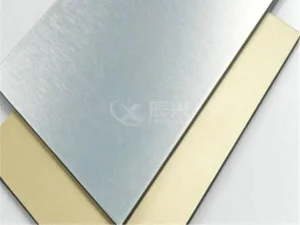
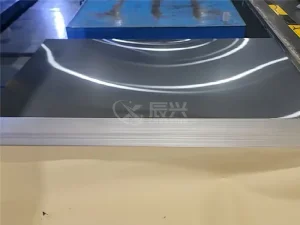
High-strength clad plates, battery cell enclosure casings, and structural panels optimized to reduce weight in electric vehicles and commercial transport.
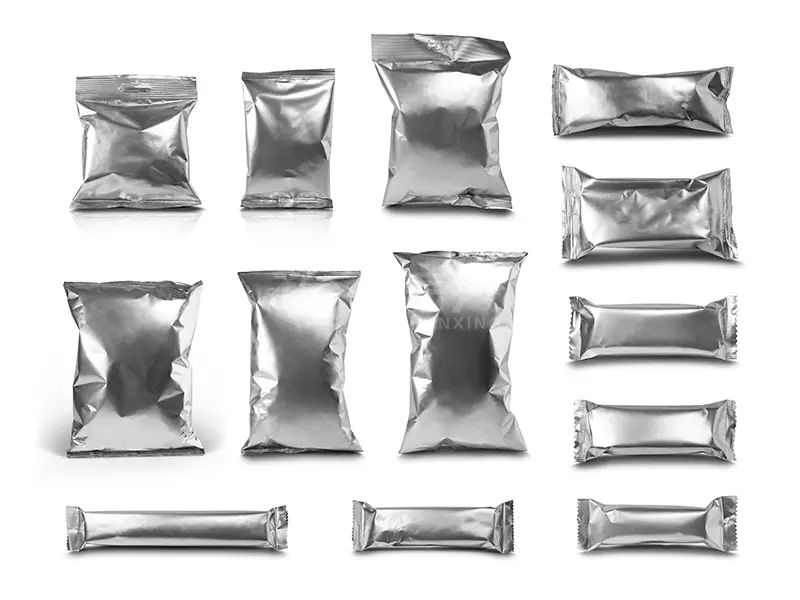
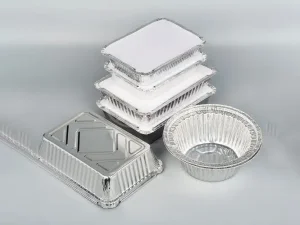
Flexible packaging barrier foils, retort pouch laminate stocks, and pharmaceutical blister packaging. Provides protection against moisture, gases, and UV light.

Ultra-thin anode and cathode capacitor foils, electromagnetic shielding tapes, and printed circuit board heat sinks. Designed for reliable thermal and electrical conductivity.

Heat-treatable aircraft alloys designed for stress-corrosion cracking resistance, structural integrity, and lightweighting in high-altitude environments.
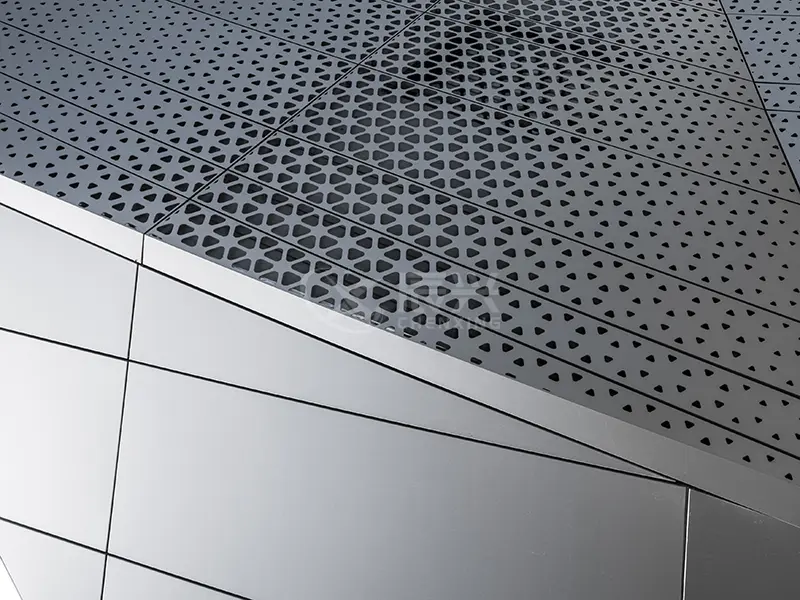
Vapor barrier insulation foils, PVDF architectural exterior cladding, sandwich panel skins, and roofing underlayments for building durability.

Hydrophilic fin stock for air conditioning, heat exchanger tubes, and inner liners for refrigerator systems. Built to withstand moisture and thermal cycling.
Compare mechanical properties, chemical composition highlights, and typical applications for key industrial alloys.
| Alloy Series | Common Tempers | Tensile Strength (MPa) | Elongation (%) | Primary Industrial Use Case |
|---|---|---|---|---|
| Alloy 1235 | O | 60 - 95 | ≥ 20 | Flexible packaging, cigarette packaging, capacitor barrier foils, battery current collectors. |
| Alloy 8011 | O, H14, H18, H22, H24 | 80 - 165 | ≥ 5 - 15 | Household cooking wrap, pharmaceutical blister packs, food containers, HVAC heat exchange fins. |
| Alloy 8021 | O | 85 - 110 | ≥ 25 | Cold-formed pharmaceutical blister packs (alu-alu packaging), lithium pouch cell wraps. |
| Alloy 8079 | O, H18 | 80 - 130 | ≥ 18 | High-barrier lamination film, flexible duct liners, cable wrapping insulation. |
| Alloy 3003 | H14, H24, H18, O | 120 - 200 | ≥ 3 - 10 | Air conditioner heat exchangers (fin stocks), heavy-duty food containers, honeycomb structural panels. |
| Alloy 3104 | H19, H48 | 230 - 290 | ≥ 2 - 6 | Beverage can bodies and tab stocks, highly-formed structural components requiring strength. |
Selecting the correct alloy chemical profile is vital for secondary forming operations. For example, Alloy 8011 has higher iron (Fe) and silicon (Si) content compared to 1xxx series alloys. This gives it greater tensile strength and puncture resistance, making it suitable for pharmaceutical container caps and packaging foils. Conversely, Alloy 1235 is over 99.35% pure aluminum, offering excellent electrical conductivity for battery cathodes and cable shielding applications.
Temper designations describe the material's structural hardness. The soft O temper (fully annealed) is used for flexible packaging because it conforms easily to complex shapes. Harder tempers, like H18, provide high tensile strength and stiffness, making them ideal for structural panels and HVAC fin stocks that must withstand high airflow without deformation.
Global procurement teams must manage several risks when sourcing jumbo rolls of aluminum foil, including thickness variation, pinholes, structural defects, and transport damage. A robust B2B quality control plan should focus on these key steps:
During cold rolling, oils are used to lubricate and cool the metal sheet. The coil must then undergo annealing to burn off these oils. If oil residues remain, they can interfere with printing inks, food contact coatings, or laminating adhesives. Standard testing involves the water-break test to determine the surface wetting tension. Industrial foils are categorized from Grade A (fully clean, zero residue) to Grade C, depending on the requirements of the application.
For high-barrier packaging, pinholes are a major quality concern. Suppliers should use optical scanners on the rolling lines to detect and record pinholes. The maximum allowable pinhole diameter is typically set in micrometers (e.g., < 50μm), and rolls with higher pinhole counts are flagged before packaging.
Jumbo foil rolls can weigh from 500kg up to several tons. If the core (steel, aluminum, or heavy fiberboard) collapses or deforms during transit, the coil cannot be mounted onto slitter or laminator shafts, making it unusable. Sourcing contracts should specify core material thickness, inner diameter tolerances (e.g., 76mm +/- 0.5mm), and structural reinforcement rules for shipping.
Ready to source high-grade aluminum roll stock or custom alloys? Share your technical specifications, thickness requirements, temper targets, and estimated volume.
Our engineering support team is available 24/7. We will evaluate your details and respond with a technical quote and lead time estimate within 24 hours.
Stay informed with updates on global logistics, technology changes, and raw material market movements.
Global demand for structural aluminum profiles has increased, driven by infrastructure investments. Our mills have expanded capacity to support shorter lead times for international orders.
Read Full Report
The rise of electric vehicles is shifting demand toward high-purity, thin aluminum foils. This technical brief examines performance needs for modern battery manufacturing.
Read Full Report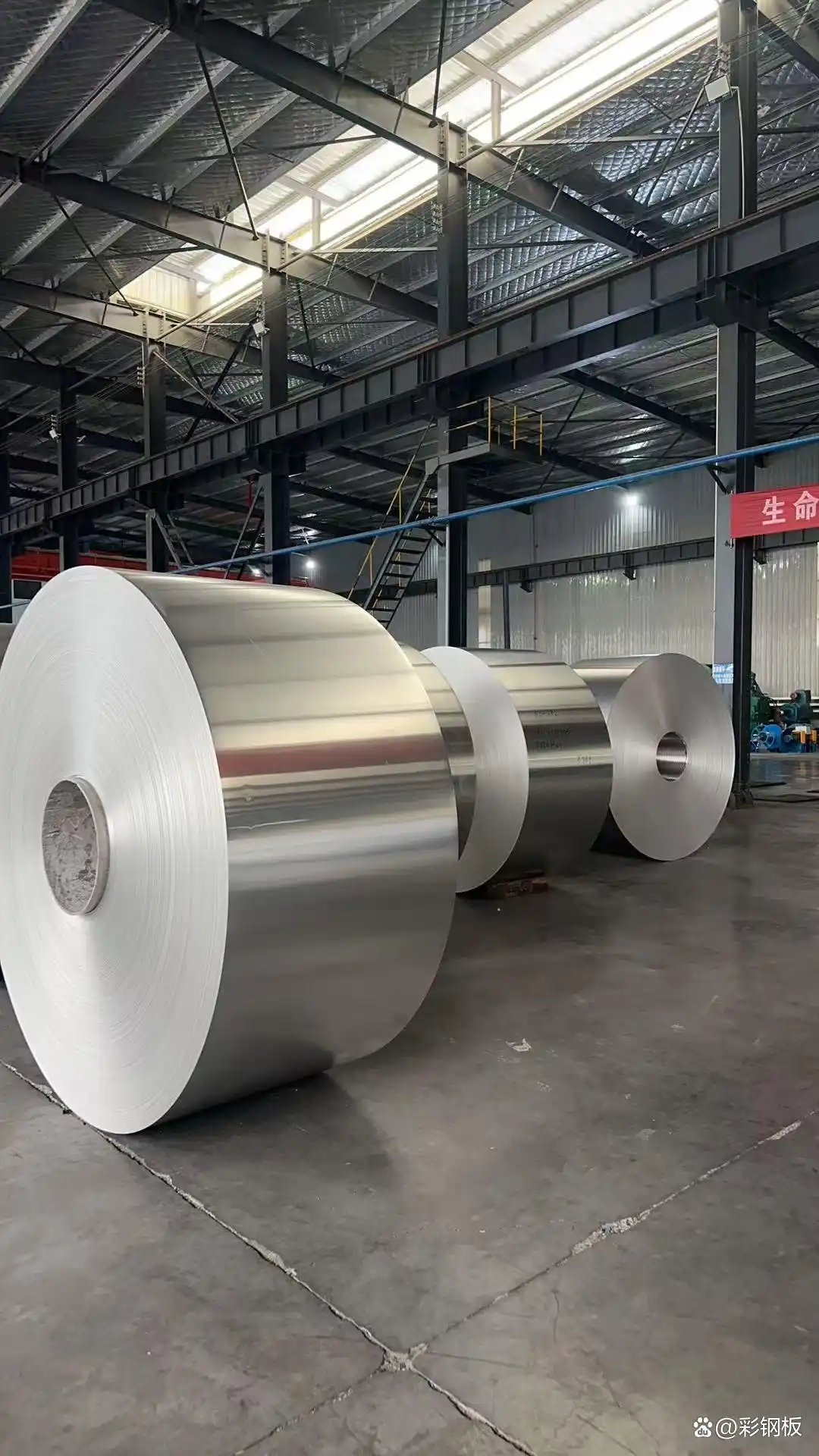
Renewable energy projects and sustainable packaging initiatives are driving demand for low-carbon, highly recyclable aluminum coils globally.
Read Full ReportAnswers to common B2B technical, logistics, and quality control questions.
We use advanced cold-rolling mills equipped with online Automatic Gauge Control (AGC) and Automatic Flatness Control (AFC) systems. These systems monitor and adjust rolling parameters in real-time, keeping thickness tolerances within +/- 2% and ensuring consistent flatness across the entire roll width.
All jumbo rolls are wrapped in protective plastic film, packed with silica gel desiccants to absorb moisture, and suspended in heavy wooden crates. This suspends the coil core, preventing flat spots and ensuring the foil does not touch the outer box surfaces.
Yes. Our packaging foils comply with FDA regulations for direct food contact and are manufactured in facilities certified to ISO 9001, BRC, and ISO 14001 standards. We supply Mill Test Certificates (MTC) and SGS reports with every shipment.
The standard MOQ for custom sizes is typically 3 to 5 metric tons, depending on the alloy and dimensions. Standard specifications may have lower MOQs if raw materials are already in stock.
O temper is fully annealed, making it soft, highly formable, and suitable for folding and lamination. H18 is fully work-hardened, providing high tensile strength and stiffness, which is ideal for rigid sheets and structures.
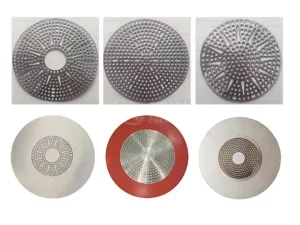
Premium structural materials, engineered discs, and high-performance clad alloys designed for challenging industrial and commercial applications.