
Explore our foundational range of precision-manufactured aluminum foils, structural plates, and high-purity industrial components.
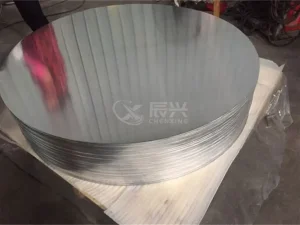

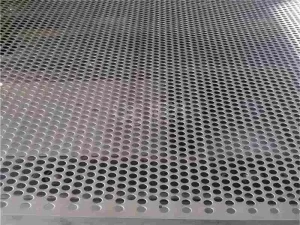
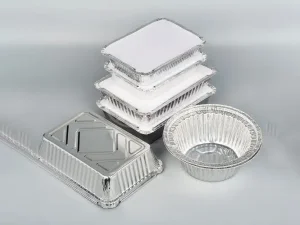
In the contemporary landscape of structural engineering, defense, solar infrastructure, and high-speed transit, the sourcing of structural extrusions is no longer a simple transactional operation. Buying from qualified industrial aluminum profile manufacturers requires a multi-dimensional vetting matrix spanning mechanical alloy performance, thermodynamic tolerance thresholds, and complex supply-chain compliance structures. As globally synchronized industries transition toward net-zero manufacturing targets, extruded aluminum has emerged as the core material of choice due to its high strength-to-weight ratio, infinite recyclability, and excellent thermal conductivity.
Information Gain Insight: Modern structural profiles are shifting from legacy 6063-T5 templates to high-alloy, precision-quenched 6082-T6 and 7075 structural configurations to meet structural performance requirements for utility-scale solar trackers, aerospace brackets, and heavy automotive chassis components.
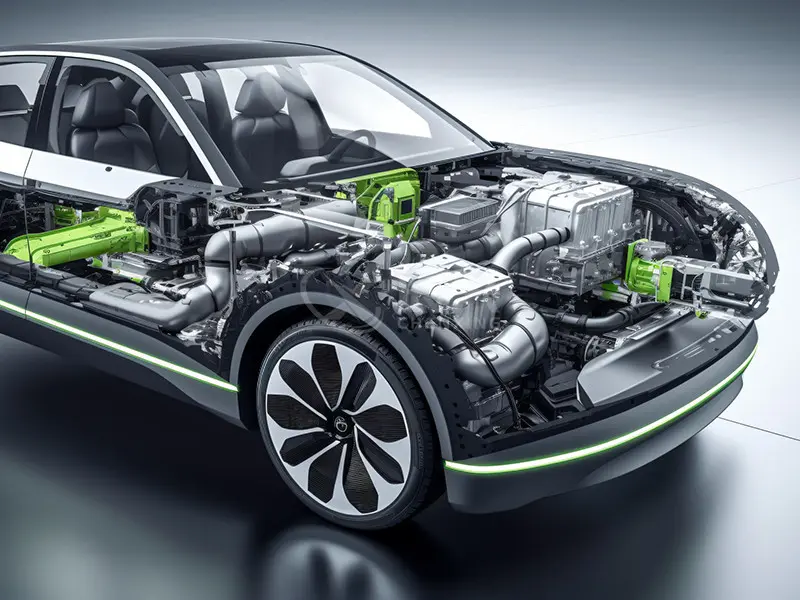
The global demand for semi-finished industrial aluminum has surged, driven primarily by the transition to electric vehicles (EVs) and rapid expansions in renewable energy. Modern EV manufacturers utilize custom-engineered structural aluminum profiles for battery enclosures, crumple zones, and chassis frames to offset battery weight and improve range efficiency. Similarly, solar photovoltaic systems demand structural profiles capable of enduring extreme wind and seismic loads over a 25-year operational lifespan.
However, securing a stable flow of raw billets and custom profiles requires deep partnerships with manufacturers who possess integrated smelting, extrusion, anodizing, and multi-axis CNC fabrication capabilities. Vertical integration ensures structural integrity, prevents intergranular corrosion through controlled cooling processes, and minimizes logistics costs.
To assist procurement directors and structural engineers in specifying the correct structural alloys, the table below highlights key performance parameters for common extrusion series:
| Alloy Designation | Typical Temper | Yield Strength (MPa) | Tensile Strength (MPa) | Corrosion Resistance | Primary Applications |
|---|---|---|---|---|---|
| 6060 / 6063 | T5 / T6 | 160 - 190 | 180 - 220 | Excellent | Precision framing, architectural channels, heat sinks |
| 6061 / 6082 | T6 / T651 | 240 - 260 | 290 - 310 | High | Structural frames, heavy machinery, solar racking |
| 5052 / 5754 | H111 / H22 | 80 - 130 | 190 - 240 | Outstanding (Marine) | Chemical vessels, pressure tanks, marine decks |
| 7075 | T6 / T651 | 503 | 572 | Moderate | Aerospace spars, military gear, high-stress tooling |
Partnering with a globally verified manufacturer guarantees operational reliability and product repeatability. Our enterprise capacities are backed by decades of proven performance in rigorous industrial environments.
Over two decades of precision metallurgical development, custom tooling design, and complex structural extrusion engineering.
Delivering high-compliance structural components across North America, the European Union, the Asia-Pacific region, and Latin America.

Utilizing inline eddy-current testing, optical emission spectrometers (OES), and comprehensive batch traceability coordinates.

Deploying formal 8D problem-solving methodologies within 24 hours to secure absolute quality resolution for critical project phases.
From aerospace structures to architectural frameworks, discover how our custom-extruded aluminum alloys provide high-performance solutions globally.



As the international community converges on strict carbon boundary adjustments (such as the EU's CBAM), the environmental impact of raw material extraction has become a key factor in global supply chain planning. Modern procurement practices now evaluate manufacturers based on their Scope 1, 2, and 3 emissions profile. In response, forward-looking aluminum manufacturers are implementing twin-chamber melting furnaces, utilizing high ratios of post-consumer scrap, and securing renewable energy grids to reduce the carbon footprint of their products.
Securing cross-border compliance means adhering to stringent structural specifications. Depending on the installation site, structural profile designs must comply with regional standards:
Keep abreast of industrial shifts, global metallurgical demand updates, and high-capacity manufacturing innovations.
Analyzing the macro-economic forces accelerating global demand for lightweight structural profiles across major international shipping corridors.
Analyzing the growth of current-collector performance, carbon-coating methods, and strict purity requirements for EV battery packs.
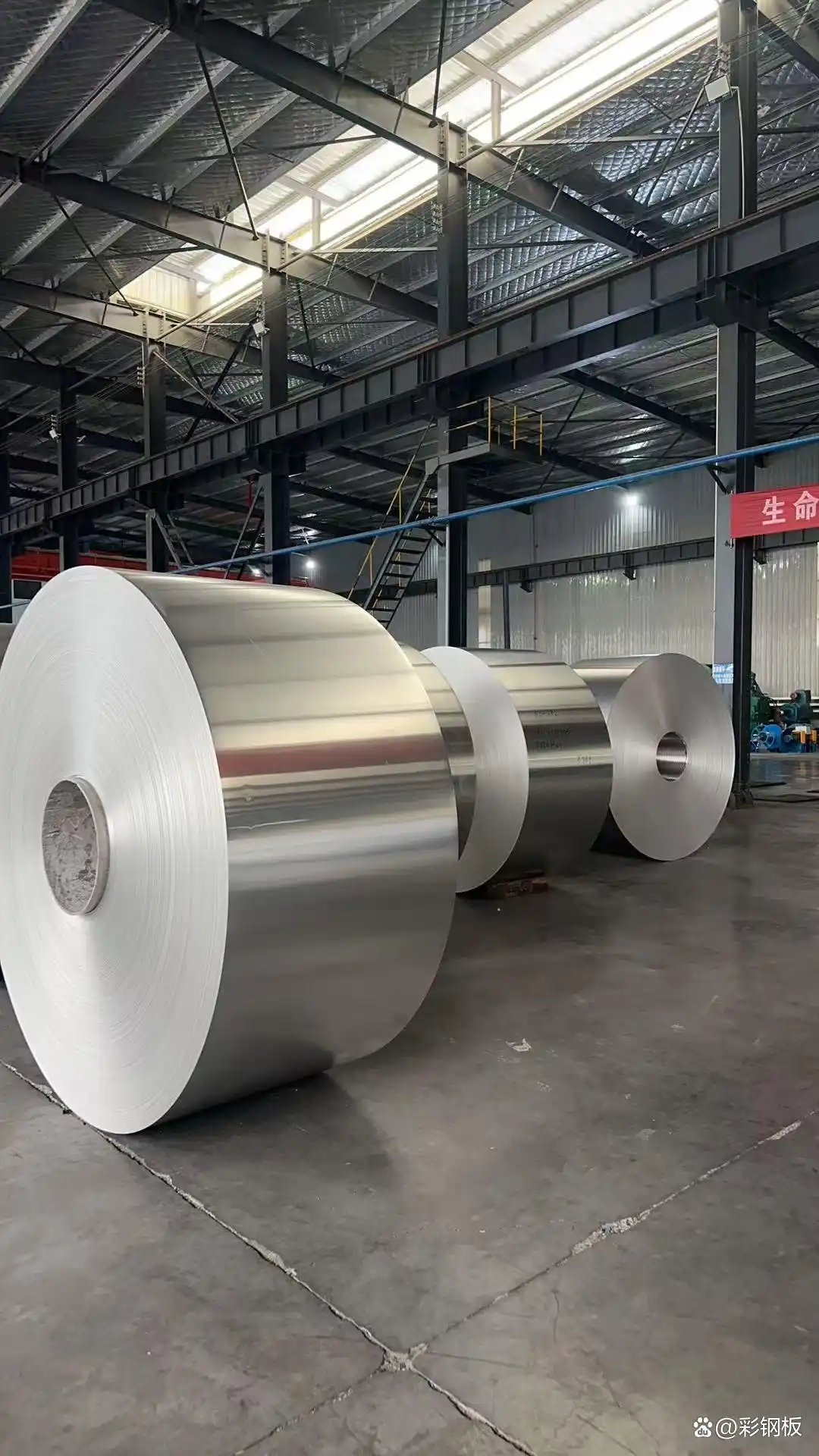
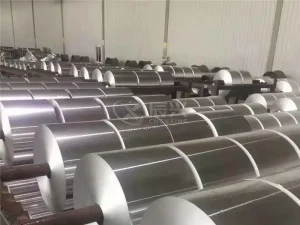
Exploring how circular economy mandates are shifting construction material sourcing toward highly recyclable painted and anodized coil solutions.
Direct metallurgical answers to help structural engineers and procurement managers evaluate materials and streamline specifications.
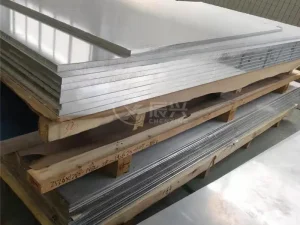
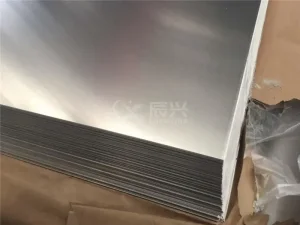
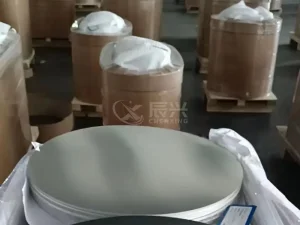
Select specialized aluminum materials designed for extreme marine settings, lithium-ion energy cells, and advanced structural designs.
Connect with our structural engineering team to review profile drawings, optimize alloy selections, calculate mechanical deflection loads, and request prototype extrusion runs.
Submit Design Draft Now