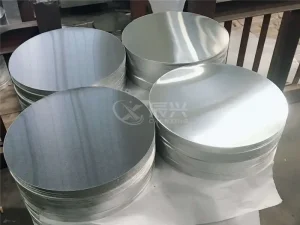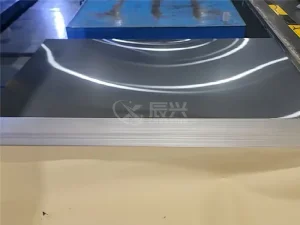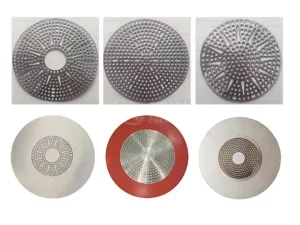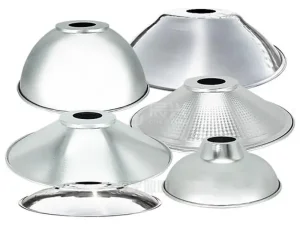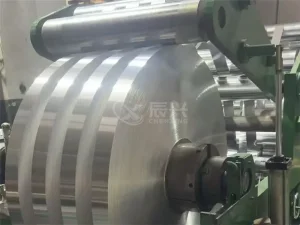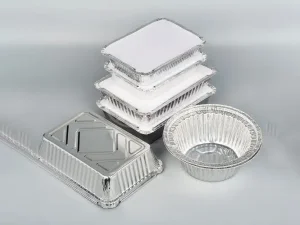
Explore our elite range of structural, surface-treated, and precision-engineered industrial aluminum solutions.
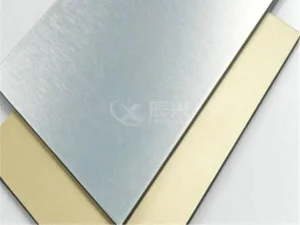
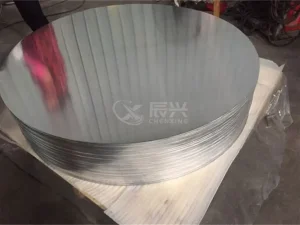
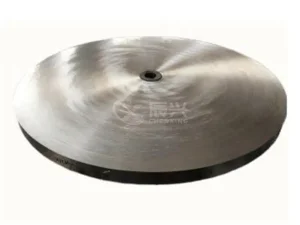
Understanding the material science, alloying elements, and performance benefits of the primary Al-Mn structural solution.
3003 Aluminum Coil is a standard Al-Mn (aluminum-manganese) alloy, widely recognized for its moderate strength, exceptional formability, and superb corrosion resistance. The inclusion of approximately 1.0% to 1.5% manganese (Mn) increases the strength of the material by up to 20% over 1100 series pure aluminum. The alloy responds to strain hardening but cannot be heat-treated.
Supplied in varying tempers from fully annealed (O temper) to strain-hardened designations like H12, H14, H16, H18, and partially annealed tempers like H22, H24, H26, and H28. The selection of the correct temper is critical for balancing elongation, tensile strength, and bending limits during subsequent pressing and stamping processes.
The natural oxide film on the surface of 3003 aluminum acts as an effective shield against localized atmospheric attacks, industrial gases, and dilute chemical compounds. For intense environments (such as marine operations or industrial air conditioners), the coils can be laminated, color-coated, or clad to boost long-term performance.
| Alloying Element | Silicon (Si) | Iron (Fe) | Copper (Cu) | Manganese (Mn) | Zinc (Zn) | Aluminum (Al) |
|---|---|---|---|---|---|---|
| Min % Limit | - | - | 0.05 | 1.0 | - | Balance |
| Max % Limit | 0.6 | 0.7 | 0.20 | 1.5 | 0.10 | Balance |
A synthesis of operational experience, strict quality control protocols, and comprehensive customer relations management.


How different global industries leverage 3003 alloy properties for optimized efficiency and high structural durability.
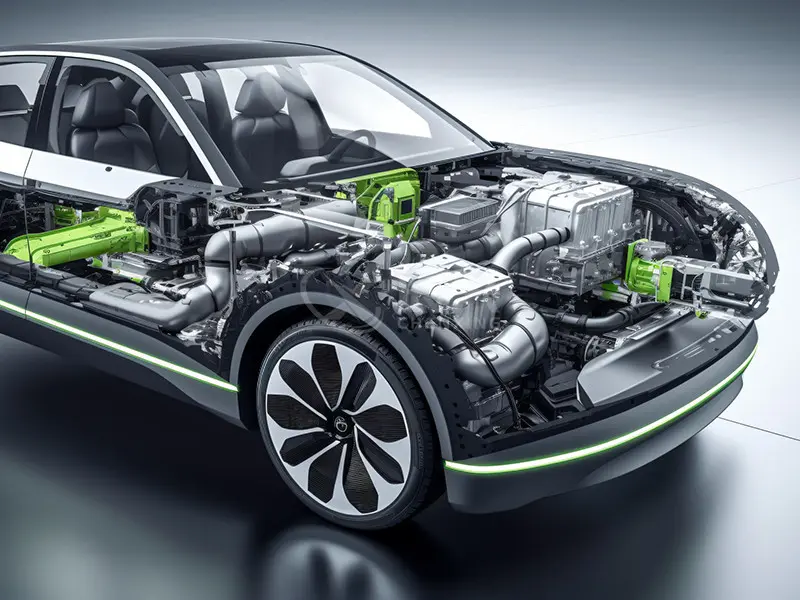
Ideal for commercial truck bodies, fuel tanks, internal structural frames, and lightweight panel structures for light rail vehicles. The high strength-to-weight ratio enhances fuel economy and hauling efficiency.
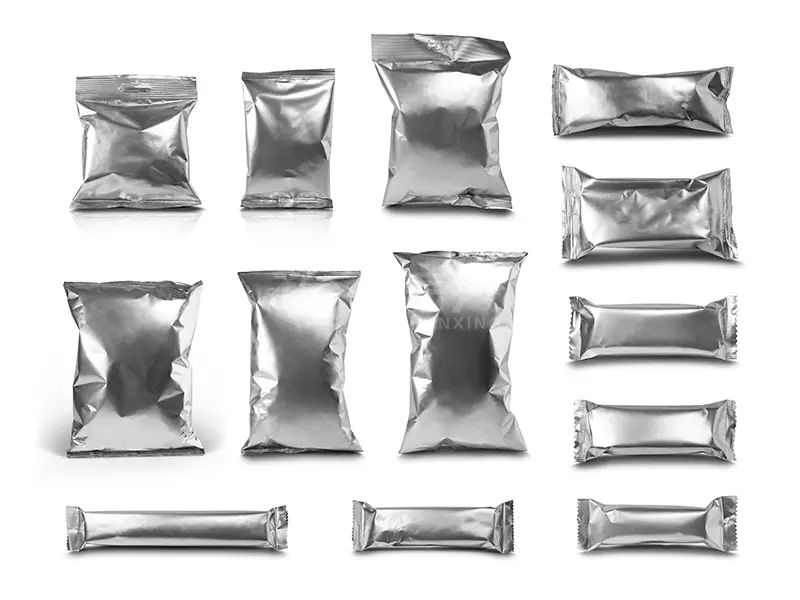
Widely utilized in manufacturing aerosol cans, chemical containers, beverage caps, and deep-drawn structures. Non-toxic, protective, and fully compatible with modern preservation techniques.

Critical in building heat dissipation plates, electrical panels, and shield enclosures. Excellent thermal conductivity ensures electronic devices dissipate heat and perform reliably under load.

Applied in lightweight cabin panel structures, ducting, fuel lines, and non-structural internal fixtures that require excellent corrosion resistance and robust material formability.
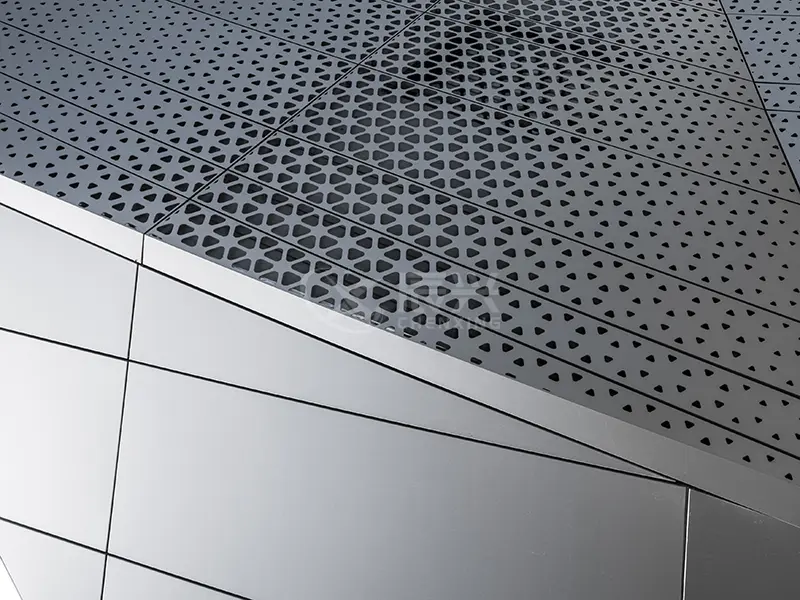
Essential for wall cladding, metal roofing systems, gutters, acoustic ceilings, and structural profiles. Resistant to weathering and acidic environments, ensuring zero degradation over decades.
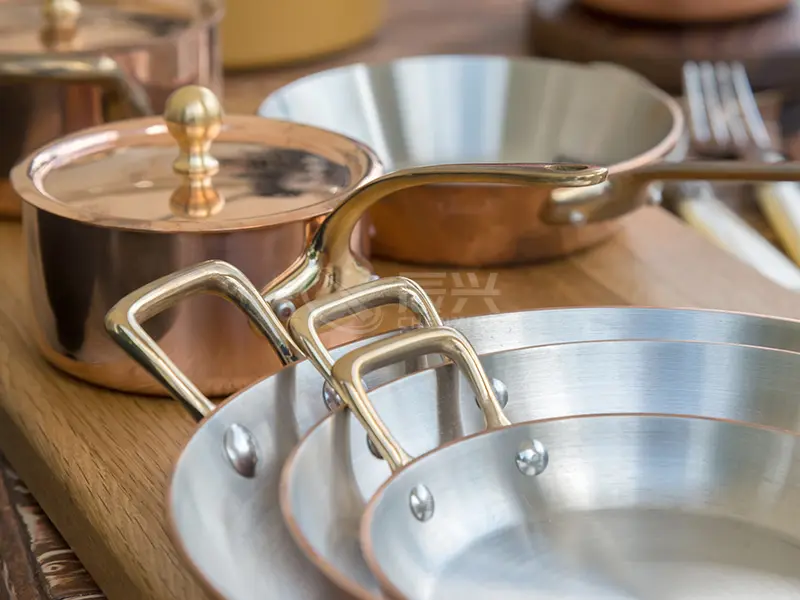
Utilized in refrigerator evaporator panels, washing machine drums, microwave ovens, and air conditioner condenser fins where long-term heat exchange and hygiene are of maximum concern.
How Chinese factories achieve maximum cost-efficiency, technical precision, and uninterrupted global distribution.
Chinese factories are situated in massive regional metallurgy clusters. This allows direct, high-volume sourcing of primary liquid aluminum, low-cost manganese master alloys, and efficient recycling facilities, significantly minimizing input and domestic logistics expenses.
Modern operations feature computerized German SMS Siemag hot-rolling and cold-rolling installations. Real-time automatic gauge control (AGC) ensures coil thickness deviations remain under 0.005 mm, preventing subsequent stamping and pressing errors.
Quality management systems strictly align with ISO 9001 and IATF 16949 international certifications. Each coil features detailed trace records, mapping its history from raw smelt ingot to final surface tension levelers and slitting operations.
Practical advice from industry professionals on navigating specs, quality checks, and shipping logistics.
Ensure your purchase orders explicitly define critical dimensional requirements (such as inner/outer diameters, total thickness, width tolerances), temper designations (H14, O, H24), and required surface finishes (e.g., mill finish, stucco embossed, or color-coated).
Request mill test certificates (MTC) matching ASTM B209 or EN 485 specifications. Verify third-party compliance reports (such as SGS or RoHS reports) to confirm heavy metals fall within acceptable limits before authorizing bulk container shipments.
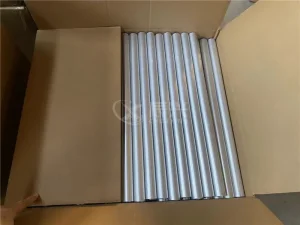
Sea shipping exposes cargo to humid environment changes. Require robust packaging: anti-oxidation desiccant bags, plastic film wraps, thick moisture-resistant Kraft paper, and solid wooden pallets loaded either "eye-to-sky" or "eye-to-wall".
Stay updated with current technological innovations, global price indexes, and key trade events.
Analysis of international logistics trends, regional tariffs, and how modern shipping schedules affect overall delivery lead times for primary aluminum coils.
Read More →
Diving deep into battery manufacturing: how the rapid growth of electric vehicles globally drives unprecedented demand for high-grade thin-foil products.
Read More →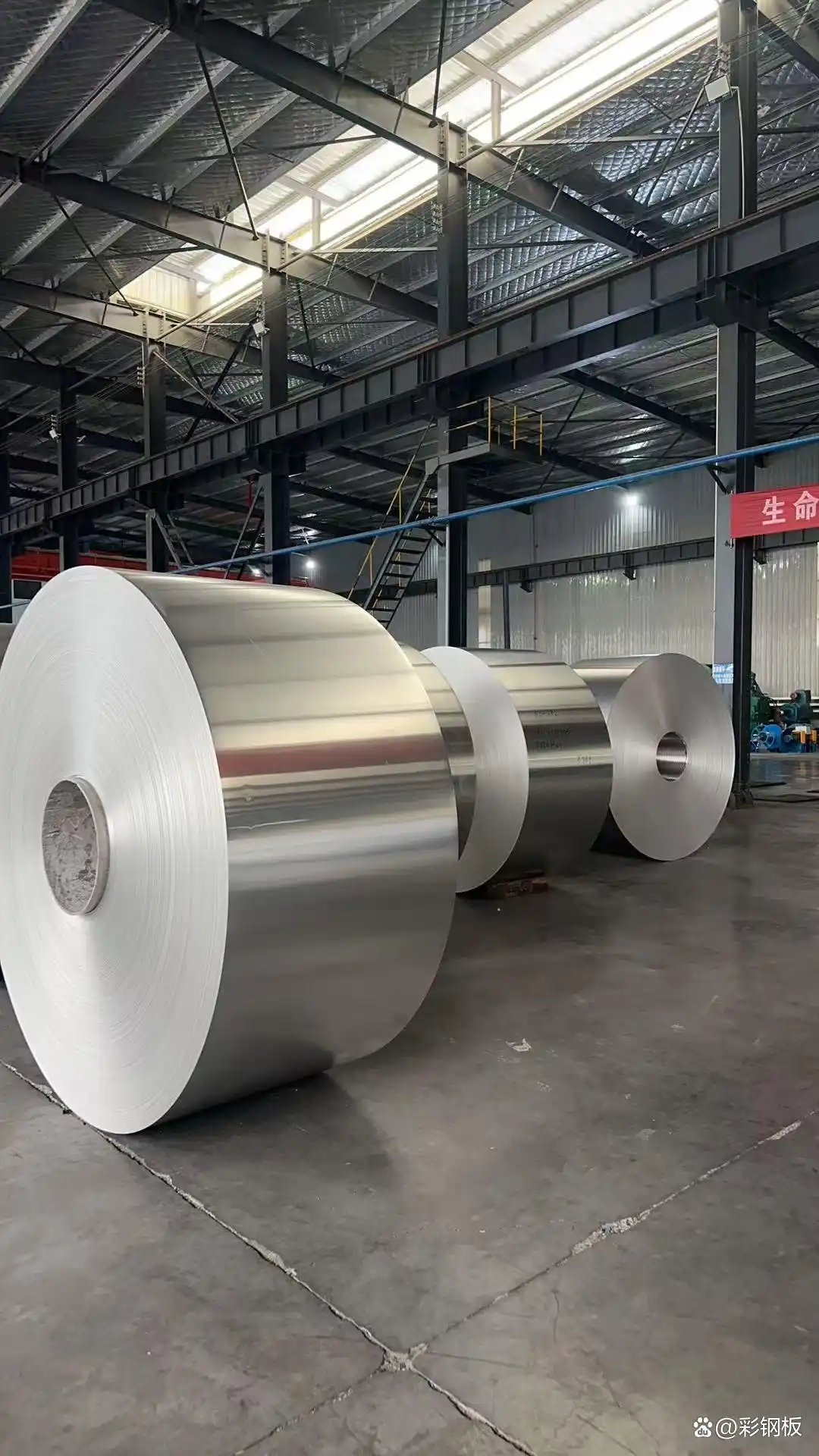
How modern carbon neutrality goals are reshaping metallurgy, encouraging mills to adapt sustainable production methods and green-energy sourcing.
Read More →Expert answers on technical characteristics, minimum orders, and practical applications of 3003 aluminum coil.
While both alloys belong to the 3000 series (aluminum-manganese family), 3004 contains approximately 1.0% magnesium (Mg) in addition to manganese. The inclusion of magnesium gives 3004 higher mechanical strength than 3003. Consequently, 3004 is widely preferred for beverage cans and roofing plates, whereas 3003 is chosen for heat exchangers, cookware, and generic chemical processing equipment.
Yes, 3003 aluminum coil accepts surface coatings exceptionally well. It is often coated using PVDF, PE, or epoxy paints to produce prepainted aluminum coils. While it can be anodized, the manganese content can sometimes yield a slightly yellowish or gray tint instead of a crystal-clear look, which means 1000 or 5000 series alloys are preferred for strict optical/decorative projects.
Our factory controls thickness variation using state-of-the-art Automatic Gauge Control (AGC) systems. Standard tolerances meet ASTM B209 specifications, typically staying within +/- 0.02 mm for standard coil gauges. For specialty precision requirements (such as condenser fins), we can limit deviation to within +/- 0.005 mm.
The H14 designation indicates the material has been strain-hardened to a half-hard condition. This temper offers a balanced compromise between tensile strength (typically 140–180 MPa) and workability. It bends easily at 90 or 180 degrees without cracking, making it the most popular selection for industrial sheet metal cladding and air conditioner components.
To ensure coils arrive oxidation-free, we employ multi-layer protection. Coils are wrapped in plastic film, packed with industrial desiccant packets to absorb ambient moisture, and then sealed in heavy-duty structural cardboard before being secured to pallets. We advise clients to store the coils in well-ventilated, dry indoor facilities away from direct contact with wet floor surfaces.
Because 3003 alloy contains manganese, it offers significantly higher tensile strength and structural stiffness than 1100 pure aluminum. This increased durability allows factories to reduce thickness (lightweighting) while retaining pressure capacity, resulting in lighter, more efficient, and cost-effective heat exchanger systems.
Need detailed specifications, wholesale volume pricing, or physical material samples? Send us your requirements and our technical sales engineers will respond within 24 hours.
Expand your sourcing strategy with complementary aluminum plates, circles, foils, and specialized extrusions.