
As we look toward 2026, the aluminum foil market is poised for significant growth. Industry expert John Smith, a veteran analyst at Aluminum Insights, underscores the importance of reliable suppliers. He states, "The future of aluminum foil depends on the strength of its producers." Understanding the top aluminum foil producers is crucial for global buyers navigating this evolving landscape.
The demand for aluminum foil continues to rise in sectors like packaging and insulation. Producers are therefore under pressure to enhance their efficiency and sustainability. Companies must adapt to changing market dynamics and consumer preferences. Innovations in production processes are essential to stay competitive. Yet, not all producers may keep up with these demands, leading to potential volatility in the supply chain.
Identifying reliable aluminum foil producers can be a daunting task. Buyers must evaluate both quality and reputation. Not every producer maintains the same standards. This inconsistency can impact procurement decisions. It is critical to remain vigilant and informed in this ever-shifting industry. The future belongs to those who are prepared to make thoughtful choices.
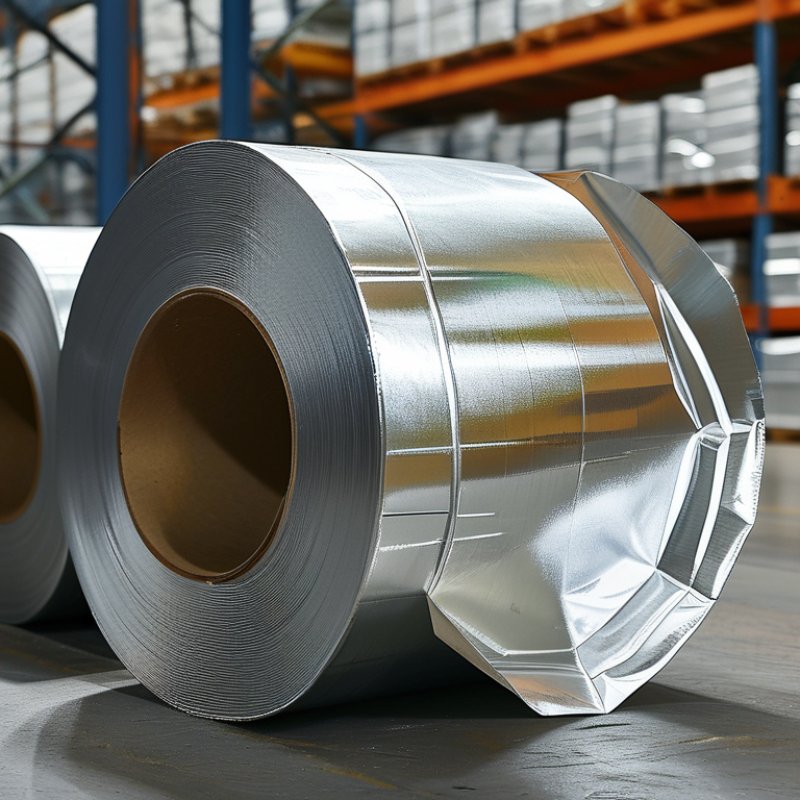
As the demand for aluminum foil continues to rise globally, several key players dominate the market in 2026. The aluminum foil industry is forecasted to reach a valuation of approximately $35 billion by 2026, highlighting its significance across multiple sectors, such as food packaging and pharmaceuticals. Companies that focus on innovative production processes gain a competitive edge. These practices enhance efficiency and reduce waste, even if they come with significant initial investments.
Market reports suggest that the Asia-Pacific region will play a crucial role in shaping the future of aluminum foil production. With a projected CAGR of 5% from 2021 to 2026, this region shows increasing investments in manufacturing capabilities. However, challenges such as fluctuating raw material costs and environmental regulations require continuous adaptation. Many producers struggle to balance sustainability and profitability in their operations.
Moreover, as consumer preferences shift toward eco-friendly packaging, the need for recycled aluminum is growing. While the industry witnesses a trend toward sustainability, achieving these goals often proves difficult. Many organizations are still exploring how best to integrate recycled materials into their supply chains. This reflects a broader challenge in the industry—driving growth while remaining responsible and environmentally conscious.
The aluminum foil market is evolving rapidly. In 2026, it is crucial to analyze the market share of leading companies across various regions. North America, Europe, and Asia Pacific are dominant players in this sector. Each region presents unique challenges and opportunities.
In North America, innovation drives growth. Manufacturers are focusing on sustainable production methods. In contrast, Europe prioritizes quality and regulatory compliance. The competition is fierce, and companies need to adapt quickly. Asia Pacific, with its vast consumer base, is an emerging powerhouse. However, fluctuating raw material prices pose risks to producers.
It’s challenging to maintain market share amid these dynamics. Companies must leverage advanced technologies to stay competitive. They could also explore partnerships to expand their reach. Understanding regional preferences will be essential in this landscape. Continuous research and adaptation may reveal gaps in consumer needs that can lead to growth.
This chart represents the projected market share of major aluminum foil producers across various global regions for the year 2026. The data indicates a significant concentration of market share in Asia, followed by North America and Europe, reflecting current trends and expected developments in the aluminum foil industry.
The aluminum foil industry is experiencing significant growth, driven by several key trends. The global market for aluminum foil is projected to reach approximately $36 billion by 2026, according to industry analyses. This represents a compound annual growth rate (CAGR) of around 5.2% from 2021. One major factor fueling this expansion is the increasing demand for lightweight and recyclable packaging solutions. With sustainability becoming a priority, businesses are seeking alternatives that reduce their carbon footprint.
The food and beverage sector is a significant contributor. Nearly 65% of aluminum foil is used in packaging, especially for ready-to-eat meals and snack items. Additionally, the rise in food safety awareness is leading to a preference for aluminum packaging, known for its barrier properties. Reports show that aluminum foil is impervious to light, moisture, and oxygen, which helps preserve product quality.
However, challenges exist in this evolving landscape. Fluctuating raw material prices can create volatility in production costs. Moreover, the reliance on traditional manufacturing processes raises concerns about environmental impact. Companies must adapt to new technologies and methods. This adaptation is crucial for remaining competitive and meeting regulatory standards. As the demand increases, so too does the pressure to innovate sustainably.
In 2026, the aluminum foil industry is embracing sustainability as a core practice. Leading producers are investing in eco-friendly technologies. Many companies are shifting towards recycled materials in their products. This significantly reduces their carbon footprint and conserves natural resources. Recycling aluminum saves up to 95% of the energy needed to produce new aluminum.
Water conservation is another key focus. Manufacturers are exploring methods to minimize water usage during production. Innovative processes reduce waste and pollution in waterways. Moreover, energy-efficient systems are being implemented. These systems help to lower energy consumption and greenhouse gas emissions.
Not all practices are flawless. Some producers still face challenges in meeting sustainability goals. The transition to greener practices requires time and resources. Various companies are still experimenting with scalable solutions. Despite drawbacks, progress is evident. Consumers increasingly seek eco-conscious products, urging manufacturers to improve their efforts in sustainability.
The demand for aluminum foil is soaring, especially in the food packaging sector. According to a recent market report, the global aluminum foil market is expected to reach 4.1 million tons by 2026. This growth stems from increased consumer preferences for convenient packaging solutions. The food industry benefits significantly, utilizing aluminum foil for cooking, preservation, and storage.
In addition to food packaging, the pharmaceutical industry is another key player in aluminum foil consumption. The material is essential for creating moisture-proof barriers, preserving the efficacy of medications. The projected demand in this sector is expected to rise by approximately 5% annually. With significant investments in healthcare, it's crucial to address the challenges of sourcing sustainable aluminum foil.
Tip: For businesses looking to optimize costs, consider working with reliable suppliers who focus on sustainable practices. Create partnerships that emphasize environmental responsibility. These connections can enhance your brand's reputation while meeting industry demands. Staying informed about market trends is vital for effective decision-making.
: The demand for lightweight and recyclable packaging solutions is a major driver of market growth.
Nearly 65% of aluminum foil is used specifically for food packaging, including ready-to-eat meals.
Aluminum foil is known for its barrier properties, protecting food from light, moisture, and oxygen.
Fluctuating raw material prices and traditional manufacturing processes raise concerns about the environment.
The food and pharmaceutical industries are the largest consumers of aluminum foil products.
The aluminum foil market is projected to grow at a CAGR of around 5.2% by 2026.
Companies must leverage advanced technologies and adapt to new manufacturing processes.
There is potential for partnerships focusing on sustainable practices to enhance brand reputation and meet demands.
The reliance on traditional manufacturing processes can lead to significant environmental concerns.
It may uncover gaps in consumer needs and reveal opportunities for growth amid market changes.
The article "Top Aluminum Foil Producers for Global Buyers in 2026" provides an insightful analysis of the leading players in the aluminum foil market. It highlights the market share of key aluminum foil producers categorized by region, showcasing how geographical dynamics influence market positioning. As the industry continues to evolve, several trends driving growth have been identified, including increasing demand for sustainable packaging solutions and innovations in production processes.
Additionally, the article emphasizes the importance of sustainability practices adopted by top aluminum foil producers, reflecting the industry's commitment to environmentally friendly operations. It also projects the demand for aluminum foil across various key applications and industries in 2026, indicating robust growth potential. Overall, this comprehensive overview serves as an essential resource for global buyers looking to understand the aluminum foil landscape and make informed decisions in the coming years.
