
How to Source Large Aluminum Sheet Metal for Global Buyers?

Time:2026-09-01 Author:Oliver
0%

In the competitive landscape of industrial manufacturing, sourcing Large Aluminum Sheet Metal has become a pivotal task for global buyers. According to a recent market analysis by Research and Markets, the aluminum sheet market is projected to reach USD 105 billion by 2026, growing at a CAGR of 4.5%. This growth indicates a rising demand for high-quality aluminum products, driven by sectors such as aerospace, automotive, and construction.

Navigating this sourcing process is not straightforward. Buyers face various challenges, including material quality, supplier reliability, and logistics. For instance, securing a supplier that consistently meets material specifications can be difficult. Furthermore, ensuring timely delivery while managing costs presents additional hurdles. A report by Statista highlights that 40% of companies cite supply chain disruptions as a major concern. This emphasizes the necessity for buyers to develop a robust strategy when engaging with suppliers.

The importance of pre-qualified suppliers cannot be overstated. Establishing relationships with reliable sources can mitigate risks associated with material inconsistencies. Buyers should consider leveraging industry networks and platforms dedicated to aluminum supply, as these resources can provide valuable insights into supplier capabilities. Ultimately, the effective sourcing of Large Aluminum Sheet Metal requires a combination of market intelligence, strategic relationships, and ongoing assessments.
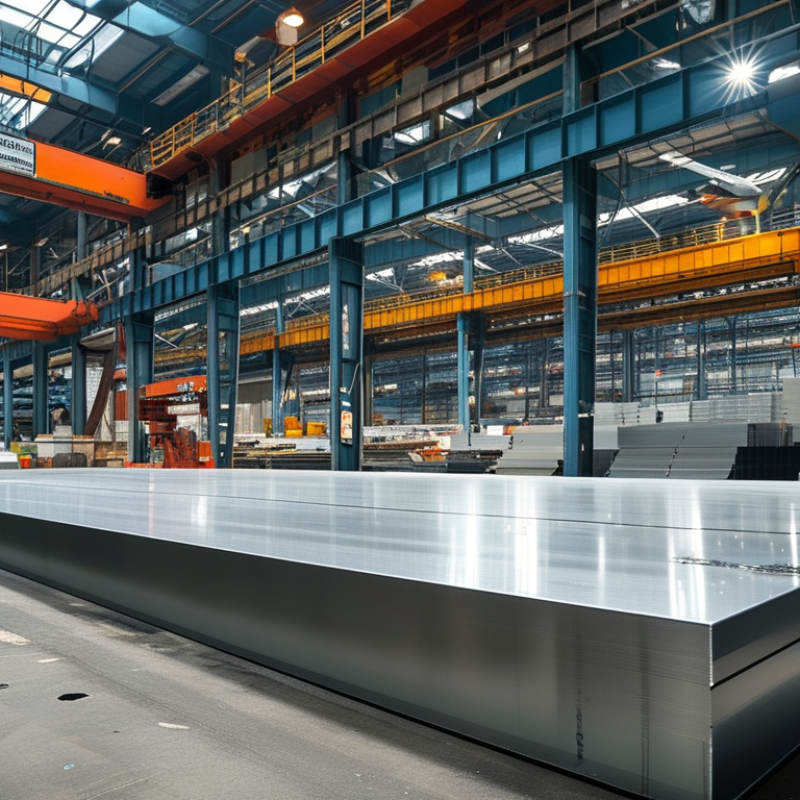
How to Source Large Aluminum Sheet Metal for Global Buyers?

Understanding the Demand for Large Aluminum Sheet Metal Globally

Understanding the demand for large aluminum sheet metal globally reveals critical insights. According to the Global Aluminum Association, the demand for aluminum sheets is projected to grow at a CAGR of 5.3% over the next five years. This trend highlights its importance in various industries, including construction, automotive, and aerospace. With increased urbanization and industrialization, the necessity for lightweight and durable materials has risen significantly.

Aluminum sheets are favored for their corrosion resistance and ease of fabrication. In construction, large sheets serve as essential components for facades and roofing. In the automotive sector, they contribute to fuel efficiency and overall vehicle performance. However, sourcing these materials poses challenges. Quality control and supplier reliability must be assessed carefully.

For those looking to source large aluminum sheets, consider these points. Engaging directly with manufacturers can yield better pricing and quality. Establishing long-term relationships is essential. Always inquire about certifications and production processes for assurance. Also, attending industry trade shows can provide valuable networking opportunities and insights on emerging trends. The fluctuating costs of raw aluminum can complicate budgeting, so continuous market evaluation is crucial for effective sourcing.

Identifying Reliable Suppliers for Large Aluminum Sheet Metal

When sourcing large aluminum sheet metal, identifying reliable suppliers is crucial. Buyers should prioritize suppliers with a strong track record in the industry. According to recent industry reports, the global aluminum market was valued at approximately $150 billion in 2022, with significant demand from automotive and construction sectors.

To ensure quality, manufacturers should seek suppliers with ISO certifications. These certifications indicate adherence to international quality standards. Verified reviews and testimonials can provide insights into a supplier’s reliability. Data from the Aluminum Association shows that companies with established reputations often demonstrate better consistency and service.

It's important to conduct thorough research. Potential buyers might explore industry trade shows and online platforms to connect with suppliers. While numerous options exist, not all suppliers may meet quality standards. Some may exhibit delays in delivery or inconsistencies in metal thicknesses. Engaging in direct communication with suppliers can mitigate these risks. Requests for samples can also provide a practical understanding of their products.

Evaluating Quality Standards and Certifications for Aluminum Sheets

When sourcing large aluminum sheet metal for global buyers, understanding quality standards and certifications is crucial. Aluminum sheets are often evaluated based on specific criteria like dimensions, thickness, and tensile strength. According to the Aluminum Association, certified materials typically meet stringent International Organization for Standardization (ISO) standards. The ISO 9001 certification ensures that manufacturing processes maintain consistency and quality.

Furthermore, the ASTM International standards, particularly ASTM B209, denote specifications for aluminum alloy sheets and plates. These specifications cover chemical composition, mechanical properties, and more. Without these certifications, buyers may face risks related to product performance and safety compliance. Reports indicate that around 40% of global aluminum sheet metal products lack these crucial certifications, leading to inconsistent quality.

Buyers should also consider environmental impact. The Global Aluminum Alliance emphasizes sustainability in sourcing. Eco-friendly processes ensure that aluminum production minimizes energy consumption. Auditing suppliers for their adherence to these practices can help mitigate ecological concerns. However, not all suppliers maintain transparency, which calls for thorough due diligence before finalizing any agreements.

How to Source Large Aluminum Sheet Metal for Global Buyers? - Evaluating Quality Standards and Certifications for Aluminum Sheets

Dimension (mm) Material Grade Thickness (mm) Weight (kg/m²) Certification Applications
2500 x 1250 A3003 3.0 7.4 ISO 9001 Cooking Utensils, Storage Tanks
3000 x 1500 A5052 4.5 11.5 ASTM B209 Marine Applications, Automotive Parts
2000 x 1000 A6061 6.0 14.6 EN 573-3 Structural Components, Construction
1500 x 3000 A7075 2.5 5.8 NADCAP Aerospace, High-Strength Applications

Navigating Logistics and Shipping for Global Sourcing

When sourcing large aluminum sheet metal for global buyers, logistics and shipping play crucial roles. Efficient movement of materials can significantly impact delivery timelines and costs. According to a report by the International Aluminum Institute, the global aluminum demand reached 60 million tons in 2022, creating a pressing need for effective logistics solutions.

To successfully navigate these logistics, work closely with established freight forwarders who have experience in handling aluminum shipments. They can provide insights into optimal shipping routes and methods. Containerization has become increasingly popular, particularly for overseas shipments. It not only protects the aluminum during transit but also maximizes space efficiency.

Here are some tips: Ensure all documentation is accurate and complete to avoid delays. Using digital tracking tools can enhance visibility throughout the shipping process. Regular updates from your logistics partner can help manage expectations and resolve issues promptly. Logistics may seem straightforward, but the intricacies of regulations and customs can lead to unexpected challenges. Stay informed about the latest shipping regulations to avoid costly errors.

Global Sourcing of Aluminum Sheet Metal: Shipping Costs by Region

Cost Considerations and Pricing Strategies for Buyers

When sourcing large aluminum sheet metal, pricing strategies play a crucial role for buyers. The aluminum industry has seen fluctuations in prices, influenced by global demand and market access. As per the Aluminum Association, the price of aluminum has experienced a 30% increase in the past year, largely due to supply chain disruptions and rising energy costs. Understanding these dynamics is vital for buyers seeking to make informed decisions.

Buyers should consider various factors affecting costs. Location, for instance, can significantly impact pricing due to logistics. Reports from key industry analysts indicate that shipping costs can account for up to 20% of total expenditure. Additionally, engaging in bulk purchasing can yield cost advantages, with some suppliers offering discounts for larger orders. Forecasting demand accurately also helps in negotiating favorable terms with suppliers, minimizing risks associated with price volatility.

It's important to note that not all suppliers provide transparent pricing or consistent quality. Some may offer lower prices but compromise on material integrity. Researching suppliers’ reputations is essential. Many buyers overlook the significance of quality assurance, potentially leading to costly errors. Therefore, maintaining a balance between cost and quality is crucial for sustainable sourcing.

FAQS

: What is the projected growth rate for aluminum sheet demand?

: The demand for aluminum sheets is projected to grow at 5.3% over the next five years.

Why are aluminum sheets popular in construction and automotive sectors?

Aluminum sheets are lightweight, durable, and corrosion-resistant, making them ideal for these industries.

What should I consider when sourcing large aluminum sheets?

Engage directly with manufacturers and inquire about certifications and production processes for better quality.

How can I identify reliable suppliers for aluminum sheet metal?

Look for suppliers with a strong track record and ISO certifications to ensure quality standards are met.

What challenges might arise when sourcing aluminum sheets?

Sourcing can be complicated by fluctuating costs and the need for quality control from suppliers.

How important are industry trade shows for sourcing aluminum sheets?

Trade shows offer networking opportunities and insights into emerging trends that can improve sourcing strategies.

What risks should buyers be aware of when choosing suppliers?

Some suppliers may have delivery delays or inconsistencies in metal thickness, which can affect your projects.

Why should I request samples from suppliers?

Requesting samples helps you evaluate the quality of the products before committing to larger orders.

Can I rely on reviews and testimonials for selecting suppliers?

Verified reviews can provide insights, but be cautious—some reviews may not represent true supplier reliability.

How often should I evaluate market pricing for aluminum?

Continuous market evaluation is crucial for budgeting effectively due to the fluctuating costs of raw aluminum.

Conclusion

Sourcing large aluminum sheet metal for global buyers involves a comprehensive understanding of market demand and reliable supplier identification. Buyers must assess the specific requirements of their projects, including the dimensions and thickness of the aluminum sheets needed, while also considering the quality standards and certifications that ensure product durability and safety. Evaluating potential suppliers for their credibility and track record is crucial to secure quality materials.

Moreover, navigating logistics and shipping can be complex, as it requires attention to transportation options, customs regulations, and potential delays. Cost considerations play a significant role in the sourcing process; hence, buyers should develop appropriate pricing strategies to ensure competitiveness in the market while maintaining product quality. By focusing on these critical aspects, buyers can efficiently source large aluminum sheet metal that meets their project needs and global standards.

Oliver

Oliver

Oliver is a seasoned marketing professional with a wealth of expertise in driving brand awareness and engagement. With a deep understanding of our company's product offerings, he consistently delivers high-quality content that enriches our professional blog. His insights not only shed light on......