
Aluminum Foil Metal is a critical material in food packaging, pharmaceuticals, insulation, and household products. Its thin, formable structure helps protect contents from light, moisture, and oxygen. But supplier choice involves more than price. Buyers also assess alloy consistency, foil thickness, roll width, surface quality, delivery reliability, and technical support.
The International Aluminium Institute’s global production statistics reported approximately 70.6 million tonnes of primary aluminium production in 2023. This is useful context for the scale of the wider industry, but it does not represent foil output. That distinction matters. The World Bank’s Commodity Markets Outlook also tracks aluminium prices, offering procurement teams a reference for market movements rather than a forecast of any supplier’s costs. Regional publications from European Aluminium add context on manufacturing and recycling across European markets.
This guide introduces leading aluminium foil suppliers worldwide and the capabilities that set them apart. It considers product range, manufacturing scale, certifications, export experience, and evidence of quality control. A large production footprint can indicate capacity, yet it cannot prove that every order will meet exact specifications. Small details matter. A buyer should verify the alloy designation, temper, thickness tolerance, and packaging requirements directly with each supplier. Published figures and company claims can also differ in scope, so comparisons are not always straightforward. The aim here is a practical starting point, not a substitute for technical checks, sample testing, or a detailed supplier audit.
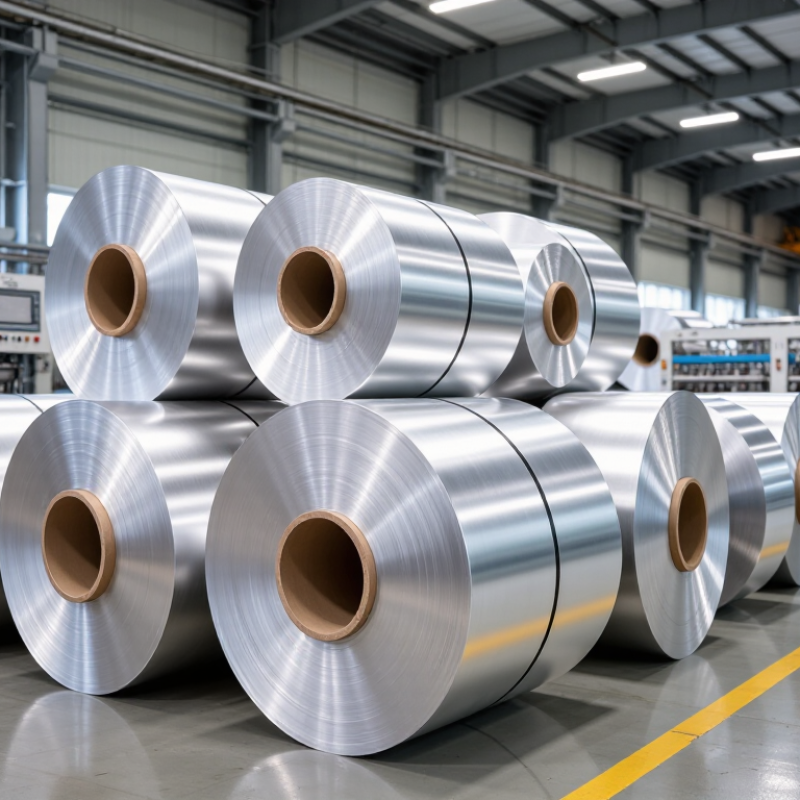
Aluminum foil suppliers serve food, pharmaceutical, building, and transport industries with materials tailored to different production needs. A converter may need thin, flexible foil for wrapping, while an insulation maker needs consistent thickness across wide rolls. The International Aluminium Institute’s 2022 outlook projected packaging demand to rise from 20.6 million tonnes in 2020 to 28.1 million tonnes by 2030. That matters. Suppliers must coordinate alloy, temper, roll width, and delivery schedules, not merely sell metal.
For food producers, foil helps shield products from light, moisture, and oxygen. Pharmaceutical packaging requires tight control of thickness and surface quality, since small defects can affect package performance. Construction buyers value foil in insulation systems, where clean edges and dependable dimensions simplify installation. Yet forecasts are not orders. A weakness in market-wide figures is that they cannot show whether a particular supplier can meet a buyer’s exact specification. Samples, technical sheets, and production checks still matter.
Tips: Confirm foil gauge, alloy, temper, and permitted tolerances before requesting a quote. Ask for test records and sample rolls, then check how the material runs on your equipment. Include packaging and lead-time requirements. Small details can cause delays.
Comparing aluminum foil manufacturers starts with the specification sheet, not the price quote. Check alloy, temper, thickness tolerance, width, and roll weight. Ask for test results covering tensile strength, pinholes, surface quality, and food-contact suitability where relevant. A roll can look smooth yet perform poorly during lamination or high-speed packing. Request samples and test them on your actual line.
The International Aluminium Institute’s Global Aluminium Cycle analysis estimates that about 75% of all aluminum ever produced remains in use. That makes recycled content and traceability worth checking, not just promotional claims. The IEA’s 2023 Aluminium report puts aluminum-sector emissions at roughly 2% of global emissions. Compare suppliers’ energy and emissions data, and ask how recycled input is verified. Figures need context: production routes and reporting boundaries differ.
Tips: Request a recent certificate of analysis, a written tolerance range, and a sample from the same production process as your order. Check lead times and defect-handling procedures, too. One audit is not permanent proof; records can go stale, and small trial orders may not reveal every issue.
Aluminum foil suppliers serve different needs across major regions. East Asian producers often support high-volume packaging and electronics applications, where consistent thickness and stable supply matter. European suppliers commonly emphasize tight quality controls, recycling practices, and specialized foil grades. North American manufacturers serve food, pharmaceutical, building, and industrial markets, with delivery schedules shaped by local converting capacity. Regional strengths vary.
In South Asia and the Middle East, demand is growing alongside food processing, construction, and consumer packaging. Suppliers in these markets may offer shorter shipping routes to nearby customers, though available alloys and thickness ranges differ by facility. Latin American producers and converters can help buyers reduce transport distances within the region. African supply networks are more uneven, so purchasers may need to compare local production with imported material. That sounds tidy, but reality is messier.
A careful supplier review should go beyond price per ton. Ask for alloy and temper specifications, thickness tolerances, roll-width options, and recent inspection records. Request sample rolls and check for pinholes, edge damage, and surface variation under actual production conditions. Also confirm minimum order quantities, lead times, packaging, and how deviations are handled. A reliable supplier explains limitations clearly and provides traceable documentation. One test run helps.
Global aluminum foil suppliers vary in the products they can make and the consistency they can maintain. Many offer household foil, food-packaging foil, container stock, and industrial foil in different alloys and tempers. Available thicknesses, widths, and roll lengths depend on each production line. Some mills handle casting and rolling in-house; others focus on converting, slitting, and finishing. This distinction affects lead times and customization. Small details matter.
Production capability is more than maximum output. Buyers can ask how suppliers control thickness, pinholes, edge quality, and roll tension across a batch. Typical checks may include thickness measurement, visual inspection, and tensile testing, with records available for review. Suppliers may also provide annealing, surface treatment, or printed and laminated finishes, depending on their equipment. For packaging applications, confirm that material specifications and documentation fit the intended use and destination market.
A specification sheet can look reassuring, yet performance may shift between sample rolls and larger orders. It is worth comparing samples and asking how process changes are documented. Not every supplier can meet every gauge or finish efficiently. Clear limits are useful. When discussing capacity, request realistic production ranges, quality-control details, and packaging methods that protect foil from moisture and crushing during transit.
Top Aluminum Foil Metal Suppliers Worldwide
How to Select an Aluminum Foil Supplier for Your Needs
Choosing a supplier starts with the foil’s job. A packaging line may need different thickness, temper, and roll width than a household product. Share your target dimensions, intended use, and acceptable tolerances. Ask whether the supplier can provide a technical data sheet and a sample from the same production process. Small differences matter.
Check quality controls, traceability, and how defects are handled. Request test records for properties relevant to your application, such as thickness consistency or tensile strength. If the foil will contact food or another regulated product, confirm that the supplier can provide documentation suited to your market and use. Also compare minimum order quantities, lead times, and packaging protection. A low quote can become costly if rolls arrive dented or schedules slip. No checklist removes every risk. Samples do not always reflect a full production run, so that deserves a second look.
Tips: Give suppliers the same written specifications for a fair comparison. Ask how they prevent edge damage and moisture exposure during shipping. Keep one approved sample for future checks. A clear response to a problem can matter as much as a perfect first sample.
Compare alloy, temper, thickness tolerance, roll width, minimum order quantity, and lead time. Price alone can mislead.
Request sample rolls and inspect them under real production conditions. Look for pinholes, damaged edges, and uneven surfaces. One sample is not the whole story.
Yes. East Asian suppliers often serve high-volume packaging and electronics needs. European suppliers may emphasize quality controls and recycling practices. Regional options vary.
Share the intended use, target dimensions, and acceptable tolerances in writing. Ask each supplier to quote against the same specifications.
Poor protection can leave rolls dented or exposed to moisture. Ask how shipments are packed and how edge damage is prevented. Small details matter.
Ask for a technical data sheet, inspection records, and traceable production information. For food-contact uses, confirm that documents fit your market and application.
No. A sample may not reflect a full production run, so keep an approved sample for later checks. Still, it is useful.
Ask how deviations are recorded and resolved. Clear explanations can matter as much as a flawless first sample. People sometimes overlook that.
Aluminum foil suppliers support a wide range of global industries, including food packaging, household products, pharmaceuticals, construction, and manufacturing. Their materials can be tailored for different uses through variations in thickness, width, temper, surface finish, and barrier performance. When comparing manufacturers, buyers may consider product consistency, production capacity, quality controls, customization options, delivery reliability, and technical support.
Suppliers across major regions offer capabilities suited to both standard and specialized requirements, from everyday foil rolls to larger industrial formats and converted products. Choosing an Aluminum Foil Metal supplier starts with defining the application, required specifications, expected order volume, and delivery schedule. Comparing samples, documentation, communication, and the supplier’s ability to scale production can help buyers identify a dependable partner for their operational needs.
