
In today's competitive marketplace, selecting the right materials can make a significant difference. Aluminum Foil Coil has become a popular choice for various industries. Experts like Dr. Jane Thompson, a leading authority on materials science, have noted, "Aluminum Foil Coil offers unmatched durability and versatility."
Businesses that require lightweight yet strong materials often turn to Aluminum Foil Coil. Its resistance to corrosion and excellent thermal properties are just a few reasons for its growing popularity. Industries ranging from food packaging to automotive rely on its unique advantages. However, it's essential to consider the specific needs of your business before making a choice.
The selection process can be challenging. Factors like cost, availability, and intended use should always be factored in. As you weigh your options, keep in mind that not all products are created equal. Conduct thorough research and seek advice from industry experts. The insights could lead to better decisions on using Aluminum Foil Coil in your operations.
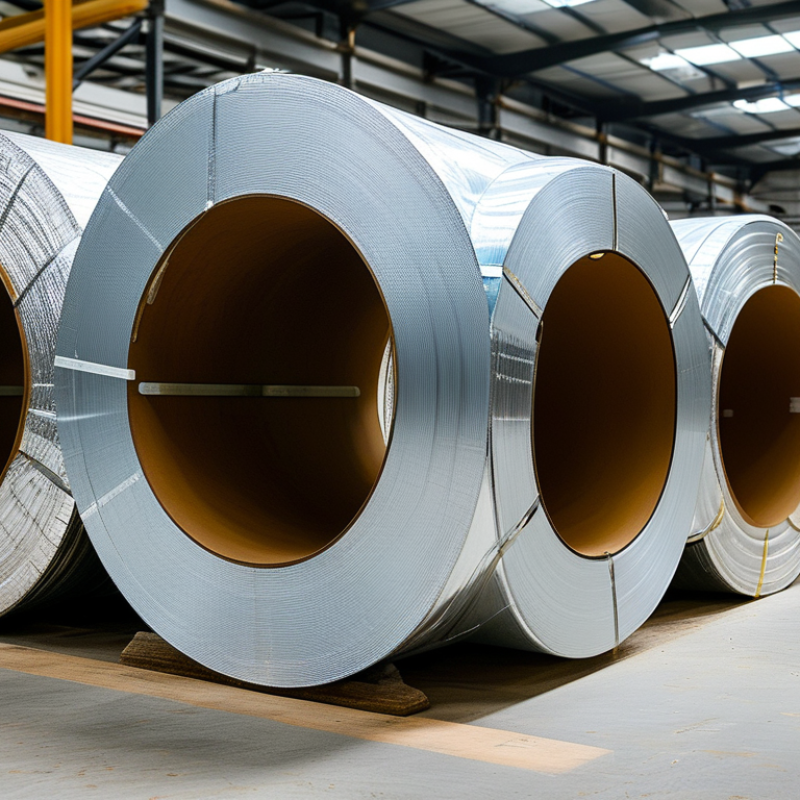
Aluminum foil coil is a versatile material used across various industries. Its lightweight nature makes it ideal for applications where weight reduction is crucial. The ability to create thin, flexible sheets without losing strength is remarkable. This property allows for efficient packaging and insulation solutions.
The benefits of aluminum foil coils extend beyond lightweight design. They provide excellent thermal insulation, preserving temperature in both hot and cold applications. Aluminum also offers corrosion resistance, increasing the longevity of products made from it. This makes it a reliable choice for businesses looking to ensure durability.
Aluminum foil coil has a wide range of applications across various industries. In the food packaging sector, aluminum foil ensures product freshness. Reports show that packaging materials represent approximately 30% of total aluminum usage. This is crucial for both food safety and waste reduction. The lightweight nature of aluminum also aids in reducing transportation costs, which is significant for businesses mindful of logistics.
In the construction industry, aluminum foil is utilized for insulation and vapor barriers. The thermal performance is remarkable, making buildings more energy-efficient. Studies indicate that energy-efficient buildings can reduce energy consumption by 30% to 50%. However, sourcing high-quality aluminum foil can be challenging. Variances in thickness and quality can lead to subpar insulation performance, necessitating careful supplier evaluations.
The automotive industry leverages aluminum foil in various components, including heat exchangers. Lightweight aluminum contributes to fuel efficiency and lower emissions. Industry forecasts predict a shift towards lighter materials will save up to 15% in fuel consumption. Yet, determining the right balance between weight and structural integrity remains a concern. Businesses must continue evaluating material innovations to enhance performance while ensuring safety standards are met.
| Industry | Application | Benefits |
|---|---|---|
| Food & Beverage | Packaging | Preserves freshness and prevents leakage |
| Automotive | Heat shielding | Reduces heat transfer, increasing efficiency |
| Construction | Thermal insulation | Improves energy efficiency of buildings |
| Medical | Sterilization packaging | Maintains sterility and prevents contamination |
| Electronics | EMI shielding | Protects sensitive components from electromagnetic interference |
Aluminum foil coil is becoming a popular choice for many businesses. One reason is its cost-effectiveness. Compared to other materials, aluminum foil has a lower production cost. It provides excellent value for its price. This makes it ideal for companies looking to maximize their budgets.
Moreover, its lightweight nature reduces shipping costs. Businesses can save money on logistics. Aluminum foil coil also requires less energy to produce than other metal options. This can lead to significant savings over time. The versatility of aluminum foil coil allows for various applications. Whether it's packaging, insulation, or even art projects, it delivers efficiency and results.
However, it is essential to consider the trade-offs. While it is strong and flexible, it may not always be the most durable option for heavy-duty applications. Businesses need to evaluate their specific needs. Finding the right balance between cost and performance is crucial for long-term success. By choosing aluminum foil coil, companies can enhance their operations while keeping expenses in check.
Aluminum foil is increasingly recognized for its sustainability and recyclability. According to the Aluminum Association, around 75% of aluminum ever produced is still in use today. This long life cycle significantly reduces the overall environmental impact. Aluminum does not degrade during recycling, making it a valuable resource for manufacturers.
While recycling rates for aluminum foil are impressive, challenges remain. Approximately 50% of aluminum packaging in the U.S. is recycled, but many consumers are unaware of proper disposal methods. Poor recycling rates can lead to more waste in landfills. Each year, over 1 million tons of aluminum foil packaging are used in the U.S. alone. This calls for better education on recycling practices.
Moreover, producing new aluminum is energy-intensive. Recycled aluminum uses 95% less energy than primary aluminum production. The perception of aluminum's environmental footprint can deter businesses from choosing it. However, its recycling capabilities can outweigh these concerns. Sustainable practices in sourcing and usage can enhance aluminum’s green credentials. Businesses must weigh these factors carefully in their decision-making processes.
When selecting the right aluminum foil coil for your business, consider your specific needs. The thickness and width of the coil matter greatly. Thinner coils are often easier to work with, while thicker options provide more durability. Identify the end-use to ensure you pick an appropriate option.
Another essential factor is the coil's surface quality. Smooth finishes are typically preferred for packaging, while textured surfaces may suit other applications. Always request samples before making a bulk purchase. This helps you assess the quality and performance under your conditions.
Tips: Look for suppliers who offer certifications to ensure that the materials meet industry standards. Evaluate customer reviews to gain insights into their reliability. It’s crucial to build relationships with reputable suppliers. An experienced partner can provide valuable guidance and make your sourcing more efficient.
: Aluminum foil coil is widely used in food packaging, construction, and automotive industries. It preserves freshness, offers insulation, and improves vehicle fuel efficiency.
It ensures product freshness and reduces waste. Lightweight aluminum also cuts transportation costs.
It provides insulation and vapor barriers, significantly enhancing energy efficiency in buildings.
Variances in thickness and quality can impact insulation performance, demanding careful supplier evaluation.
Recycling reduces environmental impact and conserves resources. Aluminum does not degrade during the recycling process.
Many consumers are unaware of proper disposal methods, leading to higher landfill waste.
Recycled aluminum uses 95% less energy than producing new aluminum, making it more sustainable.
They must assess thickness, width, surface quality, and the specific application to select the right options.
Look for suppliers with certifications, read customer reviews, and request samples before bulk purchases.
Yes, some perceive it negatively. However, its high recyclability can improve sustainability perceptions for businesses.
Aluminum Foil Coil is a versatile material known for its exceptional properties and numerous benefits, making it an ideal choice for various business needs. Its lightweight and malleable nature, combined with excellent thermal conductivity, makes it suitable for applications across multiple industries, including packaging, construction, and automotive. Not only does the cost-effectiveness of Aluminum Foil Coil offer significant savings, but its ability to be recycled adds to its appeal as a sustainable option, positively impacting the environment.
When selecting the right Aluminum Foil Coil for your business, it’s essential to consider factors such as thickness, alloy composition, and intended use. These considerations can help ensure that you find a product that meets your specific requirements while contributing to a more sustainable future. Overall, Aluminum Foil Coil stands out as a smart choice for those looking to enhance their operations with a reliable and eco-friendly material.
