
What Are the Benefits of Choosing Aluminum Foil Material?

Time:2026-08-27 Author:Henry
0%

Aluminum Foil Material has become a staple in many households. Its versatility and unique properties make it indispensable for various applications. People often underestimate the benefits provided by this simple product.

One significant advantage of Aluminum Foil Material is its ability to retain heat. It ensures that food stays warm longer during cooking or storage. Additionally, this material effectively prevents moisture and bacterial contamination. It helps keep food fresh for extended periods.

Moreover, Aluminum Foil Material is recyclable. This eco-friendly aspect is increasingly important in our modern world. However, people sometimes overlook its environmental impact. Understanding both the advantages and potential drawbacks can lead to more informed choices. Choosing Aluminum Foil Material can enhance cooking efficiency while also considering sustainability.
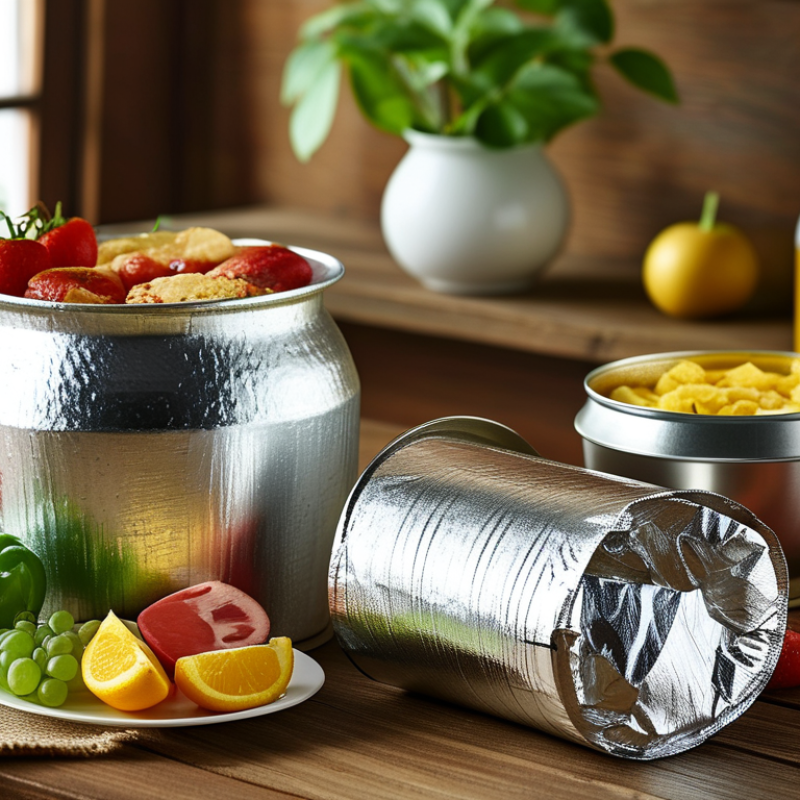
What Are the Benefits of Choosing Aluminum Foil Material?

Benefits of Aluminum Foil: An Overview of Its Versatility and Utility

Aluminum foil is an incredibly versatile material with numerous benefits. It's lightweight, durable, and resistant to moisture and bacteria. This makes it ideal for packaging food, ensuring freshness, and preventing spoilage. According to industry reports, the global aluminum foil market is expected to grow significantly, driven by increasing demand in the food and beverage sector.

In the culinary world, aluminum foil is often used for cooking, baking, and grilling. It can withstand high temperatures, making it suitable for various cooking methods. However, there are concerns about aluminum leaching into food during cooking, particularly with acidic dishes. While studies suggest that the amounts are minimal, it’s a point for users to consider, especially for prolonged exposure.

When using aluminum foil, consider these suggestions: Always use it to cover leftovers to maintain moisture content. Alternatively, crumpling it can enhance heat distribution when grilling. For those worried about environmental impact, recycling aluminum foil is an accessible option. Clean it thoroughly before recycling to ensure it’s free from food residue.

Energy Efficiency: How Aluminum Foil Contributes to Reduced Energy Consumption

Aluminum foil is often overlooked, yet it plays a significant role in energy efficiency. It reflects heat and light, making it ideal for insulation. Studies reveal that using aluminum foil can reduce energy consumption by approximately 10-20%. This reduction translates to lower utility bills, promoting sustainable living.

For those looking to enhance energy savings, consider applying aluminum foil behind radiators. This simple trick redirects heat into the room and maximizes warmth. In colder regions, proper usage during winter months can be crucial. Proper installation can mitigate heat loss effectively.

While aluminum foil is beneficial, it comes with considerations. Frequent use can lead to waste if not properly recycled. It's essential to balance convenience with environmental impact. Look for ways to reuse foil, like keeping it for covering food items. Awareness of these aspects can enhance both energy efficiency and sustainability.

Health and Safety: The Non-Toxic Nature of Aluminum Foil in Food Storage

Aluminum foil is widely used in kitchens. Its popularity stems from its non-toxic nature, especially for food storage. Many people are unaware that aluminum foil poses no health risks when used properly. Its inert properties prevent it from leaching harmful chemicals into food. For families and individuals concerned about safety, aluminum foil is a reliable option for cooking and wrapping food.

Using aluminum foil can enhance the freshness of your meals. It acts as a barrier, keeping out moisture and air. This ensures that your leftovers stay tasty for longer. Despite its safety, some consumers worry about aluminum exposure. Research suggests that normal use does not lead to harmful levels. However, it's wise to reconsider high-heat cooking methods. Excessive heat may change the foil's integrity and raise questions about health impacts.

When choosing aluminum foil, it’s essential to ensure proper usage. Wrapping acidic foods can lead to undesirable reactions under certain conditions. A careful approach will help mitigate any potential concerns. In most scenarios, aluminum foil is an effective and safe tool in food storage. Balancing benefits with awareness promotes a responsible choice in your kitchen.

What Are the Benefits of Choosing Aluminum Foil Material? - Health and Safety: The Non-Toxic Nature of Aluminum Foil in Food Storage

Benefit Description
Non-Toxic Aluminum foil is considered non-toxic and does not leach harmful chemicals into food.
Excellent Barrier Provides a strong barrier against light, moisture, and oxygen, helping to preserve food quality.
Versatility Can be used for cooking, baking, and food storage, making it a versatile kitchen material.
Recyclable Is 100% recyclable and can be reused, contributing to environmental sustainability.
Heat Resistant Can withstand high temperatures, making it suitable for cooking and grilling.

Sustainability and Recycling: The Environmental Impact of Aluminum Foil

Aluminum foil is a versatile material, popular for its many uses. Its environmental impact is a crucial aspect to consider. While it is often perceived as wasteful, the truth is that aluminum foil can be sustainable. Recycling aluminum uses 95% less energy than producing new aluminum from raw materials. This means using recycled foil contributes significantly to conserving energy resources.

Many people overlook the recycling potential of aluminum foil. A single sheet can be used multiple times before disposal. When you're finished using it, clean it to remove food residue and recycle it. While this process is easy, not all recycling facilities accept used foil. It's essential to check local guidelines. This small step can make a big difference in reducing waste.

Choosing aluminum foil responsibly encourages a sustainable lifestyle. Instead of discarding it after one use, think creatively about repurposing it. It can serve as a plant protector or even a makeshift funnel. Reflect on your consumption habits and consider alternatives when possible. This mindfulness can help reduce environmental impact while enjoying the benefits that aluminum foil offers.

Benefits of Choosing Aluminum Foil Material

Aluminum foil is highly valued for its recyclability, energy efficiency, waste reduction, and overall sustainability. The above chart illustrates the benefits of choosing aluminum foil material, scoring its advantages on a scale of 1 to 10. As seen, recyclability scores the highest, highlighting its significant environmental impact.

Cost-Effectiveness: Economic Advantages of Using Aluminum Foil in Various Industries

Aluminum foil has become a staple material across various industries due to its economic advantages. According to recent reports, aluminum production has increased significantly, with a growth rate of about 5% annually. This surge reflects the material's affordability and versatility, making it a popular choice for packaging, insulation, and cooking. Its lightweight nature helps reduce transportation costs, further enhancing its cost-effectiveness.

In the food industry, aluminum foil reduces waste and extends the shelf life of products. A study by the Packaging Association found that using aluminum can decrease food spoilage by up to 30%. This is crucial for businesses striving for efficiency, as less waste correlates directly with higher profits. Additionally, aluminum is 100% recyclable, which can potentially lower materials costs over time.

Though aluminum foil offers numerous benefits, some industries may overlook its thermal efficiency. Its ability to reflect heat can lead to energy savings in the construction sector. However, proper usage is essential. Many companies may not fully leverage this property, resulting in higher energy costs. Ensuring optimal application can enhance performance and stabilize expenses.

Many businesses may also need to reevaluate their reliance on single-use materials. Switching to aluminum could entail upfront costs but may save money in the long run. Thoughtful consideration of material choices is necessary to align with sustainability practices while reaping economic rewards.

FAQS

: How does aluminum foil improve energy efficiency?

: Aluminum foil reflects heat and light, reducing energy consumption by 10-20%. This lowers utility bills and promotes sustainability.

Where can I place aluminum foil for better energy savings?

Applying aluminum foil behind radiators can redirect heat into the room. This maximizes warmth effectively.

Is there a recommended use of aluminum foil in winter?

Yes, using it during winter can prevent heat loss. Proper installation is key to maintaining warmth.

What are the environmental concerns related to aluminum foil?

Frequent use can result in waste if not recycled properly. Balancing convenience with environmental impact is important.

Can aluminum foil be recycled?

Yes, recycling aluminum uses 95% less energy than new production. Clean it before recycling and check local guidelines.

How can I creatively reuse aluminum foil?

Instead of discarding it, try repurposing as a plant protector or a makeshift funnel. This helps reduce waste.

How often should I recycle aluminum foil?

Use it multiple times before disposal. Cleaning it after use allows for effective recycling.

Why is it important to check recycling facilities?

Not all facilities accept used aluminum foil. Knowing local guidelines helps maximize recycling efforts.

What’s a mindful approach to using aluminum foil?

Reflect on consumption habits and consider alternatives. Mindfulness can lessen environmental impact while using foil effectively.

Conclusion

Aluminum foil material offers a wide range of benefits, making it a versatile and essential item across numerous applications. Its energy efficiency plays a crucial role in reducing energy consumption, as it retains heat effectively, thus saving energy in cooking and food storage. Additionally, aluminum foil is known for its non-toxic properties, ensuring that it is safe for food storage, which adds to its appeal in households and food industries alike.

The sustainability aspect of aluminum foil cannot be overlooked, as it is both recyclable and has a minimized environmental impact when properly disposed of. Furthermore, its cost-effectiveness makes it an economical choice for various industries, ensuring that users can enjoy its numerous advantages without breaking the bank. Overall, aluminum foil material stands out for its practicality and ecological benefits, solidifying its place in everyday use.

Henry

Henry

Henry is a dedicated marketing professional with a profound expertise in the company's offerings. With years of experience in the industry, he possesses an impressive understanding of the market dynamics and consumer behaviors that drive success. Henry is committed to sharing his insights through......