
What is Aluminum Coil Roll and How to Choose the Best?

Time:2026-08-07 Author:Henry
0%

Choosing the right Aluminum Coil Roll is crucial for various manufacturing applications. According to industry expert John Thomas, "Quality and specifications matter when selecting aluminum rolls." His insight highlights the importance of understanding the nuances involved. Aluminum Coil Rolls are used in everything from automotive parts to packaging solutions.

These rolls come in various thicknesses and coatings. It is essential to consider the specific use case. Ensuring compatibility with your project can prevent costly mistakes. For instance, a wrong choice can lead to structural weaknesses or aesthetic issues.

Each supplier may offer different qualities. Researching and comparing these options requires time and effort. It’s not just about cost; it’s also about reliability and performance. Many buyers learn this lesson the hard way. A well-informed decision on Aluminum Coil Rolls can lead to significant benefits.
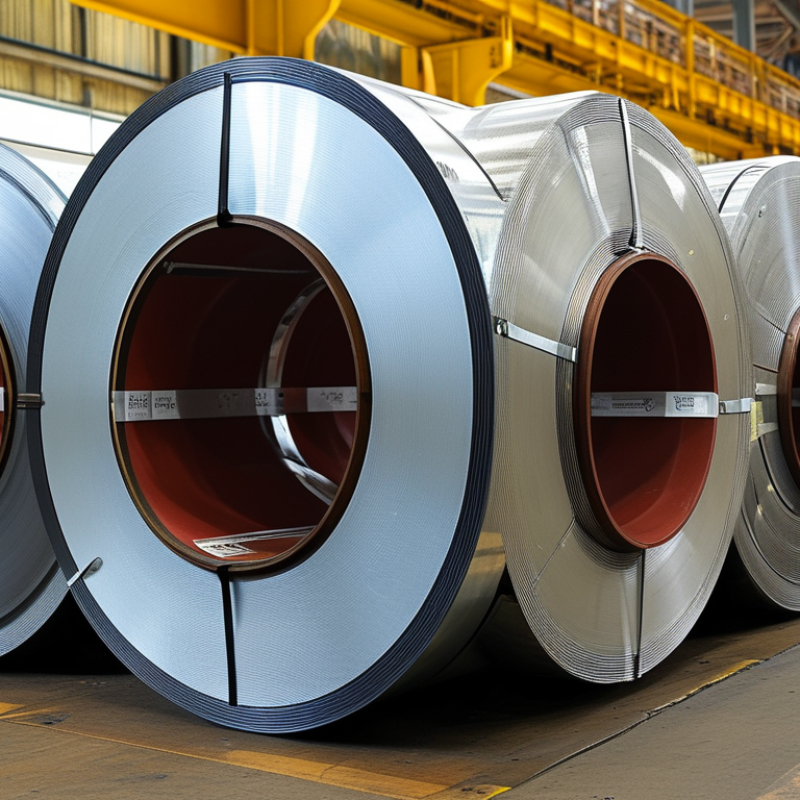
What is Aluminum Coil Roll and How to Choose the Best?

What is an Aluminum Coil Roll? Understanding its Structure and Composition

Aluminum coil rolls are essential in various industries, notably construction and packaging. Understanding their structure helps in selecting the right type for specific applications. An aluminum coil consists primarily of aluminum alloy, commonly 1100, 3003, or 5052 series. Each alloy provides different mechanical properties, affecting strength, weight, and corrosion resistance. Research indicates that aluminum has a high strength-to-weight ratio, making it a preferred choice in lightweight construction materials.

When choosing an aluminum coil roll, consider the gauge and temper of the alloy. The gauge affects the thickness and durability of the material. The temper defines its hardness. Soft temper coils are easier to work with but less durable. According to industry reports, nearly 70% of users overlook these specifications, leading to suboptimal performance in applications.

Tips: Always check the manufacturer’s data sheets. Look for certifications that assure quality compliance. Assess the coil's finish; a smooth finish often enhances durability and aesthetics. Be wary of low-cost options; they might compromise performance.

Aluminum Coil Roll Thickness Comparison

Key Properties of Aluminum Coils: Weight, Strength, and Corrosion Resistance

Aluminum coils are known for their lightweight, strength, and resistance to corrosion. When selecting aluminum coils, understanding these properties is essential. The weight of aluminum coils makes them easier to handle and transport, which can reduce costs in your project. Their strength allows them to withstand various stresses while maintaining durability. This combination is why they are widely used in construction and manufacturing.

Corrosion resistance is another critical property. Aluminum naturally forms a protective oxide layer, which helps prevent rust and degradation. This quality is especially important for applications in harsh environments, such as coastal areas where salt is prevalent. Choosing coils with a high-quality finish can enhance this property even further.

Tips: Always request technical specifications and data sheets when sourcing aluminum coils. Check for certification that verifies the material's properties. Don't overlook the importance of supplier reliability in ensuring product quality. Consider the coil thickness as it can affect strength and performance.

What is Aluminum Coil Roll and How to Choose the Best? - Key Properties of Aluminum Coils: Weight, Strength, and Corrosion Resistance

Properties Aluminum Coil 1100 Aluminum Coil 3003 Aluminum Coil 5052
Weight (lbs/ft²) 0.098 0.103 0.135
Tensile Strength (psi) 13,000 19,000 31,000
Yield Strength (psi) 11,000 17,000 27,000
Corrosion Resistance Good Excellent Very Good
Common Applications Food processing, chemical handling Heat exchangers, storage tanks Marine environments, automotive

Applications of Aluminum Coil Rolls in Various Industries

Aluminum coil rolls play a crucial role across multiple industries. Their lightweight and corrosion-resistant nature makes them ideal for construction, automotive, and packaging sectors. According to recent industry reports, the global aluminum coil market is expected to reach $145 billion by 2027, driven by rising demand in these areas.

In construction, aluminum coil rolls are widely used for cladding and roofing. They provide both durability and thermal insulation. The anodized finish enhances aesthetic appeal while protecting against weathering. Furthermore, the automotive industry is increasingly utilizing aluminum coils to improve fuel efficiency and reduce emissions. A report from the Aluminum Association shows that lightweight materials could reduce vehicle weight by up to 30%.

Packaging is another significant application. Aluminum coil rolls are used for manufacturing foil and containers. Their ability to preserve freshness and extend shelf life makes them invaluable. A 2022 report indicated that aluminum foil packaging sales surged by 15% as consumers seek sustainable solutions. While the benefits are clear, challenges such as recycling and energy consumption during production need careful consideration.

How to Select the Right Aluminum Coil for Your Project Needs

When selecting the right aluminum coil for your project needs, several factors should be considered. Firstly, the thickness of the coil is crucial. Thicker coils may offer more durability but can be heavier and harder to work with. Assess the specific needs of your project and choose a thickness that balances strength and ease of handling.

Additionally, the alloy type plays a vital role in determining the coil’s performance. Different alloys offer varying degrees of corrosion resistance, malleability, and conductivity. Understanding the environmental conditions your project will face is essential. A 3003 or 6061 alloy may be beneficial for some applications, while another might require a different composition.

Finally, consider the finish of the aluminum coil. Whether it’s a mill finish, painted, or anodized, the appearance can affect the overall outcome of your project. However, selecting a finish also requires you to evaluate its maintenance needs and durability. Reflect on what appearance matters most for your application. Making thoughtful decisions about these aspects will enhance your project’s success.

Quality Standards and Certifications for Aluminum Coil Manufacturing

When choosing aluminum coils, understanding quality standards and certifications is crucial. These guidelines ensure that the product meets specific performance and safety criteria. Key certifications include ISO and ASTM standards, which assess the material's strength and durability. Companies that adhere to these standards often showcase their certifications, adding credibility.

Inspecting the manufacturing process is equally important. Quality control measures during production can significantly impact the final product's reliability. Buyers should look for manufacturers that perform rigorous testing. This includes checks on thickness, width, and surface finish. It may take time to research, but selecting a supplier who prioritizes quality is worth it.

It's essential to note that not all manufacturers uphold these standards consistently. Inconsistent quality can lead to failures in applications, resulting in costly repairs. Therefore, potential buyers should approach their selection process critically. Gathering feedback from industry professionals can provide invaluable insights into reliable suppliers. Trust but verify; it's a practice that pays off in the long run.

FAQS

: What are the key properties of aluminum coils?

: Aluminum coils are lightweight, strong, and resistant to corrosion.

How does the weight of aluminum coils benefit projects?

Their lightweight nature makes handling and transportation easier, potentially reducing costs.

Why is corrosion resistance important in aluminum coils?

Corrosion resistance helps prevent rust and degradation, especially in harsh environments.

In which industries are aluminum coil rolls commonly used?

They are widely used in construction, automotive, and packaging industries.

How do aluminum coils enhance fuel efficiency in vehicles?

They reduce vehicle weight, which can improve fuel efficiency and lower emissions.

What should you check when sourcing aluminum coils?

Always request technical specifications and verify the material's properties through certification.

What role does coil thickness play?

Coil thickness affects both strength and performance, making it an important consideration.

What are the benefits of using aluminum coils in packaging?

They help preserve freshness and extend shelf life, making them valuable for consumers.

Are there challenges associated with aluminum coils?

Yes, recycling and energy consumption during production are important challenges to consider.

How can suppliers impact the quality of aluminum coils?

Reliable suppliers contribute to better product quality, which is crucial for performance.

Conclusion

An Aluminum Coil Roll is a versatile material widely used in various industries due to its lightweight, strength, and corrosion resistance. Understanding its structure and composition is essential for selecting the right coil for specific applications. Key properties such as weight and durability make aluminum coils an attractive choice in construction, automotive, and manufacturing sectors.

When choosing the best Aluminum Coil Roll, it is crucial to assess the project requirements and industry standards. Factors such as gauge, alloy type, and surface treatment should be considered to ensure optimal performance. Additionally, adherence to quality standards and certifications in manufacturing plays a significant role in ensuring reliability and safety in final products.

Henry

Henry

Henry is a dedicated marketing professional with a profound expertise in the company's offerings. With years of experience in the industry, he possesses an impressive understanding of the market dynamics and consumer behaviors that drive success. Henry is committed to sharing his insights through......