
What Is Foil Aluminium Roll Used For?

Time:2026-10-22 Author:Oliver
0%

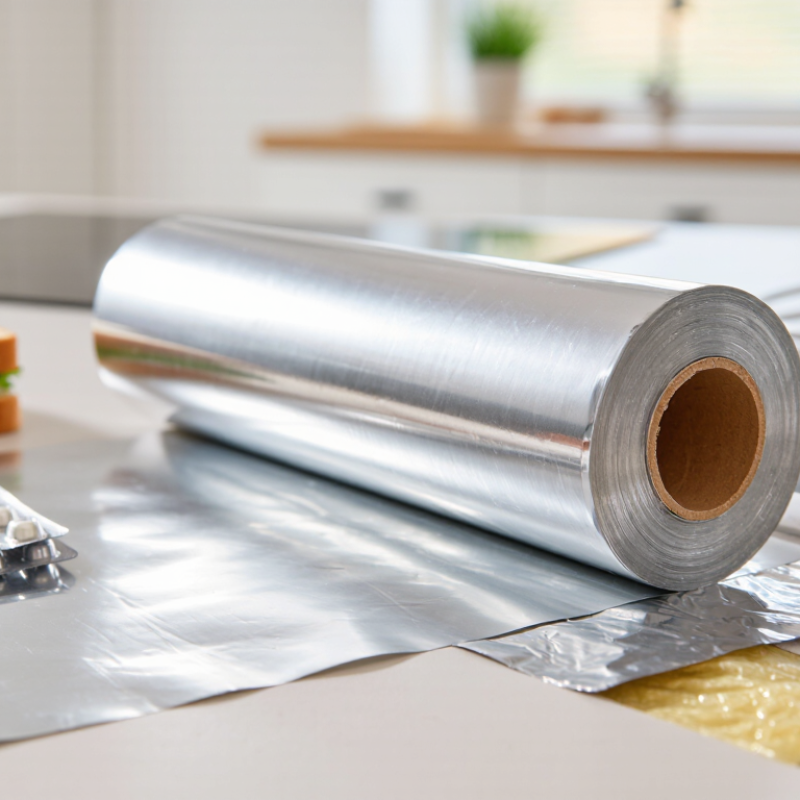
Foil Aluminium Roll is a versatile material used wherever protection, cleanliness, and controlled thickness matter. Its bright surface reflects heat and light. Its near-total barrier blocks moisture, oxygen, odors, and ultraviolet exposure when properly converted. These properties support food wrapping, pharmaceutical blister packs, household foil, cable shielding, insulation facings, and HVAC applications. It can appear on a kitchen counter, inside a medicine package, or beneath a building roof.

Industry data confirms its commercial importance. The European Aluminium Association reports that aluminium foil is widely used in flexible packaging because it combines barrier performance with low weight. The International Aluminium Institute states that aluminium recycling can save up to 95% of the energy required for primary production. That figure strengthens the case for responsible foil recovery, although collection systems differ greatly between regions. The global aluminium foil market is also projected to expand steadily, according to Grand View Research’s market analysis, driven largely by packaging, healthcare, and industrial demand.

Yet application decisions require more than choosing a roll width. Alloy, temper, gauge, tensile strength, pinhole control, surface finish, and coating compatibility can affect performance. A thin roll may reduce material use. It may also tear more easily. That trade-off is easy to overlook. Food and pharmaceutical converters must additionally verify applicable safety, hygiene, and quality requirements through documented testing. The most reliable choice therefore depends on the product, forming process, storage conditions, and end-use regulations—not on price alone.
What Is Foil Aluminium Roll Used For?

What Is Foil Aluminium Roll?

What Is Foil Aluminium Roll?

Foil aluminium roll is a continuous strip of aluminium rolled to a very small thickness and wound around a core. Unlike a rigid sheet, it remains flexible while retaining useful strength. Its bright surface reflects heat and light. Its dense structure also helps block moisture, oxygen, odors, and ultraviolet exposure.

European Aluminium’s technical guidance commonly places household and packaging foil within a thickness range of about 0.006 to 0.20 millimeters. Small differences matter. Thinner foil saves material, but it can tear more easily during converting and transport.

Manufacturers use foil rolls for food wrapping, pharmaceutical packs, insulation facings, cable shielding, and household products. Converters may laminate foil with paper or polymer film, then print, slit, or form it for a specific application.

75% The International Aluminium Institute reports that almost 75% of aluminium ever produced remains in productive use.

That figure supports aluminium’s recycling value, although foil recovery depends on local collection systems and contamination levels. Clean foil can be recyclable; foil covered with food residue may not be accepted. This is often overlooked.

A roll is not automatically suitable for every machine either. Operators must check thickness, temper, width, pinholes, and winding tension before production.

Smithers’ packaging market research continues to identify barrier performance and material efficiency as important development factors. Yet thinner is not always better. A failed seal or torn layer can create more waste than the material reduction saves.

How Is Foil Aluminium Roll Manufactured?

Aluminium foil roll is used for food wrapping, pharmaceutical packaging, insulation, and household protection. Its thin metal layer blocks light, moisture, oxygen, and many external odors. However, performance depends heavily on how the roll is manufactured. A strong-looking foil can still fail if its thickness or surface quality is inconsistent.

Production begins with aluminium casting, where molten metal becomes a large slab. The slab passes through hot rolling mills, reducing its thickness under controlled pressure. Cold rolling then creates a thinner, smoother strip. Heat treatment, called annealing, softens the metal and improves its flexibility. The temperature must be carefully managed. Too much heat may weaken the foil.

The strip is rolled again through specialized foil mills, often with another strip beside it. This method helps produce very thin material without tearing it easily. After separation, the foil may show a brighter side and a slightly duller side. Both sides remain functional, although their appearance differs. Operators inspect thickness, pinholes, edges, and surface marks using sensors and physical checks. Small defects matter. The finished foil is slit into customer-specified widths, wound onto cores, and packed to prevent dust, moisture, and crushing. In real production, perfection is difficult; even careful settings require adjustment when alloy, humidity, or machine pressure changes.

What Are the Main Uses of Foil Aluminium Roll?

Foil aluminium roll is used where a thin, clean, and highly protective barrier matters. In food packaging, converters slit or laminate rolls for trays, pouches, lids, bakery wraps, and portion packs. The material blocks light, oxygen, moisture, and odours, helping delicate foods retain texture during transport. The European Aluminium Foil Association identifies food and household packaging as major demand areas.

Healthcare packaging uses thicker foil laminates for blister packs, sachets, and sterile barrier components. Here, pinholes matter. Operators inspect roll surfaces, gauge consistency, and sealing performance before converting. Grand View Research estimated the global aluminium foil market at approximately 25.31 billion US dollars in 2022. Its report projects a 5.4% annual growth rate from 2023 to 2030, supported by packaging, electrical, and transport demand.

Beyond packaging, rolls become cable shields, heat exchanger fins, insulation facings, and reflective building layers. A cable assembler relies on foil’s conductivity and continuous coverage to reduce electromagnetic interference. Insulation installers value its reflective surface, but performance depends on sealed joints and correct air gaps. No material is perfect. Foil can tear, crease, or lose protection when laminated poorly. The International Aluminium Institute reports that aluminium recycling uses about 95% less energy than primary production. That figure is encouraging, although collection and sorting remain practical challenges. A tiny edge defect can spread across a long converting run, making testing, traceability, and careful handling essential.

What Benefits Does Foil Aluminium Roll Provide?

What Is Foil Aluminium Roll Used For?

Foil aluminium roll is used for food packaging, insulation, pharmaceutical wrapping, and household storage. Its main value comes from its excellent barrier performance. It helps block light, moisture, oxygen, and many external odors. This protection can support longer product quality and safer handling when the correct thickness is selected.

The material is also lightweight, flexible, and easy to shape around containers or irregular surfaces. In kitchens, it can cover trays tightly and reduce exposure to air during short-term storage. In insulation systems, it can reflect radiant heat and support energy control when installed with suitable materials.

Foil also tolerates moderate heat, but it should not touch flames or be used beyond the manufacturer’s stated temperature range. It tears easily when stretched too far. That small weakness matters.

Tips:

Choose a roll with enough thickness for the job. Thin foil suits wrapping and lining, while heavier foil handles repeated folding better. Keep unused rolls dry and away from sharp edges. Check for pinholes before packaging sensitive contents. Recyclability depends on local facilities, and heavily contaminated foil may not be accepted. Cleaning it first can help, though recycling rules are not always consistent. My practical view is simple: foil works best when its barrier strength matches the application, not when users assume every roll performs identically.

How Should Foil Aluminium Roll Be Selected and Stored?

What Is Foil Aluminium Roll Used For?

How Should Foil Aluminium Roll Be Selected and Stored?

Selecting an aluminium foil roll starts with its end use, not its appearance. Food packaging usually needs a clean surface, stable thickness, and reliable barrier performance. ASTM B479/B479M provides relevant requirements for annealed aluminium and alloy foil used in flexible barrier packaging. Choose the alloy and temper according to forming, sealing, and folding needs. A thicker roll is not automatically safer. It may increase cost and create handling problems.

Check thickness, width, core size, pinholes, edge damage, and winding tension before acceptance. Ask for a certificate showing alloy, temper, thickness tolerance, and test results. For demanding packaging, oxygen and water-vapour transmission tests provide stronger evidence than visual inspection. The European Aluminium Foil Association highlights foil’s barrier value in packaging applications. Still, performance depends on coatings, laminates, seals, and converting conditions. That detail is easy to overlook.

Storage needs discipline. Keep rolls indoors, clean, dry, and away from chemicals, dust, and direct sunlight. Prevent sudden temperature changes. Condensation can cause staining, corrosion, and poor adhesion during printing or lamination. Let cold rolls reach room temperature before opening protective wrapping. Store them upright or as specified by the supplier, with cores supported and edges protected. The International Aluminium Institute reports that recycled aluminium can save about 95% of the energy used for primary production. Therefore, protect scrap and segregate it carefully. My practical concern is simple: storage records are often incomplete. Humidity, arrival temperature, and opening dates should be recorded. Without those details, identifying the real cause of defects becomes guesswork.

FAQS

What are the main uses of aluminium foil rolls?

They are converted into trays, pouches, lids, bakery wraps, and portion packs. Foil blocks light, oxygen, moisture, and odours. It helps protect food during transport.

How are foil rolls used in healthcare packaging?

Thicker foil laminates can form blister packs, sachets, and sterile barrier components. Operators check pinholes, thickness, sealing, and surface condition. Small defects matter.

Can aluminium foil rolls support electrical applications?

Yes. They can shield cables and reduce electromagnetic interference. Continuous coverage and good conductivity are important. Gaps can weaken protection.

Are foil rolls useful in buildings and insulation?

They can become insulation facings, reflective layers, and heat exchanger fins. Performance depends on sealed joints and correct air gaps. The shiny surface alone is not enough.

How should I select the right foil roll?

Start with the final application, not appearance. Check alloy, temper, thickness, width, core size, and winding tension. A thicker roll is not always better.

What quality checks should buyers request?

Inspect pinholes, edge damage, thickness variation, and surface cleanliness. Request material certificates and test results. Barrier tests give stronger evidence than visual checks alone.

How should aluminium foil rolls be stored?

Keep them indoors, clean, dry, and away from chemicals and dust. Avoid direct sunlight and sudden temperature changes. Protect the edges.

Why must cold foil rolls warm before opening?

Cold rolls can collect condensation when moved into warmer air. Moisture may cause staining, corrosion, or poor adhesion. Let the roll reach room temperature first.

How can foil waste be handled more responsibly?

Keep clean scrap separate from mixed waste whenever practical. Recycling aluminium can use far less energy than primary production. Collection is still imperfect.

What problems can occur during foil converting?

Foil may tear, crease, or lose barrier protection after poor lamination. A tiny edge defect can spread across a long production run. Records are sometimes incomplete. That makes the real cause harder to find.

Conclusion

Foil Aluminium Roll is a thin, flexible, and highly functional aluminium material widely used in packaging, insulation, construction, household products, and industrial applications. It is manufactured by repeatedly rolling aluminium slabs until they reach the required thickness, followed by processes such as heat treatment, cutting, surface finishing, and quality inspection. Depending on the intended use, the material may be produced with different thicknesses, widths, tempers, and surface conditions.

The main advantages of Foil Aluminium Roll include its excellent barrier properties against light, moisture, oxygen, and odors, as well as its low weight, corrosion resistance, heat conductivity, and recyclability. It can help protect products, improve energy efficiency, and support convenient forming or sealing processes. When selecting it, users should consider alloy, thickness, width, strength, surface quality, and application requirements. Proper storage in a clean, dry environment away from moisture, chemicals, and physical damage helps maintain its performance and appearance.

Oliver

Oliver

Oliver is a seasoned marketing professional with a wealth of expertise in driving brand awareness and engagement. With a deep understanding of our company's product offerings, he consistently delivers high-quality content that enriches our professional blog. His insights not only shed light on......