
Buying Large Aluminium Sheet across borders requires more than comparing price per tonne. Buyers must examine alloy, temper, thickness, width, surface finish, and production capability. A sheet may look acceptable under warehouse lighting, yet show dents, waviness, or edge damage after transport.
Tom Dobbins, president and CEO of the Aluminum Association, has emphasized, “Aluminum is essential to a sustainable, innovative future.” His point matters for global procurement. Reliable suppliers should provide traceable mill certificates, accurate chemical composition, inspection records, and clear packaging procedures. They should also explain how sheets are protected against moisture during ocean freight. Wooden crates, corner guards, and sealed wrapping are practical details, not decorative extras.
This guide reviews seven leading Large Aluminium Sheet suppliers for international buyers. The selection considers product range, export experience, quality systems, delivery capacity, and communication. It also considers less visible issues, including minimum order quantities and response speed.
No supplier is perfect.
Some manufacturers offer excellent alloys but limited custom sizes. Others deliver quickly but provide fewer finishing options. Buyers should verify every claim independently, especially when specifications affect aircraft, marine, construction, or heavy-equipment applications. Ask for recent test reports. Request sample photographs. Confirm tolerances in writing.
The shortlist is useful, but it is not a substitute for technical due diligence. Regional availability, tariffs, freight conditions, and project schedules can change the final decision. A careful buyer compares documented performance, not polished promises.
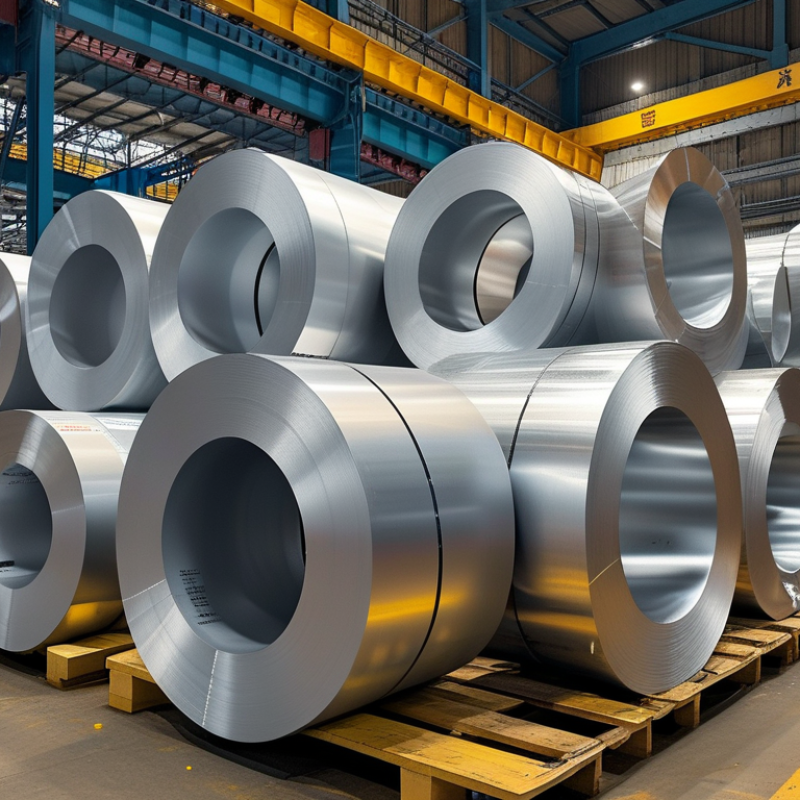
Large aluminium sheets are broad, flat products rolled from aluminium alloys. Their size supports large structures with fewer joints and less welding. Thickness can vary by industry standard, so buyers should confirm the supplier’s classification. A sheet may look simple, but flatness, edge condition, and surface finish affect fabrication results.
These sheets appear in aircraft panels, ship interiors, transport bodies, industrial equipment, building façades, and large storage systems. Aluminium offers low weight, useful corrosion resistance, and efficient heat transfer. Marine and architectural projects often require suitable alloy grades and protective finishes. High-strength grades can support demanding frames, while softer grades are easier to form.
A practical purchasing check includes alloy, temper, dimensions, tolerance, and packing quality. Mill certificates and independent inspection records add confidence. Traceability also matters when sheets enter safety-sensitive structures. One common mistake is choosing by thickness alone. The same thickness may perform differently after bending, welding, or exposure to salt air. Fabricators sometimes discover this too late. Large sheets also need careful handling, because a small dent near an edge can affect cutting accuracy. Storage should keep them dry, supported, and separated from incompatible metals. Supplier advice is valuable, but it should not replace project calculations or applicable standards. Even experienced buyers may need to review assumptions when the application, climate, or processing method changes.
| Supplier Profile | Typical Supply Format | Common Aluminium Alloys | Typical Thickness Range | Typical Maximum Sheet Size | Common Tempers | Relevant Standards | Typical Applications | Best Fit for Global Buyers |
|---|---|---|---|---|---|---|---|---|
| 1. Primary Aluminium Mill | Mill-finished sheet and plate supplied in standard or project-specific dimensions | 5052 5083 6061 6082 | Approximately 0.5–150 mm, depending on alloy, rolling capability, and product classification | Commonly up to approximately 2,500 × 8,000 mm; larger dimensions require project confirmation | O, H32, H34, H116, H321, T6 | ASTM B209; EN 485-2; equivalent national specifications | Shipbuilding, bridges, industrial structures, transport equipment, pressure-resistant fabrication | Large-volume orders, repeat production, and buyers requiring controlled alloy and temper consistency |
| 2. Aerospace-Qualified Sheet Supplier | Traceable sheet and plate with batch documentation and controlled mechanical properties | 2024 6061 7050 7075 | Approximately 0.4–100 mm, with aerospace availability depending on alloy and specification | Commonly up to approximately 1,500 × 4,000 mm; non-standard sizes may be available by inquiry | O, T3, T6, T73, T76 | AMS specifications, ASTM B209, EN 485-2, and customer-specific quality requirements | Aircraft structures, aerospace tooling, defense components, high-strength machined parts | Buyers needing material certificates, heat-lot traceability, testing records, and tight quality control |
| 3. Marine-Grade Aluminium Supplier | Flat marine sheet and plate, often supplied with protective film or seawater-corrosion documentation | 5083 5086 5052 | Approximately 1–150 mm | Commonly up to approximately 2,500 × 8,000 mm | O, H32, H116, H321 | ASTM B209; EN 485-2; applicable classification-society requirements | Boat hulls, offshore equipment, marine decks, tanks, coastal structures | Shipyards and fabricators requiring high corrosion resistance and good welding performance |
| 4. Architectural Aluminium Sheet Supplier | Mill-finished, anodizing-quality, painted, embossed, or brushed sheet for visible surfaces | 3003 3105 5005 5052 | Approximately 0.5–6.0 mm for façade and interior sheet products | Commonly up to approximately 1,500 × 4,000 mm; coil-fed products may support longer cut lengths | O, H14, H24, H32 | ASTM B209; EN 485-2; coating requirements specified by the project | Building façades, roofing, ceilings, wall panels, signage, interior decoration | Projects prioritizing surface appearance, flatness, finish consistency, and color matching |
| 5. Industrial Service Center | Stocked sheet and plate cut to size by saw, shear, waterjet, or CNC equipment | 5052 5083 6061 6082 | Approximately 0.8–200 mm, subject to available inventory and cutting equipment | Usually based on stock plate size; cut pieces are commonly supplied up to approximately 2,500 × 8,000 mm | O, H32, H116, T6 | ASTM B209; EN 485-2; mill certificates supplied where available | Machine bases, brackets, equipment frames, replacement parts, general fabrication | Small and medium orders requiring shorter lead times, cut-to-size service, or mixed alloy purchases |
| 6. Certified Defence and High-Strength Supplier | High-strength aluminium sheet and plate with enhanced testing, documentation, and security controls | 2024 7050 7075 7A04 | Approximately 1–150 mm, depending on alloy, temper, and export classification | Commonly up to approximately 2,000 × 6,000 mm | T3, T6, T73, T76 | ASTM B209, AMS specifications, EN standards, and end-use compliance requirements | Armored vehicles, aerospace structures, high-load components, precision engineering | Buyers requiring high strength-to-weight performance, detailed inspection reports, and controlled exports |
| 7. International Aluminium Distributor | Mixed-alloy inventory with export packing, container loading, and document support | 1050 3003 5052 6061 6082 | Approximately 0.5–100 mm, depending on warehouse stock and origin mill | Commonly up to approximately 2,500 × 8,000 mm; stocked dimensions vary by location | O, H14, H24, H32, T6 | ASTM B209; EN 485-2; ISO 9001-based quality systems may be available | General engineering, fabrication, HVAC equipment, transport, construction, maintenance | Global buyers comparing several origins, requiring consolidated shipments, or purchasing mixed specifications |
Note: Large aluminium sheet dimensions, alloy availability, tolerances, certifications, and minimum order quantities vary by supplier and production line. In many markets, material thicker than approximately 6.35 mm is classified as aluminium plate rather than sheet. Buyers should confirm the exact specification, temper, flatness, surface finish, inspection documents, packaging, and export requirements before placing an order.
: They are broad, flat aluminium products rolled in large dimensions. They reduce joints and welding in large structures. Size matters.
They serve aircraft panels, ship interiors, transport bodies, façades, equipment, and storage systems. Their low weight helps reduce structural load. Corrosion resistance also supports outdoor use.
Confirm the alloy, temper, thickness, width, length, tolerance, and surface finish. Thickness alone cannot predict performance. Bending and welding may change the result.
Request samples before ordering large quantities. Check flatness under workshop lighting. Inspect edges for cracks or dents. Measure thickness at several points with calibrated tools.
Ask for mill certificates, inspection records, and batch traceability. These documents help verify composition and production history. Independent inspection can add confidence.
Packaging should include moisture barriers, corner protection, labels, and strong pallets. It must suit sea transport, inland handling, and warehouse equipment. Poor packing can cause edge damage.
Compare technical capability, lead times, capacity, communication, payment terms, and landed cost. Include freight, duties, insurance, cutting fees, and possible rejection losses. A low quotation may hide later costs.
Yes, a small trial order can test dimensions, packaging, delivery, and fabrication results. References help, but they are not proof. Our checklist may miss something. Review it after receiving the material.
Large Aluminium Sheet is a versatile material widely used in construction, transportation, shipbuilding, industrial equipment, renewable energy systems, and large structural projects. Its combination of low weight, corrosion resistance, strength, and formability makes it suitable for demanding applications. For global buyers, selecting the right supplier requires more than comparing prices. Important factors include alloy options, thickness and size ranges, surface quality, dimensional accuracy, production capacity, packaging, delivery reliability, and technical support.
This guide introduces seven leading supplier types and explains how to compare them according to product consistency, quality management certifications, manufacturing capabilities, export experience, and total purchasing costs. Buyers should also consider minimum order quantities, customization services, inspection procedures, lead times, and after-sales communication. By matching a supplier’s expertise and capacity with project requirements, international purchasers can reduce supply risks, control expenses, and establish a dependable long-term sourcing strategy for Large Aluminium Sheet.
