
7 Best Flat Plate Aluminium Suppliers Worldwide

Time:2026-10-21 Author:Oliver
0%

Choosing among the 7 Best Flat Plate Aluminium Suppliers Worldwide requires more than comparing prices. Buyers must examine alloy grades, temper conditions, thickness tolerance, surface finish, and delivery reliability. A polished website proves very little. The first cut often reveals the truth.

Dr. John E. Hatch, a respected aluminum industry specialist, once noted, “Consistency is what turns aluminum into a dependable engineering material.” That principle remains practical today. Reliable suppliers provide mill certificates, chemical composition data, mechanical test results, and traceable batch numbers. They also explain whether their Flat Plate Aluminium is 5052, 6061, 5083, or another alloy. Each choice affects corrosion resistance, weldability, strength, and machining behavior.

This guide evaluates global suppliers through real purchasing concerns. These include production capacity, quality control, customization, packaging, export experience, and customer support. A plate arriving with scratched corners or uncertain thickness can disrupt an entire fabrication schedule. Small details matter.

The ranking is not perfectly universal. A marine fabricator may prefer 5083, while a machine builder may select 6061. Regional freight costs can also change the best option. That limitation deserves attention. Supplier performance may vary by factory, order size, and market conditions. Readers should request current certificates and samples before committing to large volumes.

The following selection aims to make research clearer, not replace technical judgment. Strong suppliers answer difficult questions directly. Weak ones avoid them.
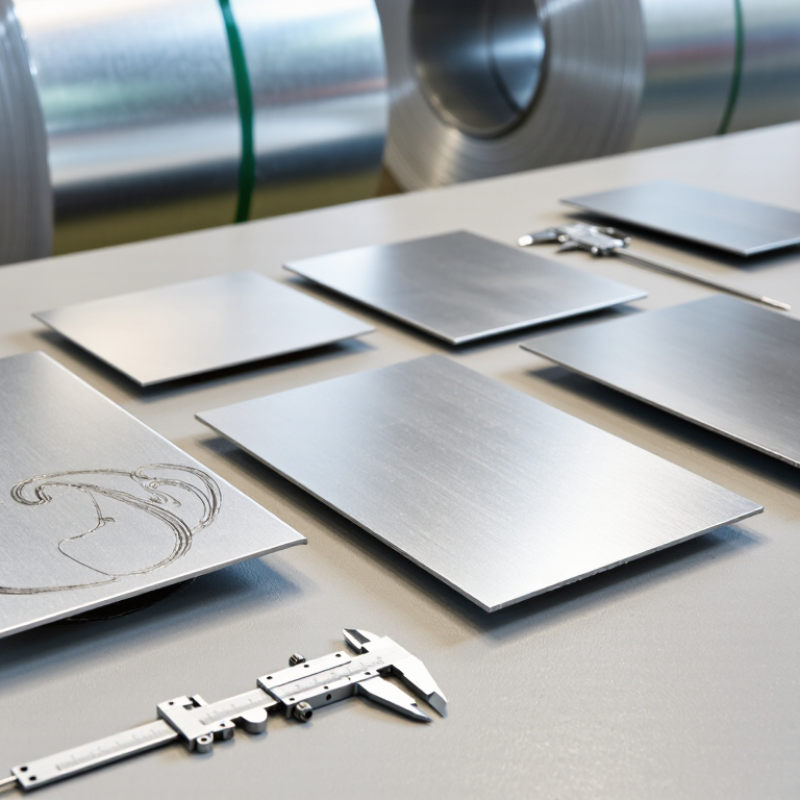
7 Best Flat Plate Aluminium Suppliers Worldwide

What Defines a Reliable Flat Plate Aluminium Supplier

A reliable flat plate aluminium supplier is defined by evidence, not polished promises. The International Aluminium Institute reports that recycled aluminium requires about 95% less energy than primary aluminium. A responsible supplier should therefore explain its recycled content, energy sources, and material traceability clearly.

Technical control matters just as much. Each plate should arrive with an EN 10204 3.1 inspection certificate, alloy and temper details, heat number, dimensions, and test results. Buyers should verify thickness with a calibrated micrometer, inspect edges for tearing, and check flatness on a clean inspection table. Small deviations can create expensive problems during cutting or machining. According to the USGS Mineral Commodity Summaries 2024, global primary aluminium production reached roughly 70 million metric tons in 2023. Such scale makes consistent quality control essential.

Delivery reliability also requires measurable records. Ask for historical on-time delivery rates, packaging specifications, complaint response times, and corrective-action reports. A strong supplier can identify the production lot within minutes. That is valuable. However, no audit is perfect. A supplier may pass a document review and still miss a shipment or overlook surface marks. Independent testing, sample orders, and regular performance reviews reduce that risk. The best partnerships remain transparent when something goes wrong, rather than hiding behind impressive certificates.

Key Standards for Evaluating Global Aluminium Manufacturers

Choosing among the 7 best flat plate aluminium suppliers worldwide requires more than comparing catalogue prices. In practical sourcing, the first check is alloy identity. Ask for mill certificates, chemical analysis, temper details, and standards such as ASTM, EN, or ISO. Certificates should match the actual heat number stamped on the packing. Small mismatch, big concern. Thickness and width tolerances also need measured proof, not confident emails. Request inspection records from calibrated equipment.

Reliable manufacturers explain how they control rolling, cutting, straightness, and surface quality. Look for documented tests covering tensile strength, hardness, corrosion resistance, and ultrasonic inspection when required. Sample plates should arrive with protective film, dry wrapping, and clear labels. Examine edges under bright light. Burrs and dents can reveal careless handling. Production capacity matters, but consistency matters more. A large mill can still miss a delivery window.

Evaluate traceability from raw material to export documents. Confirm packaging dimensions, container loading plans, lead times, and responses to nonconformities. Experienced suppliers provide realistic data instead of promising every specification. I have learned that the cheapest quotation is rarely the clearest one. Even a detailed checklist has limits. Independent inspection can expose assumptions before shipment. Review warranty terms, technical support, and evidence from comparable projects. Trust grows through records, repeat samples, and transparent corrective action.

7 Best Flat Plate Aluminium Suppliers Worldwide: Key Standards for Evaluating Global Aluminium Manufacturers

Recommended procurement benchmark weighting for evaluating flat plate aluminium manufacturers. The framework is based on internationally recognized product, quality, environmental, occupational-safety and testing standards, without using company or brand performance data.

Reference standards include ASTM B209 and EN 485 for aluminium plate requirements, ISO 9001 for quality management, ISO 14001 for environmental management, ISO 45001 for occupational health and safety, and ISO/IEC 17025 for testing and calibration competence.

Seven Leading Flat Plate Aluminium Suppliers Worldwide

Seven leading flat plate aluminium suppliers worldwide stand out through consistent quality, documented processes, and reliable export support. A North American integrated mill often serves heavy engineering projects with thick plate, stable alloy control, and full mill test certificates. A European rolling specialist may offer tighter flatness tolerances for machine frames and transport equipment. An East Asian export mill commonly provides broad alloy ranges, cut-to-size services, and protective wooden packaging.

A Gulf-region producer can support large construction orders with strong production capacity and heat-resistant alloy options. A South Asian stockist may respond faster to smaller orders, especially when common thicknesses are already available. An Australian distributor often adds local cutting, inspection, and delivery coordination for mining applications. A Latin American fabricator can combine plate supply with basic forming or machining, reducing handling between workshops. These seven supplier profiles cover different purchasing needs.

From practical sourcing experience, price alone gives a poor comparison. Buyers should verify alloy temper, thickness tolerance, surface condition, origin documents, and batch traceability. A laser-cut edge may need extra inspection after delivery. Packaging matters too; damp timber or loose straps can mark the plate during ocean transport. I have seen attractive quotations fail because shipping terms were unclear. That mistake is easy to repeat. Independent testing can confirm hardness, chemical composition, and mechanical strength when the project carries serious risk. Supplier rankings should remain flexible, because capacity, lead times, and quality performance change.

Product Quality, Alloy Options, and Manufacturing Capabilities

7 Best Flat Plate Aluminium Suppliers Worldwide

When comparing the seven best flat plate aluminium suppliers worldwide, product quality should come before price. Reliable suppliers provide mill certificates, heat numbers, and clear chemical analysis. These records verify alloy composition, tensile strength, hardness, and thickness tolerance. A supplier should also explain its inspection process, from billet casting to final packing. Small surface scratches may be acceptable for fabrication, but deep dents can increase waste.

Alloy selection must match the working environment. Alloy 1050 offers high conductivity and easy forming. Alloy 3003 provides practical strength for general fabrication. Alloy 5052 performs better in marine and humid conditions. Alloy 6061 suits structural parts, especially after heat treatment. Not every supplier stocks these grades in the same tempers or thicknesses. Confirm availability before designing the component.

Manufacturing capability separates a trader from a dependable producer. Look for controlled hot rolling, cold rolling, annealing, cutting, and flatness correction. Some suppliers can provide saw-cut plates, CNC preparation, or protective film. Others only sell standard mill sizes. Ask about thickness ranges, edge conditions, surface finishes, and export packaging. Wooden crates, moisture barriers, and corner protection matter during long transport.

A polished website proves little. Request recent test reports and production samples. I have seen attractive quotations hide inconsistent flatness. That mistake is expensive. A useful supplier answers technical questions clearly, admits limitations, and offers a realistic lead time. Perfect claims deserve careful review.

How to Select the Right Supplier for Your Project

7 Best Flat Plate Aluminium Suppliers Worldwide

Choosing a flat plate aluminium supplier requires more than comparing prices. Start with your project’s alloy, temper, thickness, width, and surface requirements. A supplier should explain these specifications clearly, not simply promise “high quality.”

Ask for mill certificates, inspection reports, and batch traceability. Confirm whether the stated thickness tolerance matches your drawings. Flatness matters too. A plate may meet its thickness range yet still cause problems during cutting or welding. Request a small sample when possible. It can reveal burrs, scratches, edge damage, or inconsistent finishing before a larger order.

Experience also appears in packaging and delivery planning. Plates should arrive separated, protected from moisture, and secured against movement. Ask how the supplier handles urgent replacements, damaged goods, and specification changes. Reliable communication is practical evidence of professional control. Check production capacity, testing equipment, and quality procedures before signing an agreement.

I once focused too heavily on unit cost. That choice created extra machining work and delayed installation. It was not a dramatic failure, but it was expensive. A better evaluation compares total project risk, not only the invoice. Suppliers that provide clear documents, realistic lead times, and direct technical answers are usually safer choices. Still, no supplier is perfect, so record agreed tolerances and acceptance criteria in writing.

FAQS

What evidence shows that a flat plate aluminium supplier is reliable?

Look for inspection certificates, heat numbers, test results, and clear traceability records. Ask how each plate moves from casting to final packing. A polished website proves little.

Which documents should accompany each aluminium plate?

Request an EN 10204 3.1 inspection certificate. It should list the alloy, temper, dimensions, heat number, and test results. Chemical analysis and mechanical data should match the delivered plate.

How can buyers check plate quality after delivery?

Measure thickness with a calibrated micrometer. Inspect edges for tearing, dents, and rough cuts. Check flatness on a clean inspection table. Small errors can become costly during machining.

Which aluminium alloys suit common applications?

Alloy 1050 supports high conductivity and easy forming. Alloy 3003 offers practical strength for general fabrication. Alloy 5052 handles humid or marine environments better. Alloy 6061 suits structural parts after suitable heat treatment.

What manufacturing capabilities should a supplier provide?

Ask about rolling, annealing, cutting, and flatness correction. Some suppliers offer saw-cut plates, CNC preparation, or protective film. Confirm thickness ranges, edge conditions, and surface finishes. Capabilities vary more than quotations suggest.

How important are packaging and transport protection?

Packaging protects plates from moisture, impact, and corner damage. Useful features include wooden crates, moisture barriers, and corner protection. Long transport needs stronger protection. Packaging is easy to underestimate.

How can buyers judge delivery reliability?

Request historical on-time delivery rates and realistic lead times. Review complaint response times and corrective-action reports. A dependable supplier can identify the production lot quickly. No supplier is flawless.

Should buyers test samples before placing large orders?

Yes, sample orders and independent testing reduce purchasing risk. Compare flatness, thickness, surface marks, and documentation. Regular performance reviews reveal repeated problems. Certificates can still miss reality.

Conclusion

Choosing a reliable Flat Plate Aluminium supplier requires more than comparing prices. This article explains the key factors that distinguish dependable global manufacturers, including material consistency, certification, production capacity, delivery reliability, technical support, and quality control. It also outlines the standards buyers should review when assessing suppliers, such as alloy specifications, thickness tolerance, surface finish, traceability, testing procedures, and compliance with project requirements.

The guide introduces seven leading types of international suppliers based on their manufacturing strengths, product range, customization services, and ability to support different industries. It compares alloy options, fabrication capabilities, processing technology, order flexibility, and large-volume production performance. Finally, it provides a practical framework for selecting the right partner by considering application needs, environmental conditions, required dimensions, budget, lead time, documentation, and after-sales communication. This approach helps buyers make informed decisions and secure durable, consistent, and fit-for-purpose aluminium plate products.

Oliver

Oliver

Oliver is a seasoned marketing professional with a wealth of expertise in driving brand awareness and engagement. With a deep understanding of our company's product offerings, he consistently delivers high-quality content that enriches our professional blog. His insights not only shed light on......