
2026 Top Aluminum Foil Trends for Global Buyers to Know?

Time:2026-07-23 Author:Madeline
0%

The global aluminum foil market is experiencing significant growth, with projections indicating a value of over $40 billion by 2026. This surge is driven by increased demand across various sectors, particularly in packaging and food preservation. Aluminum foil is renowned for its lightweight, flexibility, and ability to retain freshness. It is essential for manufacturers and buyers to stay informed about emerging trends.

Recent reports highlight innovations in sustainable production methods. Many companies are investing in recycling processes to reduce environmental impacts. Quality remains a top priority, with advancements in technology improving the durability and functionality of aluminum foil. Industry leaders recognize the importance of these trends, as they influence purchasing decisions globally.

However, challenges persist. Market volatility and fluctuating raw material costs can disrupt supply chains. Buyers must remain vigilant and adaptable to navigate these uncertainties. As the aluminum foil landscape evolves, understanding these trends will be crucial for strategic decision-making. Companies must focus on quality and sustainability to compete effectively in the market.
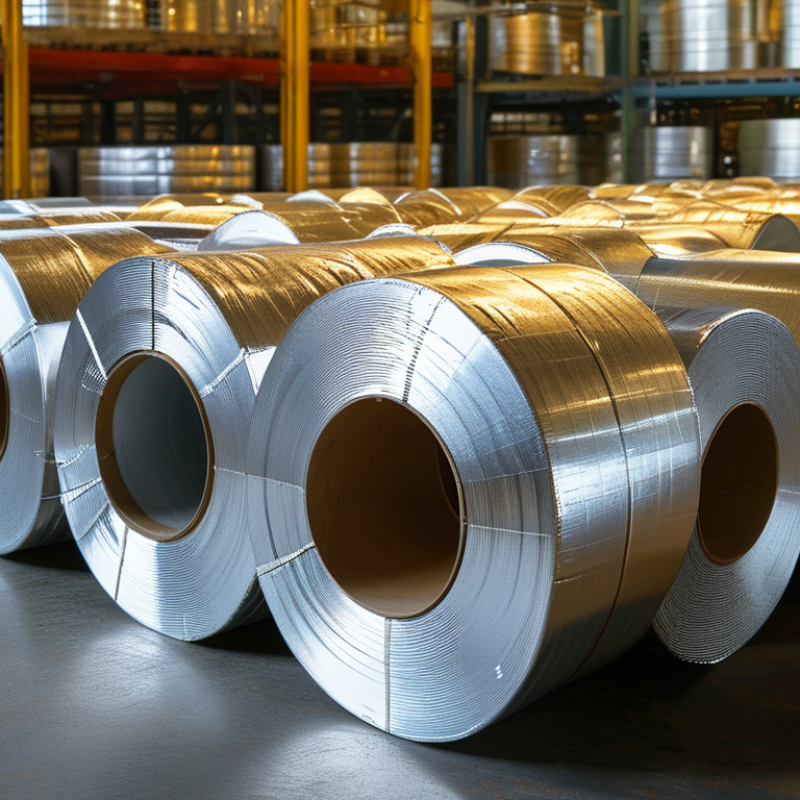
2026 Top Aluminum Foil Trends for Global Buyers to Know?

Emerging Technologies in Aluminum Foil Production for 2026

The aluminum foil industry is evolving rapidly. In 2026, emerging technologies will reshape production processes. Industry reports indicate a shift towards advanced automation and AI in manufacturing. These technologies enhance efficiency and reduce waste significantly. Companies using automated systems can cut production time by 30%, boosting output while minimizing errors.

Another notable trend is the adoption of eco-friendly materials. Research shows that 70% of consumers prefer sustainable packaging. Manufacturers are responding by developing biodegradable aluminum foil variants. These innovations not only meet consumer demand but also align with global sustainability goals. However, challenges remain in scaling these technologies for widespread use.

Investments in smart manufacturing systems are growing. By 2026, it's projected that smart factories will dominate the landscape. They utilize IoT and big data for real-time monitoring. This can reduce energy consumption by 20%. Despite these advancements, the industry must reflect on possible over-reliance on technology. Balancing automation with human expertise remains vital for a resilient future.

Sustainable Practices in the Aluminum Foil Industry: Trends and Innovations

Sustainable practices in the aluminum foil industry are evolving. More companies are focusing on eco-friendly production methods. Innovative technologies are reducing waste and energy use. Recycled aluminum is gaining popularity, minimizing environmental impact. This approach aligns with growing consumer demand for sustainability.

Manufacturers are investing in cleaner processes. They aim to decrease harmful emissions during production. The shift towards renewable energy sources is also notable. Companies are exploring solar and wind power options to operate facilities. However, challenges remain in achieving these ambitious goals.

Transparency in sourcing materials is crucial. Buyers now seek information about the origin of aluminum. Ethical sourcing enhances trust and accountability in the industry. Despite progress, the journey towards fully sustainable operations is ongoing. Continuous improvement is essential to meet the evolving expectations of global buyers.

Consumer Preferences Shaping Aluminum Foil Products in Global Markets

As consumer preferences evolve, the aluminum foil market adapts to meet new demands. According to a recent industry report, 70% of consumers now prioritize sustainability in packaging. This shift has led to a rise in recyclable aluminum foil products. Such products not only appeal to eco-conscious buyers but also reduce the environmental footprint of aluminum production.

Convenience also drives consumer choices. Many prefer easy-to-use, pre-cut foil sheets. A study shows that 65% of home cooks look for time-saving solutions. Convenience packaging has become essential for busy lifestyles. While innovation flourishes, some manufacturers struggle to balance cost and quality. This demand for value can result in compromises that affect product performance.

Moreover, flavor preservation is a critical aspect. Studies reveal that 80% of consumers want packaging that enhances freshness. Foil products that limit air exposure and maintain insulation are in high demand. The challenge remains: how to innovate while adhering to cost constraints. Balancing these diverse consumer needs will shape the landscape of aluminum foil products globally.

Market Dynamics: Key Players and Competitive Strategies in 2026

The aluminum foil market in 2026 presents dynamic competition among key players. According to a recent industry report, market growth is projected to reach $45 billion, highlighting the increasing demand in packaging. Major companies are diversifying their product lines to align with eco-friendly materials. This strategy is critical as consumer preference shifts towards sustainable options.

Furthermore, advancements in technology are reshaping competitive strategies. Companies are investing in smarter production techniques. Automation and AI are becoming integral to production processes. A recent study shows that organizations adopting these technologies can reduce costs by up to 20%. However, balancing technological investment with sustainability remains a challenge.

Price volatility in raw materials continues to affect market dynamics. Manufacturers must navigate these fluctuations while maintaining quality and sustainability. Consumer awareness about the environmental impact of packaging influences buying behavior. Companies must adapt to this shift or risk losing market share. Keeping abreast of these trends is vital for global buyers as they strategize for the future.

Future Applications of Aluminum Foil Across Various Industries

In 2026, aluminum foil is set to transform multiple industries, thanks to its versatile applications. The food and beverage sector already recognizes the value of aluminum foil. According to a recent market report, the global demand for aluminum foil is expected to reach 12.5 million tons by 2025. This growth highlights the material's role in packaging, preserving freshness, and extending shelf life.

Beyond food, aluminum foil's properties make it suitable for new technologies. In the automotive industry, it contributes to lightweight construction, improving energy efficiency. Additionally, emerging applications in electronics utilize aluminum foil for thermal management, as it effectively dissipates heat. Studies suggest that integrating aluminum in this way could enhance device performance by 30%.

However, challenges remain. Recycling rates for aluminum foil lag behind other materials, with only 45% being reused. This raises concerns about sustainability within industries reliant on this resource. Engaging with these challenges will be crucial as we embrace aluminum foil's potential across various sectors in the coming years.

FAQS

: What do consumers prioritize when choosing aluminum foil products?

: Sustainability is a top priority for 70% of consumers. They now prefer recyclable products.

How important is convenience in consumer choices for aluminum foil?

Convenience significantly affects choices. 65% of home cooks seek time-saving, easy-to-use products.

What impact does convenience packaging have?

It becomes essential for busy lifestyles. Pre-cut foil sheets are popular among consumers.

How does aluminum foil support flavor preservation?

80% of consumers want packaging that enhances freshness and limits air exposure.

What are manufacturers struggling with in the aluminum foil market?

Balancing cost and quality is a challenge. Compromises can affect product performance.

What is the expected global demand for aluminum foil by 2025?

The demand is projected to reach 12.5 million tons, highlighting its importance in packaging.

How will aluminum foil influence the automotive industry?

It contributes to lightweight construction, improving energy efficiency in vehicles.

What challenge does aluminum foil recycling face?

Only 45% of aluminum foil is recycled, raising sustainability concerns.

What is a potential benefit of using aluminum foil in electronics?

It aids thermal management and could enhance device performance by 30%.

Are there any trade-offs manufacturers face when developing aluminum foil?

Yes, the need for value can lead to compromises that might not meet all consumer needs.

Conclusion

The article "2026 Top Aluminum Foil Trends for Global Buyers to Know" explores significant advancements in the aluminum foil industry, emphasizing emerging technologies that enhance production efficiency and product quality. It highlights sustainable practices gaining traction within the industry, illustrating how innovations are reducing environmental impact while meeting consumer demands for eco-friendly products.

Moreover, the article delves into the shifting consumer preferences that are influencing the types of aluminum foil products available in global markets. It also examines the market dynamics, identifying key players and their competitive strategies as they adapt to the evolving landscape. Lastly, the future applications of aluminum foil across various industries are discussed, showcasing its versatility and potential for growth in 2026 and beyond. Overall, the article provides valuable insights for buyers looking to navigate the changing aluminum foil market effectively.

Madeline

Madeline

Madeline is a dedicated marketing professional with a wealth of expertise in our company's core offerings. With a keen understanding of the industry, she brings a unique perspective to her role, consistently delivering high-quality content that highlights the superior aspects of our products. As......