
Global buyers choosing Aluminum Alloy Foil need more than a competitive price. They need consistent thickness, dependable delivery, clear alloy specifications, and responsive technical support. A foil roll may look uniform on arrival, yet small variations in gauge or temper can affect forming, sealing, and performance on a high-speed production line.
This guide compares suppliers through practical purchasing criteria. It considers product range, quality controls, customization, export experience, and communication. Ask for current technical data sheets and sample rolls. Check whether the supplier can explain alloy and temper options in plain terms. Details matter.
Aluminum metallurgist Dr. John A. S. Green’s published work on aluminum alloys offers a useful technical lens. The following is a concise editorial paraphrase, not a verbatim quotation: “Choose the alloy and temper for the job, then verify that production holds them consistently.” That principle is especially relevant when buyers compare suppliers across regions. A low quote is not enough if specifications shift between orders.
The best partner is not always the largest. Some buyers need narrow tolerances and repeatable coil quality; others value flexible order sizes or reliable lead times. Supplier claims should be checked against documented specifications, sample evaluation, and direct questions. No comparison can replace testing for a specific application. Use this overview as a starting point, and confirm every critical requirement before placing a production order.
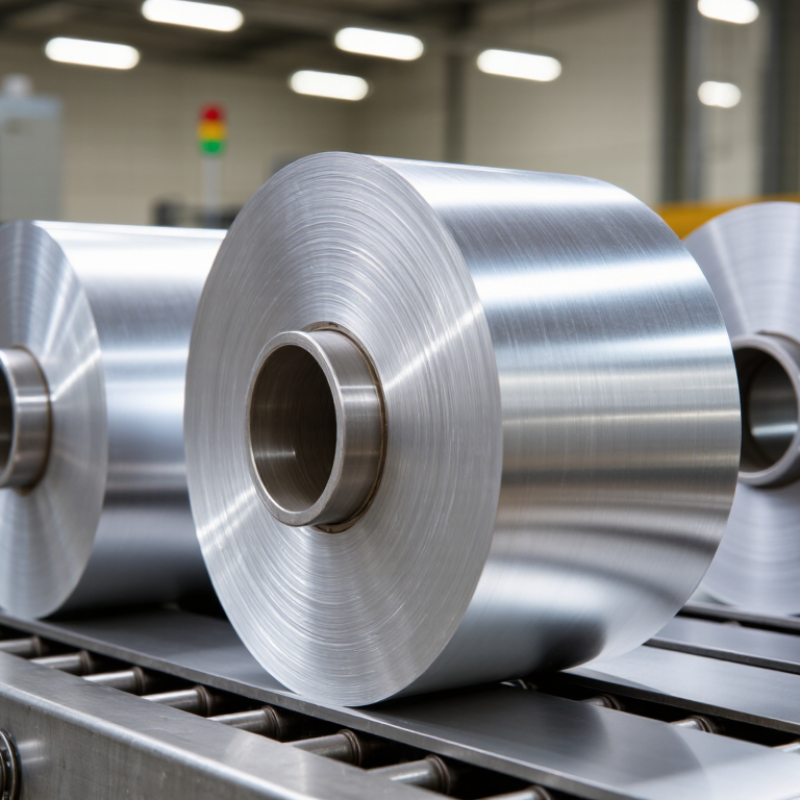
Aluminum alloy foil is not a single material. Common choices include 1xxx alloys, valued for high purity and conductivity, and 3xxx alloys, which add manganese for greater strength. Several 8xxx alloys are used where thin gauge and formability matter. Each grade behaves differently during rolling, forming, and heating. Details matter.
Foil properties depend on alloy, temper, thickness, and surface finish. A softer temper bends readily around a tray; a harder temper may resist handling damage better. Foil also blocks light, moisture, and many gases, though pinholes and poor seals can weaken that barrier. Not every grade fits. Food packaging often needs clean surfaces and reliable sealing, while insulation laminates use foil to reflect radiant heat when installed with an appropriate air space. In electrical applications, conductivity and thickness guide selection. Buyers should request mill test data and check tolerances against the converting process, not just compare alloy names. A specification can look precise and still miss the real need: performance on the production line. Small trials often reveal wrinkles, tearing, or sealing issues before a large order.
Typical ranges for the principal alloying element in selected foil alloys (weight percent). Exact limits depend on the applicable alloy specification.
Applications: 3003 foil is commonly used for containers and heat exchangers; 5052 foil is used where higher strength and corrosion resistance are needed; 8011 foil is widely used for packaging and household foil. Alloy choice should also consider temper, thickness, forming requirements, and the relevant product standard.
For global buyers, supplier evaluation should begin with the foil itself: alloy, temper, thickness tolerance, width, and intended use. Request lot-specific certificates showing chemical composition and mechanical properties, then compare them with your own incoming inspection results. Check pinholes, edge condition, surface marks, and roll telescoping; these details can disrupt converting lines even when paperwork looks complete. Details matter. Ask for documented inspection methods and sample rolls from the production line, not only polished trial samples.
Traceability and supply continuity deserve equal weight. Confirm that each coil can be linked to a production lot, and ask how the supplier handles nonconforming material, corrective actions, and changes to process settings. The International Aluminium Institute notes that recycled aluminium uses about 5% of the energy required for primary production. That makes verified recycled-content claims and controlled scrap sourcing useful evaluation points, though recycled content alone does not prove consistent foil quality. Check it. European Aluminium’s 2023 packaging data reported a 75% aluminium packaging recycling rate in Europe for 2022; this regional figure should not be treated as a global benchmark.
Compare lead-time records, minimum order quantities, packaging protection, and responses to technical questions. Ask for evidence from recent deliveries, including thickness measurements across the web and defect rates. A supplier may provide excellent samples but struggle with repeat orders. No checklist catches every risk, so run a small production trial before committing to large volumes.
For global buyers, compare foil suppliers by process control, not brochure claims. Ask for alloy and temper ranges, rolling-width limits, gauge capability, and documented tolerances. Request recent mill test certificates and sample results for thickness, tensile strength, pinholes, and surface defects. A useful benchmark. European Aluminium Foil Association data put European foil deliveries at about 886,000 tonnes in 2023, down 5.4% from 2022. That market shift makes flexible production planning and reliable lead-time records worth checking, not just quoted capacity.
Quality systems matter, but certificates are only a starting point. Verify the scope and validity of ISO 9001 certification, then review inspection plans, calibration records, and corrective-action examples. Where relevant, compare testing against the buyer’s specified ASTM or EN requirements; do not assume one standard covers every application. The International Aluminium Institute reports that roughly 75% of all aluminium ever produced remains in use, underscoring the value of traceable material and credible recycling data. Still, recycled-content claims need clear definitions and supporting records. One caveat: a neat audit folder can conceal uneven performance between production lots. Ask for several consecutive inspection reports and a trial order before approving a supplier.
Leading aluminum alloy foil suppliers for global buyers in 2026 should be judged by process control, not polished catalogs. Ask for alloy and temper details, thickness tolerance, coil width, and inspection records. For packaging or heat-transfer applications, request sample rolls and check pinholes, edge quality, and consistency across the coil. Small details matter. A slight gauge variation can affect sealing, forming, or downstream yield.
Supply scale offers useful context, but it is not a supplier ranking. The International Aluminium Institute reported global primary aluminum production of about 70.6 million tonnes in 2023; this figure covers primary metal, not foil. Its aluminum recycling guidance notes that recycling uses about 5% of the energy needed to produce primary aluminum. Buyers can therefore ask suppliers to document recycled content and explain how they verify material traceability. Compare lead times, minimum order quantities, packaging for sea freight, and responses to quality claims. A spreadsheet helps, but it cannot reveal every production weakness. I would still verify key specifications with a trial order.
A brand-neutral comparison framework for evaluating aluminum foil suppliers. The specifications below describe common market applications and typical material options; they are not rankings or claims about any individual supplier.
| Supplier Capability Area | Common Alloy Options | Typical Thickness Range | Common Tempers | Typical Applications | What Global Buyers Should Verify |
|---|---|---|---|---|---|
| Flexible packaging foil | 1235, 8011, 8079 | Approximately 6–50 µm, depending on construction and end use | O (annealed); other tempers may be offered for specific converting needs | Food and beverage laminates, sachets, wrappers, and barrier packaging | Thickness tolerance, pinhole limits, surface condition, roll dimensions, and compatibility with the intended lamination process |
| Household foil | Commonly 8011; 1235 may also be specified | Approximately 8–25 µm for many household applications | O (annealed) | Food wrapping, cooking, storage, and general household use | Specified thickness and width, edge quality, winding consistency, packaging protection, and applicable food-contact documentation for the destination market |
| Pharmaceutical packaging foil | 8011 and 8079 are commonly used, subject to pack design | Often approximately 20–30 µm for lidding foil; other structures vary | Typically O for soft foil; temper depends on the product construction | Blister-pack lidding and other pharmaceutical packaging laminates | Coating or lacquer requirements, printability, pinholes, traceability, change control, and documentation required by the buyer |
| Container and semi-rigid foil | 8011; 3003 may be used for selected applications | Often approximately 30–100 µm, depending on container design | O or H temper, selected to meet forming and strength requirements | Food trays, lids, and formed foil containers | Formability, strength, surface finish, forming performance, dimensional tolerances, and suitability for the production line |
| Heat-exchanger and industrial foil | 3003, 1100, and other grades specified by design | Commonly approximately 50–200 µm; engineered specifications may differ | O, H14, or other specified tempers | Heat-transfer components, fins, insulation laminates, and industrial uses | Alloy and temper verification, mechanical properties, flatness, surface cleanliness, and test certificates aligned with the purchase specification |
| Coated or laminated foil | Base alloy often selected from 1235, 8011, or 8079 | Base foil commonly falls within approximately 6–50 µm; coating and laminate thicknesses are additional | Usually O for flexible packaging, subject to the converting process | Printed packs, heat-sealable structures, and moisture or light barrier packaging | Coating type, bond strength, seal performance, migration or compliance documentation where applicable, and finished-laminate test results |
Buyer note: Alloy, temper, thickness, and performance requirements vary by product design, manufacturing process, and regulatory market. Confirm the applicable standard and request a current technical data sheet, certificate of analysis, and relevant compliance documents before placing an order.
For global aluminum alloy foil purchases, verify the specification before comparing prices. Ask each supplier to confirm alloy, temper, thickness, width, tolerance, and core dimensions in writing. Request a recent mill test certificate and traceable coil numbers, then compare them with a physical sample. Paperwork is not proof. Check certificates with the issuing body where practical, and arrange an independent inspection for large or first-time orders. A neat sample may not represent every coil; that’s an easy detail to overlook.
Shipping needs the same attention. UNCTAD’s Review of Maritime Transport 2024 reports that seaborne trade grew 2.4% in 2023, reaching 12.3 billion tonnes. Build schedule buffers around port congestion, customs handling, and inland delivery. Specify moisture barriers, desiccants, edge protection, and pallet limits; one damp container can damage tightly wound rolls. Confirm the named delivery point, cargo insurance, and responsibility for demurrage before booking. Small details matter. Compare total landed cost, not just the foil price, and keep written records of agreed tolerances and remedies. Supplier audits help, but they take time and can miss problems between visits. That limitation deserves a place in the sourcing plan.
1xxx alloys offer high purity and conductivity. 3xxx alloys include manganese for added strength. Some 8xxx alloys suit thin, formable foil. Details matter.
Alloy, temper, thickness, and surface finish all matter. Softer foil bends easily around a tray; harder foil may resist handling damage. Not always.
Yes, foil can provide a barrier against light, moisture, and many gases. Pinholes or weak seals can reduce protection. Check both.
Match the alloy, temper, and thickness to forming, sealing, insulation, or electrical needs. For insulation, reflective foil needs a suitable air space.
Request mill test data and results for thickness, tensile strength, pinholes, and surface defects. Check tolerances against your production process, not just the alloy name.
Review inspection plans, calibration records, and corrective-action examples. Check certificate scope and validity, then request several consecutive inspection reports. Paperwork is not proof.
A small trial can reveal wrinkles, tearing, uneven gauge, or sealing problems. It may not catch everything, but it gives production teams useful evidence.
Ask for traceability records and a clear definition of recycled content. Compare lead times, minimum order quantities, and sea-freight packaging. Verify the claims.
Aluminum Alloy Foil serves a wide range of needs, with different alloy types and tempers offering distinct combinations of strength, flexibility, formability, corrosion resistance, and thermal performance. Its common applications include packaging, insulation, electronics, construction, and industrial manufacturing. Choosing a suitable supplier starts with matching the foil’s thickness, width, alloy, surface finish, and mechanical properties to the intended use, while also assessing production capacity, technical support, consistency, and quality-control practices.
For global buyers, comparing suppliers means reviewing manufacturing equipment, testing procedures, quality documentation, sample availability, lead times, and the ability to meet order specifications reliably. A careful sourcing plan should also account for packaging, shipping methods, delivery schedules, communication across time zones, and clear procedures for resolving discrepancies. Before placing an order, buyers can verify a supplier’s business credentials, request relevant quality records, and confirm specifications in writing. These steps help reduce uncertainty and support a dependable long-term supply relationship.
